Water Use in Bag Yarn Dyeing: Three Colouration Routes Compared by Litres per Kilogram and Effluent Load
How much water does it take to colour a kilo of bag yarn? Depending on the route, somewhere between almost none and roughly 150 litres — and the choice between dope, package and piece dyeing is the single largest water variable in a knitted bag programme. The route is chosen at specification stage, and it sets the water figure for the life of that shade.
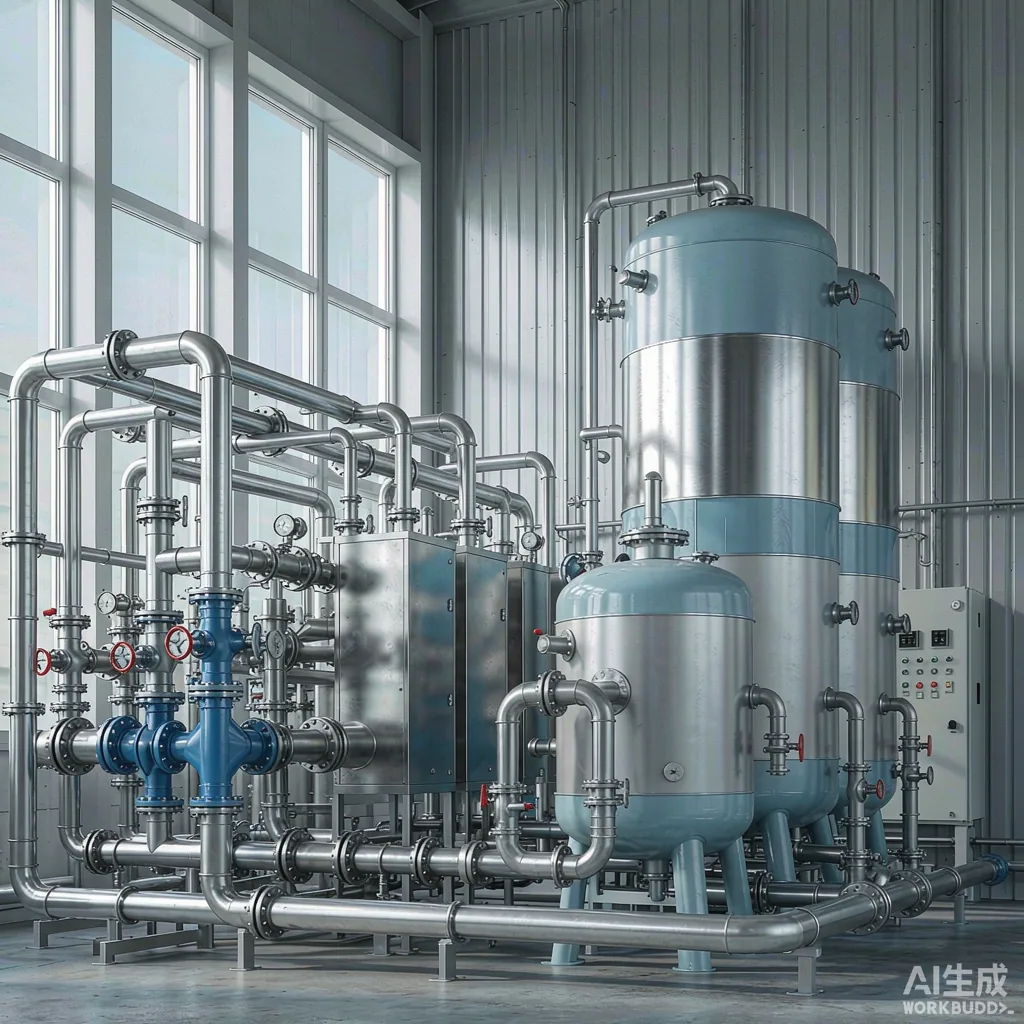
First Question: Dope Dyed, Package Dyed or Piece Dyed?
Choose the colouration route before choosing the shade, because dope dyeing removes most of the water load but commits you to about 300 kg per colour, while package and piece dyeing keep that flexibility at a far higher water cost.
This is a decision with a long tail. It determines the water footprint, the achievable shade range, the minimum dye lot, the colour consistency between seasons and the lead time for a new colour. Treating it as a downstream detail means the programme inherits whatever the default happens to be.
The three routes differ in where colour enters. Dope dyeing adds pigment to the polymer melt at the spinner, so the filament is coloured as it is made. Package dyeing dyes yarn wound on a package after spinning. Piece dyeing dyes the knitted fabric — or the assembled bag — after knitting. The later the colour enters, the more water it costs and the more flexibility it buys.
For a knit bag programme the practical reading is this: dope dyeing suits core shades that repeat; package dyeing suits mid-volume programmes with a moderate colour range; piece dyeing suits short runs, sampling and fashion shades where commitment is not justified.
Where Water Actually Goes in a Dyehouse
Roughly 80 per cent of dyehouse water goes to rinsing after dyeing and after pre-treatment, not to the dyebath itself — which is why liquor ratio improvements matter less than rinse optimisation.
The dyebath is the part everyone visualises, and modern machinery has already squeezed much of the waste out of it. Low-liquor machines run at ratios near 1:4 to 1:6 against the 1:8 to 1:15 typical of older equipment, which is a genuine and worthwhile improvement.
The larger load is rinsing. Hydrolysed dye, unfixed reactive dye, salt and auxiliary residues all have to be removed, and each rinse is a full bath. Reducing rinse volume directly — counter-current rinsing, optimised fill levels, conductivity-based end points — usually removes more water than any further dyebath optimisation.
There is also a hidden load in colour changes. Cleaning a machine between shades uses water, and a programme running many small colour lots pays that cost repeatedly. This is the operational version of the same trade-off that governs dye lot minimums.
Measurement is what turns any of this into a specification. A dyehouse with metered intake per machine can report litres per kilogram directly. One without metering can only estimate, and an estimate is not evidence. Where a programme has a stated water target, asking for the meter data is reasonable and quick.
The Litres Per Kilogram Numbers Compared
Indicative water consumption runs below about 10 litres per kilogram for dope dyeing, roughly 60 to 100 litres per kilogram for package dyeing and about 80 to 150 litres per kilogram for piece dyeing.
| Route | Where colour enters | Water use (L/kg) | Minimum commitment | Best fit |
|---|---|---|---|---|
| Dope dyeing | Pigment into the polymer melt at the spinner | Below about 10 | About 300 kg per colour | Core shades repeated across seasons |
| Package dyeing | Yarn wound on a package, after spinning | About 60 - 100 | Per dye lot | Mid-volume programmes, moderate colour range |
| Piece dyeing | Knitted fabric or assembled bag, after knitting | About 80 - 150 | Low | Short runs, sampling, fashion shades |
The spread is wide enough to dominate almost every other water decision in a bag programme. Moving a core shade from piece dyeing to dope dyeing typically removes more water than any change to the knitting or finishing route, which is why the decision belongs at specification stage rather than in production planning.
The numbers are indicative rather than universal. Actual consumption depends on the machinery, the depth of shade, the fibre and the local water quality. For that reason a specification should ask for the dyehouse figure rather than assume an industry average, and should record it per colour rather than per programme.
- Dope dyeing water use
- Below about 10 L/kg
- Package dyeing water use
- About 60 - 100 L/kg
- Piece dyeing water use
- About 80 - 150 L/kg
- Modern low-liquor ratio
- 1:4 to 1:6
- Older machine liquor ratio
- 1:8 to 1:15
- Dye lot commitment
- About 300 kg per colour
- Typical recycle rate
- 30 - 60% of process water
- Shell yarn / gauge
- 300D/96f recycled polyester, E12
- Shell GSM
- 450 g/m²
- Yarn per finished bag
- About 400 g
- Sampling / bulk
- 7 working days / 30 days
- Inspection
- AQL 2.5 (ISO 2859-1)
- Shipment terms
- FOB Xiamen
One further qualification matters for correctness. The lowest figure applies to the colouration step, not to the entire wet-processing sequence. Scouring, heat setting and any functional finish still use water, so a dope-dyed programme is very low in colouration water rather than water-free overall.
Branch A: Dope Dyeing, the Low-Water Route
Dope dyeing delivers the lowest water use, the best light fastness and the most consistent shade between lots, at the cost of a 300 kg commitment per colour and a longer lead time to introduce a new shade.
The mechanism is that pigment is present in the melt before the filament is extruded, so there is no dyebath and no rinse. Colour fastness to light improves because pigment sits through the whole cross-section rather than in a surface layer. Shade consistency between lots improves because the pigment is dosed at the spinner rather than exhausted onto yarn in a bath whose behaviour varies with water quality.
The commercial constraint is the commitment. Three hundred kilograms per colour is a genuine working-capital item on every shade in a range, and it is the reason dope dyeing suits core colours and not fashion ones. A shade that returns season after season earns the commitment; a shade that may not return does not.
There is a second constraint worth planning for: introducing a new dope-dyed colour takes longer than dyeing an existing yarn, because it is a spinning job rather than a dyehouse job. Where a programme needs colour agility, that argues for keeping the core shades dope dyed and the seasonal shades package dyed.
Branch B: Package Dyeing, the Standard Route
Package dyeing is the default for mid-volume knit bag programmes: it keeps colour decisions late, supports a wide shade range and runs at roughly 60 to 100 litres per kilogram.
The flexibility is the point. Because colour is applied after spinning, a programme can develop shades in response to a buyer's brief rather than committing to them a season ahead. For programmes where the colour range is part of the commercial offer, that matters more than the water difference.
The water cost is concentrated in rinsing after dyeing and after scouring. Low-liquor machinery and counter-current rinsing both help, and both are worth asking about when a dyehouse is being assessed, because the spread between a well-run and a poorly-run house is substantial.
Colour consistency between lots is the main technical risk. Shade varies with water quality, liquor ratio control and dye lot, which is why a retained swatch from the approved lot is worth keeping — it is the only way to compare next season's lot under the same light source.
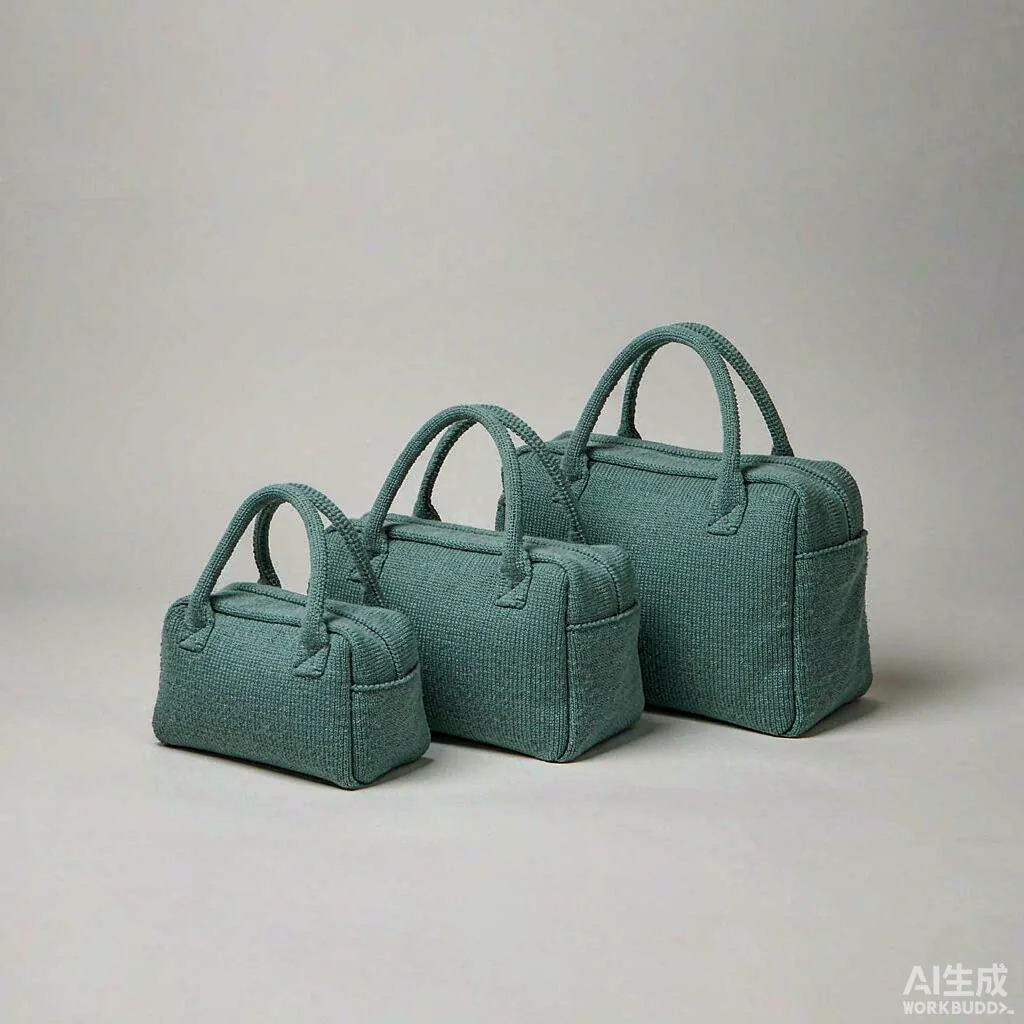
Branch C: Piece Dyeing and Where It Fits
Piece dyeing uses the most water per kilogram — roughly 80 to 150 litres — and suits short runs, sampling and fashion shades where a dye lot commitment cannot be justified.
The trade-off is straightforward. Late colour decisions cost water, and where volumes are small that is the right trade to make. A 100-piece first order in a new shade is far better served by package or piece dyeing than by committing to 300 kg of dope-dyed yarn that may never be used.
The risk to manage is dimensional. Dyeing knitted fabric after knitting changes the loop geometry, which changes the finished dimensions and GSM. Where a specification is developed on grey fabric and then piece dyed, the shrinkage has to be built into the programme rather than discovered at inspection.
That is why the sampling calendar matters here. Seven working days is enough to knit, dye, finish and measure a sample, but only if the shrinkage allowance is in the technical pack. Discovered late, it becomes a second sampling round and the calendar slips.
Effluent Quality: COD, BOD and Colour
Effluent is judged on four measures — chemical oxygen demand, biological oxygen demand, colour and total dissolved solids — and the receiving standard depends on whether the dyehouse discharges to a municipal plant or to surface water.
Chemical oxygen demand
Measures the oxidisable load from dyes and auxiliaries. High values indicate poor exhaustion or inadequate treatment.
Biological oxygen demand
Measures the biodegradable fraction. It tracks how much oxygen the discharge will consume in the receiving water.
Colour
Visible colour is the most obvious failure and the one that attracts complaints first, even where other limits are met.
Total dissolved solids
Tracks salts and dissolved residues, which limits how far water can be recycled within the process.
The relationship between water volume and effluent quality is not linear. Reducing water per kilogram concentrates the effluent, so a house can improve its consumption figure and worsen its discharge at the same time. This is why the two have to be specified together rather than one standing in for the other.
Salt load deserves separate mention because it is the parameter most tightly coupled to a fibre choice rather than a process choice. Reactive dyeing on cellulosic fibres consumes substantial salt, and that salt ends up in the effluent, where it both raises total dissolved solids and limits how far the water can be recycled.
For a buyer the practical question is what to ask for. A dyehouse that holds current discharge data, tests regularly and can name the standard it discharges against is a materially better prospect than one that quotes a water figure without context. Where a programme has a stated water target, the discharge data is the evidence.
Water Recycling and Closed-Loop Systems
Typical dyehouses recycle about 30 to 60 per cent of process water, with the ceiling set by dissolved solids rather than by treatment technology.
The constraint is cumulative. Every reuse cycle concentrates salts and dissolved residues, and beyond a certain concentration the water starts affecting dye uptake and shade. Membrane systems push the ceiling higher but add capital and energy cost, so the economically sensible figure is usually nearer the middle of that range than the top.
Heat recovery is the part that is often overlooked. A large share of the energy in a dyehouse goes into heating water, and recovering heat from hot effluent usually improves the energy balance more per unit of investment than further water recycling does.
For a knit bag programme the practical step is to ask the dyehouse for two numbers: water per kilogram and the recycle rate. Together they say more about the operation than either does alone, and both are easy to verify against metered consumption.
Writing a Water-Use Requirement Into the Specification
Write the requirement as a measurable pair — litres per kilogram of yarn and the recycle rate — rather than as an aspiration, and record both per colour rather than per programme.
- Specify the colouration route for each shade, since dope, package and piece differ by an order of magnitude.
- Ask for water per kilogram and the recycle rate, and record them per colourway.
- Require current discharge data and the standard the dyehouse discharges against.
- Set the dye lot commitment explicitly, typically about 300 kg per colour for dope dyeing.
- Record a retained swatch reference so later lots can be compared under the same light source.
Numbers only work when they can be produced on request. A programme that records consumption per run has the evidence; one that estimates it annually does not, and the difference shows up precisely when a customer asks.
The scheduling picture is unchanged by any of this. Sampling takes 7 working days, bulk production 30 days, and inspection closes at AQL 2.5 (ISO 2859-1) on FOB Xiamen terms. Water performance is a specification decision, not a calendar one. For the dye selection side, see knitted bag colour fastness by yarn.
Send the bag specification, target shades and volumes and we will return a water-use assessment with a sampling slot. Request a dyeing review
Frequently Asked Questions
How much water does it take to dye a kilo of bag yarn?
Indicatively, below about 10 litres for dope dyeing, about 60 to 100 litres for package dyeing and about 80 to 150 litres for piece dyeing. Actual figures depend on machinery, depth of shade, fibre and local water quality, so ask the dyehouse rather than assuming an average. The two figures together say more than either one quoted without the other would.
What is the difference between dope, package and piece dyeing?
They differ in when colour enters. Dope dyeing adds pigment to the polymer melt at the spinner, package dyeing colours yarn wound on a package after spinning, and piece dyeing colours the knitted fabric or assembled bag after knitting. Reducing water per kilogram concentrates the effluent, so quality has to be specified too.
Why is dope dyeing so much lower in water use?
Because pigment is present in the melt before the filament is extruded, so there is no dyebath and no rinse. The remaining water is process and cooling water. It also improves light fastness and shade consistency between lots. Metered intake per machine is what turns a claim into evidence a customer can check.
What is the catch with dope dyeing?
The 300 kg per colour commitment at the spinner, plus a longer lead time to introduce a new shade. That suits core colours repeated across seasons and not fashion shades that may not return. Colour is the failure that attracts complaints first, even where other limits are met.
Does reducing water per kilogram always improve environmental performance?
Not necessarily. Lower water use concentrates the effluent, which can worsen chemical oxygen demand and colour at the discharge point. The two should be specified and reported together rather than one standing in for the other. Fixing the route per shade avoids inheriting a default that fits neither volume nor timing.
What effluent parameters matter most for a bag dyehouse?
Chemical oxygen demand, biological oxygen demand, colour and total dissolved solids. Each says something different: the first two about organic load, colour about visible impact, and dissolved solids about how far water can be recycled. Liquor ratio is the machine-side lever, while rinse optimisation is usually the larger one.
How much process water can a dyehouse recycle?
Typically about 30 to 60 per cent. The ceiling is set by dissolved solids accumulating through reuse rather than by treatment capability, beyond which dye uptake and shade consistency begin to suffer. Heat recovery often improves the energy balance more per unit invested than further recycling. Salt load is governed by fibre choice, and it sets the ceiling on how far water can be reused.
Where does most dyehouse water actually go?
To rinsing, not to the dyebath. Rinsing after dyeing and after pre-treatment accounts for roughly 80 per cent of consumption, which is why rinse optimisation usually delivers more than further dyebath improvement. Salt load is governed by fibre choice, and it sets the ceiling on how far water can be reused.
Does dope dyeing eliminate all wet processing water?
No. It removes the water used for colouration. Scouring, heat setting and any functional finish still consume water, so the correct claim is very low colouration water rather than water-free production. The two figures together say more than either one quoted without the other would. Reducing water per kilogram concentrates the effluent, so quality has to be specified too.
What is liquor ratio and why does it matter?
It is the ratio of water to goods in a dyebath. Modern low-liquor machines run near 1:4 to 1:6 against 1:8 to 1:15 for older equipment, and the difference translates directly into water and heating energy per kilogram. Reducing water per kilogram concentrates the effluent, so quality has to be specified too.
Should a buyer specify the colouration route?
Yes, per shade. Dope dyeing suits core colours with repeat volume; package dyeing suits moderate ranges; piece dyeing suits short runs and sampling. Specifying per shade avoids inheriting a default that fits neither volume nor timing. Metered intake per machine is what turns a claim into evidence a customer can check.
How is a water-use claim evidenced?
By metered consumption per run, recorded at article level, together with the recycle rate and current discharge data showing the standard the dyehouse discharges against. Estimates made annually will not survive a customer enquiry. Colour is the failure that attracts complaints first, even where other limits are met.
Does the dyeing route affect lead time?
It can. Introducing a new dope-dyed shade is a spinning job and typically takes longer than dyeing existing yarn, which is why colour agility and water performance pull in opposite directions. Fixing the route per shade avoids inheriting a default that fits neither volume nor timing. Liquor ratio is the machine-side lever, while rinse optimisation is usually the larger one.
Does recycled yarn change dyeing water use?
Indirectly. Mechanically recycled polymer carries a grey cast, so saturated shades need more colourant and sometimes an extra correction cycle, and each correction cycle is another full bath and rinse. Liquor ratio is the machine-side lever, while rinse optimisation is usually the larger one. Heat recovery often improves the energy balance more per unit invested than further recycling.
Where does water use sit against carbon in a bag programme?
Both are material-stage burdens and they respond to many of the same levers. The dyeing route is among the largest of each, which is why it is usually the first specification decision worth revisiting. Heat recovery often improves the energy balance more per unit invested than further recycling.
People Also Ask
How much water does it take to dye yarn for bags?
Typically below about 10 litres per kilogram for dope dyeing, around 60 to 100 for package dyeing and about 80 to 150 for piece dyeing, depending on machinery and depth of shade. Metered intake per machine is what turns a claim into evidence a customer can check.
What is dope dyeing?
Colouring at the spinner by adding pigment to the polymer melt before extrusion. It removes the dyebath and rinse, improves light fastness and shade consistency, but requires a commitment of about 300 kg per colour.
Is package dyeing more water intensive than dope dyeing?
Yes. Package dyeing uses a dyebath plus rinsing, typically about 60 to 100 litres per kilogram, against below about 10 litres for dope dyeing where colour enters the melt. Fixing the route per shade avoids inheriting a default that fits neither volume nor timing.
Does using less water always reduce impact?
No. Reducing water per kilogram concentrates the effluent, which can worsen chemical oxygen demand and colour. Water consumption and discharge quality should be specified together. Liquor ratio is the machine-side lever, while rinse optimisation is usually the larger one.
What effluent limits apply to a bag dyehouse?
The common measures are chemical oxygen demand, biological oxygen demand, colour and total dissolved solids, with the applicable limits set by the receiving authority or the discharge permit. Heat recovery often improves the energy balance more per unit invested than further recycling.
Sources and further reading
Every figure on this page is either our own programme data or attributed below. Open the originals before you write them into a specification.
- Roadmap to ZeroZDHC Foundation Authoritative source for the wastewater and chemical management limits applied to textile wet processing.
- EU Strategy for Sustainable and Circular TextilesEuropean Commission Policy context for water use, effluent and chemical management in textile production.
- Substances restricted under REACHEuropean Chemicals Agency (ECHA) Reference for substance restrictions that interact with dyestuff and auxiliary selection.
- ISO 14040:2006International Organization for Standardization Method reference for the life cycle assessment used to report water and carbon impacts.
- European Environment AgencyEuropean Environment Agency Source for published data on water stress and industrial water use in textile supply chains.