Bag Packaging Waste Reduction in Knitted Programmes: What a 12,000-Piece Order Actually Throws Away
How much packaging does a knitted bag programme actually throw away? On a 12,000-piece order of foldable totes the answer was 744 kg, almost all of it polybags and void fill rather than board. A knitted bag already ships lighter than a structured sewn bag, because it folds flat and packs about 25 pieces per carton instead of 10, so the waste that remains is discretionary: the individual polybag, the oversized carton, and the plastic-stapled hangtag. Removing those three cut pack mass from 62 g to 21 g per bag with no change to the bag itself.
The Shipment That Came Back on a Scorecard
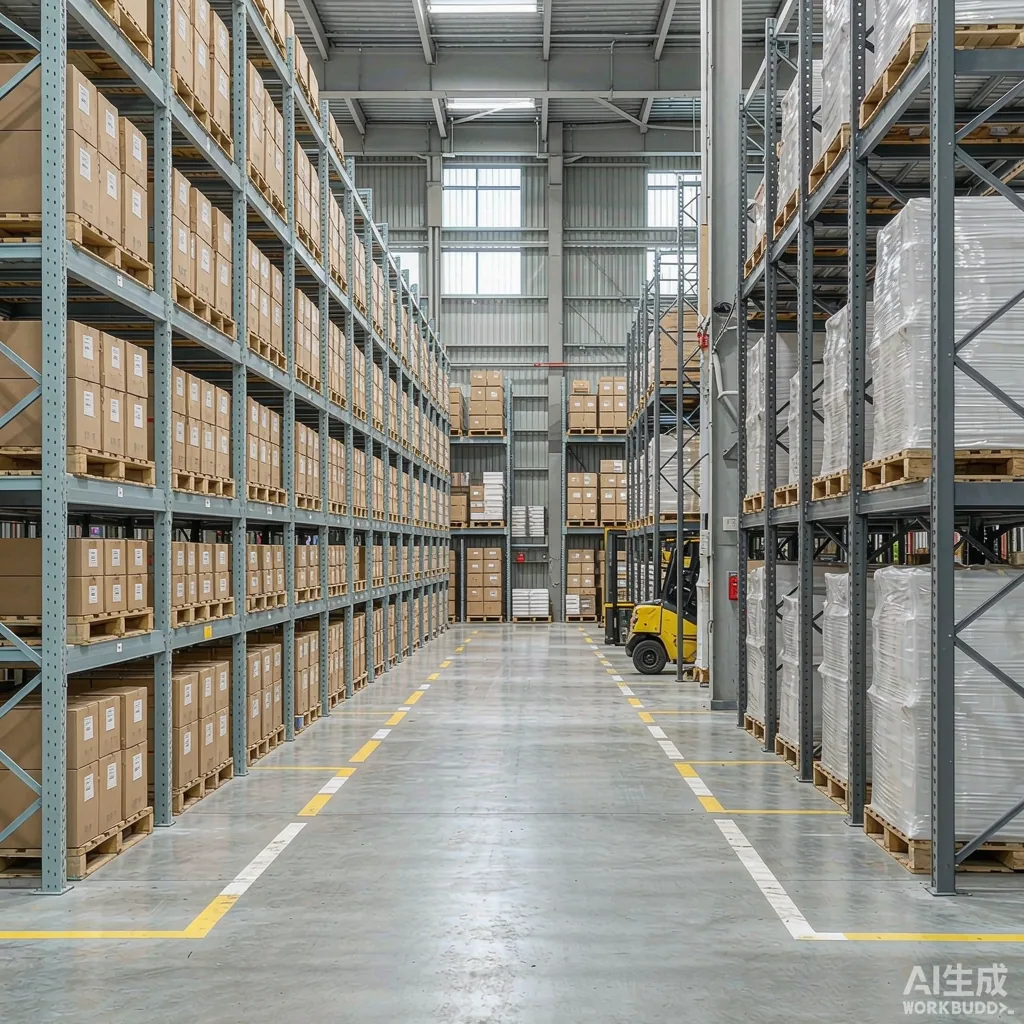
A buyer shipped 12,000 foldable knitted totes to a European retail group in the spring, and six weeks later the packaging scorecard came back amber. Nothing about the bags was wrong: they passed inspection at AQL 2.5 under ISO 2859-1, the shade matched the approved lab dip, and the handle roots held. What failed was the pack. Each bag arrived in its own polybag, the carton was sized for a structured bag rather than a folded one, and the gap was filled with about 90 g of kraft paper per carton.
The buyer had been asked to reduce packaging and had assumed it meant thinner board. It did not. Board was 41 percent of the pack mass; the polybags were 33 percent and the void fill was 19 percent, and the remaining 7 percent was hangtags, inserts and tape. Thinner board would have risked carton failure in transit for a saving of around 8 g per bag. Removing the polybag and right-sizing the carton saved 41 g per bag with no transit risk at all.
The second thing the scorecard revealed was a materials problem rather than a mass problem. The pack combined four material families: LDPE film, kraft paper, PP tape and a plastic-stapled hangtag on a PP cord. A retailer sorting waste at the back of store has to separate those, and in practice most do not. The fix that mattered most in the end was not lighter, it was fewer materials, and that is the rule worth carrying into any knit bag programme.
What the case shows
- Packaging waste on a knit bag programme is mostly discretionary.
- Cut the polybag and the void before touching the board, and reduce the number of material families before reducing the mass.
What a Knitted Bag Actually Ships In
A standard export pack for a folded knitted tote has six elements: the individual polybag, the folded bag itself, any tissue or interleaving, the hangtag and its fastener, the inner carton, and the master carton with tape and labels. On the programme described here that came to about 62 g of packaging per bag before any change, against a bag mass of roughly 300 g, so packaging was about 17 percent of the shipped mass.
That ratio is already better than a structured sewn bag achieves, because a knitted bag without a base board folds flat and nests. A foldable tote packs about 25 pieces into a 60 x 40 x 40 cm carton; the same design with a removable base board packs around 14, and a structured tote that cannot fold packs nearer 10. Cube, not weight, is what sets freight cost and what drives the temptation to over-fill with paper.
Carton strength should be specified by edge crush test rather than by feel. A 32 ECT single-wall carton is adequate for a folded knit bag at up to about 15 kg gross, and it is the specification most European retailers accept for bagged soft goods. Going to 44 ECT adds roughly 90 g of board per carton and is only justified where cartons are floor-stacked rather than palletised, because stacking load rather than drop risk is what the higher grade buys.
- Folded tote, no base board
- about 25 pieces per 60 x 40 x 40 cm carton
- Folded tote with base board
- about 14 pieces per carton
- Structured tote, cannot fold
- about 10 pieces per carton
- Carton grade
- 32 ECT single wall, to about 15 kg gross
- Packaging mass before change
- about 62 g per bag
- Packaging mass after change
- about 21 g per bag
- Pack on 12,000 pieces
- 744 kg before, 252 kg after
Polybags: The First and Easiest Cut
The individual polybag is the single largest discretionary element in a knit bag pack, at roughly 8 g for a 40 micron LDPE bag sized to a folded tote, or about 20 g on a 12,000-piece programme. Its stated job is protection in transit and on the shelf, and for a bag that ships folded inside a sealed carton and is unpacked by store staff, that job is largely already done by the carton.
Removing it is not always possible, and a buyer should check three things first. If the goods cross a humid lane or sit in a container for more than about 30 days, film does protect against moisture marking. If the retailer requires a barcode on each piece for goods-in scanning, the bag often carries it, and removing the bag means relocating the label. If the bag is a light shade and ships alongside darker ones, film prevents rub-off transfer.
Where protection is genuinely needed, a recycled-content bag at 30 micron saves about 2 g per piece and satisfies a recycled-content requirement; where it is not, a paper belly band at about 3 g carries the barcode and the size information and is recyclable with the carton. Both are better than the default, which is a virgin film bag nobody has questioned since the first order.
Right-Sizing the Carton Removes Fill Before It Removes Board
Void fill exists because the carton is too big, so the correct sequence is to shrink the carton and then see whether fill is still needed. On this programme the carton was carried over from a structured bag and left about 22 percent of its volume empty, which was then filled with roughly 90 g of kraft paper per carton, or 3.6 g per bag once divided out. Resizing the carton to the folded stack removed the fill entirely and reduced board by about 14 g per carton at the same time.
The target to write into a packing specification is carton utilisation, measured as the volume of folded goods against internal carton volume, and it should be above 85 percent. Below about 75 percent the carton is bouncing in transit and fill will be needed; above about 92 percent the carton is being compressed and the bags arrive creased. Utilisation is a number that can be checked at goods-in, which makes it a better specification line than a general instruction to minimise packaging.
Fill, where it is unavoidable, should be paper rather than plastic and should be specified by type. Shredded kraft and honeycomb paper both recycle with the board; expanded polyethylene peanuts and bubble film do not, and they create the mixed-material pack that retail waste sorting cannot handle. If a programme must ship mixed sizes in one carton, a paper partition is better than fill, because it also stops the heavier pieces crushing the lighter ones.
Hangtags, Inserts and the Small Plastics
Small plastics are the element that most often survives a packaging reduction because each one is individually negligible. A hangtag on a PP cord with a plastic staple weighs about 2.5 g, which sounds like nothing until it is multiplied by 12,000 and then separated at the back of store from a card tag that would otherwise recycle cleanly. There are about 30 kg of it on this programme, and all of it is unrecyclable in practice.
The replacements are straightforward. A paper cord, a knot tied in the bag's own drawcord, or a tag attached with a recycled-content pin all remove the plastic staple, which is the part that actually contaminates the stream. Where a barcode has to be scannable at piece level, printing it directly onto the care label rather than the hangtag removes one component entirely and removes the risk of the tag being separated from the bag in store.
Inserts deserve the same scrutiny. A printed insert per bag is usually a compliance artefact rather than a customer need. One A5 insert per carton instead of per bag took this programme from 12,000 sheets to about 480, removing roughly 41 kg of paper at no loss of information.
Printed Versus Woven Versus Knitted-In Information
Knitted construction offers an option that cut-and-sew does not: information can be formed in the knitting cycle rather than added afterwards. A care symbol block, a size marker or a simple brand mark can be knitted into a panel or into a seam allowance with no added component, no ink, and no separate material to remove at end of life. It will not carry a barcode and it will not survive a mid-programme text change, so it suits fixed information only.
Where a label is needed, a printed polyester satin label and a woven label have different profiles. A woven label uses yarn rather than ink and carries no coating, which makes it simpler to recycle with the bag; a printed satin label carries an ink film and a resin coating. Neither is a large mass, but on a mono-material bag the label is often the component that stops the whole article being recycled as one polymer, and that is worth knowing before the artwork is locked.
The practical rule is to put fixed information into the knitting, variable information onto one component, and nothing onto two. A knitted-in care block plus a single printed barcode label is a two-component pack that a retailer can handle. A woven brand label, a printed care label, a hangtag and a polybag sticker is four, and it will keep failing scorecards no matter how light each piece is individually.
The Kitchen Sink Problem: Multi-Material Packs
The reason packs fail scorecards is usually not mass, it is separability. A pack with four material families asks a store worker to do four separations for one bag, and the observed result is that none of them happen. A pack with one material family, or two that separate easily, gets recycled even when it is heavier. That is the counter-intuitive part of packaging reduction and it reverses the usual ordering of priorities.
In practice the mono-material target runs into two obstacles. The carton and the bag are different materials by definition, so the honest goal is mono-material per component rather than per pack. And adhesive labels on a bag contaminate polyester recycling unless the label is polyester and the adhesive is wash-off, both available and both needing to be specified.
The measure worth tracking is the count of material families per carton, not the grams. This programme went from four families to two, board and paper, plus a single polyester label on the bag. That change did more for the scorecard than the 41 g per bag of mass removed, and it cost nothing, because it was achieved by deleting components rather than by buying a lighter alternative.
A Packaging Reduction Checklist by Pack Element
| Element | Before | After | Mass saved per bag | Note |
|---|---|---|---|---|
| Individual polybag | 40 micron virgin LDPE, 8 g | removed or paper band, 3 g | 5 to 8 g | check moisture and barcode first |
| Void fill | 90 g kraft per carton | carton resized, none | about 3.6 g | utilisation target above 85 percent |
| Carton | carried over, 44 ECT | resized, 32 ECT | about 0.6 g | 32 ECT to about 15 kg gross |
| Hangtag fastener | PP cord and plastic staple | paper cord or knitted-in label | about 2.5 g | staple is the contaminant |
| Insert | one A5 sheet per bag | one per carton | about 3.4 g | compliance text, not customer text |
| Tape | PP tape, 50 mm | paper tape, 48 mm | about 0.4 g | recycles with the board |
What Retail Scorecards Actually Score
Retailer packaging scorecards tend to test four things, and only one of them is weight. They ask whether the pack uses recycled content, whether it is recyclable in the market where it is sold, whether unnecessary packaging has been removed, and whether the materials are identifiable and separable. A light pack that fails the separability test scores worse than a heavier mono-material one, which is why the sequence in this article runs delete, then consolidate, then lighten.
Recycled content is the easiest point to lose through inattention. A carton specified only as kraft will be supplied as virgin unless recycled content is named, and a claim of recycled content needs the same substantiation discipline as a recycled yarn claim. See recycled claim substantiation rules for what evidence to hold before the claim goes on the carton rather than after.
Writing Packaging into the Specification
Packaging belongs in the specification as its own section, because it is otherwise decided at the last minute by whoever is packing the container. It should name the carton grade by edge crush test, the carton dimensions, the pieces per carton, the fill type or its explicit absence, the polybag or its explicit absence, the label type and attachment, and the tape type. Naming an absence is as important as naming a presence, because default behaviour is to add.
Two numbers make the section checkable at goods-in: pieces per carton, and packaging mass per bag measured on a sample of ten. Both can be verified in about fifteen minutes by anyone receiving the goods, and both move immediately if the packer deviates. A clause that says minimise packaging is not checkable and will be interpreted differently on every order.
Delete first
Polybag, void fill and per-piece inserts are discretionary on a folded knit bag. Deleting costs nothing and removes the material entirely.
Then consolidate
Reduce material families before reducing mass. A two-family pack outperforms a lighter four-family pack on every retail scorecard.
Then lighten
Only after deleting and consolidating. 32 ECT board is adequate to about 15 kg gross for folded knit goods on pallets.
Make it checkable
Specify pieces per carton and packaging grams per bag. Both are verifiable at goods-in in about fifteen minutes.
Name the absences
Write no polybag and no void fill explicitly. Default behaviour at packing is to add, and an omission reads as permission.
Watch the label
On a mono-material bag the label is often the only thing stopping the article being recycled as one polymer.
Where Packaging Meets the Rest of the Programme
Packaging decisions interact with two other clauses in a knit bag specification. The first is inspection: packaging defects belong in the defect list at AQL 2.5 under ISO 2859-1, because a crushed or under-filled carton is a real defect that a fabric-focused inspection will not catch. The second is the wider footprint, since packaging mass feeds directly into the freight line discussed in the carbon footprint of a knitted bag.
The sequencing is worth stating once. Decide the pack at the same time as the bag, because the pack depends on whether the bag folds, and that depends on whether a base board is specified. A programme that locks a base board late sees utilisation collapse and void fill return after cartons are ordered.
Packaging clause in one line
- 32 ECT carton sized to the folded stack, 25 pieces per carton, no polybag, no void fill, paper tape, one label per bag, packaging under 25 g per bag.
Cut packaging waste on a knit bag programme
Send the bag type, pieces per order and whether the bag folds flat. We will size the carton, quote a two-material pack and confirm FOB Xiamen at 100 pcs per style and colourway with 7 working days sampling and 30 days bulk. Start on the contact page.
Frequently Asked Questions
How much packaging does a knitted bag programme use?
About 62 g per bag on a default export pack for a foldable tote: roughly 8 g of polybag, 3.6 g of void fill, board, hangtag and tape. Removing the discretionary elements brought that to about 21 g per bag, or 252 kg instead of 744 kg on 12,000 pieces.
What is the first thing to cut in a knit bag pack?
The individual polybag, at roughly 8 g per piece. Check three things first: whether the lane is humid or long, whether the retailer scans a barcode per piece, and whether light shades ship alongside dark ones. Where protection is needed, a paper belly band carries the label at about 3 g.
How many knitted totes fit in an export carton?
About 25 folded totes without a base board in a 60 x 40 x 40 cm carton. The same design with a removable base board packs around 14, and a structured tote that cannot fold packs nearer 10. Cube, not weight, sets freight cost on knit programmes.
What carton grade suits folded knitted bags?
A 32 ECT single-wall carton is adequate for folded knit goods up to about 15 kg gross and is what most European retailers accept for bagged soft goods. Moving to 44 ECT adds roughly 90 g of board per carton and only pays where cartons are floor-stacked rather than palletised.
Why does void fill appear in bag cartons?
Because the carton was sized for a different product. Leftover cartons from a structured bag leave about 22 percent of volume empty, which is then filled. Resizing the carton to the folded stack removes the fill and cuts board by about 14 g per carton at the same time.
What carton utilisation should a packing specification target?
Above 85 percent, measured as folded goods volume against internal carton volume. Below about 75 percent the load bounces and needs fill; above about 92 percent the bags arrive creased. Utilisation is checkable at goods-in, which makes it a better clause than a general instruction.
Are plastic hangtag fasteners worth removing?
Yes. A PP cord with a plastic staple is about 2.5 g per bag, roughly 30 kg on 12,000 pieces, and the staple contaminates an otherwise recyclable card tag. A paper cord, a knot in the bag's own drawcord or a knitted-in label all remove it.
Should inserts ship per bag or per carton?
Per carton wherever the content is regulatory compliance text rather than customer-facing. Moving from one A5 sheet per bag to one per carton took a 12,000-piece programme from 12,000 sheets to about 480, removing roughly 41 kg of paper with no loss of information.
Can bag information be knitted in instead of labelled?
Yes, for fixed information. A care symbol block, size marker or simple brand mark can be formed in the knitting cycle with no added component or ink. It cannot carry a barcode and cannot absorb a mid-programme text change, so it suits stable content only.
Does a lighter pack always score better with retailers?
No. Scorecards test recycled content, recyclability in the market of sale, removal of unnecessary packaging, and separability. A heavier mono-material pack outperforms a lighter four-material one, because store staff separate materials that separate easily and ignore those that do not.
What stops a mono-material knitted bag being recycled?
Usually the label. A polyester bag with a polyester label and a wash-off adhesive can be recycled as one polymer; a coated printed satin label or a plastic staple will contaminate the stream. Both alternatives are available and both must be specified rather than assumed.
Should packaging defects be in the inspection defect list?
Yes. A crushed carton, a wrong piece count or unexpected fill is a real defect that a fabric-focused inspection will not see. Add them to the defect classes at AQL 2.5 under ISO 2859-1 and the packer will treat the pack as part of the product.
People Also Ask
How do you reduce packaging waste on a bag order?
Delete the discretionary elements first: the individual polybag, the void fill and per-piece inserts. Then consolidate material families, then lighten the board. On a foldable tote that sequence cut pack mass from 62 g to about 21 g per bag.
Do knitted bags need individual polybags?
Usually not. The carton does the job for a folded bag unpacked by store staff. Check humidity, per-piece barcode scanning and light-versus-dark shade transfer first, and use a 3 g paper band where a label still has to travel with the piece.
What is carton utilisation and why does it matter?
The volume of folded goods against internal carton volume. Target above 85 percent. Below 75 percent the load bounces and needs fill; above 92 percent bags arrive creased. It is measurable at goods-in, unlike a general minimisation instruction.
Are paper tape and paper cord worth specifying?
Yes, because they recycle with the board and with the card tag. The grams saved are small, but they remove a plastic family from the pack, and family count is what retail scorecards actually penalise.
When should the pack be decided on a bag programme?
At the same time as the bag, not after it. Whether a bag folds depends on whether a base board is specified, and that decides carton utilisation. A late base board collapses utilisation and brings void fill back after cartons are ordered.
Sources and further reading
Every figure on this page is either our own programme data or attributed below. Open the originals before you write them into a specification.
- Waste Framework DirectiveEuropean Commission Sets the recycling and separate-collection obligations behind the retail packaging scorecards referred to here.
- ISO 2859-1 Sampling procedures for inspection by attributesISO The AQL 2.5 plan used at final inspection, where packaging defects should be added as their own defect class.
- OEKO-TEX STANDARD 100OEKO-TEX Relevant when labels, inks and adhesives are changed, since they are articles in contact with the bag.
- Product Life Cycle Accounting and Reporting StandardGHG Protocol Boundary rules for counting packaging mass inside a product footprint rather than as a separate figure.
- Textile Exchange standardsTextile Exchange Recycled-content framework behind carton and film recycled-content claims, which need the same evidence as yarn claims.