rPET Traceability for Knit Bag Programmes: Documents, Percentages and the Audit Trail Behind a Recycled Claim
What does rPET traceability actually require on a knit bag order? Five documents, collected in a fixed order: a scope certificate covering the yarn route, a transaction certificate raised per shipment, lot numbers that link yarn to fabric to finished bag, a mass balance sheet whose arithmetic closes, and a recycled percentage stated the same way on every document. A 30 percent recycled claim on a 255 g yarn input means about 77 g of recycled polymer per bag, and the paperwork exists to prove that number, not the intention behind it.
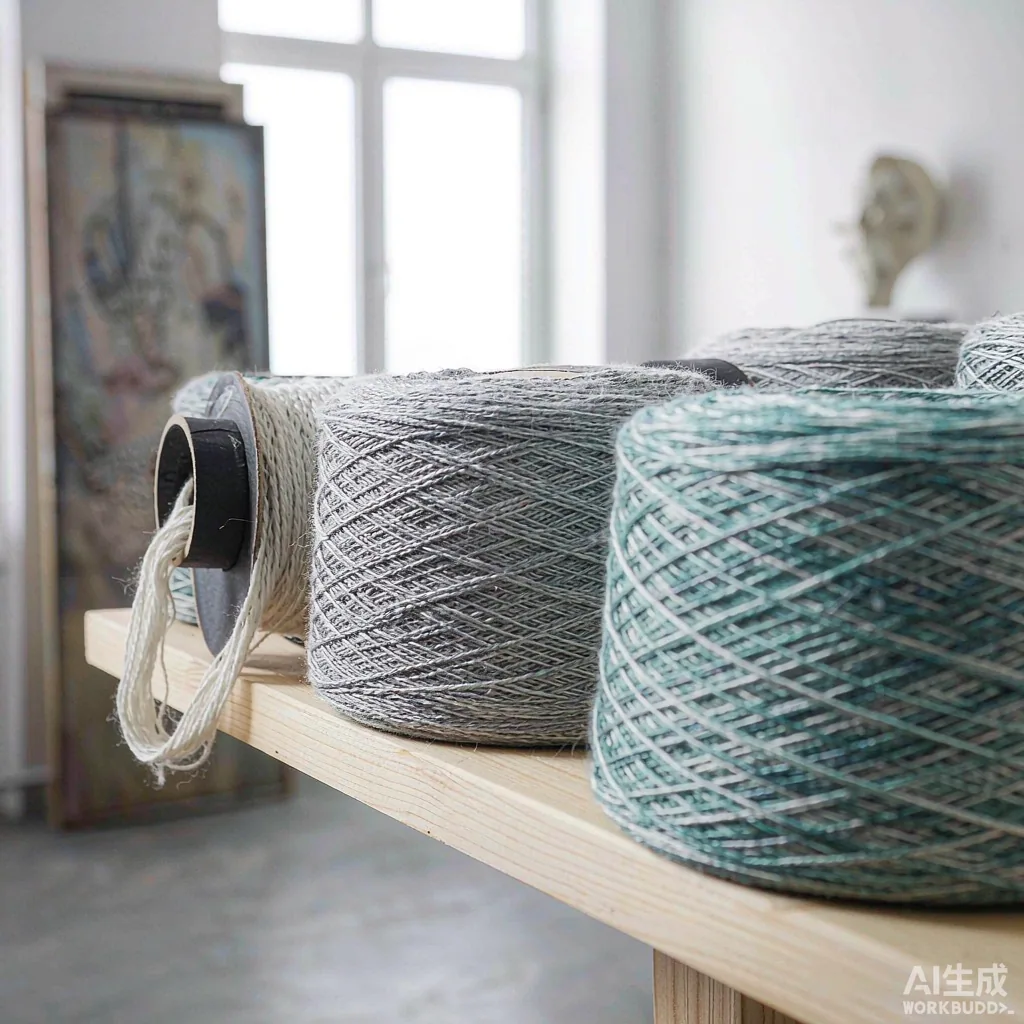
What Traceability Means on a Knit Bag Order
rPET traceability is the ability to show, document by document, that the recycled polymer claimed on a bag was actually bought, actually entered the yarn, and actually stayed attached to that bag through dyeing, knitting and assembly. It is not a certificate on a wall and it is not a percentage on a hangtag. It is a chain of documents in which every link names the same batch, the same mass and the same percentage, and a programme is traceable only if that chain has no gap.
The distinction that trips buyers up most often is between certifying a site and certifying a shipment. A scope certificate says a facility is audited and allowed to process certified material. A transaction certificate says this particular consignment of this particular mass moved between two certified parties. Only the second document travels with the goods, and only the second one will survive a retailer asking about the specific order in front of them.
For a knit bag programme the chain has four stages: flake or pellet, yarn, knitted panel, finished bag. Each stage has its own document and its own mass figure, and the percentage claimed at the end has to be consistent with the percentage bought at the start. Most traceability failures are not fraud; they are a stage in the middle that kept no record, usually the dyehouse or the assembly floor.
- Claimed recycled content
- 30 percent of yarn mass, stated on every document
- Yarn input per tote
- about 255 g
- Recycled polymer per tote
- about 77 g at a 30 percent claim
- Chain stages
- four: pellet, yarn, panel, finished bag
- Documents per shipment
- one transaction certificate minimum
- Programme data
- 100 pcs per style and colourway, 7 working days sampling, 30 days bulk
The Five Documents to Collect Before Bulk Starts
- Scope certificate for the yarn route. It names the process category and the certified material the site may handle. Without it no downstream document can be issued at all, so it is the gate on everything else.
- Scope certificate for the dyehouse and the knitting floor. Two more sites, two more certificates. A chain with a certified spinner and an uncertified dyehouse is broken, and the break is invisible unless someone asks.
- Purchase and sales records for the certified input. These carry the mass and the batch number, and they are what the mass balance sheet is later built from. Collect them as they are raised, not at the end.
- A lot numbering rule agreed in writing. Buyer, spinner, dyehouse and knitting floor all use the same lot reference for the same material. An unwritten rule means four different numbering systems and no way to join them.
- The claimed percentage, fixed and stated once. Decide 30 percent or 50 percent before bulk and hold it. A percentage that changes between the yarn document and the bag document is the most common reason a claim is rejected.
Scope Certificate: What It Covers and What It Does Not
A scope certificate is issued to a site after an audit and lists the certified materials that site is permitted to process and the process categories it is permitted to perform. It carries an expiry date and has to be re-issued after the next audit. It is the document to check first on any rPET programme, because every downstream document depends on an unexpired scope certificate at the site that issued it.
What it does not do is prove anything about your order. A site can hold a perfectly valid scope certificate and never process a single kilogram of certified material, because the certificate confirms capability, not throughput. Buyers who check only the scope certificate are checking the wrong document, and it is worth saying plainly: the scope certificate is an entry ticket, not evidence of a shipment.
Three fields on a scope certificate are worth reading rather than filing. The process category must include what the site actually did for you, whether spinning, dyeing, weaving or knitting. The certified material list must include recycled polyester of the type claimed, post-consumer or pre-consumer. And the expiry date must fall after your production window, not merely after your sampling window, because a certificate that expires mid-bulk leaves the second half of the order undocumented.
Transaction Certificate: The Document That Moves With the Goods
A transaction certificate is issued for a specific consignment and states the product, the mass, the recycled percentage, the buyer, the seller and the related batch numbers. It is the only document in the chain that describes your goods rather than a facility's capability, and it is the one a retailer, a customs authority or a claim substantiation file will ask to see. One is required per shipment, not per programme.
Timing is the practical risk. A transaction certificate has to be applied for after the goods move, and the standard sets a deadline measured in months rather than years, so a certificate raised a year after shipment may simply not be issuable. Build the application into the handover checklist at shipment rather than leaving it to the end of the quarter, because by then the batch records are often already archived.
Read three numbers on every transaction certificate and compare them with your own. The mass should reconcile with the yarn input your bag uses: at 255 g per tote, a 12,000 piece order consumes roughly 3,060 kg of yarn, plus waste. The percentage should equal the percentage on your specification. And the batch numbers should appear on the yarn cones or on the packing documents, because a certificate with no matching physical lot marking is a certificate about somebody else's material.
| Document | What it proves | Issued for | Common failure |
|---|---|---|---|
| Scope certificate | A site is audited and permitted to process certified material | A site, renewed after audit | Expired mid-bulk, or wrong process category listed |
| Transaction certificate | A named consignment of a named mass was certified material | One shipment | Applied for after the deadline, or mass does not reconcile |
| Mass balance sheet | Certified input equals certified output plus documented loss | A production period | Loss assumed rather than measured, so the sheet does not close |
| Lot records | This yarn became this fabric became this bag | A batch | Dyehouse renumbered lots, breaking the join |
| Claim statement | The percentage published matches the percentage bought | A programme | Marketing rounded 30 percent up to 50 percent |
Reading a Recycled Percentage Correctly
A recycled percentage on a bag is a percentage of something, and the something has to be named. In yarn terms it is the proportion of recycled polymer in the yarn by mass; in bag terms it is the proportion of recycled material in the whole article, which is lower, because hardware, linings, labels and thread are usually not certified. A yarn that is 100 percent recycled does not make a bag that is 100 percent recycled.
The arithmetic on a knit bag is unusually favourable, because a knitted bag has few components. A tote at 255 g of certified yarn with about 25 g of non-certified thread, label and hardware sits near 91 percent recycled content as an article. Add a polyester lining and a zip and the figure falls. State which basis you are using, yarn or article, because the two numbers can differ by 20 points on the same bag and both can be correct.
There is also a threshold question. The Global Recycled Standard sets a minimum recycled content for certification and a higher threshold before its logo may be used on a product, so a claim at 20 percent and a claim at 50 percent are treated differently in what may be published. Confirm the threshold that applies to the label artwork before the artwork is printed, not after, because reprinting a hangtag run is a real cost with a real lead time.
Mass Balance: How the Arithmetic Has to Close
Mass balance is the rule that makes a chain credible: certified input into a site must equal certified output plus documented loss, and the loss has to be measured rather than assumed. If a spinner bought 10,000 kg of certified flake and sold 9,600 kg of certified yarn, the 400 kg of difference has to appear as recorded waste, not as an unexplained gap. An auditor will follow that gap, and an unexplained one invalidates the chain behind it.
On a knit bag programme the loss figures are knowable and worth stating in advance. Knitting waste on a shaped panel runs about 2 to 4 percent of yarn input; yarn breaks and cone remnants add around 1 percent; dyeing loses a little mass in scouring. A realistic total loss from yarn to finished bag is about 6 to 8 percent, and a mass balance sheet showing 25 percent loss is a sheet that needs explaining.
The practical step is to ask for the mass balance sheet covering your production period, not a generic one. It should show your batch number, your input mass and your output mass, and it should be dated inside your production window. A sheet from a different period, or one with no batch reference, tells you nothing about your order however tidy its arithmetic looks.
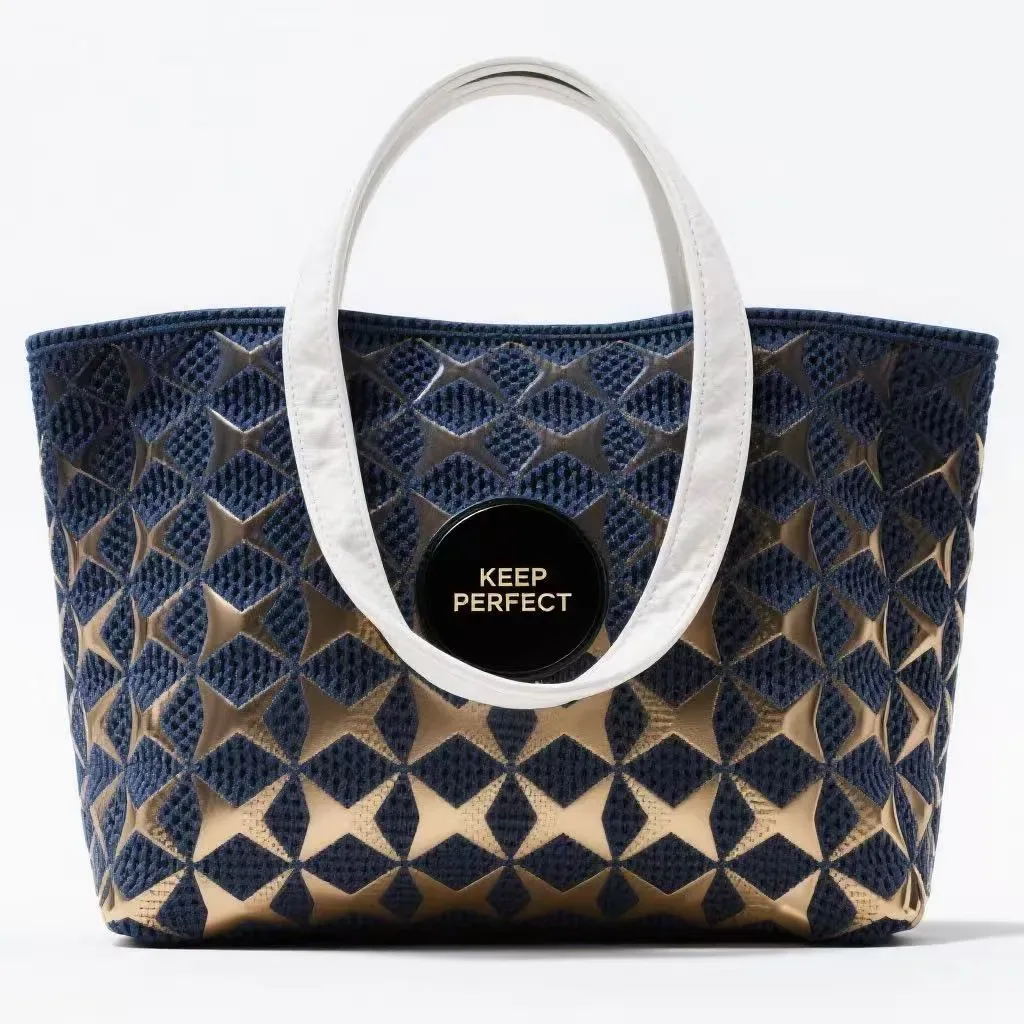
Lot Numbers, Dye Lots and Keeping the Chain Unbroken
The chain breaks most often at the dyehouse, because dyeing is where a certified yarn lot gets split, blended and renumbered. A dyehouse receiving two certified lots may combine them into one bath for shade consistency, which is technically acceptable if recorded, but it usually is not recorded, and afterwards no one can say which bag came from which lot. Require in writing that certified lots are kept separate through dyeing.
The same applies at knitting. If certified and non-certified yarn run on adjacent machines with no physical separation, the risk is not deliberate substitution but simple mix-up: a cone picked up from the wrong rack. Physical separation of certified yarn in a marked area, and a knitting plan that names the lot per machine, solves this at almost no cost and is the most effective control in the whole chain.
Sampling deserves a note, because sample rounds rarely carry certificates and buyers rarely notice. If a sample bag is made from certified yarn and no transaction certificate is raised for it, that is normally fine, since sampling is not a commercial shipment. But if the approved sample is later used as the reference for bulk and the bulk yarn is a different lot, the reference no longer matches the goods, and a shade or handle dispute follows.
Where Traceability Breaks in Real Programmes
Expired scope certificate
A certificate valid at sampling can expire mid-bulk. Check the expiry against the 30 day production window, not the 7 working day sampling window.
Uncertified dyehouse
The most common break. A certified spinner feeding an uncertified dyehouse produces a chain that cannot be documented past the yarn stage.
Blended dye lots
Two certified lots combined in one bath with no record. Afterwards nobody can say which bag came from which lot, and the chain stops.
Late certificate application
Transaction certificates have a deadline measured in months. Apply at shipment; a year-old consignment may not be certifiable at all.
Percentage drift
Thirty percent on the yarn document, 50 percent in the marketing copy. The claim is judged on the weaker evidence, not the stronger.
Unrecorded waste
A mass balance sheet with an assumed loss figure does not close. Expect 6 to 8 percent total loss from yarn to finished bag.
A Traceability Checklist by Programme Stage
- At quotation: fix the claimed percentage and the basis, yarn or article, and write both into the specification.
- At yarn booking: obtain the spinner's scope certificate and confirm the process category and the expiry date.
- At sampling: confirm the dyehouse and the knitting floor hold their own scope certificates before the first lot moves.
- Before bulk: agree the lot numbering rule in writing across all four stages of the chain.
- During bulk: require certified yarn to be physically separated in a marked area on the production floor.
- At each shipment: apply for the transaction certificate at handover, and compare mass, percentage and batch numbers against your own records.
- At inspection: add a documentation check to the AQL 2.5 inspection under ISO 2859-1 so the paperwork is treated as part of the delivery.
- After delivery: file the certificates with the batch numbers so a claim made two seasons later can still be evidenced.
What Traceability Does Not Do
Traceability proves the recycled content of material, and nothing else. It does not prove that the bag was made under acceptable labour conditions, which is what a social audit such as a BSCI audit for bag programmes covers, and it does not prove that the material is free of restricted substances, which is what restricted substance testing covers. Buyers frequently treat one certificate as covering all three, and it does not.
It also does not settle the carbon question. A recycled yarn has a lower fibre factor than virgin, which is the subject of the carbon footprint of a knitted bag, but the certificate itself contains no emissions data. Where a buyer wants both a recycled claim and a footprint figure, they are two workstreams with two sets of evidence, and they should be planned as such from the start.
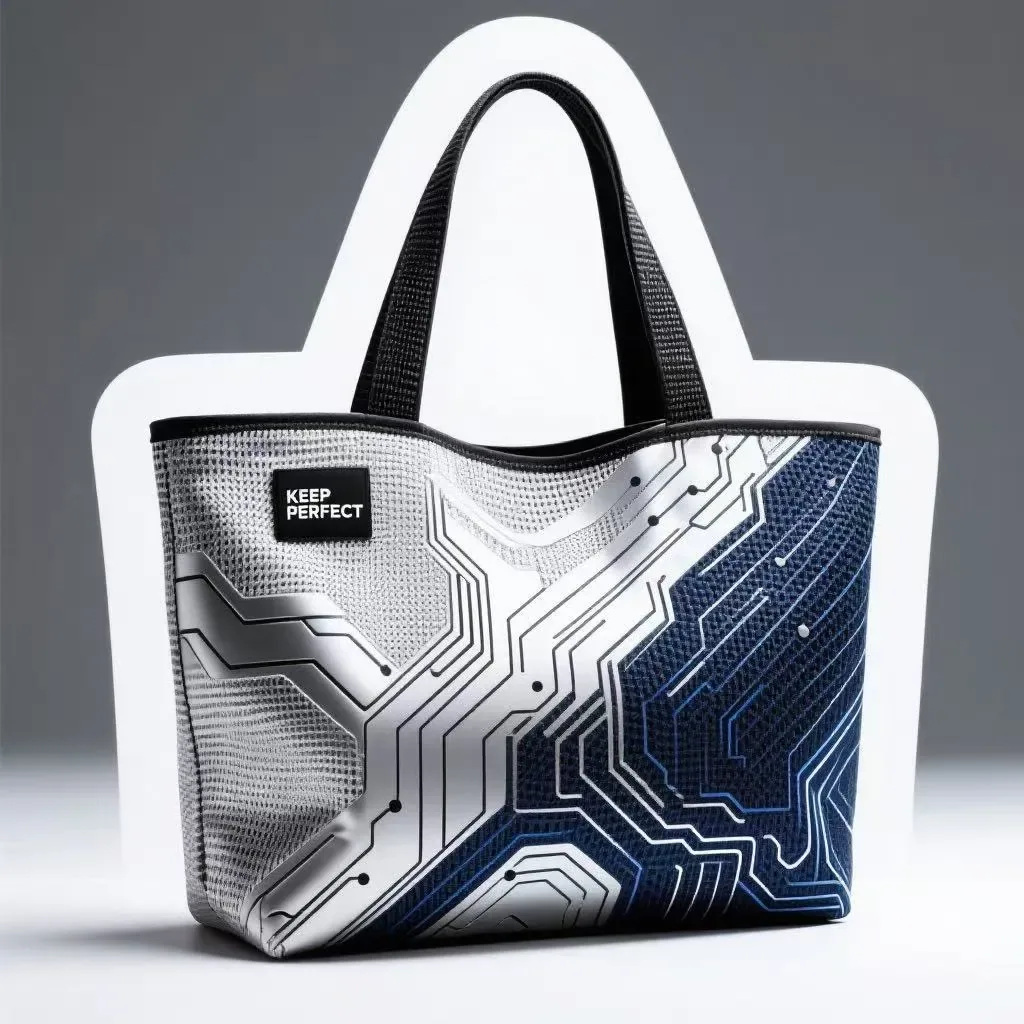
Asking for the Evidence Without Slowing the Order
The reason traceability is skipped is that it looks like added lead time, and on a programme running 7 working days sampling and 30 days bulk there is no spare time. The way to avoid that is to request the documents in the order the programme needs them rather than all at once: scope certificates at quotation, lot rule before bulk, transaction certificates at each shipment. Nothing in that sequence adds a day.
The one request that does add time is a mid-programme change of claimed percentage, because it forces the yarn to be re-booked and the chain restarted. Decide the percentage once, at quotation, and treat it as a locked specification line alongside yarn, gauge and fabric mass. Programmes that treat it as a marketing detail to settle later are the ones that end up with documents that disagree.
Traceability in one line
- Fix the percentage and the basis at quotation, collect scope certificates before bulk keeps material moving, and raise a transaction certificate at every shipment.
Set up an rPET traceability file
Send the target recycled percentage and the bag type. We will confirm the certificate chain across yarn, dyeing and knitting, and quote FOB Xiamen at 100 pcs per style and colourway with 7 working days sampling and 30 days bulk. Start on the contact page.
Frequently Asked Questions
What is rPET traceability?
It is the documented chain showing that recycled polymer claimed on a bag was bought, entered the yarn, and stayed attached through dyeing, knitting and assembly. Every document in the chain has to name the same batch, the same mass and the same percentage, and the programme is only traceable if that chain has no gap.
What documents are needed for an rPET bag claim?
Five: scope certificates for each site in the chain, a transaction certificate per shipment, lot records linking yarn to fabric to bag, a mass balance sheet whose arithmetic closes, and a claim statement fixing the percentage and whether it is measured on yarn or on the finished article.
What is the difference between a scope certificate and a transaction certificate?
A scope certificate says a site has been audited and may process certified material; it proves capability, not throughput. A transaction certificate describes a specific consignment of a specific mass and is the only document that moves with the goods. Check both, but only the second evidences your order.
How much recycled polymer is in a bag with a 30 percent claim?
About 77 g, on a yarn input of roughly 255 g for a mid-weight knitted tote. Stated as an article percentage the figure is usually lower still, because thread, labels and hardware are normally not certified, so always name which basis is being used.
What recycled percentage can be claimed on a bag?
Whatever the yarn document supports, stated on the same basis every time. The Global Recycled Standard sets a minimum recycled content for certification and a higher threshold before its logo may be used, so confirm which threshold applies before hangtag artwork is printed.
What is a mass balance sheet?
A record showing that certified input into a site equals certified output plus documented loss. Loss must be measured, not assumed. On a knit bag programme, knitting waste of 2 to 4 percent plus cone remnants and dyeing loss gives a realistic total of about 6 to 8 percent.
Where does the certification chain usually break?
At the dyehouse. Certified lots are combined in one bath for shade consistency and renumbered with no record, after which nobody can say which bag came from which lot. Require in writing that certified lots stay separate through dyeing, and separate them physically at knitting too.
How long does a transaction certificate take?
It is applied for after the goods move and the standard sets a deadline measured in months rather than years, so raising one a year after shipment may not be possible. Build the application into the shipment handover checklist rather than a quarterly review.
Do sample bags need a transaction certificate?
Usually not, because sampling is not a commercial shipment. The risk is different: if the approved sample is made from one lot and bulk from another, the reference no longer matches the goods and a shade or handle dispute follows with no agreed reference.
Does a recycled certificate cover labour conditions?
No. It proves recycled content and nothing else. Labour conditions require a social audit such as a BSCI or SMETA assessment, and chemical safety requires restricted substance testing. Buyers often treat one certificate as covering all three areas, and it does not.
Does rPET certification prove a lower carbon footprint?
It does not contain emissions data. Recycled polyester does carry a lower fibre factor than virgin, roughly 2.0 to 3.0 against 4.5 to 6.0 kg CO2e per kg, but that is a separate calculation with separate evidence and should be planned as its own workstream.
Does traceability add lead time to a bag programme?
Not if the documents are requested in programme order: scope certificates at quotation, the lot numbering rule before bulk, transaction certificates at each shipment. What does add time is changing the claimed percentage mid-programme, because the yarn has to be re-booked.
How should certified yarn be handled on the production floor?
Kept physically separate in a marked area, with a knitting plan that names the lot per machine. The risk is not deliberate substitution but simple mix-up, a cone taken from the wrong rack. Separation costs almost nothing and is the most effective control in the chain.
How long should traceability documents be kept?
Long enough to answer a claim made two seasons later, because a retailer may ask about a bag long after the order closed. File certificates against batch numbers at delivery rather than by order date, so a later enquiry can be answered from the folder rather than from memory.
People Also Ask
What documents prove recycled content in a bag?
A scope certificate for each site, a transaction certificate per shipment, lot records linking yarn to finished bag, a mass balance sheet with measured loss, and a fixed claim statement naming the percentage and the basis.
Is a scope certificate enough to prove a recycled claim?
No. It proves an audited site is permitted to process certified material, not that any certified material moved. A site can hold a valid scope certificate and never process a single kilogram.
What percentage of recycled content can be claimed on a bag?
Whatever the yarn documentation supports, stated consistently on yarn or article basis. A yarn that is 100 percent recycled does not make a 100 percent recycled bag once thread, labels and hardware are counted.
How much material loss is normal from yarn to bag?
About 6 to 8 percent: roughly 2 to 4 percent knitting waste, around 1 percent cone remnants, and a little loss in scouring. A mass balance sheet showing 25 percent loss needs explaining.
Does recycled certification cover labour standards?
No. Labour conditions need a social audit such as BSCI or SMETA, and chemical safety needs restricted substance testing. One certificate does not cover all three, though buyers often assume it does.
Sources and further reading
Every figure on this page is either our own programme data or attributed below. Open the originals before you write them into a specification.
- Textile Exchange standardsTextile Exchange The recycled-content standards behind scope and transaction certificates, and the thresholds that govern what a claim may state.
- OEKO-TEX STANDARD 100OEKO-TEX Restricted substance testing, which recycled certification does not cover and which still has to be run on recycled yarn.
- amfori sustainability and social audit platformamfori Social audit route referenced here; recycled content certification carries no labour assessment of its own.
- ISO 2859-1 Sampling procedures for inspection by attributesISO The AQL 2.5 inspection plan, where a documentation check can be added as a defect class.
- Directive (EU) 2024/825 on empowering consumers for the green transitionEuropean Union The rules that make an unsubstantiated recycled claim a compliance issue rather than only a marketing one.