Custom Knit Bags: From Buyer Brief to Tech Pack, Sample, Colour Match, Bulk Production and Reorder
Custom knit bags are developed along three routes: adapt an existing knitted body, modify the structure, or build a new silhouette from the knit file up. The route you choose decides the development window, the sampling rounds and the first-drop unit cost far more than any single material choice. The commercial frame stays fixed whatever the route: MOQ 100 pcs per style or colourway, sampling in 7 working days, bulk production in 30 days, inspection to AQL 2.5 under ISO 2859-1, shipped FOB Xiamen with CIF and DDP quoted on request.
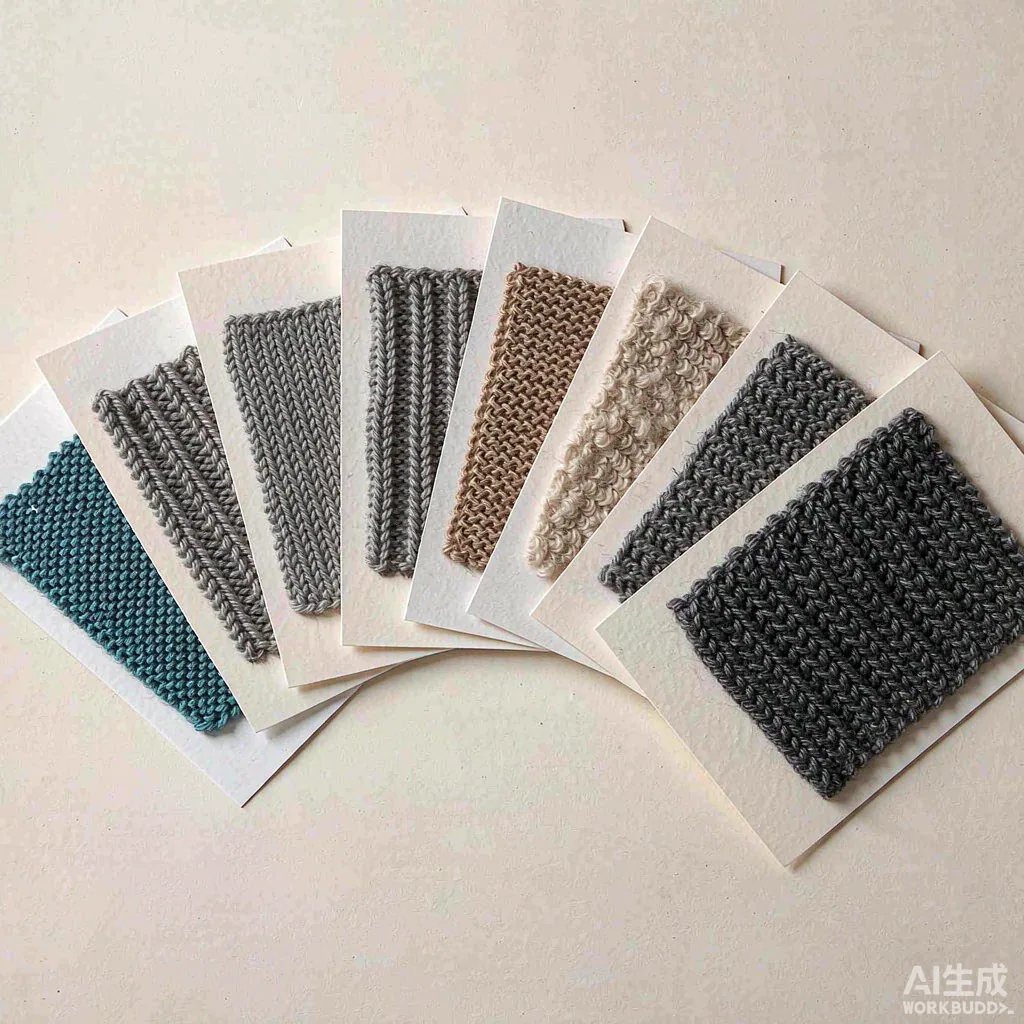
Three Routes to Custom Knit Bags, Compared Line by Line
There are exactly three ways to commission custom knit bags, and every brief falls into one of them once you know what is being changed. Adapt means taking an existing knitted body and changing artwork, colourway and trims. Modify means keeping the yarn platform but changing panel shaping, closures or reinforcement. Develop means writing a new knit file for a silhouette that does not exist yet. The matrix below compares them across the six decision lines buyers actually argue about.
| Decision line | Adapt an existing body | Modify the structure | Develop a new silhouette |
|---|---|---|---|
| What changes | Artwork, colourway, labelling, trims | Panel shaping, openings, reinforcement zones | The knit file itself, then everything downstream |
| Development window | Sampling inside the standard 7 working days | 7 working days plus one fit round | 7 working days per round, usually two rounds |
| Minimum per style | MOQ 100 pcs per style or colourway | MOQ 100 pcs per style or colourway | MOQ 100 pcs advised at 200 pcs for the first drop |
| Unit cost effect | Lowest of the three | Typically 10% to 18% above adapt | Typically 25% to 40% above adapt, then it falls |
| Where it wins | Seasonal recolours and gifting drops | Most custom briefs in travel and fitness | Flagship styles with a planned 18 month life |
| Best for | Recurring programmes needing speed | Brands wanting a shape of their own | Buyers protecting a silhouette from copying |
Read the matrix as a route choice rather than a price list. Roughly two thirds of custom knit bag briefs land in the middle column, because that is where a buyer gets a shape nobody else has without paying for a full knit file development.
Seasonal recolour
Adapt route. Existing body, new Pantone target per drop, same 7 working day sampling and the same 30 day production window with no new engineering.
Travel programme launch
Modify route. A duffel derived from an existing file with a different zip placket and a longer strap path, one fit round added.
Flagship retail silhouette
Develop route. A new knit file, two sampling rounds, and usually a higher first drop so the development work amortises properly.
Corporate gifting duffel
Adapt route with heavy branding. The body stays standard; the spend goes into jacquard, labelling and the documents pack.
What Your Brief Must Contain Before Anyone Can Quote
A quotable brief answers eight questions, and missing any one of them turns a same-day quote into a week of email. The most common gap is not dimensions but load: without a carried weight nobody can choose a handle reinforcement level, and every quote has to assume the heaviest, safest, most expensive version.
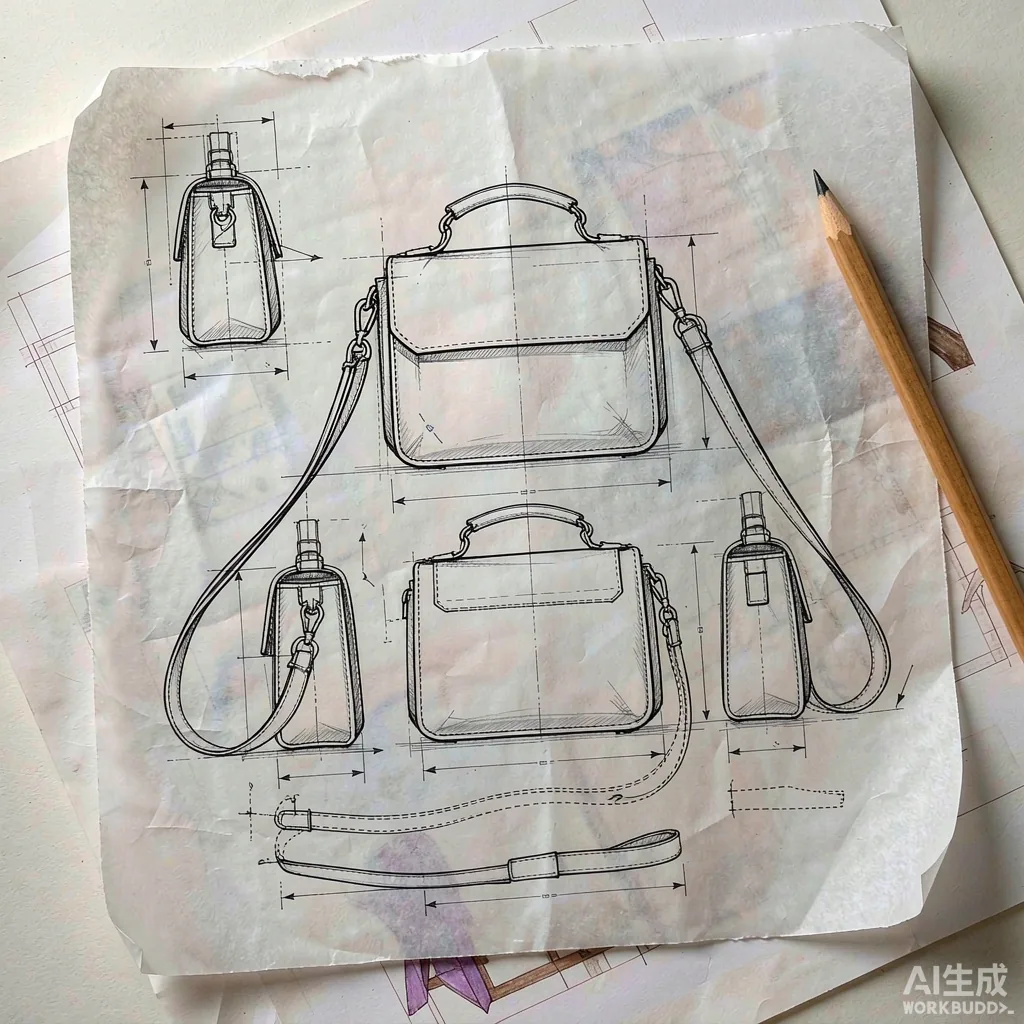
- Silhouette with a sketch or reference image, showing the proportions rather than just the style name.
- Capacity in litres, or the device size where the bag carries electronics.
- Normal carried load in kilograms, which drives every reinforcement decision downstream.
- Closure choice: zip, drawcord, magnetic snap or open top, with the tape or slider specification if known.
- Colour target per colourway, ideally a Pantone TCX reference plus a physical swatch.
- Branding method: jacquard knit, woven label, heat transfer print or metal badge.
- Quantity per style, split per colourway, plus realistic repeat volume for the next season.
- Incoterm and destination port, so the quote can be built FOB Xiamen, CIF or DDP from the start.
The Six Numbers That Decide the Unit Cost
Unit price on custom knit bags is set by six variables in a predictable order: yarn count, gauge, gsm, body area, trims, and quantity per colourway. Yarn and gsm together usually account for more than half the material line, while quantity changes how the fixed set-up cost of the knit file and colour change is spread. Understanding the ranking lets you cut cost where it does the least damage.
- Yarn count
- 300D rPET for light shapes, 600D rPET for heavy carry shapes
- Gauge band
- E7 coarse and economical, E12 the default, E14 fine detail
- Fabric weight
- 320 gsm at E14, 420 gsm at E12, 520 gsm at E7
- Body area
- Every extra litre of capacity adds measurable yarn; a 22 L shopper eats about 30% more yarn than a 14 L tote
- Trims and hardware
- One full-length zip and one metal badge can add more than the body fabric on a small pouch
- Quantity per colourway
- MOQ 100 pcs minimum; set-up spreads further from about 300 pcs upward
As a worked reference, a 12 L knitted tote at E12 with 600D rPET, a jacquard logo and no metal hardware quotes around USD 4.80 FOB Xiamen at 300 pcs. Move to E7, drop the jacquard to a woven label and add nothing else, and the same body lands materially lower. Neither figure survives contact with a zip and a metal badge, which is why buyers should always quote the trimmed version, not the naked one.
Tech Pack: What Gets Written Down and Why It Saves Money
A tech pack converts opinions into tolerances. Every line that is written down is a line that cannot be argued about later, and the two pages that matter most are the dimension sheet and the construction sheet. Most disputes in custom knit bag programmes trace back to a detail that everyone agreed on in conversation and nobody recorded.
- Dimension sheet with tolerance bands per measurement, typically plus or minus 2 mm below 400 mm.
- Yarn specification: fibre, count in denier, recycled content percentage and the certification reference.
- Gauge and courses per centimetre, plus the loop length target that keeps panels consistent.
- Stitch structure per zone, including reinforcement zones drawn on the sketch.
- Colour references with the agreed illumination and the acceptable deviation figure.
- Trim and hardware list with finishes and cycle count expectations.
- Test protocol: the standard number, the method and the pass mark for each test.
- Packing specification, carton count and shipping marks.
Colour Matching: From Pantone Reference to Knitted Reality
Colour is where most first samples disappoint, mostly because a dyed-yarn knit reads differently from a printed swatch. Loop structure scatters light, so a knitted panel looks lighter and less saturated than the same dye lot as flat fabric. Send both the Pantone reference and a physical swatch, and agree the acceptable deviation before the first knitting rather than after seeing the sample.
- Reference standard
- Pantone TCX reference plus a physical swatch, supplied together
- Assessment light
- D65 primary cabinet light, with a secondary store light agreed in advance
- Acceptable deviation
- Delta E 1.5 or better against the approved reference
- Lab dip rounds
- Normally two rounds inside the 7 working day sampling window
- Dye lot control
- One dye lot per colourway per production order to avoid panel shading
- Recycled yarn note
- Recycled content shifts the achievable shade window slightly; agree this early
A loop is three-dimensional: it reflects light differently from a flat swatch of the same yarn. Approve colour on a knitted swatch rather than on yarn wound on a card, and never approve a colourway from a photograph sent by phone.
Logo, Labels and Hardware: Where the Real Minimum Comes From
The body can be knitted at MOQ 100 pcs, but the branding and hardware may not be able to follow. A jacquard logo lives inside the knit file and carries no extra minimum at all, while a custom metal badge, a moulded puller or a printed zip tape each come with their own tooling and their own economy of scale. Plan branding before you promise a colourway split, or the smallest colourway will carry the highest unit cost.
- Jacquard knit logos: no extra minimum, no added operation, best resolution at E12 or finer.
- Woven labels: normally stocked in low volumes, cost-friendly, and easy to re-order per season.
- Heat transfer prints: low minimum but require a flatness test on open knit structures before committing.
- Custom metal badges and pullers: expect tooling and a separate minimum set by the trim source.
- Printed or dyed zip tapes: the most underestimated item in the schedule, and the most likely to delay a first sample.
Sampling Workflow: Prototype, Fit Sample, Salesman Sample, Sealer
Sampling on custom knit bags follows four steps and only rarely needs all four. A prototype proves the structure, a fit sample proves the dimensions, a salesman sample is the one shown to the buyer's own retail accounts, and the sealer is retained for production comparison. Colour-only changes can usually be merged into whichever step is next in the queue.
- Prototype: proves that the structure holds together and that the closure works. Usually round one of the 7 working day sampling window.
- Fit sample: dimensioned against the tech pack, checked for capacity, internal fit or any rigid item the bag must accept.
- Revision round: adjustment of loop length, shaping or reinforcement based on the fit report, not another structural guess.
- Salesman sample: built from production-intended yarn so that retail accounts approve the real article.
- Sealer: signed, dated and retained by both sides as the reference for AQL 2.5 inspection and for reorders.
From Purchase Order to Vessel: The 30-Day Plan
Bulk runs 30 days from purchase order to goods ready at Xiamen, and the plan only works if yarn is booked early. Yarn availability, not machine time, is the constraint that most often pushes a knit programme off schedule, particularly on recycled counts where lots are smaller and certification documents travel with the lot.
- Day zero to day three: yarn lot booked against the order, colour standard confirmed against the sealer.
- Day four to day ten: knitting scheduled on one of the 7 available lines, with the first-off panel dimension-checked.
- Day eleven to day eighteen: closing, trims and labelling, plus the first inline inspection against the tech pack.
- Day nineteen to day twenty-four: finishing, steam boarding if specified, and packing to the agreed carton count.
- Day twenty-five to day thirty: final inspection to AQL 2.5 under ISO 2859-1, report issued, release for loading FOB Xiamen.
Compliance and Documentation Pack for a Custom Programme
Documentation decides whether a shipment clears and whether a retail buyer accepts it. The right time to collect documents is during sampling, not during packing, because a missing test report in the last week costs more than the whole development cycle. Every document below should be listed on the tech pack so nobody has to remember it later.
Document set requested most often
- OEKO-TEX STANDARD 100 certificate covering the yarn and the finished knit body.
- GRS transaction certificate where recycled content is being claimed on the label.
- REACH declaration against Annex XVII entries relevant to textile articles.
- California Prop 65 assessment where goods ship into that market.
- CPSIA children's product documentation where the bag is intended for children.
- Social audit report such as Sedex SMETA or amfori BSCI for retail account onboarding.
Reorders, Version Control and Colourway Splits
A custom knit bag programme only pays for itself on the second and third drop, so version discipline is a commercial control, not admin. Every sample, every revision and every colourway split should carry a version number that survives contact with a new purchasing assistant on either side. Ask for the file version to be recorded on every invoice, because that single habit removes most repeat-order disputes about what was actually approved.
Where Custom Programmes Go Wrong, and the Fix for Each
Eight failure patterns account for nearly every custom knit bag programme that overruns. They are listed here in rough order of how often they happen, with the fix that costs nothing and only needs doing earlier than it usually is.
- Colour approved from a screen rather than a knitted swatch. Fix: approve on a knit swatch under D65 light, always.
- Load not specified, so the quote assumed the heaviest reinforcement. Fix: state kilograms carried.
- Hardware chosen after the body was sampled, forcing a second round. Fix: specify trims in the first brief.
- Recycled content claimed before the transaction certificate exists. Fix: book certification during sampling.
- Two colourways treated as one order and invoiced as two. Fix: state MOQ per style and per colourway up front.
- Order placed against yarn availability rather than availability checked first. Fix: book the yarn lot on day zero.
- No retained sealer, so nobody can agree what was approved. Fix: keep a signed sealer per colourway.
- Packing and carton marks left to the last week. Fix: put the packing specification on the tech pack.
Start a custom knit bag programme
Send the silhouette, capacity, carried load and colour targets. We return a completed tech pack skeleton, the route recommendation and a firm FOB Xiamen quote in the first reply. Start on the contact page.
Costing a Custom Programme Without Surprises
The lowest-cost part of a custom knit bag programme is the decision phase, and the most expensive part is a change made after the knit file has been written. Do the hard thinking while everything is still lines on a sketch: capacity, load, closure, colour standard and branding method. Once those five are locked, the remaining 30 days are simply execution. For related reading: knit bag materials and yarns, knit bag quality control and testing, seamless knit bag construction and knit bag sourcing.
Frequently Asked Questions
How do custom knit bags differ from standard catalogue knit bags?
Standard catalogue bodies are fixed shapes offered with a choice of colour and trim. Custom knit bags change either the artwork and colourway, the panel structure and reinforcement, or the knit file itself for a new silhouette. Each step buys more exclusivity and adds development time, while all three keep the same 30 day bulk production window and MOQ 100 pcs.
What is the minimum order for custom knit bags?
MOQ is 100 pcs per style and per colourway across all three development routes. Three colourways of one style therefore book as 300 pcs. For fully developed silhouettes, a first drop of around 200 pcs is advisable, so the knit development cost spreads over a quantity that makes commercial sense.
How long does a custom knit bag sample take?
Sampling takes 7 working days from an approved brief. Adapt-route samples usually complete inside that window, structural changes typically need one additional fit round, and fully developed silhouettes generally run two rounds. Colour-only revisions can often be folded into whichever round is already queued rather than adding time.
What information must a knit bag brief contain?
Eight items make a brief fully quotable: silhouette sketch, capacity in litres or device size, normal carried load in kilograms, closure choice, Pantone target per colourway, branding method, quantity split per colourway, and destination incoterm. Missing any one leads to assumptions, and assumptions are priced conservatively, which pushes the first quote up.
Can a logo be knitted directly into the bag body?
Yes, and it is usually the most durable and the most volume-friendly option. A jacquard logo sits inside the knit file, adds no extra operation and carries no additional minimum order. Resolution improves at E12 and finer, so small text and thin strokes should be redesigned rather than simply reduced in size.
How is colour matched on recycled yarn?
Supply both a Pantone TCX reference and a physical swatch, then approve against a knitted swatch rather than against yarn wound on a card. Recycled content narrows the achievable shade window slightly, so agree a realistic deviation before knitting starts; a Delta E target of 1.5 assessed under D65 light is a practical working figure.
Who owns the knit file after development?
File ownership should be stated on the tech pack before work starts. In most arrangements the file stays with the production partner and the buyer holds exclusivity on the silhouette for an agreed period, which is usually the more sensible commercial outcome for both sides. Ask for the file version to be recorded on every invoice.
Can a custom programme mix several silhouettes in one order?
Yes, because all shapes run on the same yarn platform and gauge family. A single order can carry a tote, a pouch and a duffel with MOQ 100 pcs met per style or per colourway. This is how most first drops are built: enough variety to test a market without paying twelve separate development charges.
What does a custom knit bag cost per unit?
Unit price is driven by yarn count, gauge, gsm, body area, trims and quantity per colourway, in that rough order of influence. As a reference point, a 12 L tote at E12 with 600D rPET and a jacquard logo quotes around USD 4.80 FOB Xiamen at 300 pcs. Trims and hardware can outweigh the body fabric on smaller shapes.
How many sampling rounds should a project plan for?
Plan two rounds for anything structural and one for anything else. Within the 7 working day sampling window this keeps research and development predictable and avoids the trap of approving a sample that has not been checked for capacity, fit or closure behaviour. Structure first, colour immediately after, always using production-intended yarn.
Which documents should be booked during sampling?
Book OEKO-TEX STANDARD 100 for the yarn and finished body, a GRS transaction certificate where recycled content will be claimed, a REACH declaration against the relevant Annex XVII entries, California Prop 65 assessment for that market, and CPSIA documentation for children's items. Collecting these during sampling avoids a bottleneck in the final week before loading.
What happens on a reorder of the same custom style?
A reorder runs from the stored file version and the retained sealer rather than from a fresh development. Bulk production takes 30 days, inspection runs to AQL 2.5 under ISO 2859-1, and MOQ 100 pcs applies again. Version numbers recorded at every stage mean the repeated article matches what was originally approved, including colour standard and yarn lot.
People Also Ask
Are custom knit bags expensive to develop?
Development cost tracks the route: adapting an existing body costs least, modifying the structure typically adds 10% to 18% on unit cost, and developing a new silhouette adds 25% to 40% on the first drop before it amortises on later drops.
Can small brands order custom knit bags?
Yes. With MOQ 100 pcs per style or colourway, a small brand can test three colourways for 300 pcs total. The low minimum exists because all shapes share one yarn platform, so there is no separate fabric run to recover.
What is the fastest route to a custom knit bag sample?
The adapt route, using an existing body with new artwork and colourway, delivers a sample inside the standard 7 working day window with no additional fit rounds, provided trims and colour targets are supplied with the brief.
Why do custom knit bag quotes vary so widely?
Quotes vary because they answer different questions. A quote without a stated carried load assumes the heaviest reinforcement, and one without trim details assumes standard hardware. Two quotes on the same bag can differ 20% simply on these unstated assumptions.
Do custom programmes include third-party testing?
Any standard can be written into the tech pack and tested by an accredited laboratory: ISO 12947-2 abrasion, ISO 13934-1 tensile, AATCC TM8 rubbing and AATCC TM61 laundering are the usual set, alongside AQL 2.5 inspection before shipment.
Sources and further reading
Every figure on this page is either our own programme data or attributed below. Open the originals before you write them into a specification.
- ISO 2859-1 Sampling procedures indexed by acceptance quality limitISO The standard governing the AQL 2.5 pre-shipment inspection applied to custom knit bag lots.
- OEKO-TEX STANDARD 100 product testing for harmful substancesOEKO-TEX Certificate most often requested for the yarn and finished knit body in a custom programme.
- The Consumer Product Safety Improvement ActUS Consumer Product Safety Commission Sets testing, certification and tracking requirements where a knit bag is intended for children.
- SMETA audit methodology and four-pillar scopeSedex Social audit most commonly requested during retail account onboarding for a custom programme.
- AATCC standard test methods and proceduresAATCC Reference for AATCC TM8 rubbing and TM61 laundering fastness used to confirm colour approval.
Continue with custom solutions for the full programme list, or read knit bag packaging and branding before you fix the carton specification on a seasonal drop.