Knitted Bag Colour Fastness by Yarn: A Comparison Matrix for Rubbing, Washing, Light and Perspiration
Which yarn holds colour best in a knitted bag? Polyester leads on light, reaching grade 5 to 6 to ISO 105-B02 against nylon's grade 4, and it also leads on rubbing, at 4 to 5 dry and 3 to 4 wet to AATCC TM8. Nylon takes deeper shades at lower dyeing temperature but is more prone to wet crocking. Blends sit between the two. MOQ 100 pcs, sampling 7 working days, bulk 30 days, FOB Xiamen.

Four Colour Risks a Knitted Bag Actually Faces
Four exposures account for almost every colour complaint on a knit bag: rubbing against clothing, laundering, sunlight, and perspiration or hand oils.
Rubbing is the one customers notice first, because it transfers colour onto a light shirt or a car seat. Laundering is the one that generates returns, because a bag that bleeds in the wash also stains what is washed with it. Light is the quiet one: it does not produce a complaint for months, by which time the style has already been reordered.
Each exposure has its own method and its own pass grade, and they do not correlate perfectly. A yarn can grade 4 to 5 on dry rubbing and only 3 on wet rubbing, which is why the specification should list all four rather than one representative figure.
Structure changes the picture as much as fibre does. A plain jersey presents the loop crown to whatever it rubs against, while a rib or an interlock buries more of the yarn below the surface. Two bags made from the same dyed yarn can therefore grade differently on the same test, which is why the specification should record the stitch structure alongside the yarn.
Matrix 1: Rubbing Fastness by Yarn
Rubbing fastness is graded on the grey scale from 1 to 5 to AATCC TM8 or ISO 105-X12, and the wet reading is nearly always the lower of the two.
| Yarn | Dry rubbing | Wet rubbing | Typical cause when low | Practical fix |
|---|---|---|---|---|
| Polyester, disperse dyed | 4-5 | 3-4 | Unfixed surface dye | Reduction clearing |
| Polyester, dope dyed | 5 | 5 | Not applicable | None needed |
| Nylon 6.6, acid dyed | 4-5 | 3 | Dye migration in moisture | After-treatment with fixing agent |
| Recycled cotton blend | 4 | 3 | Loose surface fibre | Enzyme wash, tighter loop length |
| rPET, disperse dyed | 4-5 | 3-4 | Same as virgin polyester | Reduction clearing |
The pattern worth remembering is that dope-dyed yarn sits at the top of the table because the pigment is inside the filament rather than on it. Where a programme has a rubbing complaint that will not go away, switching the dye route usually solves it faster than changing the fibre.
Grades are assessed against the grey scale in half steps, so a reading of 4 to 5 sits between those two full grades. Recording the half step matters, because a programme that only writes down 4 loses information that later distinguishes an acceptable lot from a failing one.
Matrix 2: Washing Fastness by Yarn
Washing fastness is graded for both colour change and staining of adjacent fabric, normally to AATCC TM61 test 2A at 40 °C.
| Yarn | Colour change | Staining | Method | Comment |
|---|---|---|---|---|
| Polyester, disperse dyed | 4 | 4 | AATCC TM61 2A | Standard expectation |
| Polyester, dope dyed | 4-5 | 4-5 | AATCC TM61 2A | Best in class |
| Nylon 6.6, acid dyed | 3-4 | 3 | AATCC TM61 2A | Needs fixing agent |
| Recycled cotton blend | 3-4 | 3-4 | AATCC TM61 2A | Softer hand, lower grades |
| rPET, disperse dyed | 4 | 3-4 | AATCC TM61 2A | Slightly below virgin |
Two grades are reported because they describe different failures. Colour change tells a buyer whether the bag goes dull or shifts hue; staining tells a buyer whether the bag ruins what it touches. Retail programmes usually set the pass line at grade 4 for change and grade 3 to 4 for staining.
Washing results also depend on the cycle count and temperature written into the test. A five-cycle test at 40 °C is the common retail request; a single cycle at 30 °C will grade higher on the same fabric and is not comparable. Always record both numbers on the specification so two quotes describe the same exposure.
Matrix 3: Light Fastness by Yarn
Light fastness is graded to ISO 105-B02 on a 1 to 8 blue wool scale, and it is the test where fibre choice matters most.
| Yarn | Light fastness | Shade sensitivity | Method | Comment |
|---|---|---|---|---|
| Polyester, disperse dyed | 5-6 | Pale shades lower | ISO 105-B02 | Safe for window display |
| Polyester, dope dyed | 6-7 | Minimal | ISO 105-B02 | Best for outdoor use |
| Nylon 6.6, acid dyed | 4 | Pale shades drop to 3 | ISO 105-B02 | Avoid prolonged sun |
| Recycled cotton blend | 4 | Variable by input colour | ISO 105-B02 | Heathers perform best |
| rPET, disperse dyed | 5 | Pale shades lower | ISO 105-B02 | Close to virgin |
Pale shades are the weak point across every fibre, because there is less colorant present to lose before the shift becomes visible. Where a programme needs a pale shade and outdoor exposure, dope-dyed polyester is usually the only specification that clears both requirements.
Light fastness is also the test most affected by shade depth. A deep navy can grade 6 where a pale stone of the same dye formulation grades 4, simply because there is more colorant present. Where a range includes both, set the pass grade per shade rather than once for the whole style.
Why Dye Class Drives Every Result
Fastness is decided by the dye class and how it is fixed, not by the fibre alone: disperse dye in polyester behaves differently from acid dye in nylon, and the fixing step matters as much as the dye.
- Polyester dye class
- Disperse, applied near 130 °C
- Polyamide dye class
- Acid, applied near 98 °C
- Rubbing method
- AATCC TM8, or ISO 105-X12
- Washing method
- AATCC TM61, test 2A at 40 °C
- Light method
- ISO 105-B02, blue wool scale
- Perspiration method
- AATCC TM15
- Grey scale for change
- 1 to 5, grade 4 typical pass
- Colour tolerance
- Delta E 1.0 virgin, 1.2 recycled
- Post-dye treatment
- Reduction clearing for polyester
- Specimen conditioning
- Standard atmosphere before assessment
Reduction clearing is the step most often skipped under time pressure, and it is the one that shows up in wet rubbing results. It removes unfixed disperse dye sitting on the fibre surface; without it, the surface dye transfers to whatever the bag rubs against, particularly when damp.
Fixing matters as much as selection. An acid dye applied to nylon at 98 °C without a fixing after-treatment will wet crock badly even though the shade looks right on the bench. Where a programme keeps failing wet rubbing, the after-treatment is the first place to look, not the fibre.
Dope Dyed Against Piece Dyed: The Fastness Gap
Dope-dyed yarn grades about one to one and a half points higher on light fastness than piece-dyed yarn of the same fibre, because the pigment is locked inside the filament during extrusion.
Light
Dope-dyed polyester reaches grade 6 to 7 against 5 to 6 for piece-dyed. The gap is largest on pale shades and on bags displayed in direct sun.
Rubbing
Dope-dyed grades 5 dry and 5 wet, because there is no surface dye to transfer. Piece-dyed polyester typically grades 4 to 5 dry and 3 to 4 wet.
Washing
Both grade around 4 for colour change, with dope-dyed slightly better on staining. The difference is smaller than for light.
Flexibility
Piece dyeing lets the shade decision move later in the season. Dope dyeing locks it in at the spinner, usually against a 300 kg minimum.
The trade is timing against performance. A programme with a stable core shade repeating every season should dope-dye it; a programme testing a new colour should piece-dye until the shade proves itself, then convert.
Dope dyeing also changes the commercial shape of a programme. Because pigment is added at the spinner, the colour must be committed before knitting starts, usually against a minimum of about 300 kg per shade. That suits a core colour with a known repeat and works against a shade that is still being tested.
Where Blends Behave Differently
A blend grades like its weakest component on each test, which is why a 50/50 recycled cotton and rPET shell needs both components assessed separately. Where a programme needs one pass figure for a blended shell, take the lower of the two component grades rather than an average, and state that convention on the purchase order.
- Rubbing — the cotton component governs, so expect grade 3 to 4 wet unless the surface is cleaned up.
- Washing — check staining on both cotton and polyester adjacent fabric, since the two fibres pick up different dyes.
- Light — test the dyed cotton component separately, as heather effects can mask a marginal result.
- Perspiration — nylon and cotton blends can shift under acidic conditions, so test at both pH values.
- Chlorinated water — relevant for pool and beach programmes, and rarely covered unless specifically requested.
The general caution is that a blend is not an average. The composite result is set by whichever component fails first on each exposure, and a specification that quotes a single figure for a blended shell hides that.
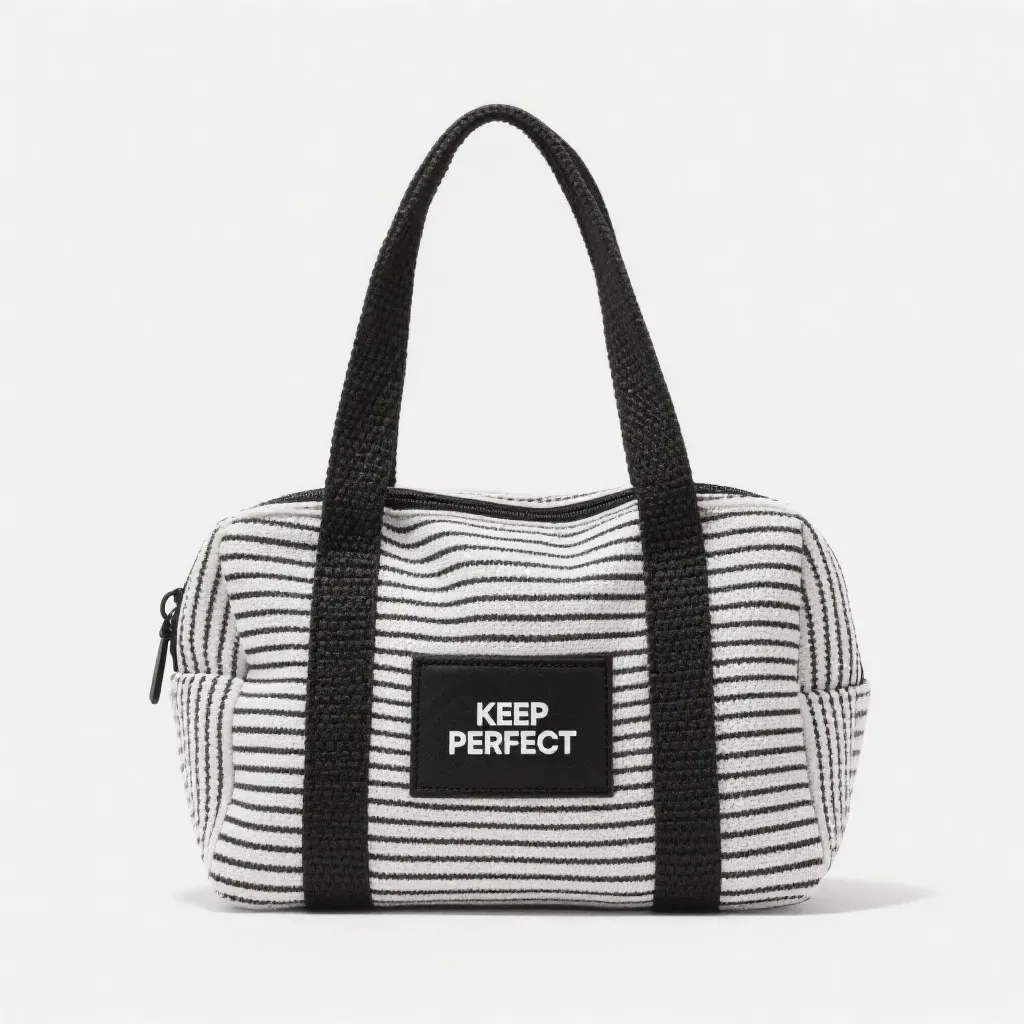
For a blended shell, the practical approach is to test each component separately and then test the composite. The lower of the two component grades is what the composite will tend towards, and knowing which fibre is holding the result back tells a buyer where to spend money.
Reading a Lab Report Correctly
A usable lab report names the method, the test conditions, the specimen description and the grade for both colour change and staining — anything less cannot be compared against a specification.
Three checks catch most problems. Confirm the method matches the one named on the tech pack, because ISO and AATCC methods differ in ways that move the grade. Confirm the specimen is the finished fabric rather than the yarn, since structure affects the result. And confirm the report states both change and staining, because a good change grade sometimes hides a poor staining grade.
It is also worth asking which side of the fabric was tested. On a knit bag body, the face that rubs against clothing is usually the technical face, and testing the reverse gives a result the customer will not recognise.
Conditioning is not a formality. A knit specimen that has dried out will read differently from one held at standard atmosphere, and the difference is largest on the fibres that absorb the most moisture. Two competent labs can disagree by half a grade purely because one conditioned the specimens and the other did not.
What to Write Into the Specification
Six lines on the tech pack settle colour fastness: method, dry grade, wet grade, wash grade, light grade and colour tolerance.
Name the method for each — AATCC TM8 for rubbing, AATCC TM61 2A for washing, ISO 105-B02 for light — and set the pass grade beside it. Add the colour tolerance against the approved swatch, Delta E 1.0 for virgin and 1.2 for recycled, and state that specimens are conditioned before assessment. Then inspection follows AQL 2.5 to ISO 2859-1, which makes all six enforceable at goods-in.
The last piece is the retained reference. A swatch from the approved lot, stored away from light, is what allows next season's lot to be judged against something real rather than against a memory of the colour. Programmes that skip this step spend the following season arguing about whether the shade has drifted.
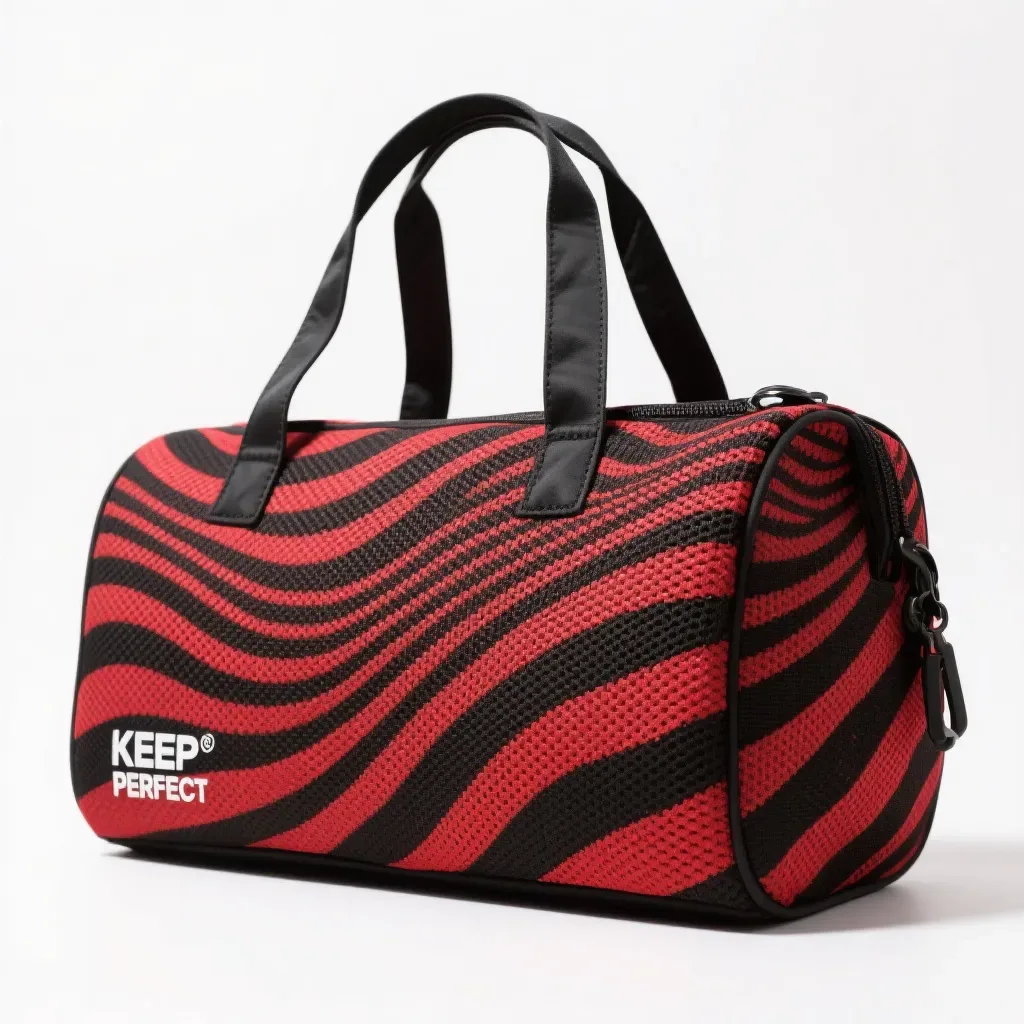
A specification written this way also shortens disputes. When a lot is questioned, the question is no longer whether the colour looks right, but whether it met a grade that was agreed in writing before the yarn was ordered. That is a much faster conversation.
Set colour fastness targets
Send the yarn, shade and end use and we will return the test plan with methods and pass grades, plus a 7-working-day sampling slot. Request a fastness test plan
Frequently Asked Questions
What is colour fastness in knitted bags?
Colour fastness is the resistance of the dyed fabric to change or to transfer colour when exposed to rubbing, washing, light, perspiration or chlorinated water. It is graded numerically, with higher numbers meaning better performance, and each exposure has its own method and pass grade.
Which fastness test matters most for a tote bag?
Rubbing, because it is the exposure a customer notices first when colour transfers onto clothing or a car seat. Test dry and wet separately to AATCC TM8 or ISO 105-X12 and set both pass grades on the specification. Confirm the rating scale used, since grey scale and blue wool differ.
Why is wet rubbing always worse than dry?
Moisture helps unfixed surface dye detach and move onto the rubbing cloth. Typical piece-dyed polyester grades 4 to 5 dry and 3 to 4 wet, and the gap is usually explained by surface dye rather than by the dye inside the fibre. Record the grade for both colour change and staining.
How do you improve wet rubbing fastness on polyester?
Reduction clearing after dyeing removes unfixed disperse dye from the fibre surface. Where grades are still marginal, review the dye selection and the clearing conditions before considering a change of fibre. Most programmes test rubbing dry and wet as separate results. Treat any grade without a named test method as provisional.
Is dope-dyed yarn better for colour fastness?
Yes, particularly for light. Dope-dyed polyester reaches grade 6 to 7 to ISO 105-B02 against 5 to 6 for piece-dyed, and grades 5 on both dry and wet rubbing because the pigment is inside the filament. Ask whether clearing was carried out after dyeing. Confirm the light source named in the report.
What light fastness grade should a retail bag meet?
Grade 4 is the usual minimum and grade 5 to 6 is the practical expectation for polyester in a window or outdoor setting. Nylon sits nearer grade 4 and drops to about 3 on pale shades, so it is a weaker choice for sun exposure.
Does recycled polyester fade faster?
Marginally. Mechanically recycled polyester typically grades around 5 against 5 to 6 for virgin in the same construction, with the gap widest on pale shades. The difference is small enough that most programmes accept it. Confirm the rating scale used, since grey scale and blue wool differ.
How is perspiration fastness tested?
To AATCC TM15, exposing the specimen to prepared acidic and alkaline perspiration solutions under controlled pressure and temperature, then grading colour change and staining. Test at both pH values, since blends can shift under only one. Record the grade for both colour change and staining.
Should the technical face or the reverse be tested?
Test the face that contacts clothing, which is usually the technical face of the knit. Testing the reverse produces a grade the customer will not recognise when they rub the bag against a shirt. Most programmes test rubbing dry and wet as separate results. Treat any grade without a named test method as provisional.
What colour tolerance should a specification state?
Delta E 1.0 against the approved swatch for virgin programmes and 1.2 for recycled, because flake variation carries into the base polymer. Assess under an agreed light source in a light box. Ask whether clearing was carried out after dyeing. Confirm the light source named in the report.
How often should fastness be re-tested?
On every delivered lot and after any change of dye route, yarn supplier or heat-set cycle. Fastness is sensitive to process changes that leave weight and dimensions untouched, so it will not be caught by dimensional inspection. Confirm the rating scale used, since grey scale and blue wool differ.
Does heat setting affect colour?
It can. Excessive temperature or dwell can cause shade shift and, in elastane blends, yellowing. Record board and heat-set conditions on the specification and re-assess shade after the cycle rather than before. Record the grade for both colour change and staining. Most programmes test rubbing dry and wet as separate results.
Which fastness grade matters for a bag carried against clothing?
Rubbing, assessed dry and wet separately to AATCC TM8 or ISO 105-X12. Wet rubbing is the lower of the two and is the figure that predicts whether colour transfers onto a shirt, so set its pass grade explicitly. Treat any grade without a named test method as provisional.
How is light fastness graded for knit bag fabric?
To ISO 105-B02 against the blue wool scale, which runs 1 to 8. Polyester typically reaches 5 to 6 and dope-dyed polyester 6 to 7, while nylon sits nearer 4 and falls to about 3 on pale shades. Ask whether clearing was carried out after dyeing.
Should perspiration fastness be tested on bag fabric?
Yes where the bag is carried against the body or held for long periods. Test to AATCC TM15 at both acidic and alkaline pH, since blends containing polyamide or cotton can shift under only one of the two. Confirm the light source named in the report.
People Also Ask
What is a good colour fastness grade?
Grade 4 is the usual pass line for colour change and grade 3 to 4 for staining. Rubbing is expected at 4 to 5 dry and 3 to 4 wet on piece-dyed polyester, with dope-dyed yarn grading 5 on both.
Why does a dark knitted bag stain a light shirt?
Usually unfixed surface dye transferring under rubbing, aggravated by moisture. It is fixed by reduction clearing after dyeing and by confirming wet rubbing grades before bulk is approved. Confirm the rating scale used, since grey scale and blue wool differ.
Does the grey scale go from 1 to 5?
For change and staining, yes, in AATCC and most ISO methods. Light fastness to ISO 105-B02 uses the blue wool scale, which runs from 1 to 8. Record the grade for both colour change and staining.
Does washing a knit bag fade it?
Some change is normal; grade 4 for colour change to AATCC TM61 2A is the standard expectation. Bigger shifts usually trace back to dye selection or insufficient clearing after dyeing.
Can colour fastness be improved without changing fibre?
Often yes. Changing dye class, improving the clearing step, adjusting the fixing treatment and tightening the heat-set cycle all move the grade without changing the yarn. Most programmes test rubbing dry and wet as separate results.
Sources and further reading
Every figure on this page is either our own programme data or attributed below. Open the originals before you write them into a specification.
- PTP6 Colorfastness proficiency programmeAATCC Lists the standard colour fastness methods cited in knit bag specifications, including TM8 for crocking, TM61 for laundering and TM15 for perspiration.
- Colorfastness training moduleAATCC Overview of the colour fastness methods used to grade rubbing, laundering, water, perspiration and light exposure.
- OEKO-TEX STANDARD 100OEKO-TEX Restricted substance standard that sits alongside colour fastness testing in most retailer requirements for knitted bag fabrics.
- GRS-202 Guide to Recycled MaterialsTextile Exchange Relevant where recycled yarn is specified alongside colour fastness requirements, since recycled content must remain verifiable.