Knitted Bags for Conferences: Seven Questions That Decide a Delegate Bag Specification
What does a conference delegate bag actually have to do, and how far ahead does the order have to sit? It has to carry an A4 programme, a 500 ml bottle and a lanyard pouch between sessions at roughly 2.2 kg, survive the walk to the hotel, and still be useful on the Monday after. The working specification is 11 L at E10 gauge in 450D recycled polyester and 320 g/m², with a 380 mm top opening, a 280 mm strap drop, 20,000 Martindale rubs and a 220 x 120 mm mark zone. For 1,200 delegates across three colourways, the order has to be released about 95 calendar days before doors open.
Question 1: How Many Delegates, and How Many Colourways Does That Allow?
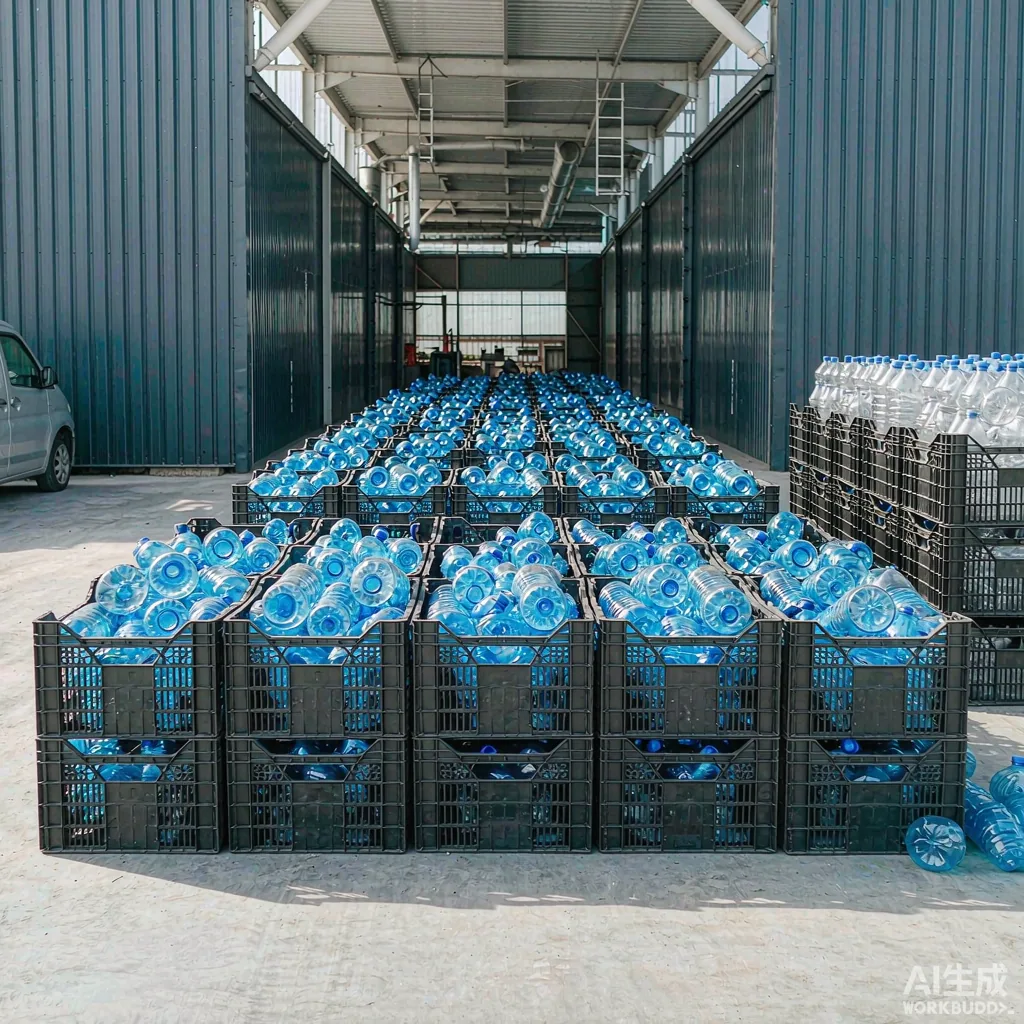
Delegate count sets the colourway count, because the minimum is 100 pcs per style and colourway. A 1,200-delegate congress comfortably supports three colourways — delegate, speaker and press — at roughly 900, 200 and 100 pcs. A 400-delegate summit supports two and no more. The mistake is letting the conference palette drive the split: eight colourways on 1,200 pieces means 150 pcs each, which clears the minimum but multiplies set-up and inspection lots for no gain.
The split that works is by role, not by palette. Delegates get the volume colourway, speakers get a darker variant with a higher abrasion target because their piece carries a laptop between venues, and press get the smallest run with the largest mark zone. Where a conference wants visual variety without extra colourways, one yarn with two mark treatments reads as two tiers inside a single production lot.
Question 2: What Does a Delegate Carry Between Sessions?
Between sessions a delegate carries an A4 programme, a notebook, a 500 ml bottle, a lanyard and card holder, and usually a cable or two. That is 2.2 kg in a body that needs an 11 L working volume and a top opening of at least 380 mm, because a programme at 297 x 210 mm has to go in flat rather than rolled. A bag that takes the programme only at an angle gets left on the seat.
Two dimensions follow directly from that. The bottle needs an upright pocket of 70 mm internal diameter, or it lies on its side and the programme gets wet. The strap drop needs to be 280 mm so the bag sits at the hip rather than swinging at the knee when a delegate is walking between halls with a coffee in the other hand. Both numbers are checkable with a rule on a sample and both are routinely omitted from conference briefs.
Question 3: Does the Bag Have to Survive Past the Final Session?
Decide this early, because it sets the abrasion target. A piece intended for the two days of the conference only needs 12,000 Martindale rubs. A piece intended to be the delegate's work bag for the following year needs 20,000, and the difference is roughly 60 g of fabric mass per unit. Most conferences want the second outcome and specify the first, which is why so many delegate bags are quietly retired on the flight home.
Durability on a conference floor is less about the panel and more about three joints: the strap root, the top opening edge and the bottle pocket seam. The strap root should be tested to 400 N under ISO 13934-1. The top opening should be a turned and bound edge rather than a raw cut, because it is the part a delegate grips every time the bag is picked up. The bottle pocket seam is the one that fails when a full 500 ml bottle is dropped in at a run.
Question 4: Where Does the Conference Mark Go, and Can It Be Read at Six Metres?
A conference mark has to read across a crowded hall, which is a different requirement from a retail logo. The mark zone should be 220 x 120 mm on the front panel, centred horizontally and placed so the top edge sits 70 mm below the bag opening — high enough to stay visible when the bag is loaded, low enough not to be covered by the hand at the opening. At that size a wordmark reads at roughly six metres.
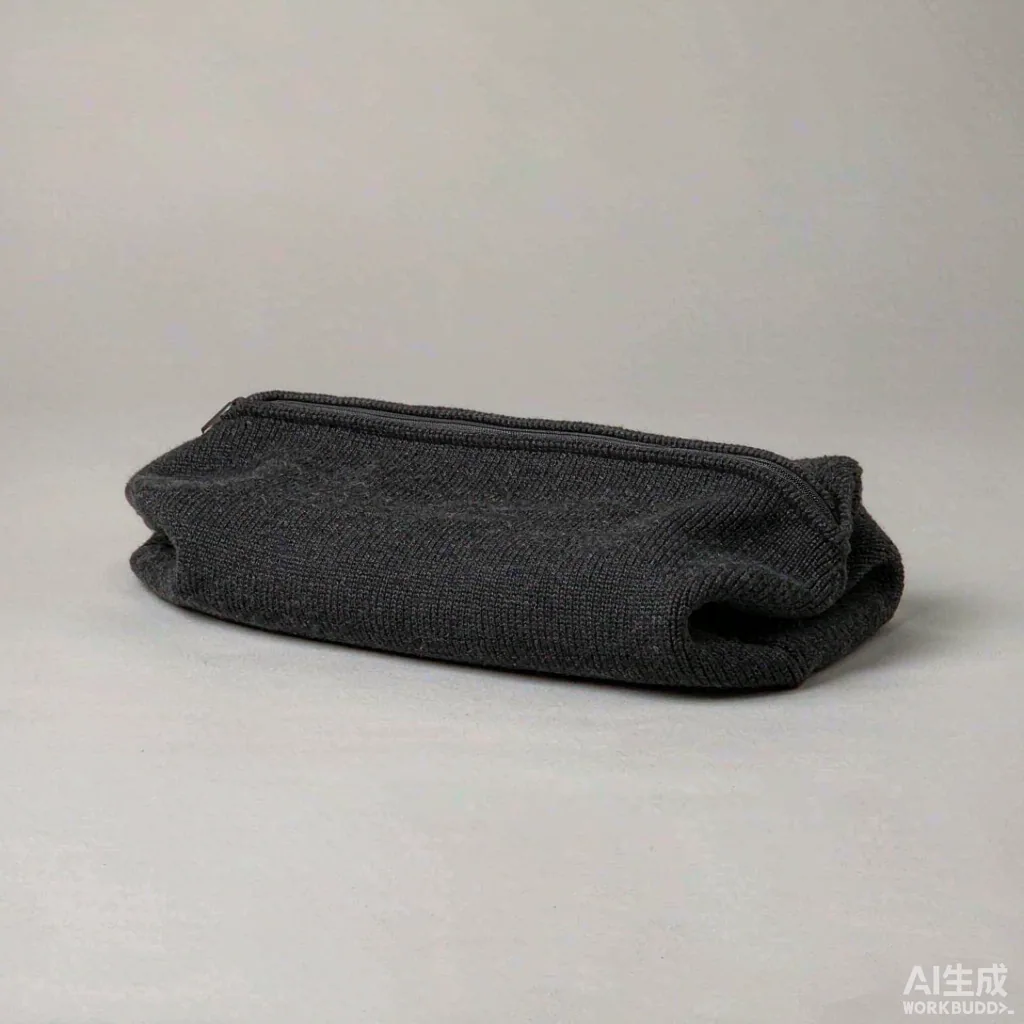
Knit-in jacquard is the right method for the conference identity because it is made during knitting, so there is no film to lift and no second operation charge on a run of this size. It carries up to four yarn colours, which covers most conference identities. Where the identity uses a gradient, the fallback is a woven label sewn flat with all four corners bar-tacked — a label that is only stitched along two edges will curl by the second day.
Question 5: How Is the Bag Handed Over — Registration Desk, Seat Drop or Shipped?
Handover method changes the pack format, and it is usually decided by the venue rather than by the buyer. A registration desk needs cartons that can be opened and stacked behind a counter, so 40 pcs per carton at roughly 60 x 40 x 35 cm and 12.4 kg is the working format. A seat drop needs the pieces flat and individually bagged so a team can lay them out the night before without unfolding anything.
Where delegates are remote, the bag has to ship as a parcel, which changes the specification rather than just the pack. A shipped piece needs a flat fold of roughly 22 mm to stay inside a sensible dimensional band, and it needs to arrive without creasing that cannot be recovered by hand. A whole-panel knit recovers from folding far better than a structured bag, which is one of the few places where the construction genuinely simplifies a hybrid event.
Question 6: How Far Back From the Event Date Does the Order Have to Sit?
Further back than most event calendars allow. Sampling takes 7 working days, bulk takes 30 days, sea freight from FOB Xiamen adds roughly 32 days, customs and inland delivery to a European venue adds about a week, and on-site kitting takes five working days. With a ten-day buffer for artwork and venue changes, a 1,200-piece three-colourway order has to be released about 95 calendar days before doors open.
- T-95 days: purchase order released, artwork and lab-dip references locked, delegate split confirmed.
- T-88 to T-78: sampling across 7 working days, tested with a loaded programme and a full bottle.
- T-77: sample approval and AQL criteria signed off.
- T-76 to T-47: bulk production across 30 days, all colourways in one window.
- T-46 to T-42: pre-shipment inspection to AQL 2.5 (ISO 2859-1), then booking.
- T-41 to T-12: sea freight plus customs and inland delivery to the venue or the kitting warehouse.
- T-11 to T-1: kitting, carton staging by colourway, and handover to the registration team.
Air freight compresses that to roughly 70 calendar days and it is the usual answer when a conference date moves. The cost line, however, moves by a multiple rather than a percentage, and on a 1,200-piece order the difference is often larger than the entire branding line. The two items that most often consume the buffer are sponsor artwork arriving late and venue address changes, both of which sit outside production time and both of which are worth chasing in week one.
Question 7: What Does a Sponsor Actually Buy With Logo Placement?
Sponsors buy position and size, and both have to be written into the specification or they get negotiated later at the buyer's cost. The workable structure is a sponsor band below the conference mark: up to eight woven labels at 40 x 25 mm each, arranged in one row and bar-tacked at all four corners. Beyond eight the row stops reading at distance, and a second row pushes the mark zone down the panel.
| Placement | Size | Method | Typical allocation |
|---|---|---|---|
| Conference identity | 220 x 120 mm front panel | Knit-in jacquard, up to 4 yarn colours | Reserved for the organiser |
| Principal sponsor band | 8 labels at 40 x 25 mm | Woven label, four-corner bar-tack | Tier one sponsors |
| Secondary position | 1 label at 40 x 25 mm per name | Woven label on the side gusset | Tier two sponsors |
| Interior credit | 60 x 25 mm | Woven label on the pocket facing | Supporters and media partners |
| Lanyard or card slot | 30 x 15 mm | Woven label on the pocket edge | In kind partners |
The Delegate Bag Specification Table, Written as Numbers
Every conference brief should end with one table that a second buyer could pick up and quote against. It carries capacity, gauge, yarn, mass, opening, strap drop, abrasion, strap pull, colour fastness, dimensional change, mark zone, pack format, minimum and inspection level. Anything left out of this table becomes a conversation later, and on a fixed event date every later conversation costs money.
- Construction
- E10 gauge whole-panel knit, bound top edge
- Yarn
- 450D recycled polyester, GRS-scope certified
- Fabric mass
- 320 g/m² target, ±5% tolerance (ISO 3801)
- Capacity
- 11 L, empty mass 290 g ±20 g
- Top opening
- 380 mm minimum, turned and bound
- Strap drop
- 280 mm, strap tested to 400 N at the root (ISO 13934-1)
- Bottle pocket
- 70 mm internal diameter, upright, sealed seam
- Abrasion
- 20,000 rubs minimum, ISO 12947-2
- Colour fastness
- Grade 4 dry / 3-4 wet, ISO 105-X12
- Dimensional change
- ≤3% after five launderings, ISO 5077 and ISO 6330
- Minimum
- MOQ 100 pcs per style and colourway
- Inspection
- AQL 2.5, ISO 2859-1, before booking
- Bulk
- 30 days from sample approval, FOB Xiamen
Carton Pack, Kitting and On-Site Distribution
On-site distribution is where a well-specified conference bag still goes wrong. The standard format is 40 pcs per export carton at roughly 60 x 40 x 35 cm and 12.4 kg, with cartons numbered and marked by colourway so the registration team can stage by role rather than by count. Where the programme includes printed inserts, those should be packed separately and inserted at the venue — inserting them before shipping crushes the programme and adds freight mass for nothing.
Delegate colourway
The volume run, typically 900 pcs of 1,200, staged in cartons at the main registration desk.
Speaker colourway
A darker variant at roughly 200 pcs with a higher abrasion target, handed over at the green room.
Press colourway
The smallest run at 100 pcs, with the largest mark zone and a media partner label if required.
Remote delegate pack
Flat-folded and individually bagged, shipped direct; roughly 22 mm folded keeps it in a sensible parcel band.
Failure Modes Recorded on Conference Floors
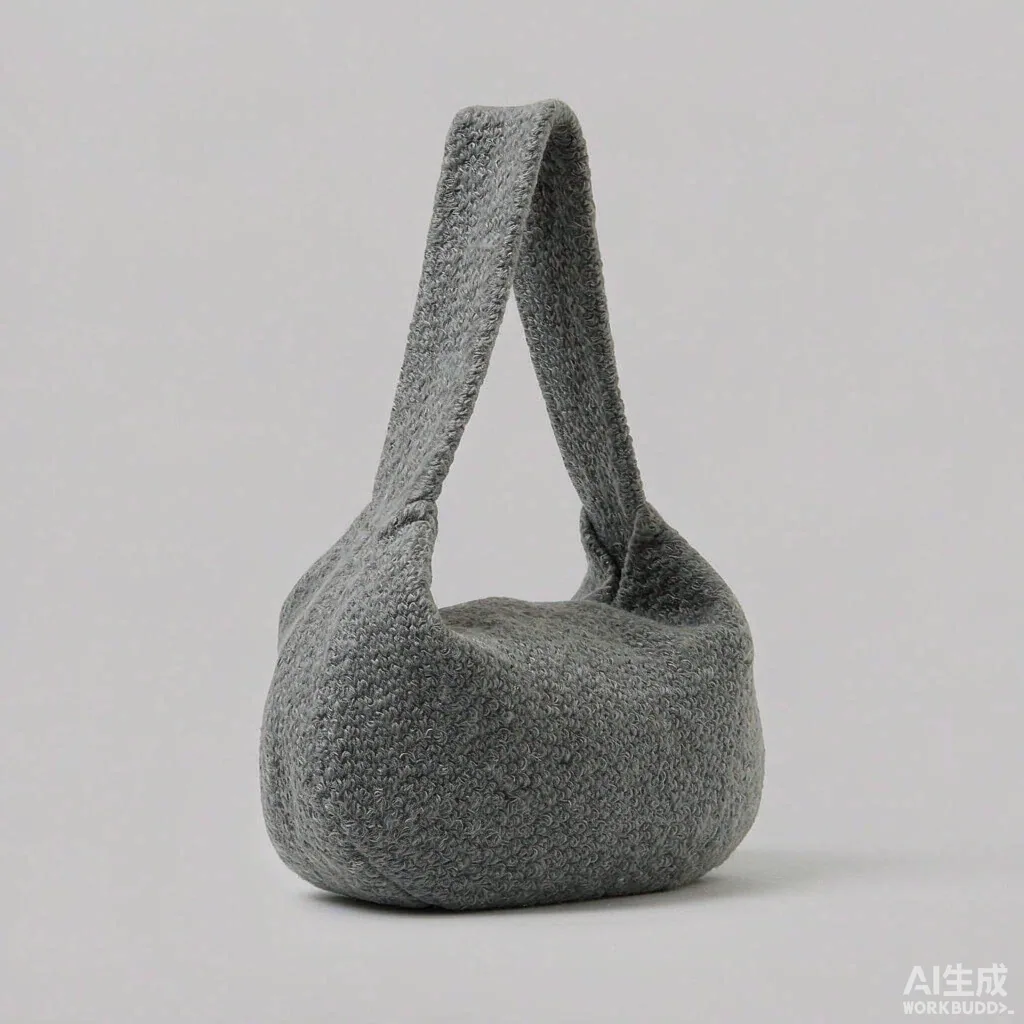
Five problems recur. The programme does not fit because the opening was never dimensioned. The bottle pocket is too narrow and leaks. The strap drop is too long and the bag swings into every chair back. The sponsor labels are stitched on two edges and curl by day two. And the cartons arrive unsorted by colourway, so the registration team spends the morning before doors open counting pieces instead of staging them.
An A4 programme is 297 x 210 mm and has to go in flat. A top opening under 380 mm forces delegates to roll it, and a rolled programme is the single most common reason a conference bag gets abandoned on a chair.
All five are specification problems rather than production problems, which is the encouraging part: every one of them is preventable in the first week at no cost. Write the opening, the pocket diameter and the strap drop as dimensions; require four-corner bar-tacking on labels; and ask for cartons sorted and numbered by colourway. A conference bag built this way is unremarkable on the day, which is precisely what an organiser needs.
Specify a delegate bag programme
Send the delegate count, the role split, the sponsor tiers and the date doors open. You will get a delegate bag specification table, a 7-working-day sampling plan and a backwards schedule to the event.
Frequently Asked Questions
What is the MOQ for knitted bags for conferences?
The MOQ is 100 pcs per style and colourway. A 1,200-delegate congress supports three colourways by role — roughly 900 delegate, 200 speaker and 100 press. A 400-delegate summit supports two. More colourways than that multiply set-up and inspection lots without any visible gain on the floor.
How long does sampling take for a conference bag?
Sampling takes 7 working days from approved vector artwork and a confirmed yarn and gauge. Test the sample with a loaded programme and a full 500 ml bottle rather than empty, because knit relaxes under sustained weight and the pocket and strap geometry only reveal themselves loaded.
How far ahead should a conference bag order be placed?
About 95 calendar days before doors open for sea freight, or roughly 70 if air is acceptable. That covers 7 working days of sampling, 30 days of bulk, around 32 days from FOB Xiamen, a week of customs and inland delivery, five days of kitting and a ten-day buffer.
What capacity suits a delegate bag?
Eleven litres covers an A4 programme, a notebook, a 500 ml bottle and a lanyard pouch at roughly 2.2 kg. The governing dimension is the top opening at 380 mm, because a programme at 297 x 210 mm has to go in flat. A bag that takes it only at an angle gets left on the seat.
Which gauge and yarn suit a conference bag?
E10 in 450D recycled polyester at 320 g/m². The gauge gives a surface fine enough for a readable knit-in identity and heavy enough for a piece that is carried between halls for two days and then to work afterwards. Speaker variants can raise the abrasion target without changing gauge.
Should a conference bag survive past the final session?
Decide early, because it sets the abrasion target. Two days only needs 12,000 Martindale rubs; a piece intended as the delegate's work bag for the year needs 20,000, which is roughly 60 g more fabric mass per unit. Most organisers want the second outcome and specify the first.
How should a conference identity be applied?
Knit-in jacquard into a 220 x 120 mm zone on the front panel. It is created during knitting, so there is no film to lift and no second operation charge, and it carries up to four yarn colours. A gradient identity should move to a woven label sewn flat with four-corner bar-tacking.
How many sponsor logos can a conference bag carry?
Eight at 40 x 25 mm in a single row below the identity is the practical maximum. Beyond eight the row stops reading at distance, and a second row pushes the conference mark down the panel. Secondary tiers move to the side gusset or the interior pocket facing rather than onto the front.
What strap drop should a delegate bag have?
Two hundred and eighty millimetres. That puts the bag at the hip rather than at the knee, so it does not swing into chair backs when a delegate walks between halls with a coffee in the other hand. The strap root itself should be tested to 400 N under ISO 13934-1.
How are conference bags packed for a registration desk?
Forty pieces per export carton at roughly 60 x 40 x 35 cm and 12.4 kg, with cartons numbered and split by colourway so the registration team stages by role rather than by count. Printed inserts should ship separately and be inserted at the venue so they are not crushed.
What inspection standard applies before conference goods ship?
Pre-shipment inspection runs to AQL 2.5 under ISO 2859-1, with critical defects such as a detached strap or a misplaced identity treated as zero-acceptance. On an event order, placement defects matter more than durability defects, because the piece is photographed and handed to named people.
Can a conference bag be shipped direct to remote delegates?
Yes, and the whole-panel knit suits it better than a structured bag because it recovers from folding. Specify a flat fold of roughly 22 mm to stay inside a sensible courier dimensional band, and ship individually bagged so the piece is presentable on arrival. Confirm the flat fold on the sample, because a piece that springs back above 26 mm moves the whole remote list into a higher parcel band.
What compliance files should a conference organiser request?
A GRS transaction certificate where recycled content is claimed, OEKO-TEX STANDARD 100 on the yarn, and REACH Annex XVII screening. For conferences held in the United States, California Prop 65 documentation should be added, and amfori BSCI reporting is often requested by corporate hosts. Request the set at the start of the 7-working-day sampling window rather than after bulk, so nothing holds up the 30-day production slot.
What is the most common conference bag specification error?
Failing to dimension the top opening. A programme at 297 x 210 mm has to go in flat, which needs 380 mm of clear opening. Organisers who specify capacity but not opening receive a bag that takes the programme only rolled, and a rolled programme is why bags get abandoned.
People Also Ask
Are knitted bags suitable for conference delegate kits?
Yes, at 11 L and E10 gauge in 450D recycled polyester. The bag takes an A4 programme flat through a 380 mm opening, holds a 500 ml bottle upright, and weighs 290 g empty, which keeps a 1,200-piece handover manageable.
How many colourways can a conference order carry?
Three on 1,200 delegates, split by role rather than by palette — roughly 900 delegate, 200 speaker and 100 press. Each colourway clears the 100-piece minimum and carries its own set-up and inspection lot.
When should conference bags be ordered?
About 95 calendar days before doors open. That covers 7 working days of sampling, 30 days of bulk, roughly 32 days of sea freight from FOB Xiamen, a week of customs and inland delivery, and five days of kitting.
How are sponsor logos added to a knitted conference bag?
Woven labels at 40 x 25 mm arranged in a single row below the conference identity, bar-tacked at all four corners. Eight is the practical maximum before the row stops reading at distance.
Why does a conference bag need a bound top edge?
It is the part a delegate grips every time the bag is picked up. A raw cut edge frays within a day of handling, while a turned and bound edge survives a full event and keeps the opening at its specified 380 mm.
Sources and further reading
Every figure on this page is either our own programme data or attributed below. Open the originals before you write them into a specification.
- ISO 2859-1 — Sampling procedures for inspection by attributesISO The AQL-indexed scheme behind the AQL 2.5 pre-shipment inspection before a conference order is booked.
- ISO 12947-2 — Textiles, determination of abrasion resistance by the Martindale methodISO Source of the 12,000 and 20,000 rub targets set by how long the bag is expected to last.
- ISO 13934-1 — Textiles, tensile properties of fabrics, Part 1: maximum force using the strip methodISO Referenced for the 400 N strap pull test at the strap root on delegate bags.
- ISO 105-X12 — Textiles, tests for colour fastness, Part X12: colour fastness to rubbingISO Basis for the grade 4 dry and 3-4 wet requirement on high-contrast conference colourways.
- amfori BSCI — business social compliance initiativeamfori The social compliance reporting frequently requested by corporate hosts of large conferences.
- Substances restricted under REACHEuropean Chemicals Agency The restricted-substance screening applied to yarn and trims on conference programmes.
Reading the Answers Back as One Brief
The seven questions resolve in a fixed order: count before colourways, contents before capacity, life expectancy before abrasion target, handover before pack format, and date before everything. A buyer who answers them in that sequence produces a brief that can be quoted in one pass and sampled once. A buyer who answers them in reverse usually finds the freight mode deciding the specification.
The measure of success on a conference bag is unglamorous. Nobody should comment on the bag on the day; the programme should go in flat, the bottle should stay upright, and the piece should still be in use on the Monday after. That outcome is a specification achievement rather than a design one, and it is entirely available to any organiser willing to write the numbers down first.