Seam Strength Testing for Knitted Bags: Where the Seam Fails First, and How ISO 13935-2 and ASTM D5034 Read the Same Failure Differently
Where does a knitted bag actually fail? At the join, and that is why seam strength testing belongs in every bag specification alongside fabric tensile testing. ISO 13935-2 measures the maximum force to seam rupture with the load applied perpendicular to a straight seam on a constant rate of extension machine, while ISO 13936 covers seam slippage, which is usually the failure a customer sees first. A panel that reports 600 newtons is irrelevant if the handle join holding it releases at 180.
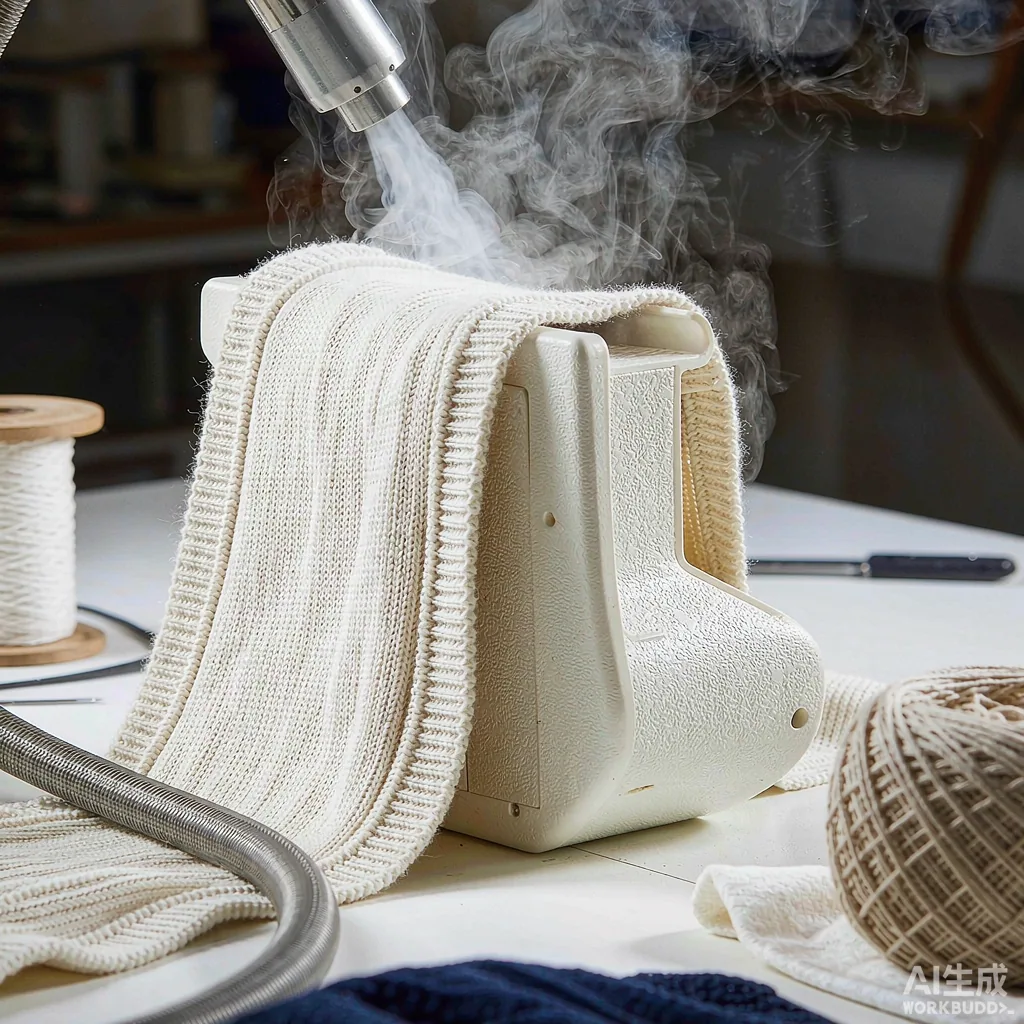
A Handle That Held in the Laboratory and Failed in the Shop
A buyer launched a knitted market tote with a strong specification: body panel tested to ISO 13934-1 at a minimum of 600 newtons, abrasion to ISO 12947 at 20,000 cycles, colour fastness to ISO 105-X12 at a minimum rating of 4. Every report came back comfortably inside limit and the launch went ahead on a twelve thousand piece first order.
Ten weeks into the season the returns desk started logging handles detaching at the top join. The fabric was undamaged in every returned bag; the join had released. Nothing in the specification had ever measured the join, so the programme had three strong reports about the panel and no report at all about the thing that failed.
The fix was not a stronger fabric. It was a seam specification: ISO 13935-2 on the handle join with a minimum force figure, a stitch density recorded on the approved sample, and a pre-bulk test on five assembled bags rather than on flat specimens. The following season's returns rate on that construction dropped to near zero without the panel specification changing at all.
Why the Seam Is Usually the Weakest Line on a Bag
A seam is a discontinuity. Stitching perforates the fabric, concentrates load at the needle holes, and introduces a second material, the sewing thread, whose strength and extension behaviour rarely match the panel. On a knitted panel the effect is amplified, because the loop structure has nothing to anchor the thread against in the way a woven interlacing does.
So a bag is a chain of parts with different strengths, and the chain breaks at its weakest link. Fabric tensile testing measures one link; seam strength testing measures the link next to it; hardware attachment testing, where the design includes a rivet or a bar tack, measures another. Testing only the fabric is measuring the strongest link and calling it the bag.
The commercial point is that a seam failure and a fabric failure look identical to a customer and completely different in a laboratory. A specification that only measures the fabric cannot distinguish them, which is why the post-mortem on a returned bag so often concludes that the reports were all in limit.
ISO 13935: The Strip and Grab Routes
ISO 13935 covers seam tensile properties in two parts. Part 1 uses the strip method, gripping the full specimen width; Part 2 uses the grab method, applying force perpendicular to the seam on a specimen gripped across part of its width. Part 2 is the one most bag programmes use, because it accommodates a made-up article and a bulkier seam assembly more easily.
The 2026 edition of Part 2 is explicit about scope: it applies to straight seams only, whether taken from previously sewn articles or prepared from fabric samples, and not to curved seams, with guidance on curved seams in an annex. The method is restricted to constant rate of extension machines, which is worth stating on the request because it excludes older constant-rate-of-traverse frames.
That scope note matters on a bag. A handle join on a shaped tote, a curved base seam and a gusset corner are all curved or angled, so strictly they sit outside Part 2. The practical answer is to test a straight representative seam for specification purposes and add a whole-bag load test for the actual geometry, which is what the next section covers.
- ISO 13935-1
- Seam maximum force to rupture, strip method, full width gripped
- ISO 13935-2
- Seam maximum force to rupture, grab method, force perpendicular to the seam
- ISO 13935-2 scope
- Straight seams only, from made-up articles or prepared samples, on constant rate of extension machines
- ISO 13936-1
- Seam slippage, determined at a fixed seam opening
- ISO 13936-2
- Seam slippage, determined at a fixed load
- ASTM D1683
- Failure in sewn seams of woven apparel fabrics, the common North American route
- Specimen source
- Cut from production-made bags where possible, not from laboratory-prepared swatches
- Stitch record
- Stitch type and stitch density per unit length recorded on the approved sample
- Reported result
- Maximum force to seam rupture, plus the failure mode observed
Seam Slippage Versus Seam Rupture: Two Different Complaints
Rupture is the seam coming apart. Slippage is the seam staying intact while the fabric pulls out from under the stitching, leaving a gap that looks like a failure and does not recover. On a knitted panel slippage is the more common of the two, because the loop structure offers less resistance to yarns being drawn past the thread.
The two are measured by different standards. Rupture runs to ISO 13935. Slippage runs to ISO 13936, in two parts: Part 1 determines slippage at a fixed seam opening and Part 2 at a fixed load. Choosing between them is usually a matter of which the buyer's existing laboratory runs, and either is far better than neither.
The distinction matters commercially because a customer cannot tell them apart and a returns log will not either. A bag returned with a gaping seam may have a seam well inside its rupture limit and still be unsaleable, which is why a specification covering only rupture can be fully met by bags the customer rejects.
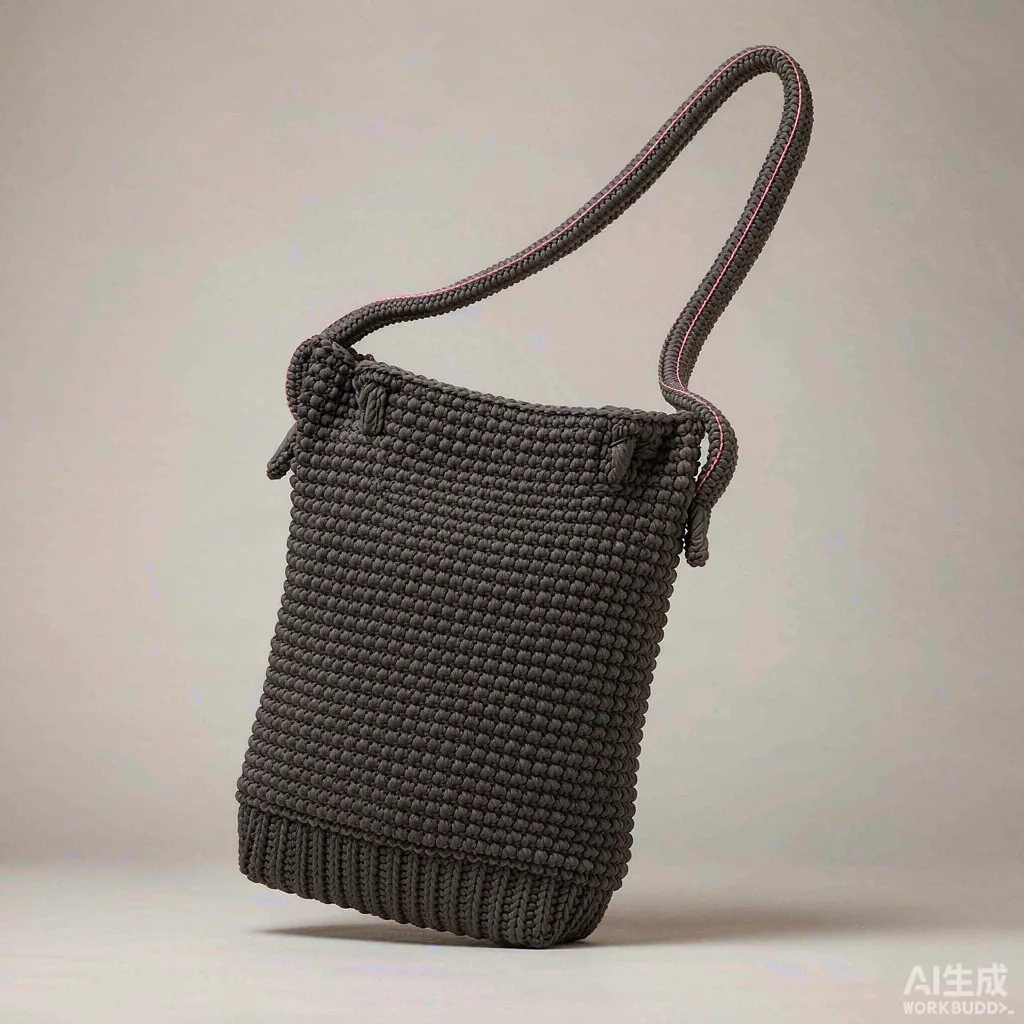
What Changes the Number: Stitch, Thread, Seam Allowance
Three variables dominate a seam result, and all three are straightforward to get right. Stitch type sets the structural behaviour: a lockstitch classified as type 301 under ISO 4915 behaves differently from a chainstitch, and a chainstitch can unravel from an end where a lockstitch will not. Record the stitch type on the approved sample.
Stitch density is the second. More stitches per unit length generally raises seam strength up to a point, after which the needle damage starts to dominate and the curve turns over. Recording density in stitches per unit length on the approved sample is the single most economical control available, and it is what a laboratory needs in order to reproduce the result.
Seam allowance is the third and the most often overlooked. A narrow allowance lets the fabric pull out rather than break, so widening it raises the measured force materially. Where a buyer sees two laboratories disagree on the same seam design, the allowance is the first thing to check and usually explains the gap.
Testing a Whole Bag Rather Than a Seam Specimen
There is a strong argument for testing the join as it exists in the bag rather than as a flat specimen. A cyclic load test on an assembled bag, loading the handle to a defined force for a defined number of cycles and then inspecting, reproduces the failure the returns desk sees and does not depend on the seam being straight.
A workable protocol is simple: load the assembled bag to the intended carry weight multiplied by a safety factor, hold or cycle it a defined number of times, then inspect the join for slippage, elongation and rupture. Five bags per colourway is enough to catch a systematic problem, and the test needs no instrument beyond a load frame.
This is not a substitute for ISO 13935-2, because it produces no comparable number. It is a complement that catches curved seams, angled joins and hardware attachment, all of which sit outside the scope of the standard and all of which appear on real bags.
| Failure mode | What the customer sees | Method that detects it |
|---|---|---|
| Seam rupture | The join has come apart | ISO 13935-1 strip or ISO 13935-2 grab, reporting maximum force to rupture |
| Seam slippage | A gaping seam with intact stitching | ISO 13936-1 at a fixed opening, or ISO 13936-2 at a fixed load |
| Handle elongation | A handle that has stretched and will not recover | Cyclic load test on the assembled bag, with a defined load and cycle count |
| Hardware pull-off | A rivet or bar tack has released | Attachment test on the assembled bag, outside the scope of the ISO 13935 series |
| Curved seam failure | A gusset or shaped join has opened | Whole-bag load test, because ISO 13935-2 covers straight seams only |
| Fabric rupture away from the seam | A hole in the panel | ISO 13934-1 strip or ASTM D5034 grab on the fabric itself |
Where a Knitted Seam Behaves Unlike a Woven One
A woven seam fails when the yarns break or pull out past the thread. A knitted seam adds a third mechanism: the loop unravels. Where the stitching runs across the course direction, a broken thread can initiate a run, and a run propagates far further than the original damage, turning a small join failure into a large visible one.
That is why stitch choice matters more on a knit. A chainstitch that unravels from an end is a poor choice on a knitted bag join even where the measured strength is adequate, because the failure mode after damage is worse than the measurement suggested. A lockstitch, or an overlocked edge, behaves more predictably.
The second knit-specific issue is recovery. A knitted seam can hold the test load and then leave the join permanently stretched, so the bag passes the force test and looks wrong on the shelf. Inspecting the specimen after the test, not just reading the force at rupture, is what catches this.
Straight seams only
ISO 13935-2 applies to straight seams, not curved ones. Test a straight representative seam for the number and the actual geometry separately.
Slippage before rupture
On a knit the loop offers less resistance to yarns drawing past the thread, so slippage to ISO 13936 usually appears before rupture does.
Unravelling
A knit can run from a broken thread. Avoid stitch constructions that unravel from an end, even where measured strength looks adequate.
Seam allowance
A narrow allowance lets fabric pull out instead of breaking. Widening it raises measured force, and it is the first thing to check when two laboratories disagree.
Inspect after the test
Read the force and then look at the specimen. A knit seam can hold the load and leave the join permanently stretched.
Five assembled bags
A pre-bulk cyclic load test on five finished bags catches curved joins and hardware attachment that no flat specimen reaches.
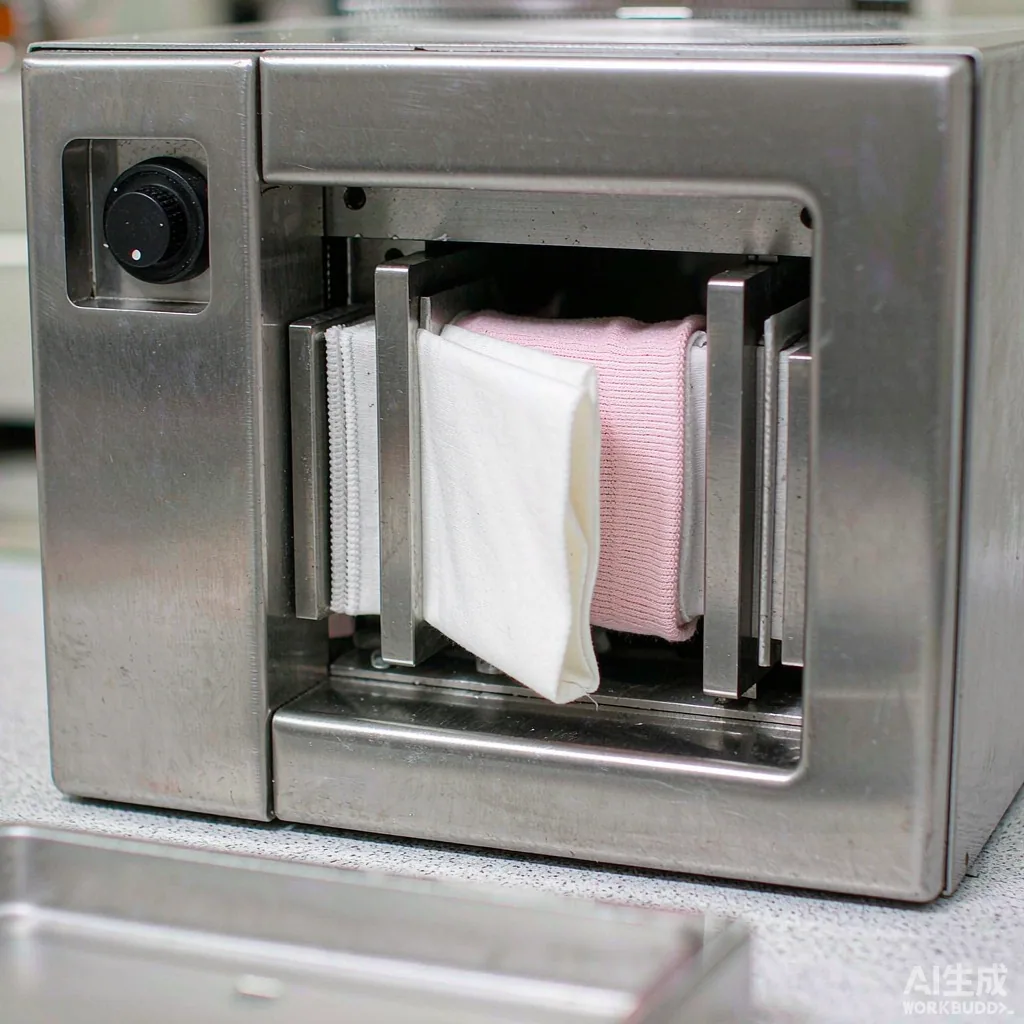
Setting the Acceptance Figure for a Bag Seam
Derive the seam figure from the load rather than borrowing one. Estimate the heaviest realistic carry weight, apply a safety factor, and require the join to hold that with margin, then confirm by cycling five assembled bags at the same load. A handle join on a market tote and a shoulder strap join on a travel bag justify very different numbers.
A useful rule of thumb is to require the seam to reach a defined proportion of the fabric's own tensile result, so the join is never the weakest link by design. Where the fabric reports 600 newtons and the join reports 180, the fabric is over-specified and the join is under-specified, and both numbers were expensive to obtain.
Record the failure mode alongside the force. A seam that ruptures at 420 newtons and a seam that slips at 420 newtons are not the same seam, and only the recorded mode tells a buyer which one was tested. Ask for it on the report; it costs the laboratory one line.
Writing the Seam Clause
The clause needs the method and part, the stitch type and stitch density recorded on the approved sample, the seam allowance, the minimum force, the required failure mode, and the specimen source. Add a whole-bag cyclic load test with a stated load and cycle count, and the clause covers both the flat geometry and the real one.
The seam clause in one line
- Seam maximum force to ISO 13935-2.
- straight representative seam.
- stitch type and density as recorded on the approved sample.
- minimum force stated in newtons with the failure mode reported.
- plus a cyclic load test on five assembled bags at the stated load.
Specify seam strength for a knit bag programme
Send the bag type, the join detail and the load it has to carry. We will return the method, the stitch record and a defensible seam force target, and quote FOB Xiamen at 100 pcs per style and colourway with 7 working days sampling and 30 days bulk. Start on the contact page.
Frequently Asked Questions
What is seam strength testing for bags?
A laboratory measurement of the maximum force a sewn seam withstands before rupture, with the load applied perpendicular to the seam. For bags it usually runs to ISO 13935-2 by the grab method on a constant rate of extension machine, and it reports the failure mode alongside the force.
Why should a bag specification test seams as well as fabric?
Because a bag is a chain of parts and fails at its weakest link. Stitching perforates the fabric and concentrates load at needle holes, so the join is usually weaker than the panel, and a fabric-only specification measures the strongest link and calls it the bag.
What is the difference between ISO 13935-1 and ISO 13935-2?
Part 1 uses the strip method, gripping the full specimen width. Part 2 uses the grab method, applying force perpendicular to the seam. Part 2 is more common for bags because it accommodates made-up articles and bulkier seam assemblies without the preparation a strip specimen needs.
Does ISO 13935-2 cover curved seams?
No. The 2026 edition states it applies to straight seams only, whether from previously sewn articles or prepared samples, with guidance on curved seams in an annex. Curved joins, angled gussets and shaped handle attachments need a whole-bag cyclic load test instead. The standard itself points to an annex for guidance on curved seams.
What is seam slippage?
The seam stays intact while the fabric draws out from under the stitching, leaving a gap that does not recover. It looks like a failure to a customer and is measured by ISO 13936 rather than ISO 13935, so a rupture-only specification can be met by bags the customer rejects.
Why is slippage more common on knitted bags?
Because a loop structure offers less resistance to yarns being drawn past the sewing thread than a woven interlacing does. A knit seam can therefore be inside its rupture limit and still look failed on the shelf, which is why slippage is usually the first complaint on a knitted bag.
What is the difference between ISO 13936-1 and Part 2?
Part 1 determines seam slippage at a fixed seam opening and Part 2 at a fixed load. Either is far better than neither, and the choice usually comes down to which one the buyer's laboratory runs routinely. Record which part was used, because the two figures are not interchangeable.
How does stitch density affect seam strength?
More stitches per unit length generally raise strength up to a point, after which needle damage dominates and the curve turns over. Recording density on the approved sample is the most economical control available and is what a laboratory needs in order to reproduce the result next season.
Why does seam allowance change the result?
A narrow allowance lets the fabric pull out rather than break, so widening it raises the measured force materially. Where two laboratories disagree on the same seam design, the allowance is the first thing to check and it usually explains the whole of the gap between them.
Which stitch types suit a knitted bag join?
A lockstitch classified as type 301 under ISO 4915, or an overlocked edge, behaves predictably. A chainstitch can unravel from an end, which is a poor choice on a knit even where the measured strength looks adequate, because the failure mode after damage is worse than the number suggests.
Can a knitted seam unravel after a failure?
Yes, and that is the knit-specific risk. Where stitching runs across the course direction, a broken thread can start a run that propagates much further than the original damage, turning a small join failure into a large visible one. Choose stitch constructions that do not unravel from an end.
Should the whole bag be tested rather than a specimen?
Both. ISO 13935-2 gives a comparable number on a straight seam, while a cyclic load test on five assembled bags catches curved joins, angled seams and hardware attachment that sit outside the standard. One produces a figure for the specification and the other reproduces the real failure.
What load should a whole-bag test use?
The intended carry weight multiplied by a safety factor, held or cycled a defined number of times, followed by inspection for slippage, elongation and rupture. Five bags per colourway is enough to catch a systematic problem, and the acceptance criteria should be written before the test runs.
How should a seam acceptance figure be set?
Derive it from the heaviest realistic carry load with a safety factor and confirm by cycling assembled bags. A useful check is to require the seam to reach a defined proportion of the fabric's own tensile result, so the join is never the weakest link by design or by accident.
Why record the failure mode on the report?
A seam that ruptures at a given force and one that slips at the same force are not the same seam, and only the recorded mode tells a buyer which was tested. It costs the laboratory one line on the report and it prevents an argument that would otherwise run for weeks.
People Also Ask
What is seam strength testing?
A measurement of the maximum force a sewn seam withstands before rupture, with load applied perpendicular to the seam. Bags usually use ISO 13935-2 by the grab method, with the failure mode recorded alongside the force figure.
Why do bags fail at the seam?
Stitching perforates the fabric and concentrates load at needle holes, and the thread rarely matches the panel in strength or extension. The join is therefore usually the weakest link in the chain.
Does ISO 13935-2 cover curved seams?
No, it applies to straight seams only. Curved or angled joins on a bag need a whole-bag cyclic load test instead, which also covers hardware attachment and shaped handle joins.
What is seam slippage and how is it tested?
The fabric draws out from under intact stitching, leaving a gap. It is measured by ISO 13936-1 at a fixed opening or ISO 13936-2 at a fixed load, and on knits it usually precedes rupture.
How strong should a bag handle join be?
Derive it from the heaviest realistic carry load with a safety factor, then confirm by cycling five assembled bags. Require the seam to reach a defined proportion of the fabric's own tensile figure.
Sources and further reading
Every figure on this page is either our own programme data or attributed below. Open the originals before you write them into a specification.
- ISO 13935-2:2026 — Textiles, seam tensile properties, Part 2: maximum force to seam rupture by the grab methodISO The grab method for seam rupture, its straight-seam-only scope and its restriction to constant rate of extension machines.
- ISO 13934-1:2013 — Textiles, tensile properties of fabrics, Part 1: maximum force using the strip methodISO The fabric tensile method whose result the seam figure should be compared against, so the join is not the weakest link by design.
- ASTM D5034 Breaking Strength and Elongation of Textile Fabrics (Grab Test)ASTM International The fabric grab route named alongside ISO 13934-1, and a reminder that grab and strip results do not convert.
- ISO 12947-2:2016 — Textiles, determination of abrasion resistance by the Martindale methodISO The abrasion row of the test matrix referenced in the opening case, which measured the panel but not the join.
- ISO 105-X12:2016 — Textiles, tests for colour fastness, Part X12: colour fastness to rubbingISO The colour fastness row of the same specification, cited in the launch example alongside the seam omission.