Needle Bed and Yarn Feeder Basics: What Happens Between the Cone and the Loop
What do the needle bed and the yarn feeder actually do on a bag knitting machine? The two opposing beds hold 600 needles each at E12 over a 127 cm working width, and the feeders deliver yarn to the hooks at a controlled tension, typically 3.5 to 5.5 cN for a 300D feed. When either the needles or the feeders drift, the fault appears in the fabric long before anyone looks at the machine. This article starts with one such fault and works back to the mechanism.
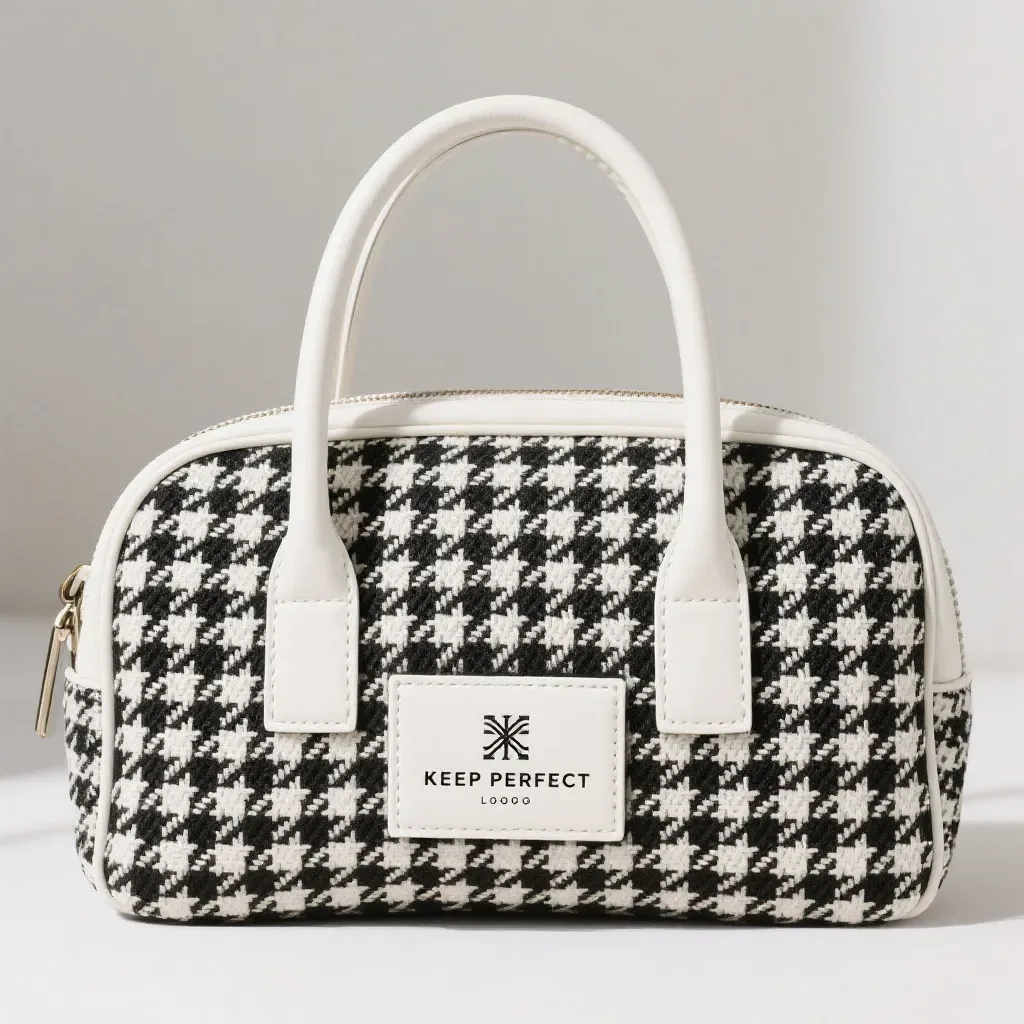
A Tote That Kept Dropping Stitches
The fault looked like a yarn problem and was not. A tote programme running at E12 in two ends of 300D recycled polyester produced a vertical line of dropped stitches down the full height of one panel, on roughly one piece in six, always in the same place. Four explanations were offered before anyone checked the machine: yarn friction, cone tension, take-down, and the file.
None of them explained a defect in a fixed position. A yarn friction spike moves randomly; a file error repeats every piece at the same course. The cause turned out to be a feeder whose ceramic eyelet had worn, changing the yarn delivery angle by a few degrees at exactly that point in every traverse.
The episode is worth recounting because the diagnostic order was wrong. Programme faults are usually sought in the file, then the yarn, then the machine, and in that order the evidence gets cut away during assembly. Starting from the physical mechanism — what touches the yarn between cone and hook — would have found the worn eyelet in twenty minutes rather than two weeks. The lesson generalises: a fault that appears in a fixed lateral position is almost always hardware, and a fault that appears at a fixed course is almost always the file.
What the Two Beds Actually Do
Two needle beds meet in a V at an included angle close to 100 degrees, and together they hold the needles, form the loop and allow it to be transferred from one bed to the other; that transfer is what makes narrowing, widening and rib structures possible. Without the second bed, a flat machine could knit cloth but could not shape a bag body or close a border cleanly.
A machine with a 127 cm working width at E12 carries 600 needles per bed, each selected independently on every course. Four systems on the carriage can knit up to four courses per traverse, which is why a 160-course tote body can clear in about 9 minutes rather than the 40-odd minutes a single-system traverse would need.
Take-down, the mechanism that pulls the formed fabric down between the beds, sets how tightly courses stack. It is adjusted in small steps and it is the first thing a technician changes when a body comes off the machine too wide or too narrow. Because it directly changes loop length, it also changes weight and shrinkage, so it belongs on the specification sheet alongside the counts.
Latch Needles, Selection and the Needle Hook
A latch needle opens and closes a small hook under the control of the cam system; the hook draws the new loop through the old one, and the latch closes behind it, which is the entire loop-forming action. The hook opening is well under a millimetre, which is why yarn diameter has to be matched to gauge.
Feed too thick a yarn and the latch cannot close cleanly, producing press-off: dropped loops, open work, and in bad cases damaged needles. Selection is electronic, so a needle can be instructed to knit, tuck or hold on any course, and that per-needle, per-course freedom is the source of every shaping technique used in bag work.
Needle condition deserves more attention than it usually gets. A hook that has begun to wear changes the loop it forms, and because the specification is written to a loop length target, that single needle can print a visible line for the full height of a panel. Replacing a needle takes minutes; investigating a suspected file error takes a week.
Feeders: Count, Placement and Why More Is Not Always Better
Feeder count is frequently overspecified. A plain body runs on one or two carriers, and the extra capacity only earns its keep where a design carries a horizontal stripe, a plated face or a colour block, which is why the useful question is how the yarn is placed rather than how many carriers the machine carries.
Feeders carry yarn from the creel to the knitting point, and their number sets how many yarns can be placed in one course; a typical bag machine offers up to 16, which comfortably covers plain body work, striping and plating. Placement matters more than count, because the yarn approach angle determines how consistently it enters the hook.
| Feeder variable | Typical value | Symptom when wrong |
|---|---|---|
| Feeder count | up to 16 on bag machines | Unwanted joins where yarns must be swapped mid-course |
| Approach angle | about 45 degrees to the bed | Loop length drift and intermittent dropped stitches |
| Eyelet condition | smooth ceramic, inspected regularly | Barré bands and yarn abrasion at the delivery point |
| Feeder to needle gap | about 0.5 mm | Missed feeds and yarn throw at high carriage speed |
| Yarn tension | 3.5 to 5.5 cN on a 300D feed | Tight or loose courses, width drift between rounds |
| Tension spread | within 0.4 cN between feeders | Visible horizontal banding across the panel |
| Press-off threshold | above about 12 cN on 300D | Dropped loops and possible needle damage |
Two of those rows cause most of the complaints a buyer will ever raise. Tension spread between feeders produces barré, the repeating horizontal band that reads as a colour fault and is not one. Worn eyelets produce a positional defect that looks like a file error and is a maintenance item.
Tension Devices and Where a Bad One Shows Up
A tension device holds yarn at a constant force between cone and hook, and it fails in two ways: it reads too high, which shortens loop length and shrinks the finished body, or it fluctuates, which produces alternating tight and loose courses. Both are measurable in a few minutes with a handheld tension meter.
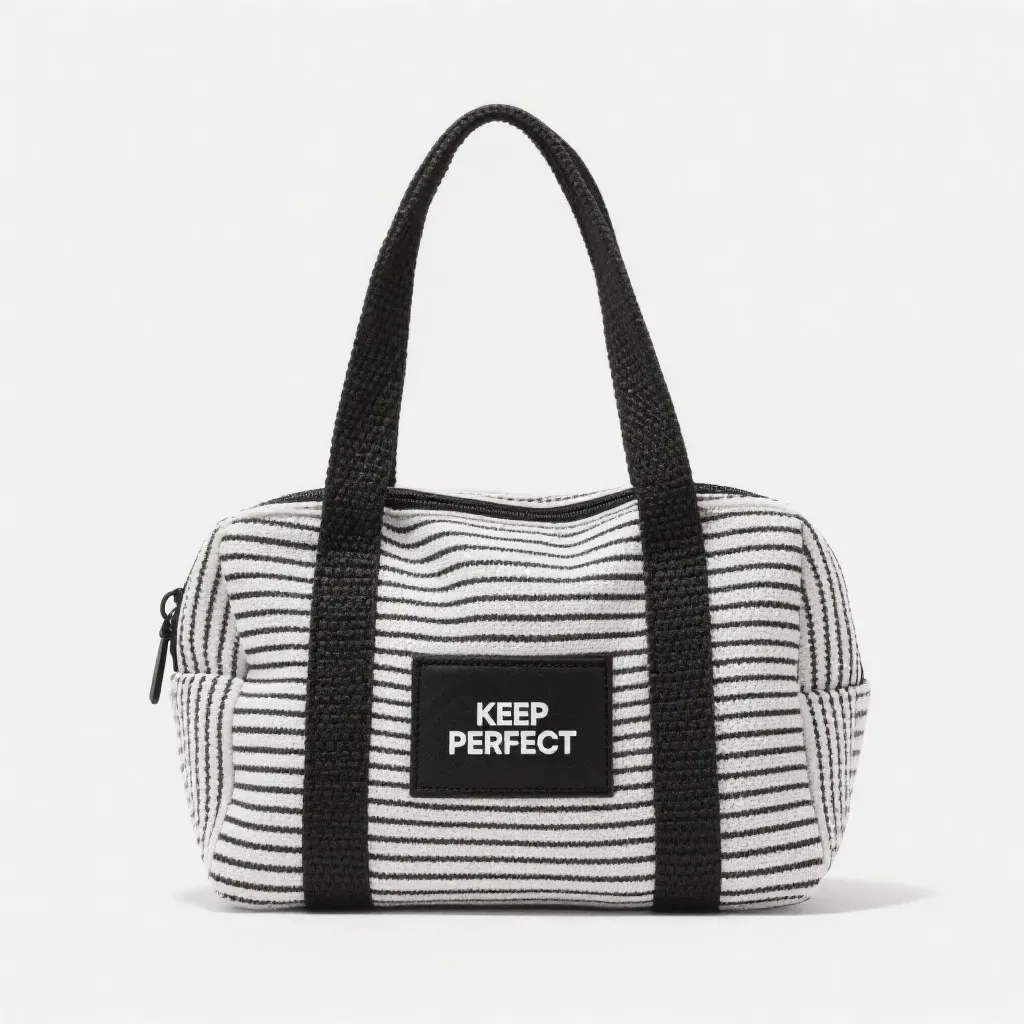
The useful habit is to record tension values by zone and feeder at the moment the approved sample is made. Those numbers travel with the file, so if the bulk drifts, there is a baseline to compare against rather than a memory of what was roughly right three months earlier.
Get a machine capability check for your programme
Send the specification and target gauge. You receive a capability statement covering working width, feeder count, tension range and a sampling window inside one business day. Open the contact page.
Striping, Plating and Intarsia Without a Mess
Three methods put more than one yarn into a single course: striping alternates yarns across the width, plating lays one yarn over another so each side of the fabric shows a different fibre, and intarsia places blocks of colour with separate feeders. Each has a characteristic fault when the feeder is set up carelessly.
Striping
Alternate yarns across the width. Poor feeder timing leaves a visible join line where the colours change over.
Plating
Lay one yarn over another so each face differs. A misaligned feeder lets the ground yarn flash through on the face.
Intarsia
Place colour blocks with dedicated feeders. Incorrect feeder return causes snagging at every block edge.
Float-backed jacquard
Carry unused yarn behind the face. Long unknitted spans snag, so keep them to three needles or fewer.
Common Feeder Faults and What the Fabric Looks Like
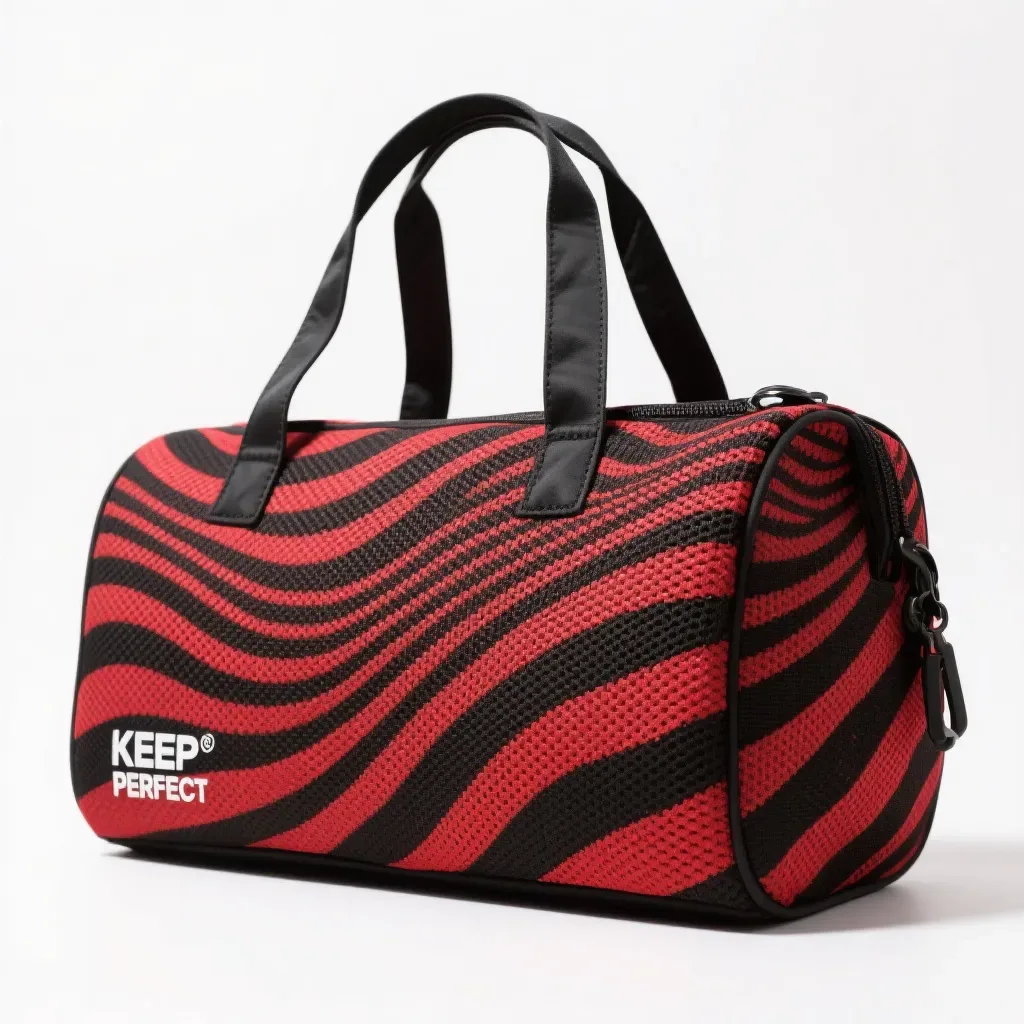
Four feeder faults account for most visible defects, and each has a recognisable signature: a worn eyelet gives a positional dropped-stitch line, tension spread gives barré banding, a mistimed feeder gives a join line at a colour change, and a wrong feeder angle gives intermittent loop-length drift across the panel. Recognising the signature is faster than testing hypotheses at random.
The practical advice for a buyer is simple. When a positional defect appears, ask for the feeder log and the tension readings before agreeing to a file revision. A file revision is a week; an eyelet is an hour, and the difference is usually obvious once someone measures rather than speculates.
Checking a Machine Before Your Programme Starts
Before a programme is committed, five checks are worth requesting: needle condition across the full width, feeder eyelet condition, tension readings at running speed, take-down repeatability, and the loop length achieved on a reference swatch. Together they take under an hour and they predict most of what will go wrong later.
Capability checks before you commit
- Inspect needle condition across the full width, not only at the centre of the bed.
- Check every feeder eyelet for wear and confirm the approach angle.
- Record running tension at production carriage speed for each feeder in use.
- Confirm take-down repeats across five consecutive pieces.
- Measure loop length on a reference swatch and compare it with the file target.
What to Ask For in a Capability Statement
A capability statement should state working width, gauge band, systems, feeder count, tension range, loop length control and typical cycle times; if any of those seven lines is missing, the partner is describing intentions rather than capacity. Ask for the document before the first sample, because it is the only artefact that makes two quotations genuinely comparable.
- Needles per bed
- 600 at E12 over a 127 cm working width
- Bed configuration
- two opposing beds, about 100 degrees included angle
- Systems
- up to four per carriage traverse
- Feeders
- up to 16 yarn carriers
- Yarn tension
- 3.5 to 5.5 cN on a 300D feed
- Press-off threshold
- above about 12 cN on 300D
- MOQ
- 100 pcs per style / colourway
- Sampling, bulk, shipping
- 7 working days, 30 days, FOB Xiamen
Frequently Asked Questions
What does the needle bed do on a knitting machine?
It holds the needles, guides their movement and provides the surface across which loops form. On a V-bed machine two beds meet at roughly 100 degrees, which allows loops to be transferred between them. That transfer capability is what makes narrowing, widening, rib structures and integral handles possible rather than only flat cloth.
How many needles does a bag knitting machine have?
A 127 cm working width at E12 carries 600 needles per bed. Wider machines exist: a 183 cm bed at E14 carries 1,008 needles per bed, which suits a large weekender. The practical question is whether the widest panel in your design fits the bed, because anything wider forces a joined construction.
What is a yarn feeder and why does it matter?
A feeder carries yarn from the creel to the knitting point at a controlled angle and tension. It matters because delivery angle and eyelet condition determine how consistently yarn enters the hook. A worn eyelet produces a positional dropped-stitch line that looks like a file fault, and a wrong angle produces loop-length drift across the panel.
What yarn tension should be used for a 300D knit bag?
Typically 3.5 to 5.5 cN on a 300D feed, held within about 0.4 cN between feeders to avoid visible banding. Above roughly 12 cN the latch cannot close cleanly and press-off begins. Record the value per zone and per feeder when the approved sample is made, so there is a baseline if the bulk drifts.
What causes barré in a knitted bag panel?
Barré is repeating horizontal banding, and it usually comes from tension spread between feeders or from yarn lot variation rather than from a colour fault. Measure running tension at production carriage speed at every feeder in use; a spread wider than about 0.4 cN is typically visible in the finished panel.
What is press-off and how is it prevented?
Press-off happens when a yarn is too thick for the needle pitch and the latch cannot close, so loops drop, the fabric opens and needles can be damaged. Prevent it by matching yarn diameter to gauge: 600D and above at E7, 300D with two ends at E12, and 150D to 300D with three ends at E14. Confirm the pairing before the programme runs.
Why do faults appear in the same position on every piece?
A fault in a fixed position points to hardware rather than yarn or file. Random yarn friction moves; a file error repeats at the same course but rarely at the same lateral position across a traverse. A repeating positional line usually indicates a worn feeder eyelet or a damaged needle at that point on the bed.
How many feeders does a bag programme need?
Fewer than most buyers expect. A plain body needs one or two per course, striping needs as many as there are colours in the repeat, and plating needs two carriers feeding together. Up to 16 are available on typical bag machines, which covers commercial work comfortably.
Can two yarns be knitted into the same course?
Yes, by plating or by striping. Plating lays one yarn over another so each face of the fabric shows a different fibre, which is useful when the inside should be soft and the outside abrasion resistant. Striping alternates yarns across the width, which is how a horizontal colour repeat is produced.
What should a capability statement include?
Working width, gauge band, number of systems, feeder count, tension range, loop length control and typical cycle times. Seven lines. Where one is missing, the partner is describing intentions rather than capacity, and the quotation is not comparable with one that states all seven.
How often should needles and feeders be inspected?
Often enough that wear is caught before it reaches the fabric. In practice, a visual inspection at each yarn lot change plus a full check at each programme start-up catches most of it. Because loop length is the specification, anything that changes loop length is a quality item.
What are the commercial terms for sampling and bulk?
MOQ 100 pcs per style or colourway, sampling in 7 working days and bulk production in 30 days. Inspection runs to AQL 2.5 under ISO 2859-1, and shipping is FOB Xiamen with CIF or DDP available on request. Programme coordination has run on those terms since 2014.
People Also Ask
What is a V-bed knitting machine?
A flat machine with two needle beds meeting in a V at about 100 degrees. The second bed allows loop transfer between beds, which is what makes shaping, rib structures and integral components possible.
How does a latch needle form a loop?
The hook catches the new yarn, the old loop slides onto the latch and closes it, then the old loop passes over the closed hook. That single action, repeated per needle per course, builds the fabric.
Why does my knit panel show horizontal bands?
Usually tension spread between feeders or yarn lot variation rather than a colour problem. Measure running tension at every feeder at production speed and compare against the recorded baseline.
Can a knitting machine use two yarns at once?
Yes, by plating two carriers feeding together in one course or by striping different yarns across the width. Up to 16 feeders are typical on bag machines.
What happens if yarn tension is too high?
Loop length shortens, the body tightens and shrinks more in laundering, and above roughly 12 cN on 300D the latch cannot close, causing press-off and possible needle damage.
Sources and further reading
Every figure on this page is either our own programme data or attributed below. Open the originals before you write them into a specification.
- Flat knitting machinery, needle beds and yarn feedingShima Seiki Equipment reference for bed geometry, selection and feeder configuration.
- ISO 12947-2 — Abrasion resistance of fabrics by the Martindale methodISO Used to confirm that a machine set-up reproduces the abrasion target across lots.
- ISO 13934-1 — Tensile properties of fabrics, maximum force by the strip methodISO Referenced when the same file is transferred between machines of different age.
- AATCC standard test methods and proceduresAATCC Source for AATCC 8 rubbing and AATCC 61 laundering colour fastness tests.
Reading the Machine Before Reading the File
The lesson from the dropped-stitch tote generalises. When a knit bag programme shows a fault, the fastest diagnosis starts at the physical mechanism — what touches the yarn between cone and hook — and works outward to the file. Programme faults are usually blamed on the file first, because the file is easiest to change, and that habit costs a week each time it is wrong. Measuring the mechanism first costs almost nothing and frequently identifies a fault that no amount of file revision would have corrected.
For a buyer the practical version of this is short: ask for the feeder log and the running tension readings before agreeing to a revision. A worn eyelet is an hour of work; a file revision is seven working days plus another laboratory round on a fresh lot. Treat the feeder log as part of the pack, in the same way that the yarn lot number and the file version are part of the pack, because all three are needed to explain a result later. Measure first, then decide what to change.
The commercial frame around production stays constant: MOQ 100 pcs per style or colourway, sampling in 7 working days, bulk production in 30 days, inspection to AQL 2.5 under ISO 2859-1, and shipping FOB Xiamen with CIF or DDP available on request. Programme coordination has run on those terms since 2014, carried on 7 production lines producing about 200,000 pcs per month through an SGS-validated partner production facility.