Knitted Crossbody Bag Specifications: Body Sizes, Straps and Hardware Compared
A knitted crossbody bag specification balances three things: a body around 24 x 18 x 7 cm that holds a phone, a card holder and glasses; a strap of 25 mm webbing adjustable from about 110 to 130 cm; and hardware that survives daily adjustment. Body fabric at about 380 g/m² knitted at E12 from 300D yarn is the working figure, because a crossbody carries roughly 2 kg and gains nothing from the mass a tote needs. The choice that matters most is the strap, not the body.

Three Crossbody Formats Compared
Crossbody bags come in three formats, and the format decision should come first because it sets everything else. A flat pouch format is the simplest, with a soft body and minimal structure. A structured camera-bag format has a firmer body, a defined shape and usually a flap. A convertible format runs as a crossbody or as a short-strap pouch, with a detachable strap. Each suits a different merchandising position and each carries a different cost structure.
The comparison that matters for a knitted crossbody is how much structure the format needs, because knitted fabric is softer than the coated or laminated materials usually used for structured bags. A flat pouch suits knitting perfectly and needs no help. A structured camera bag needs a bonded interlining or a denser zoned panel to hold its shape, which adds either a material or machine time. A convertible adds hardware and attachment points, which adds operations and defect surface.
| Format | Body size | Structure needed | Hardware count | Best position |
|---|---|---|---|---|
| Flat pouch | about 24 x 18 x 5 cm | none, knits as is | one zip, one slider | everyday light carry |
| Structured camera bag | about 24 x 18 x 7 cm | bonded interlining or zoned density | zip, flap closure, two D-rings | higher price point |
| Convertible | about 22 x 16 x 6 cm | light interlining | zip, detachable strap, two clips | travel and gifting |
| Mini crossbody | about 18 x 13 x 5 cm | none | zip and one slider | accessory and gifting |
Body Size: What Fits and What Sells
The working crossbody body is around 24 cm wide, 18 cm high and 7 cm deep, which holds a large phone, a slim card holder and a glasses case without looking bulky. Depth is the dimension that separates a usable bag from a flat one: at 5 cm the bag holds a phone and cards, at 7 cm it also holds sunglasses and a small cosmetic item, and that difference decides whether a customer keeps using it. Knitted construction makes the gusset free, because the depth is shaped in the knitting cycle.
Mini formats sell well and are worth a separate note, because they behave differently. A mini at about 18 x 13 x 5 cm is an accessory rather than a bag, it carries a phone and a card holder, and it uses so little fabric that hardware and labour dominate its cost rather than yarn. That reverses the usual cost logic, so a mini programme should be costed with hardware and operations in mind rather than with fabric mass.
Strap Width, Length and Adjustment Compared
The strap is the most important specification on a crossbody and the one most often defaulted. At 2 kg carried load, 25 mm webbing is comfortable and proportionate; 20 mm looks refined on a mini and is fine at that load; 38 mm looks heavy and out of proportion on anything under 24 cm wide. Width is therefore a design decision more than an engineering one at this load, and it should be chosen against the body size rather than copied from another category.
Length and adjustment are where comfort is won. A fixed strap of about 120 cm suits the average wearer, but a fixed length excludes a meaningful share of customers, so an adjustable range of roughly 110 to 130 cm is the better specification. Adjustment hardware adds cost and is the component most likely to fail, because a slider is worked every time the bag is put on. Specify the slider material and test it through repeated cycles rather than treating it as a commodity.
- Body size
- about 24 x 18 x 7 cm
- Strap width
- 25 mm standard, 20 mm on minis, 38 mm only on large bodies
- Strap length
- about 120 cm fixed, or adjustable 110 to 130 cm
- Webbing material
- polyester webbing, matched or contrast
- Slider
- acetal or metal, cycle tested
- D-ring attachment
- reinforced with a denser knitted zone
- Carried load
- about 2 kg
Hardware: Zinc Alloy Against Acetal
Hardware material is a visible decision and a cost decision at the same time. Zinc alloy reads as metal, takes a plated finish well, and costs more; acetal reads as engineering plastic, takes a matte finish, weighs less and costs less. On a crossbody the weight difference matters more than it does on a tote, because hardware sits against the body for hours, and a heavy slider on a light bag feels wrong.
The comparison should also include compliance. Metal hardware intended for the EU and US markets needs to be considered under REACH and Prop 65 for restricted substances, and children's items add CPSIA lead limits. Acetal avoids most of the metal-specific questions, which is one reason it is widely used on lighter bags. Whichever is chosen, the hardware is part of the certified article, so a hardware change after certification means the certificate has to be refreshed.
Zinc alloy
Reads as metal, takes plated finishes, suits a higher price point. Heavier, and needs restricted substance consideration under REACH and Prop 65.
Acetal
Light, matte, lower cost, and avoids most metal-specific compliance questions. The usual choice on light crossbody bags and minis.
Slider mechanism
The component worked every time the bag is put on, so specify cycle testing rather than treating it as a commodity item.
D-ring attachment
Reinforce with a denser knitted zone where the ring meets the panel. This is the joint that carries the whole load on a crossbody.
Fabric Mass and Structure by Format
About 380 g/m² knitted at E12 from a 300D yarn is the working body fabric for a standard crossbody. It is lighter than the 420 g/m² used on a tote because the load is roughly 2 kg rather than 8 kg, and lighter fabric drapes better on a small bag. Structured formats push to about 460 g/m² or add a bonded interlining, and minis can run at 320 g/m² because the load is trivial and drape matters most.
Structure comes from two sources and they are not equivalent. Added mass makes the bag stiffer and heavier, and it also stiffens the strap contact area, which can be uncomfortable. A bonded interlining adds stiffness without much mass but adds an operation and a material, and it can delaminate if the bond is wrong. Where the design allows, a zoned denser panel is the cleaner answer, because it is knitted in the same cycle with no added component.
Closures Compared: Zip, Flap and Magnet
Three closures dominate crossbody bags and each has a different cost and failure profile. A zip is the most secure and the most expensive, needing tape, slider, and an accurately set opening. A flap with a magnetic snap looks cleaner and costs less in hardware but needs a shaped panel and a hidden magnet, and the magnet is a component that can shift. A flap with a turn-lock costs most of all and adds an operation.
For a knitted crossbody, the zip is usually the right answer for a main opening, because a knitted panel holds a zip opening well and the alternative, a flap, needs structure that knitting does not naturally provide. A #5 coil zip is the standard for a 24 cm body; a #3 is adequate on a mini and looks more delicate. Specify zip cycling at about 1,000 cycles in the test plan, because the slider is the single most worked component on the bag.
Interior Layout and Lining Options
A crossbody interior should be simple, because volume is small and every pocket steals usable space. One slip pocket for a phone and one card slot is usually the right answer, and both can be knitted into the panel rather than sewn as separate pieces. That removes operations and removes the seam that would otherwise be the first interior failure, which on a small bag is a meaningful saving against the total.
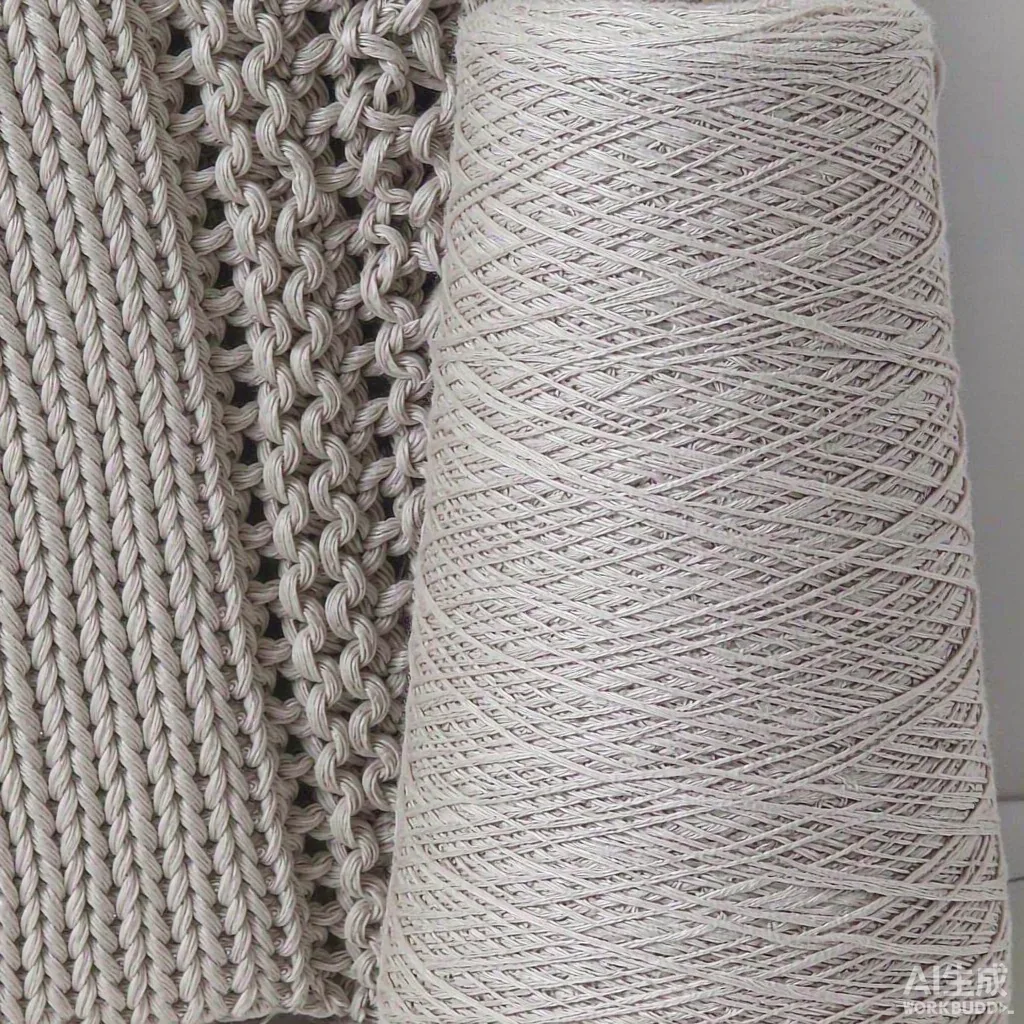
Linings are the other decision and knitted bags often do not need one. A well-knitted panel has a clean reverse side, and adding a lining doubles the material in the interior and adds a full assembly operation. Where a lining is wanted for a branded print or a contrast colour, a lightweight knitted liner at about 220 g/m² is consistent with the body and easier to assemble than a woven one, which behaves differently in sewing.
Comfort and Load: Where Crossbody Bags Differ
A crossbody carries far less weight than a tote or a backpack, so the engineering question is not strength but contact comfort. The bag sits against the body for hours, and the two things that make it uncomfortable are hardware pressing into the wearer and a strap edge that is stiff or sharp. Both are specification issues: hardware placement should keep metal off the contact side, and the strap edge should be soft or bound rather than cut.
The load is small enough that the usual mechanical floors are easily cleared. A 380 g/m² panel knitted at E12 from 300D yarn typically clears 400 N tensile under ISO 13934-1 and around 20,000 Martindale cycles under ISO 12947-2, which is more than a 2 kg load needs. That is the argument for keeping crossbody fabric light: the extra mass buys nothing measurable and makes the bag heavier against the body all day.
| Choice | Option A | Option B | Recommendation |
|---|---|---|---|
| Strap width | 25 mm webbing | 20 mm on minis | match width to body size, not to another category |
| Strap length | 120 cm fixed | 110 to 130 cm adjustable | adjustable, despite the extra hardware |
| Hardware | zinc alloy | acetal | acetal on light bags, zinc alloy at higher price points |
| Closure | #5 coil zip | flap with magnetic snap | zip, because knitting does not naturally give a flap structure |
| Interior | knitted slip pocket | sewn lining with pockets | knitted pocket, and skip the lining unless branding needs it |
| Fabric mass | 380 g/m² at E12 | 460 g/m² with interlining | 380 g/m² unless the shape genuinely needs structure |
Specification Sheet for a Knitted Crossbody
The sheet below is a complete, editable specification for a standard retail crossbody at 24 x 18 x 7 cm. It is written to be loaded onto a machine and into an inspection plan without a follow-up question, which is the test of whether a specification is finished. The mechanical floors are modest because the load is modest, and the money is spent on the strap and the zip, which are the two components the customer actually works.
- Body
- about 24 x 18 x 7 cm, gusset shaped in the knitting cycle
- Yarn and gauge
- 300D polyester or recycled polyester, E12
- Body fabric
- 380 g/m², tolerance ±5%
- Strap
- 25 mm polyester webbing, adjustable 110 to 130 cm
- Hardware
- acetal slider and D-rings, or zinc alloy at higher price points
- Closure
- #5 coil zip, cycle tested to about 1,000 operations
- Interior
- one knitted slip pocket, no separate lining
- Tests
- ISO 13934-1 at 400 N, ISO 12947-2 at 20,000 cycles, ISO 105-C06 grade 4
- Programme
- 100 pcs per style and colourway, 7 working days sampling, 30 days bulk
- Inspection and terms
- AQL 2.5 under ISO 2859-1, FOB Xiamen, CIF and DDP available
Cost and Sampling Notes for Crossbody Programmes
A crossbody uses little fabric, so the cost structure is inverted compared with a tote: hardware, strap and assembly carry more weight than yarn. A reference landed figure for a knitted crossbody at 100 pcs per style and colourway sits below a mid-weight tote for that reason, and the levers that matter are hardware consolidation and operation count rather than fabric mass. Cutting the fabric mass on a crossbody saves less than removing one operation.
Sampling takes 7 working days from a locked specification and bulk takes 30 days from approved sample, and for a crossbody the hardware availability is the item most likely to delay the programme. Metal or branded hardware is often made to order, and that lead time runs ahead of the knitting rather than inside the sampling window. Confirming hardware at the same time as yarn is the single action that keeps a crossbody programme on its calendar.
Crossbody specification in one line
- 24 x 18 x 7 cm at 380 g/m² and E12, 25 mm webbing adjustable 110 to 130 cm, acetal hardware, #5 coil zip, one knitted pocket and no lining.
Specify a knitted crossbody programme
Send the body size, strap preference and hardware finish. We will confirm fabric mass and structure, quote FOB Xiamen at 100 pcs per style and colourway, and book the 7 working day sampling window. Start on the contact page.
Frequently Asked Questions
What size is a standard knitted crossbody bag?
About 24 cm wide, 18 cm high and 7 cm deep, which holds a large phone, a slim card holder and a glasses case. Depth is the dimension that decides usefulness: at 5 cm the bag holds a phone and cards, at 7 cm it also holds sunglasses. Knitting shapes the gusset without an added seam.
How wide should a crossbody strap be?
Twenty-five millimetres is the standard at a 2 kg load and is proportionate to a 24 cm body. Twenty millimetres suits a mini and looks more refined, while 38 mm looks heavy on anything under 24 cm wide. Choose width against body size rather than copying it from another category.
Should a crossbody strap be adjustable?
Yes. A fixed 120 cm strap suits the average wearer but excludes a meaningful share of customers, so a range of about 110 to 130 cm is better. Adjustment hardware adds cost and is the component worked every time the bag is put on, so it should be cycle tested rather than treated as commodity.
What fabric weight suits a knitted crossbody?
About 380 g/m² knitted at E12 from a 300D yarn. That is lighter than the 420 g/m² used on a tote because the load is roughly 2 kg rather than 8 kg, and lighter fabric drapes better on a small bag. Structured formats push to about 460 g/m² or add a bonded interlining.
Is zinc alloy or acetal hardware better for a crossbody?
Acetal is lighter, matte and lower cost, and avoids most metal-specific compliance questions, so it suits light bags. Zinc alloy reads as metal and takes plated finishes, suiting a higher price point, but it is heavier and needs restricted substance consideration under REACH and Prop 65.
Which closure works best on a knitted crossbody?
A zip, usually a #5 coil for a 24 cm body. A knitted panel holds a zip opening well, while a flap needs structure that knitting does not naturally provide. A #3 zip suits a mini and looks more delicate, and the slider should be cycle tested because it is the most worked component.
Does a knitted crossbody need a lining?
Usually not. A well-knitted panel has a clean reverse side, and a lining doubles the interior material and adds a full assembly operation. Where a lining is wanted for a branded print or a contrast colour, a lightweight knitted liner at about 220 g/m² is more consistent with the body than a woven one.
Can pockets be knitted into a crossbody interior?
Yes, and it is the better approach on a small bag, where every pocket competes for usable space. One slip pocket for a phone and one card slot knitted into the panel removes a cut-and-sew operation and removes the seam that would otherwise be the first interior failure.
How much weight does a crossbody carry?
About 2 kg, which is why the mechanical floors are modest. A 380 g/m² panel at E12 from 300D yarn typically clears 400 N tensile under ISO 13934-1 and around 20,000 Martindale cycles under ISO 12947-2, comfortably more than a 2 kg load requires.
What makes a crossbody uncomfortable to wear?
Hardware pressing into the body and a strap edge that is stiff or cut rather than soft or bound. Both are specification issues: keep metal off the contact side and specify a soft or bound strap edge. Comfort, not strength, is the engineering question at this load.
How does a mini crossbody differ on cost?
Hardware and labour dominate rather than yarn, because the bag uses so little fabric. That reverses the usual cost logic, so a mini programme should be costed with hardware and operations in mind. Cutting fabric mass saves less than removing one assembly operation.
What is the difference between a pouch and a structured crossbody?
A pouch needs no added structure and knits as is, while a structured camera-bag shape needs a bonded interlining or a zoned denser panel. Added mass stiffens the bag but also stiffens the strap contact area, while interlining adds an operation and can delaminate if the bond is wrong.
Which tests belong in a crossbody specification?
ISO 13934-1 at 400 N tensile, ISO 12947-2 at 20,000 cycles abrasion, ISO 105-C06 grade 4 wash fastness and AATCC 8 crocking. Add zip cycling of about 1,000 operations, because the slider is the component most worked by the customer.
What most often delays a crossbody programme?
Hardware availability. Metal or branded hardware is often made to order and that lead time runs ahead of the knitting rather than inside the 7 working day sampling window. Confirming hardware at the same time as the yarn is the action that keeps the programme on calendar.
How many colourways suit a crossbody programme?
Fewer than a tote programme, because the bag is small and the dye lot minimum may exceed the yarn quantity needed. At 100 pcs per colourway the quantity can sit below the lot minimum, so consolidating shades usually saves more than trimming the fabric specification.
Does changing hardware affect certification?
Yes. Hardware is part of the certified article, so a material change after certification means the certificate has to be refreshed. Metal hardware also brings restricted substance considerations under REACH and Prop 65, and children's items add CPSIA lead limits.
People Also Ask
What size should a knitted crossbody bag be?
About 24 x 18 x 7 cm for a standard bag, holding a phone, a slim card holder and glasses. Minis run about 18 x 13 x 5 cm and behave as accessories rather than bags.
What strap width suits a crossbody bag?
Twenty-five millimetres for a standard body, 20 mm on minis and 38 mm only on large bodies. Match the width to the body size rather than borrowing it from another category.
What GSM is right for a knitted crossbody?
About 380 g/m² at E12 from 300D yarn, because the load is roughly 2 kg. Structured shapes go to about 460 g/m² or use a bonded interlining, and minis can run at 320 g/m².
Should a crossbody bag have a lining?
Usually not. A knitted panel has a clean reverse side, so a lining doubles interior material and adds an assembly operation. If branding needs one, use a lightweight knitted liner rather than a woven one.
What hardware suits a knitted crossbody?
Acetal for light bags, because it is lighter and avoids most metal-specific compliance questions. Zinc alloy suits higher price points but is heavier and needs restricted substance consideration.
Sources and further reading
Every figure on this page is either our own programme data or attributed below. Open the originals before you write them into a specification.
- ISO 2859-1:1999 Sampling procedures for inspection by attributesISO Sampling plan behind the AQL 2.5 inspection used at final inspection on crossbody programmes.
- Substances restricted under REACHECHA Restricted substance reference relevant when zinc alloy hardware is specified for the EU market.
- Proposition 65OEHHA California assessment reference for metal hardware and plated finishes on bags sold into that state.
- OEKO-TEX STANDARD 100OEKO-TEX Finished-article certificate covering the assembled bag including strap, hardware and zip.
- Shima Seiki knitting machineryShima Seiki Machine capability behind shaped gussets and knitted interior pockets in a single cycle.