Knitted Bags for Corporate Gifts: A Capacity, Load and Identity Checklist
What belongs in a knitted bag specification for a corporate gift? Start from the recipient list and the paper format rather than the silhouette: 10 L takes A4 or Letter plus a folder, a 320 mm internal sleeve keeps that folder flat, and the typical carry sits near 2.2 kg rather than the 3 kg a conference floor imposes. Identity should then be sized to the recipient - around 120 by 40 mm, tone-on-tone - because the bag only survives if it is discreet enough to use afterwards.
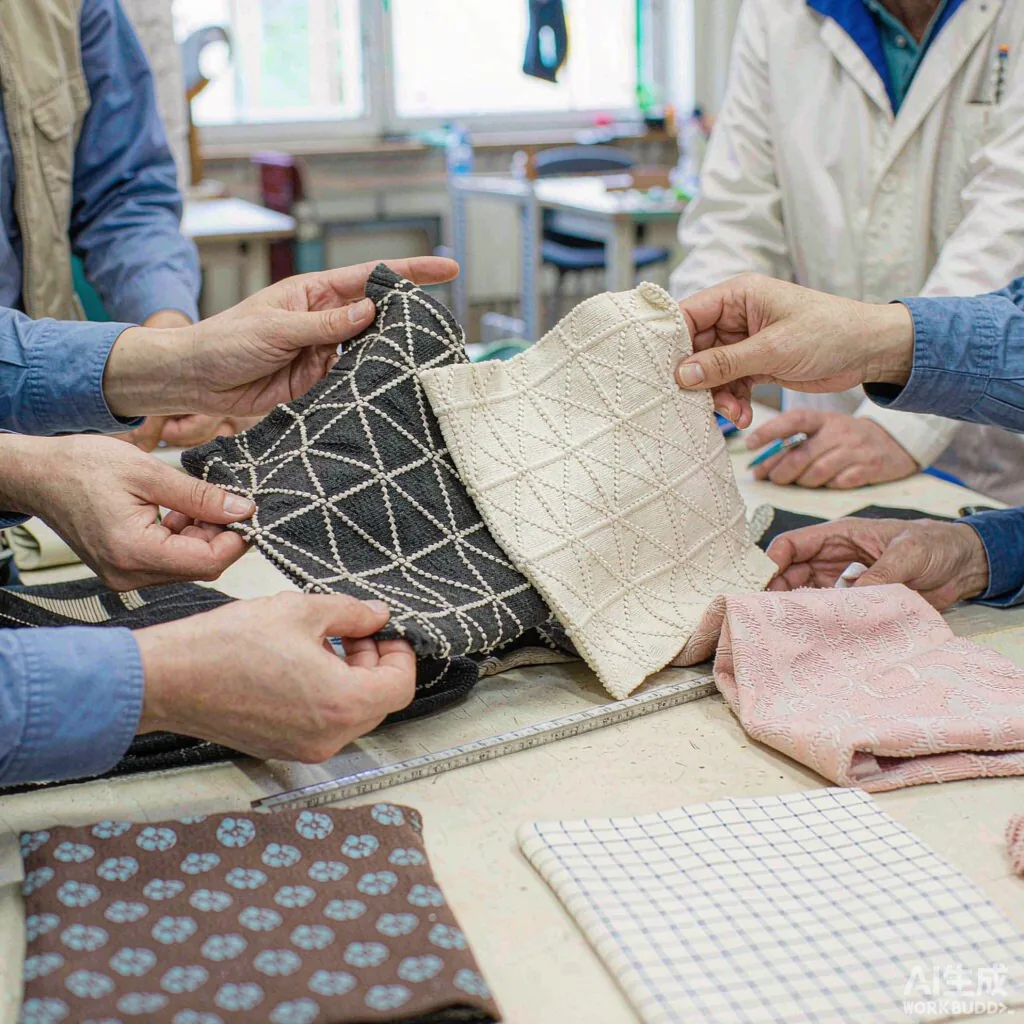
Start From the Recipient List, Not the Catalogue
The recipient list sets everything measurable in a corporate gift: quantity, colourway count, presentation format and delivery date. A board-level list of about 120 names is a very different specification from 5,000 pieces for a client mailing, and the difference is not only cost. A 100-piece minimum per style and colourway means a 120-name list clears one colourway comfortably and two only with care, so the list should be read before the design brief is written.
Read it against usage too. Recipients who travel to meetings need document protection; recipients who work from home mostly need something that looks considered rather than functional. The checklist below is written in that order, moving from measurable facts about the contents through to identity decisions, and each line carries the reason it exists so nothing has to be taken on faith.
Capacity and Paper Format: A4, Letter and a Folder
Corporate gifts fail most often on format, not on style. A4 is 297 by 210 mm and US Letter is 279 by 216 mm, and a conference folder adds margin again to roughly 310 by 240 mm. A body that cannot take a folder flat forces recipients to fold documents, at which point the gift stops being a gift. Ten litres at about 38 by 28 by 10 cm handles a folder, a device and a notebook together.
Check these four lines before anything else goes into the brief:
- Internal sleeve width at least 320 mm - because a conference folder measures about 310 mm and must lie flat.
- Body depth of about 100 mm - deep enough for a folder plus a device without the sides bowing.
- Handle drop around 25 cm - enough to carry over a suit jacket shoulder without catching the lapel.
- Base footprint of roughly 380 by 100 mm - wide enough that a loaded bag stands upright on a meeting-room floor.
Load Cases: Boardroom, Commute and Conference Floor
Corporate carry loads are lower than most buyers assume. A folder, a tablet and a notebook come to about 2.2 kg; adding a 13-inch laptop takes it to roughly 2.8 kg; a conference floor adds a water bottle and printed matter, reaching about 3 kg. Specifying to the heaviest case throughout would overbuild the piece for its daily life, so pick the governing case rather than the worst case and write it into the brief.
The governing case also decides the strap. At 2.2 kg, a 25 mm strap is perfectly comfortable; at 3 kg carried for an hour, shoulder pressure roughly doubles against a 38 mm strap and the strap starts cutting in. Since a corporate piece is usually carried intermittently rather than for a long walk, 25 mm read visually cleaner, but widths below that begin to twist under the weight of a folder and should be avoided.
Where Executive Carriers Wear Out
Two zones fail first, and both are predictable. The base pad takes the set-down - a loaded bag meeting a hard floor perhaps 500 times a year in regular use - and corners curl first because that is where the structure has least support. The shoulder fold creases the same way each time the piece is carried, and on a knit that fold sits exactly where the strap meets the body panel.
- Base corners
- zoned densification at the four corners, about 20,000 rubs to ISO 12947-2
- Shoulder fold line
- tucked reinforcement band running about 80 mm past the strap join
- Strap join
- root run included inside the strap structure rather than joined afterwards
- Body fabric
- 600D recycled polyester at about 420 g per square metre
- Empty mass
- around 380 g for a 10 L document carrier
- Hardware
- zip rated near 5,000 cycles where a closure is specified
- Verification
- tensile to ISO 13934-1, abrasion to ISO 12947-2, colour fastness to AATCC 8
A third zone deserves attention even though it rarely fails: the zip line. Where a closure is specified, a coil rated near 5,000 cycles costs marginally more than one rated at 2,000 and removes the single most annoying return reason in this category, because a document carrier that will not close is not carried again. Ask for the cycle rating explicitly rather than accepting a generic specification, since ratings are absent from most promotional quotes unless requested.
Lining Decisions for Document Carriers
Corporate gitwork is the one promotional category where lining usually earns its cost, because the contents are valuable and the surfaces scratch. A smooth brushed liner protects a tablet back and stops the corners of a metal pen body working into the knit over time. It does not have to cover the whole interior: lining the device sleeve and the document zone captures most of the benefit at a fraction of the full-interior cost.
Use this three-question test when deciding where to put it:
- Does anything inside have a hard metal or glass edge? If yes, line that pocket - a tablet or laptop sleeve needs a non-abrasive surface.
- Is the piece worn against tailoring? If yes, keep the interior smooth where it touches clothing, because knit texturing can snag fine wool.
- Is there any chance of liquid inside? For commuter use, a wipe-clean base panel costs little and prevents the whole interior being ruined.
Discreet Identity: Three Levels of Brand Presence
Recipient-initiated use after the gifting date is the real objective, and oversized identity works against it. Three levels cover the range. Level one is tone-on-tone structure - same yarn, different stitch direction - visible in movement and in photographs, effectively invisible across a meeting table. Level two is a discreet wordmark around 120 by 40 mm knitted into the front panel. Level three is a debossed badge, roughly 50 mm, which reads as hardware rather than advertising.
| Identity level | Typical mark size | Reads as | Best for |
|---|---|---|---|
| Tone-on-tone structure | panel-wide, no colour contrast | texture rather than branding | board-level and financial-sector recipients |
| Discreet wordmark | about 120 x 40 mm | a considered product with a mark | client gifting where the logo should be legible |
| Debossed badge | roughly 50 mm square | hardware detail | when the logo has fine detail that knit cannot resolve |
| Full front jacquard | 180 x 200 mm and above | promotional item | staff onboarding rather than external gifting |
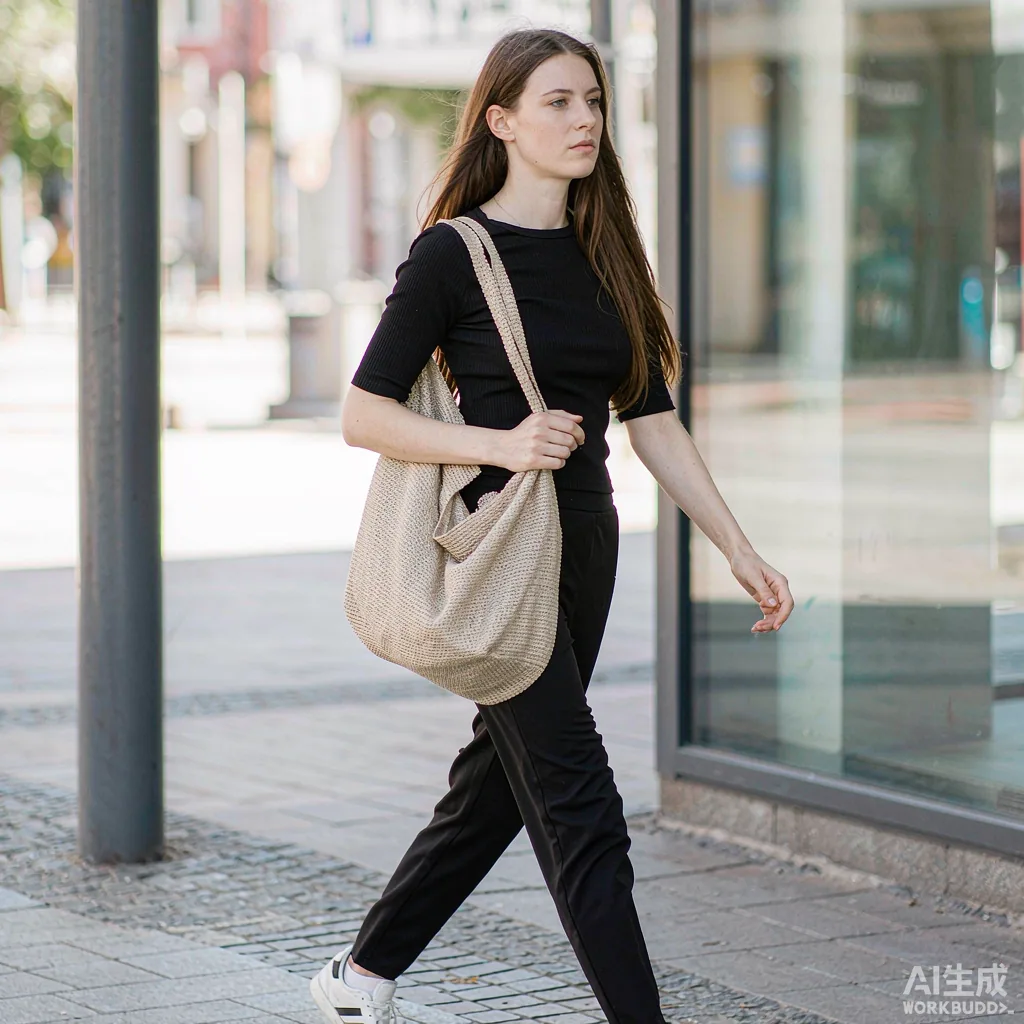
Presentation Format Recipients Actually Keep
Presentation decides whether a corporate gift survives the first week, and the wrong format undoes good specification work. A nested bag inside a rigid presentation box of about 400 by 320 by 80 mm reads as a considered gift; the same bag inside an opaque mailer reads as inventory. Given that the recipient list often sits near 120 names, presentation is usually viable where promotional runs are not, and it is where the incremental spend shows most.
Two details matter beyond the box itself. A short card stating what the piece is, which yarn it uses and how to wash it converts sustainability from a claim into a fact, and it answers the one question every recipient silently asks. Second, decide whether individual naming is required: names cannot economically be knitted into individual pieces at this quantity, so a woven name label applied afterwards is the practical route, and it adds one labour line rather than a re-run.
The Corporate Calendar Worked Back From December
Gifting calendars cluster hard in the fourth quarter, which compresses shipping slots just when demand peaks. Working backwards: sampling takes 7 working days, bulk takes 30 days, and sea transit plus customs entry to Europe or North America consumes another four to five weeks. A float around 11 weeks before the latest acceptable delivery date therefore protects the programme; anything less and freight mode becomes the only lever left.
That arithmetic puts a specification freeze in early September for December delivery, which is earlier than most procurement cycles want to hear and later than most creative teams think they need. The practical compromise is to freeze the measurable lines - capacity, load, internal sleeve, identity level - while the artwork itself stays open, because the construction does not depend on the logo file. Volume then becomes the only variable left to settle at the last responsible moment.
Checklist Summary to Send With the Gift Brief
Corporate gifting specification checklist
- Recipient count and whether the list can be split into two colourways at 100 pcs each.
- Paper format: A4 or US Letter, plus whether a conference folder must lie flat.
- Governing load case, usually about 2.2 kg rather than the heaviest possible.
- Identity level chosen from tone-on-tone, discreet wordmark or debossed badge.
- Lining where hard edges meet fabric, not across the whole interior.
- Presentation box dimensions near 400 x 320 x 80 mm, plus a fact card.
- Delivery date handled backwards about 11 weeks to protect the shipping leg.
Everything above can be assembled inside an afternoon, and doing so removes the second round of sampling that most gift programmes pay for unnecessarily. Where a gift piece needs to sit alongside wider ranges, the collection overview shows the structural families available, and the custom knit programme page covers how development slots are scheduled.
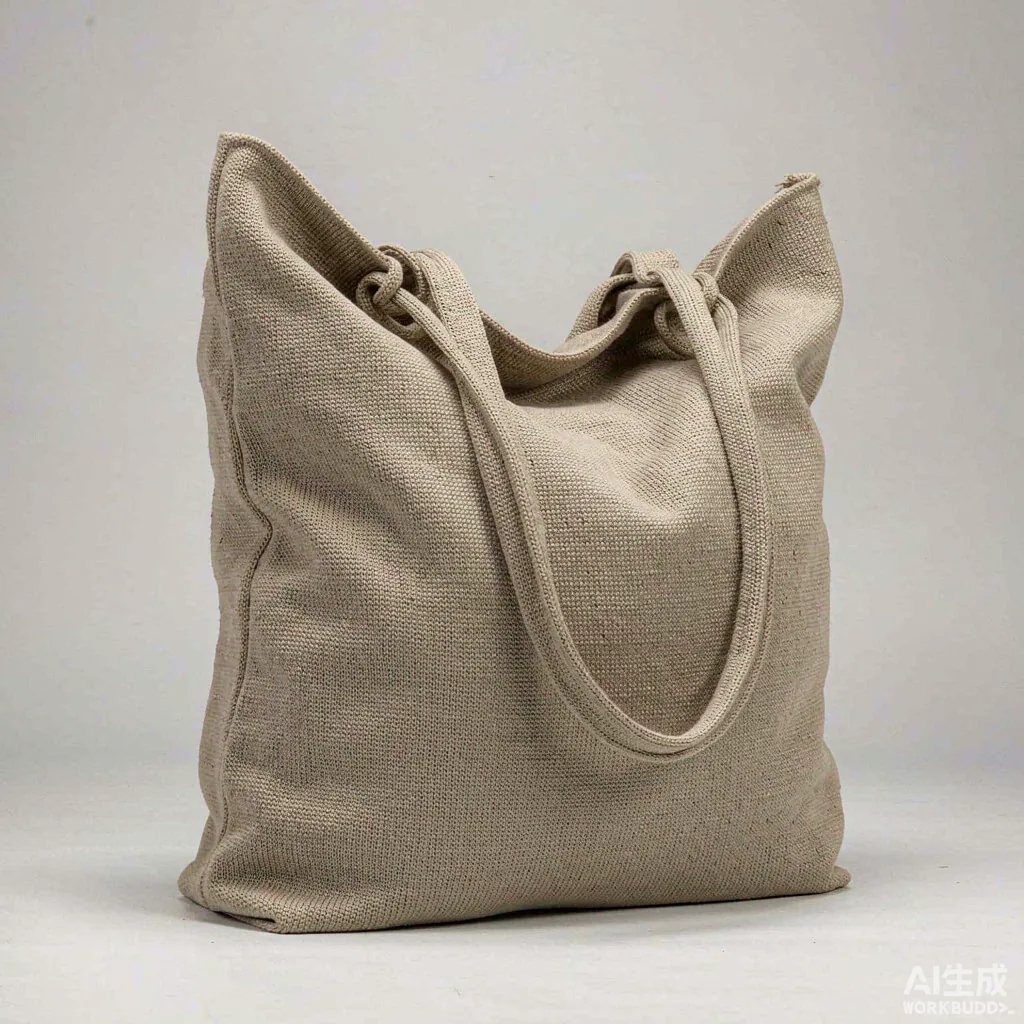
Sourcing Notes Buyers Ask About Late
Three questions come up almost every time, and all three are easier answered before production than after. Can colourways be split inside one order - yes, at 100 pcs per style and colourway, which is why a 120-name list usually runs one shade. Can the piece be reordered next year - yes, provided the base structure is kept in the file and the yarn lot is noted. Can mixed delivery addresses be handled - yes, though it belongs in the plan before cartons are packed rather than requested afterwards.
Verification closes the loop. Inspection to AQL 2.5 under ISO 2859-1, abrasion testing to ISO 12947-2 at the base corners, tensile checks to ISO 13934-1 on the strap join and colour-fastness work to AATCC 8 all sit in the acceptance file. Agreeing which of them is mandatory and which is advisory keeps the acceptance conversation short, and the decision belongs in the purchase order rather than in an email thread.
Specify a corporate gift around the recipient list
Send the recipient count, the paper format and the delivery month. The team returns a capacity figure, a load case, an identity recommendation sized to the audience and a calendar built on 7 working days sampling and 30-day bulk. Start on the contact page.
Frequently Asked Questions
How much should a knitted corporate gift bag hold?
About 10 L, roughly 38 by 28 by 10 cm, which takes a conference folder, a tablet and a notebook together. The binding dimension is the internal sleeve at about 320 mm, because a standard conference folder measures around 310 mm and has to lie flat. Anything smaller forces folding, which ends the gift.
What load should a corporate document bag be specified for?
About 2.2 kg for daily boardroom use, rising to roughly 3 kg when a laptop, water bottle and printed matter are included. Specify the governing case rather than the absolute worst case, then check strap width: below 25 mm, a strap twists under folder weight; above 38 mm it stops reading as executive.
Should a corporate gift bag have a lining?
Line the specific zones rather than the whole interior. A brushed liner in the device sleeve and the document pocket protects tablet backs from abrasion and stops metal pen corners working into the knit. A wipe-clean base panel is worth adding only when there is some chance of liquid inside.
How discreet should branding be on an executive gift?
Aim for around 120 by 40 mm or smaller. Above roughly that size most recipients reclassify the item as promotion rather than product and stop carrying it. Tone-on-tone structure works for the most conservative audiences, a small knitted wordmark for client gifting, and a 50 mm debossed badge where detail is fine.
How many colourways suit a corporate gift order?
One, for most lists of around 120 recipients, because the minimum is 100 pcs per style and colourway. Two colourways are workable where the list splits by seniority or by region, but the split should be read from the recipient data rather than chosen for visual variety.
Can individual recipient names be knitted into each bag?
Not economically at this quantity, because each variation needs its own machine programming. The practical route is a woven name label applied after knitting, which adds one labour line and keeps production standard. Agree naming before cartons are packed rather than raising it afterwards.
When should a December gift programme freeze its specification?
Around early September, roughly 11 weeks ahead, to protect the shipping leg. Sampling takes 7 working days, bulk takes 30 days, and sea transit with customs entry takes another four to five weeks. Freezing construction while artwork stays open is the usual compromise on the calendar.
How does presentation affect whether the gift is kept?
Substantially. A nested bag in a rigid box of about 400 by 320 by 80 mm reads as a deliberate gift, while the same piece in an opaque mailer reads as stock. A short card stating yarn content and care instructions also converts sustainability from a claim into something verifiable.
Which parts of a gift bag fail first in real use?
Base corners, from set-downs onto hard floors perhaps 500 times a year, and the shoulder fold where the strap meets the body panel. Both are handled by zoning: corner densification to about 20,000 rubs under ISO 12947-2 and an 80 mm reinforcement band running past the strap join.
Can a corporate gift bag be reordered the following year?
Yes, provided the base structure is kept on file and the yarn lot is recorded. Reorders at the 100-piece floor are entirely normal, and holding one colourway open in the file makes next year's repeat a revision rather than a fresh development cycle.
Which test evidence should accompany a gift shipment?
Inspection to AQL 2.5 under ISO 2859-1, abrasion to ISO 12947-2 at the corners, tensile to ISO 13934-1 at the strap join, and rubbing colour fastness to AATCC 8. Agree which is mandatory and which is advisory before production, and write it into the purchase order.
Is it better to gift one high-quality piece or a set?
One well-specified piece usually performs better, because recipients judge quality quickly and a set multiplies the chance one component disappoints. If a set is wanted, make every component share the same construction standard, so the weakest item does not define the whole impression.
How do A4 and US Letter change the specification?
A4 is 297 by 210 mm and Letter is 279 by 216 mm, so either fits inside a 320 mm sleeve. Letter is slightly narrower and slightly taller, so a sleeve cut for Letter can crowd A4 width. Specify the sleeve to whichever format dominates the recipient list, not to whichever is more common.
People Also Ask
What is the best knitted bag for corporate gifting?
A 10 L document carrier with a 320 mm flat sleeve, specified for about 2.2 kg, with identity sized near 120 by 40 mm. Discretion determines whether it stays in use.
Why do corporate gift bags need a bigger internal sleeve?
Because a conference folder measures about 310 mm. A sleeve under 320 mm forces folding, and once documents are folded, recipients stop treating the piece as something to carry.
Should executive gift bags be lined?
Partly. A brushed liner in the device sleeve and document pocket protects valuable surfaces and costs less than half of lining the whole interior, which rarely earns its keep in this category.
How far ahead should December gifts be ordered?
About 11 weeks, allowing 7 working days for sampling, 30 days for bulk and four to five weeks of sea transit and customs entry. Shorter windows leave only air freight.
Can corporate gift bags carry a large logo?
They can, but above around 120 by 40 mm most recipients read them as promotional items. For use after the gifting date, tone-on-tone structure or a small badge performs better.
Sources and further reading
Every figure on this page is either our own programme data or attributed below. Open the originals before you write them into a specification.
- ISO 12947-2:2016 - Textiles, determination of abrasion resistance by the Martindale methodISO Used to set rub figures on the base corners of document carriers.
- ISO 13934-1:2013 - Textiles, tensile properties of fabrics, Part 1: maximum force using the strip methodISO Referenced for verification of the strap join under load.
- AATCC colour fastness test methodsAATCC Applies to rubbing fastness where a bag is carried against tailoring.
- Recycled Claim Standard and Global Recycled StandardTextile Exchange Documentation behind recycled yarn statements made on the fact card.
- ISO 2859-1 - Sampling procedures for inspection by attributes, Part 1: AQL-indexed sampling schemesISO Defines the sampling plan behind an AQL 2.5 acceptance agreement.
Why Discretion Beats Visibility in This Category
Every measurement in executive gifting points the same way: a piece that survives in daily use delivers far more value than one that announces itself on the first day and is retired on the second. That is why the identity recommendation here sits below what most campaign artwork asks for, and why the capacity figures are driven by paper format rather than by trend. The trade is visibility for longevity, and in this category longevity wins consistently.
Keep one record from the programme: which format actually got carried. A follow-up six months after the gift date, even informally through sales contact, gives better specification input for the following year than any amount of internal debate. Programme records since 2014 show the same pattern across many client categories: the pieces that get carried are the ones whose identity was sized to the recipient rather than to the brief.