3D Knit Capacity Planning: The Checklist That Turns 7 Lines and 200,000 Pcs a Month Into Real Dates
How do you turn a monthly capacity figure into a delivery date you can plan around? Seven production lines running about 200,000 pcs a month is roughly 950 pieces per line per working day at 85% utilisation, or about 6,650 pieces a day across the programme. Ten numbers convert that into a date: quantity per colourway, colourway count, cycle time, changeover count, yarn lead time, trim lead time, inspection level, packing spec, shipping window and the reserve you want held. This article is a working checklist through all ten.
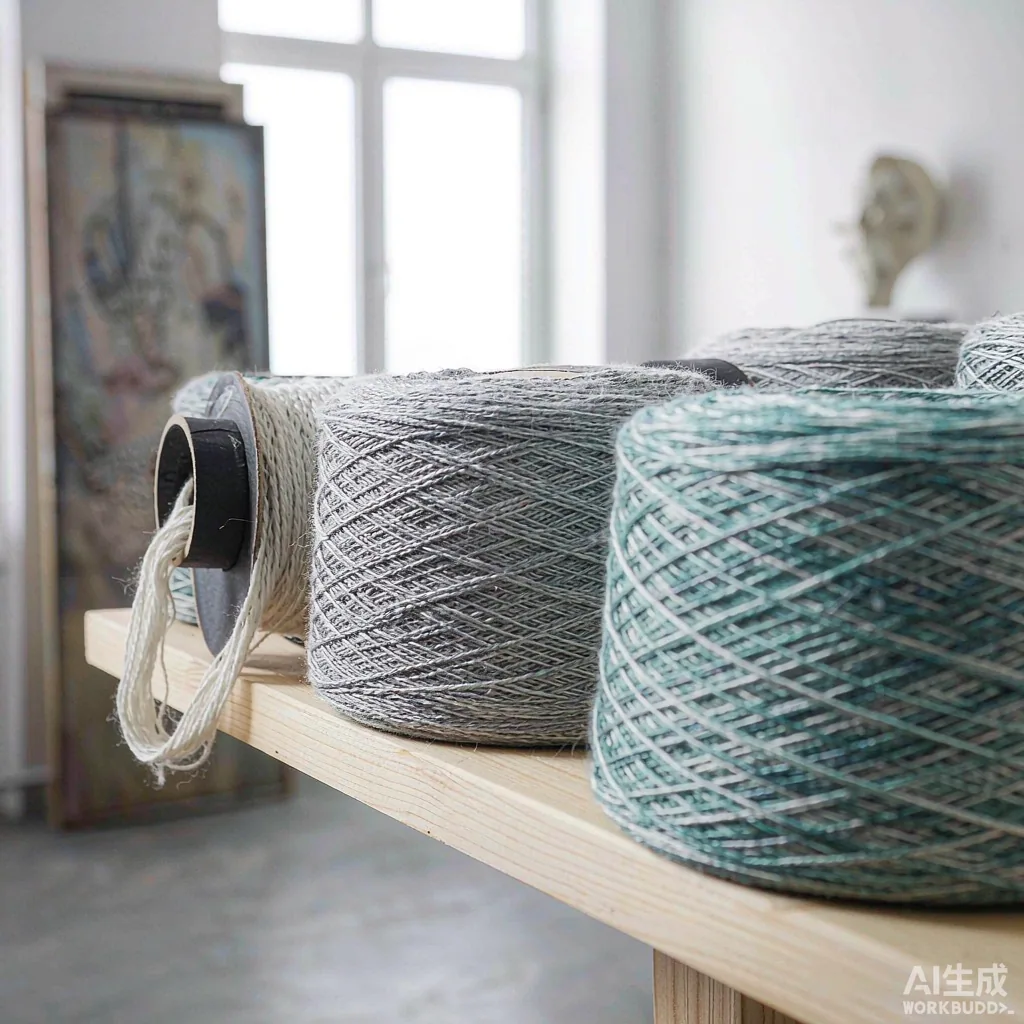
What Capacity Actually Means on a Knit Programme
Monthly capacity is a ceiling, not a promise: 7 production lines running about 200,000 pcs a month means about 6,650 pieces per working day across the programme, and a buyer's realistic share of that depends on how much changeover time their particular mix consumes.
The distinction matters because two buyers placing the same total quantity can occupy very different amounts of capacity. One order of 3,000 pieces in a single colourway occupies one set-up and runs continuously. Three orders of 1,000 pieces in three colourways occupy three set-ups, three first-piece checks and three changeovers, and the changeover is 45 minutes on a knitting line plus about 20 minutes downstream. The total pieces are identical; the capacity consumed is not. This is why MOQ is stated per style and per colourway rather than per order, and why a buyer who consolidates colourways gets a better date than one who splits them.
There is a second, larger point. Capacity is not the constraint most of the time; yarn is. A bed that sits idle because the specified count and shade have not arrived is capacity that cannot be sold to anyone, which is why the yarn booking horizon sits at the front of every planning conversation and why the ten-item checklist below leads with it.
The Capacity Checklist: Ten Numbers Before You Book
Ten numbers turn a capacity figure into a date, and the four most often missing are the cycle time the buyer has been quoted, the changeover count implied by the colourway split, the yarn lead time for the specified shade, and the reserve the buyer wants held for a repeat.
- Quantity per colourway, because MOQ is 100 pcs per style and per colourway, not per order.
- Colourway count, because each one is a separate yarn set-up and a separate 45-minute changeover.
- Cycle time per piece, which converts quantity into hours on the bed: about 9 minutes at E12 in 300D.
- Changeover count, at 45 minutes on the knitting line plus about 20 minutes downstream.
- Yarn lead time for the specified count and shade, typically up to 10 days for a custom or dope-dyed shade.
- Trim lead time, which is why the checklist asks for stock trims wherever possible.
- Inspection level, because Level II draws a sample of 200 on a 4,000-piece lot and Level I draws 80.
- Packing specification: carton count, labelling and documentation, which occupy the last days of the window.
- Shipping window and incoterm, FOB Xiamen as standard with CIF and DDP available.
- Reserve: whether the buyer wants capacity held for a repeat, typically 15% of the monthly figure.
A buyer who supplies all ten gets a date that holds. A buyer who supplies quantity and target date gets a date that moves, because the remaining eight numbers then have to be assumed, and assumptions made at quotation become disputes at delivery. The cost of supplying them is one page of a brief.
Lines, Days and the Arithmetic Behind 200,000 Pcs
Seven production lines at about 200,000 pcs a month work out to roughly 28,570 pieces per line per month, about 1,099 per line over 26 working days, and about 950 per line per day once utilisation is taken at 85%.
The 85% figure is doing real work in that arithmetic and is worth stating explicitly. It covers changeovers, maintenance, first-piece checks, rework and the small stoppages that no schedule ever captures. A plan built on 100% utilisation is a plan that fails in the first week, and a buyer who asks what utilisation was assumed is asking a better question than one who asks what the headline capacity is. Across the whole programme the daily figure is about 6,650 pieces, which is the number to hold in mind when assessing whether a requested quantity fits inside a requested window.
| Measure | Figure | How it is derived | What moves it |
|---|---|---|---|
| Monthly capacity | about 200,000 pcs | Programme total across all lines | Gauge mix and style complexity |
| Lines | 7 | Fixed capacity base | Maintenance and style allocation |
| Per line per month | about 28,570 pcs | 200,000 divided by 7 | Gauge mix |
| Per line per day | about 950 pcs | 28,570 over 26 days at 85% utilisation | Changeover count and rework |
| Per hour per line | about 95 pcs | 950 over a 10-hour shift | Cycle time per piece |
| Programme per day | about 6,650 pcs | 950 multiplied by 7 | Style mix across lines |
| Changeover | 45 minutes knitting, 20 downstream | Per style and per colourway | Colourway count |
Changeover Cost: Why Colourway Count Matters More Than Quantity
A colourway change costs 45 minutes on a knitting line plus about 20 minutes downstream, so a 300-piece order split three ways pays 195 minutes of changeover that a single 300-piece run would not, and that is more time than the knitting of 21 pieces at E12.
The arithmetic is unflattering to splitting. Three colourways of 100 pieces each carry three set-ups and three changeovers against one for a 300-piece single colourway, which is 195 minutes of non-producing time against 65. At a 9-minute cycle that difference is about 14 pieces of output, and it lands on the same day as everything else. The commercial answer is not to refuse the split — colourways are usually the point of the product — but to price and schedule it honestly, and to consider whether a dope-dyed yarn in one count can be run in sequence rather than interleaved, because consecutive colourways on the same bed shorten the changeover considerably.
How to reduce changeover cost
- Consolidate colourways where the brief allows: one set-up instead of three saves 130 minutes.
- Run colourways consecutively on the same bed rather than interleaving them.
- Keep the trim set common across colourways, so only the yarn changes at set-up.
- Book the yarn for all colourways at once, so the shade sequence is known before scheduling.
- Hold the programme revision constant across colourways: a revision change is another set-up.
Booking Horizon: Yarn, Trim and the Ten Days Before Day One
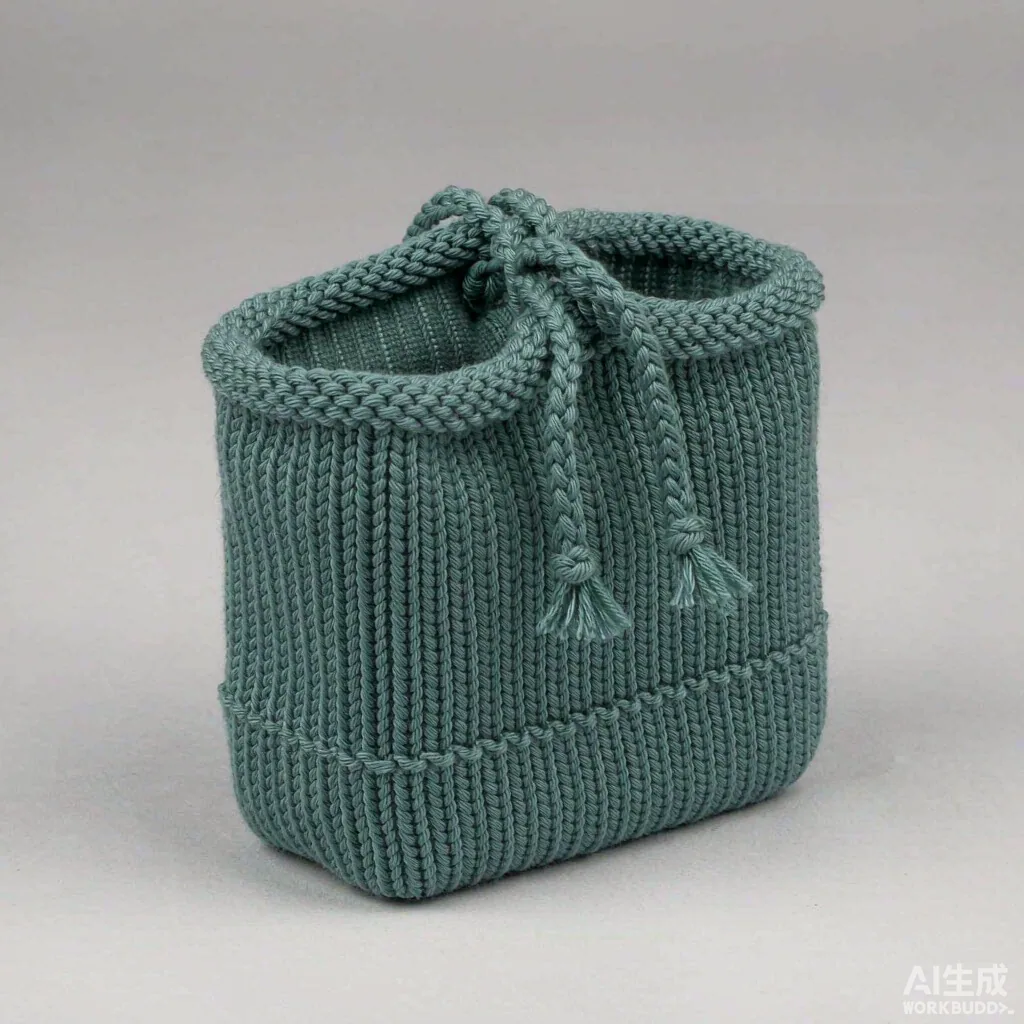
Yarn in the specified count and shade is the longest-lead item in a knit programme at up to 10 days or more for a custom or dope-dyed shade, and it sits in front of both the 7-working-day sampling clock and the 30-day bulk clock.
This is the item that most often decides whether a date holds, and it is the one buyers can influence at the least cost. A stock count in a stock shade can be available immediately; a custom count or a new dope-dyed shade runs to 10 days or more before it is on the cone; and recycled content adds a documentation step, because a Global Recycled Standard transaction certificate is issued against a named lot and takes time to raise. Trim is the second horizon and the more variable one, because a stock zip or D-ring is immediate while a custom moulded component can run longer than the yarn. The practical rule is to ask for both horizons in writing at quotation, and to treat any figure quoted without them as provisional.
- Sampling window
- 7 working days from a signed tech pack
- Bulk window
- 30 days from handover of the approved sample
- Yarn booking horizon
- up to 10 days or more for a custom or dope-dyed shade
- Stock count and shade
- available immediately where the programme allows
- Recycled content documentation
- GRS transaction certificate issued against the named lot
- Trim horizon
- stock items immediate, custom moulded components longer
Peak Season and the 15% Reserve
Holding about 15% of monthly capacity as a reserve is what lets a repeat order or a mid-season reorder land inside the standard window rather than outside it, and it is a decision made at programme level rather than per order.
The reserve exists because knit programmes are seasonal in a way that capacity is not. Buyers place the bulk of their volume against two or three delivery windows a year, and a facility that fills every slot as it is requested has nothing left when a reorder arrives in week four of a strong season. Reserving 15% of roughly 200,000 pcs a month sets aside about 30,000 pieces, which is enough to absorb a mid-season reorder of meaningful size without displacing anything already booked. A buyer who places repeat programmes should ask whether a reserve is held in their name, because that question converts a promise into an allocation.
Booked capacity
Allocated against confirmed orders with a schedule freeze. Displacing it requires agreement from everyone affected.
Reserve
About 15% held back for reorders and in-season repeats, roughly 30,000 pcs a month at current capacity.
Maintenance and changeover
The 15% of time not counted as utilisation, covering set-ups, checks, rework and stoppages.
Contingency
Held against a yarn delay or a failed inspection, which is where most date slips actually originate.
Splitting a Lot Across Colourways and Styles
The rule for splitting is that MOQ applies per style and per colourway at 100 pcs, so a three-colourway programme books 300 pieces minimum, and the scheduling consequence is three set-ups rather than one.
Where a buyer wants a smaller run per colourway, the options are structural rather than negotiable. Reduce the colourway count and increase the quantity per colourway. Run one body colourway with contrast trim, which gives visual range without a yarn set-up. Or accept a longer window, because a small run per colourway consumes capacity out of proportion to its quantity. What is not available is a lower MOQ, because the set-up cost does not fall when the run does: the same file load, cone change and first-piece check are required for 100 pieces as for 1,000.
What to Confirm Before the Schedule Is Frozen
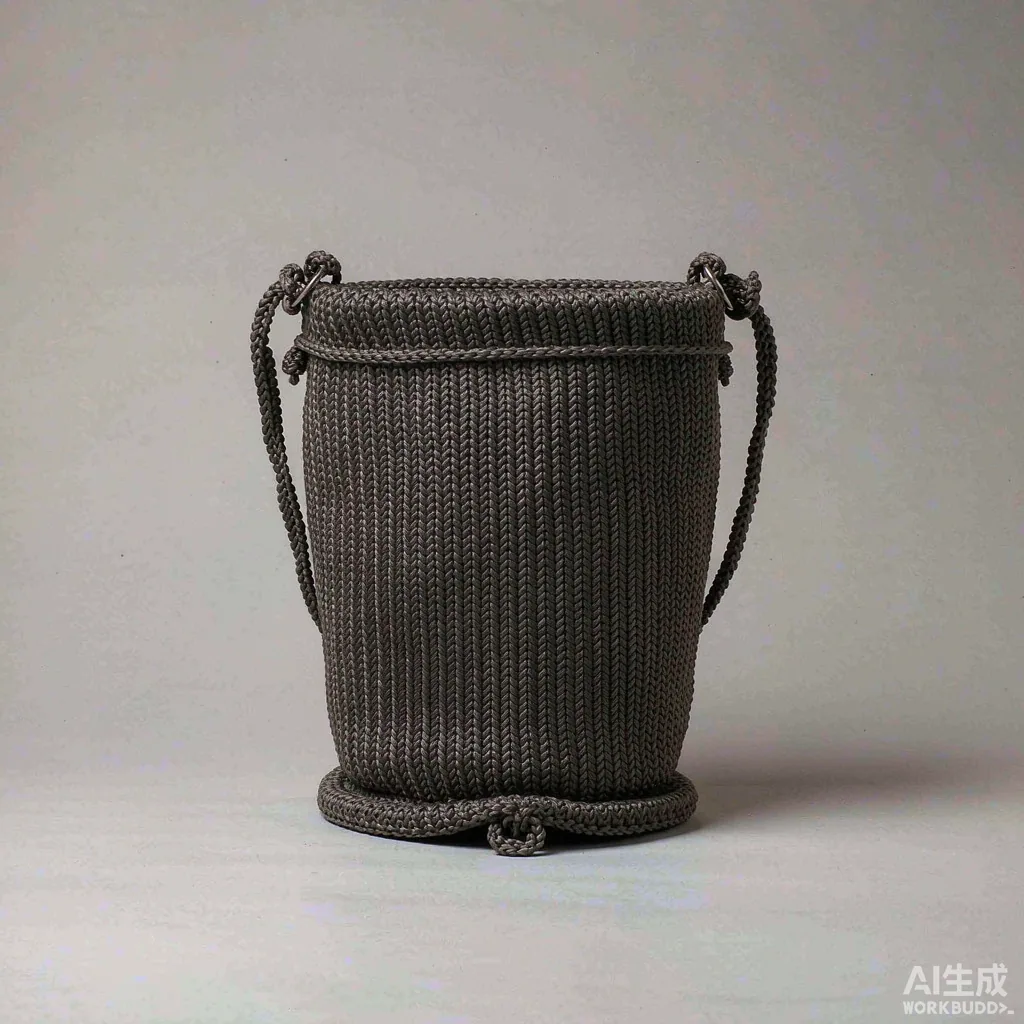
Eight items should be confirmed before a production slot is frozen, and the three that most often change afterwards are the colourway split, the programme revision and the packing specification — all three of which cost capacity rather than money.
- Quantity per colourway and the total, confirmed rather than estimated.
- Programme revision number matching the tag on the approved sample.
- Yarn count, shade and lot reference, booked or with a stated horizon.
- Trim list confirmed against stock, with any custom component lead time stated.
- Cycle time per piece and the resulting hour count on the bed.
- Inspection level and defect classification, agreed in writing before production.
- Packing specification: carton count, labelling, documentation and any retail packing.
- Incoterm and shipping window: FOB Xiamen standard, CIF and DDP available.
A freeze is worth insisting on because the cost of a change rises steeply after it. Before the freeze, a change to the colourway split is a scheduling edit. After it, the same change displaces another buyer's slot, and a displacement is not something a schedule can absorb quietly. Five working days is a reasonable freeze point for a standard programme, and longer where a custom yarn or moulded trim is involved.
Expediting: What Can and Cannot Be Compressed
Of the 30 days in a bulk window, roughly 8 can be compressed and roughly 10 cannot: knitting, finishing and inspection can be run concurrently or extended, while yarn booking and any custom trim lead time are fixed by the supplier rather than by the schedule.
The honest answer to a request for a shorter window is therefore a question about where the time is going. If the programme is waiting on yarn, nothing in the production schedule will help, and the only lever is a stock count or shade. If it is waiting on knitting, the levers are more lines, extended shifts and fewer changeovers, and all three are available at a cost. If it is waiting on inspection, the lever is to agree the defect classification earlier so the release is not argued at the carton. Buyers who ask which of the three applies get a real answer; buyers who ask for a shorter date get a date that moves. For the cycle-time variables behind the hour count, see cycle time drivers in seamless knitting.
Check your quantity against real capacity
Send the quantity per colourway, the target date and the shipping window. Our knit team will return a cycle-time hour count, a changeover allowance and a confirmed slot against MOQ 100 pcs per style, 7 working days of sampling and 30 days of bulk production. Start on the contact page.
Frequently Asked Questions
What does 200,000 pcs a month mean for a single order?
It is a ceiling across the whole programme, not a per-order promise. Seven lines give about 6,650 pieces per working day, and a buyer's share depends on how much changeover time their colourway and style mix consumes rather than on their total quantity alone.
How many pieces does one knitting line produce per day?
About 950 pieces, derived from roughly 28,570 per month over 26 working days at 85% utilisation. The utilisation figure covers changeovers, maintenance, first-piece checks, rework and stoppages, and a plan built on 100% will not hold.
Why is MOQ stated per colourway rather than per order?
Because each colourway is a separate yarn set-up on the bed, with its own file load, cone change and first-piece check. The set-up cost does not fall when the run does, so 100 pcs per style and per colourway is the point at which a run becomes viable.
How much time does a colourway changeover take?
About 45 minutes on a knitting line plus about 20 minutes downstream for trim jigs. Three colourways of 100 pieces each therefore carry 195 minutes of changeover against 65 for a single 300-piece run, which is roughly 14 pieces of output at a 9-minute cycle.
Can I order fewer than 100 pcs per colourway?
Not as a standard programme. The options are structural: reduce the colourway count, run one body colourway with contrast trim, or accept a longer window. A lower MOQ is not available because the set-up cost is the same for 100 pieces as for 1,000.
What is the longest lead item in a knit programme?
Yarn in the specified count and shade, at up to 10 days or more for a custom or dope-dyed shade. It sits in front of both the 7-working-day sampling clock and the 30-day bulk clock, which is why it decides more dates than any production factor.
Does recycled content add lead time?
It adds a documentation step. A Global Recycled Standard transaction certificate is issued against a named yarn lot and takes time to raise, so requesting it at yarn booking rather than at shipment keeps it out of the critical path.
What is a capacity reserve and why does it matter?
About 15% of monthly capacity held back for reorders and in-season repeats, roughly 30,000 pieces at current capacity. Without it, a facility that fills every slot as requested has nothing left when a reorder arrives in a strong season.
What should be confirmed before a production slot is frozen?
Eight items: quantity per colourway, programme revision matching the approved sample tag, yarn count and lot, trim list with any custom lead time, cycle time, inspection level and defect classification, packing specification, and incoterm with the shipping window.
How long before the start should the schedule be frozen?
Five working days is reasonable for a standard programme, and longer where a custom yarn or a moulded trim component is involved. Before the freeze a change is a scheduling edit; after it the same change displaces another slot.
Can a bulk order be produced faster than 30 days?
Partly. Knitting, finishing and inspection can be compressed with more lines, extended shifts and earlier agreement on defect classification. Yarn booking and custom trim lead time cannot, because they are set by the supplier rather than by the schedule.
What does utilisation of 85% cover?
Changeovers, maintenance, first-piece checks, rework and the small stoppages no schedule captures. It is why 28,570 pieces per line per month becomes about 950 per day rather than about 1,099, and it is the figure worth asking about at quotation.
How do I know whether my quantity fits my requested window?
Convert quantity into hours on the bed using the cycle time for your gauge and count, add the changeover count for your colourway split, and compare against about 6,650 pieces a day across the programme. Supply the ten checklist numbers and the answer is exact rather than approximate.
Does a larger order get a better date?
Not necessarily. A single colourway of 3,000 consumes less capacity than three colourways of 1,000, because it needs one set-up rather than three. Consolidating colourways is usually a faster route to a better date than increasing quantity.
What incoterm applies and does it affect the date?
FOB Xiamen is standard, with CIF and DDP available. The incoterm determines who books and pays for main carriage; it does not change the 30-day bulk window, which runs to the point the goods are ready.
What is the reference unit cost against this capacity?
USD 4.80 for a standard E12 tote at specification. The figure moves with gauge, yarn count, finished GSM, trim set and quantity per colourway, so it should be read as an anchor for a defined specification rather than a general price.
People Also Ask
How is knit bag production capacity measured?
In pieces per month across available lines, then converted to pieces per day using a utilisation assumption. Seven lines at about 200,000 pcs a month give roughly 6,650 pieces per working day at 85% utilisation.
Why does my delivery date move after I place the order?
Usually because a checklist item was assumed rather than confirmed. Yarn lead time, colourway count and programme revision are the three most common, and each costs capacity rather than money.
Is it better to order one colour or several?
One colour, on capacity grounds. Each additional colourway adds a 45-minute knitting changeover plus about 20 minutes downstream, and the set-up cost is the same regardless of run size.
What is a schedule freeze?
The point after which changes to quantity, colourway split or revision displace other booked slots rather than being absorbed as an edit. Five working days before start is typical for a standard programme.
Can capacity be reserved for a repeat order?
Yes, and it is worth asking. A reserve of about 15% of monthly capacity, roughly 30,000 pieces, is what lets a mid-season reorder land inside the standard window instead of outside it.
Sources and further reading
Every figure on this page is either our own programme data or attributed below. Open the originals before you write them into a specification.
- ISO 2859-1:2026 — Sampling procedures for inspection by attributes, Part 1: AQL-indexed sampling schemesISO Defines the inspection level and sample size that occupy the last days of the production window.
- Recycled Claim Standard and Global Recycled StandardTextile Exchange Chain-of-custody standard behind the transaction certificate issued against the yarn lot booked in the horizon.
- amfori BSCI — business social compliance initiativeamfori The social-compliance framework referenced for the production base behind the capacity figure.
- Sedex and SMETA ethical trade auditSedex The audit framework referenced alongside BSCI for the production base running the programme.
- OEKO-TEX STANDARD 100OEKO-TEX Finished-textile testing for harmful substances, requested alongside REACH and Prop 65 on knit bag programmes.
Ask for the Utilisation Figure, Not the Headline
Two facilities quoting the same monthly capacity can deliver very different dates, and the difference is almost always the utilisation assumption and the changeover allowance behind the headline. Asking what utilisation was assumed, what a colourway changeover costs, and what the yarn horizon is for the specified shade takes two minutes and converts a headline into a plan.
For the cycle-time variables behind the hour count on the bed, see cycle time drivers in seamless knitting. For the programme windows that sit around the schedule, see custom knit bags.