United States Bag Buyer Requirements: What Clears a Knit Bag Order
What does a United States buyer require before accepting a knitted bag order? Three things arrive before anything else: a CPSIA assessment where the article is aimed at children, a California Prop 65 position on listed substances, and country of origin marking that survives a Customs review. Behind those sit retailer-specific social compliance programmes and a test series more likely to be ASTM than ISO. None change the knitting, and all three can hold a shipment at the port.
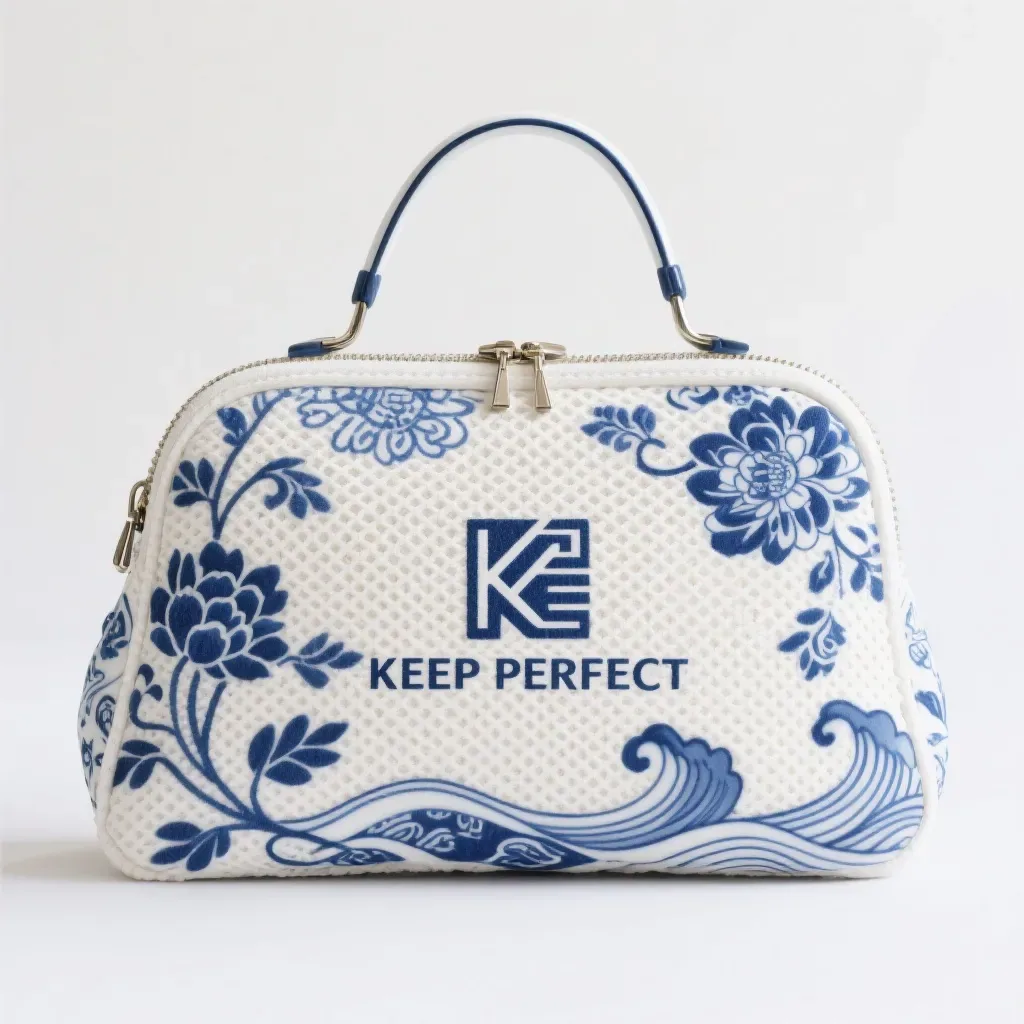
A First Shipment Worth Telling Once
Consider the shape of a typical first order. A accessories brand places 600 pieces across three colourways, everything is sampled and approved, the goods pack cleanly and inspection passes at AQL 2.5 under ISO 2859-1. Then the shipment waits. Nothing is wrong with the bag; what is missing is a warning position for a listed substance and an origin label in the format the border expects. Two documents, one held shipment.
That sequence is common enough to be worth planning against, because its cause is structural rather than careless. United States requirements attach at different points than European ones: some are enforced at the border, some by state rather than federal authority, and some by the retailer's own compliance desk. A European file, however thorough, does not answer them.
The lesson is not that the United States is harder. It is that the two markets ask different questions, and each file has to be built separately. Programmes that prepare both at quotation stage find that the second file costs a fraction of the first, because much of the underlying data is shared and only the framing differs.
The Three Documents Requested First
Order matters here because these three decide whether anything else is even discussed. A CPSIA position establishes whether the article is treated as one for children. A Prop 65 position establishes whether a warning is needed in the largest state market. Origin marking establishes whether the goods clear the border at all. Each can be resolved before sampling rather than after it.
- Document one
- CPSIA: children's product determination, lead and phthalate testing where applicable, tracking label
- Document two
- California Prop 65: listed substance assessment and either a warning or a reformulation decision
- Document three
- Country of origin marking meeting border requirements, plus fibre content and care labelling
- Supporting test series
- ASTM methods more often than ISO for United States programmes
- Customs classification
- Heading 4202 for most bag articles, with duty following the classification
- Retailer layer
- Social compliance programmes required by the account rather than by law
- Programme constants
- 100 pcs per style and colourway, 7 working days sampling, 30 days bulk
- Trade term
- FOB Xiamen quoted, with CIF and DDP available for landed comparison
CPSIA: When a Bag Is an Article for Children
The Consumer Product Safety Improvement Act is where most of the confusion sits, because it applies according to how an article is marketed rather than according to what it is. A small backpack sold with a cartoon motif in a children's department is treated differently from the identical construction sold as a general accessory. That determination should be made in writing before testing is commissioned.
Where the article is a children's product, three obligations follow. Lead content in accessible substrates is limited, commonly referenced at 100 parts per million. Certain phthalates are restricted in children's articles at very low percentages. And a permanent tracking label must identify where and when the article was produced, along with enough detail to trace the batch.
The practical trap is the word 'accessible'. A lining, a print or a coating can be accessible even when the body fabric is not, so testing scope has to follow every component rather than the panel alone. Programmes that test only the outer body regularly pass their own test and fail the buyer's, which is a worse outcome than having failed earlier.
Prop 65: Warn or Reformulate
California's Proposition 65 requires a clear warning before exposing anyone to a listed substance above established levels, unless exposure falls below a safe harbour. The list runs to several hundred substances and is maintained by the state environmental health agency, so it covers more ground than most restricted substance lists used elsewhere.
| Approach | What it involves | When it is chosen | What it costs |
|---|---|---|---|
| Test and certify below level | Screen affected components and hold dated results | Where the substance is incidental and levels are reliably low | Testing cost per style, repeated if components change |
| Apply a compliant warning | Place the prescribed warning on product or packaging | Where reformulation is impractical or the risk is uncertain | Artwork time, plus the commercial effect of the wording |
| Reformulate away from it | Change the ingredient, coating or dye carrying the substance | Where the substance is structural to the current recipe | A sample round and a re-test cycle |
| Do nothing | Assume it does not apply | Almost never defensible for a distributed article | Enforcement exposure borne by whoever sells it |
The mistake worth naming explicitly is treating this as a paperwork question that can be deferred. It is a formulation question. Whether a particular hardware coating or print paste carries a listed substance is decided in the specification, and no amount of documentation produced later changes the answer.
Origin Marking and Textile Labelling
Origin marking is enforced at the border, which makes it unusually consequential. The requirement is straightforward: goods must be marked so the ultimate purchaser can see the country of origin, in a permanent and legible form placed conspicuously. For a bag that almost always means a sewn-in label rather than a printed carton, though both may be needed depending on how the article is packed.
- Mark the article itself where the nature of the goods permits, which it usually does for bags.
- Keep the marking permanent, legible and conspicuous to the ultimate purchaser at the point of sale.
- Match the carton marking where the outer case might be the thing examined.
- State fibre content using the accepted generic fibre names and percentages.
- Give care instructions in the recognised symbols, checked against what the article can survive.
- Check artwork before bulk, because relabelling after arrival is disproportionately expensive.
Fibre content and care labelling sit alongside origin rather than replacing it, and both are commonly checked together. A knitted body is easy to state by fibre, but a trims list including any coating or leather component still has to be reflected, and mismatches between label and construction are among the easiest findings for anyone reviewing a sample. The safest method is to write the label from the approved bill of materials rather than from the design drawing, because the drawing reflects intent and the label has to reflect what was actually shipped.
ASTM Versus ISO: Which Series to Specify
United States programmes more often ask for ASTM methods than for the ISO series used in Europe. The two cover the same ground with different apparatus and reporting, so results are rarely interchangeable. Requesting both is possible but rarely necessary; requesting the wrong one produces a report the technical team cannot compare against its own baseline.
Tensile and grab tests
ASTM D5034 is commonly cited where ISO 13934-1 would be used in Europe. Choose one series per programme and hold it constant.
Abrasion resistance
ASTM D4966 is the frequent counterpart to ISO 12947-2. Results do not correlate cleanly across the two methods.
Tear resistance
Elmendorf tear under the ASTM equivalent serves where ISO 13937-2 is cited elsewhere. Context is usually the joint rather than the body.
Colour fastness
AATCC methods including rubbing and laundering are widely used, with grade 4 a common commercial target.
Children's product testing
Lead and phthalate testing follow CPSC methodologies rather than voluntary standards, so ask specifically.
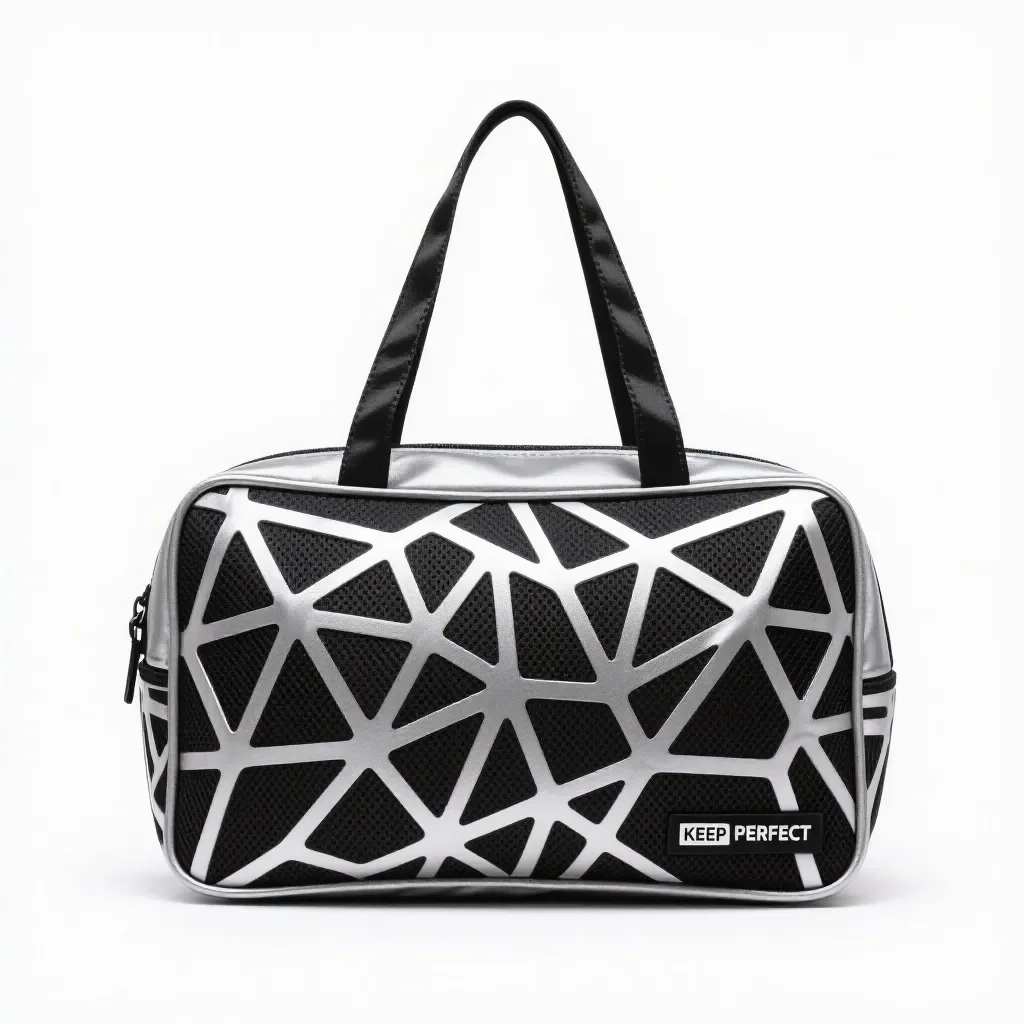
Classification, Duty and the Border
Duty follows classification rather than appearance, and most bag articles are classified under heading 4202 of the Harmonized System. Two details matter commercially. The specific line depends on the outer surface material and the construction, so a knitted body may not sit where a team assumed, and classification errors discovered at import are corrected retroactively rather than prospectively.
The second detail is that all is not lost where duty is high: some programmes route through bonded arrangements or re-export the goods. Those are decisions for whoever is the importer of record, which is decided by the trade term. Under FOB Xiamen the buyer's side handles this; under DDP more of it sits with whoever arranged delivery. Naming that at quotation prevents the most common landed cost surprise.
The quiet duty trap
- Duty follows classification, and classification depends on construction.
- Ask before promising a landed figure, not after the goods arrive.
The Retailer Layer Above the Law
Retail requirements sit on top of legal ones and are often stricter in practice than anything a regulator asks. A large account may require social compliance evidence, may run its own restricted substance list that differs from the statutory one, and may require its own packaging and labelling formats regardless of what the law permits.
The distinguishing feature of that layer is variability. Two accounts in the same country can require different things, which is why asking for the specific requirement document is more useful than asking whether the programme is compliant. Most programmes are compliant against something; fewer are compliant against the document that the particular account will enforce.
Where Knit Helps and Where It Does Not
A shaped knit construction helps in a specific, unglamorous way: it has fewer components. Every trim is a component that can carry a listed substance, must be named in the fibre statement and adds a line to the restricted substance screening. Removing interlining, edge binding and separate liners removes those lines along with the grams.
It also helps with the tracking label question, because batch identification is simpler where fewer inputs enter the article. Where an account wants traceability rather than merely a declaration, being able to name the yarn lot and the trim source for a batch is a genuine advantage, and it costs nothing extra to record during normal production.
What knit does not do is change any legal threshold. A children's product determination still applies by intended use, Prop 65 still asks about listed substances wherever they come from, and origin marking is unchanged. Buyers who expect the construction to reduce regulatory obligations are disappointed, while those who use it to shorten the evidence list tend to be pleasantly surprised.
Building a File That Clears Twice
The efficient approach is one file with two sections rather than two files. Section one holds the shared evidence: material breakdown by mass, physical test results with methods named, the trims list with every polymer, and any certificate chain behind a claim. Section two holds jurisdiction-specific answers: the CPSIA determination, the Prop 65 position, the marking artwork and the social compliance report.
Two rules keep that file working. Re-check anything carrying a revision date once per season rather than once per product, because lists and rules move. And require notification before any component material changes, since a substitution can invalidate several answers at once while looking like an administrative detail.
For comparison, the European equivalent covers REACH, ISO methods and end of life obligations, while what differs regionally sets out the order in which these questions should be asked before any specification is written.
Packaging Evidence a US Buyer Will Ask For
Two pieces of packaging evidence decide most first orders from the United States, and neither is the bag. The first is a carton specification that survives the distribution centre: burst strength or edge crush test value, the closure method, and the weight limit per carton - many warehouse receivers simply refuse cartons over 15 kg without a reason code. The second is the marking and barcode set, because a carton that cannot be scanned at the dock is a chargeback before anyone sees the goods. Ship a marked sample carton ahead of the production shipment when the volume justifies it; the cost is small next to the value of the goods, and it clears a clause that otherwise stalls the invoice.
- Carton specification with burst strength or edge crush value, closure method and maximum gross weight.
- Shipping mark layout plus a GS1-128 or UPC barcode that scans cleanly at the receiving dock.
- Packing list that reconciles carton count, piece count and colourway split to the purchase order line.
- Country of origin marking placed where the receiver can read it without opening the carton.
- Care and content labelling aligned to the FTC textile rules for fibre content and origin.
Prepare the United States compliance file
Send the market, whether the article is aimed at children, and the intended trade term. We will assemble the shared evidence and quote FOB Xiamen at 100 pcs per style and colourway with 7 working days sampling and 30 days bulk. Start on the contact page.
Frequently Asked Questions
What documents do United States bag buyers request first?
A CPSIA determination including any children's product testing, a California Prop 65 position on listed substances, and country of origin marking meeting border requirements. These three decide whether anything else reaches discussion, and all can be resolved before sampling begins.
When does CPSIA apply to a bag?
When it is marketed as an article for children, which depends on intended use rather than on construction. Where it applies, lead limits, phthalate restrictions and a permanent tracking label all follow, and testing scope should include accessible coatings and prints.
What is the lead limit under CPSIA?
Lead in accessible substrates of children's products is commonly referenced at 100 parts per million, with certain phthalates restricted at very low percentages. The limit is only part of the obligation; the tracking label and testing scope matter just as much.
How should a buyer respond to a Prop 65 finding?
With one of three real options: test and certify exposure below the safe harbour, apply the prescribed warning, or reformulate the component carrying the substance. Doing nothing is not defensible for an article distributed into California.
Where must the country of origin appear?
On the article itself where its nature permits, which it usually does for bags, in a permanent and legible form visible to the ultimate purchaser. Carton marking may also be required depending on how the goods are packed for entry.
Are ASTM and ISO results interchangeable?
Rarely. The methods use different apparatus and reporting, so results do not correlate cleanly. Pick one series per programme and hold it constant, because comparing against the wrong baseline costs more than the extra test would have.
Which methods do United States programmes usually cite?
ASTM D5034 for tensile where ISO 13934-1 would be used in Europe, ASTM D4966 for abrasion alongside ISO 12947-2, and AATCC methods for colour fastness including rubbing and laundering, with grade 4 a frequent commercial target.
How is duty determined on a knitted bag?
By classification rather than appearance. Most bag articles fall under heading 4202, though the specific line depends on outer surface material and construction, so confirming before shipment is safer than assuming the obvious heading applies.
Do retailers require more than the law does?
Often. Large accounts may enforce their own restricted substance lists, require social compliance evidence and specify labelling formats beyond statutory minimums. Asking for the specific requirement document is more useful than asking whether a programme is compliant in general.
Is social compliance evidence needed per order?
Usually per audit cycle rather than per shipment, though the account decides. Because evidence renews independently of an order calendar, requesting it at quotation stage is reliable while requesting it close to a delivery often is not.
What should fibre content cover?
The whole article as presented, including lining, coating and any leather or synthetic trim. A statement covering only the body panel is frequently rejected because it does not describe what was actually supplied.
How much do late compliance requests cost?
Mostly in calendar rather than money. Responsibility for origin and labelling sits outside the knit construction, so delays insert themselves between the 7 working day sampling step and the 30 day bulk window with no slack.
Does the minimum order affect compliance testing?
Testing is usually quoted per test rather than per piece, so behave like a fixed cost. At 100 pcs that fixed cost carries more per unit, which is one reason the first run should be treated as research rather than as a final figure.
Can one file serve both the European and United States markets?
Yes if structured as one file in two sections. Shared evidence covers material breakdown and test results; the second section holds jurisdiction-specific answers such as the CPSIA determination, the Prop 65 position and the marking artwork.
People Also Ask
What does a US bag buyer require?
Three things first: a CPSIA position where the article targets children, a California Prop 65 assessment, and country of origin marking that clears the border. Retailer-specific requirements sit on top of those.
Do knitted bags need CPSIA testing?
Only when marketed for children, which is a determination by intended use rather than by construction. Where it applies, lead, phthalates and a permanent tracking label all need addressing.
What is California Prop 65 for bags?
A state rule requiring warning before exposure to a listed substance above established levels. The list covers several hundred substances, so responses are test and certify, warn on packaging, or reformulate the component.
Which is better for US programmes, ASTM or ISO?
Neither is better; they are different. United States technical teams generally cite ASTM and AATCC methods, so specifying that series avoids producing results nobody can compare against a baseline.
Where does country of origin have to be marked?
On the article where practical, permanently and legibly, visible to the ultimate purchaser at the point of sale. For bags this normally means a sewn-in label rather than marking on the carton alone.
Sources and further reading
Every figure on this page is either our own programme data or attributed below. Open the originals before you write them into a specification.
- Consumer Product Safety CommissionU.S. Consumer Product Safety Commission The federal authority behind CPSIA obligations for children's products, including tracking labels and substance limits.
- Proposition 65California Office of Environmental Health Hazard Assessment Maintains the listed substances and the safe harbour levels behind warning decisions in California.
- Harmonized System nomenclatureWorld Customs Organization The classification system that decides duty, including the heading covering most bag articles.
- ASTM D5034 grab test for tensile propertiesASTM International The tensile method most often cited where European programmes would cite ISO 13934-1.
- AATCC test methodsAATCC Colour fastness and related methods widely requested by United States technical teams alongside ASTM.
- OEKO-TEX STANDARD 100OEKO-TEX Chemical limit evidence sometimes accepted by retail accounts even where it is not a legal requirement.