Recycled Cotton Bag Yarn: How a Natural-Fibre Programme Reached Grade 4 Pilling Without Losing the Hand
Is recycled cotton yarn strong enough for knitted bags? On its own, rarely: mechanical shredding shortens staple to about 22 mm and costs 15 to 20 per cent of yarn strength. Blended 50/50 with rPET it becomes a practical shell yarn, reaching pilling grade 3 to 4 at 7,000 revolutions with a softer, more natural hand than polyester alone. MOQ 100 pcs, sampling 7 working days, bulk 30 days, FOB Xiamen.
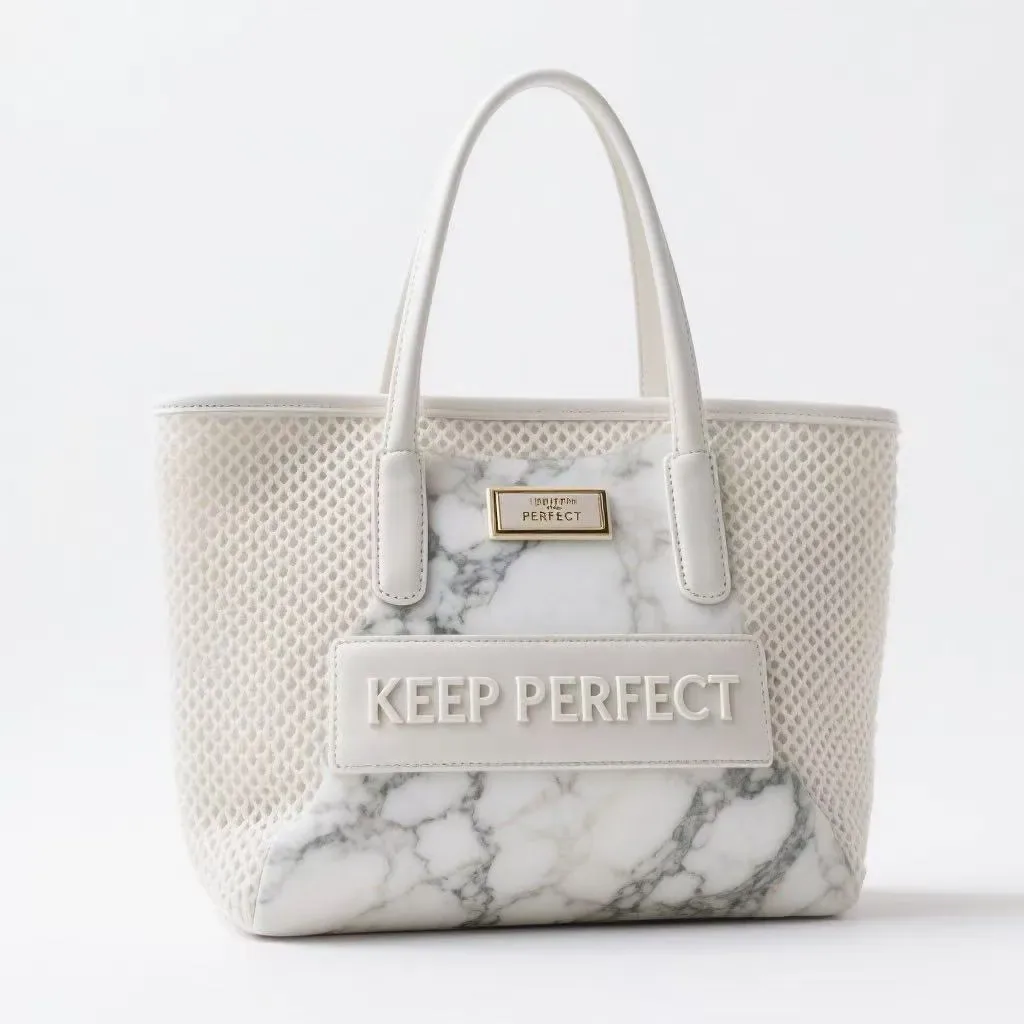
The Programme That Wanted Cotton Without Cotton's Weakness
A programme that wants the hand of cotton and the durability of polyester has one realistic answer: a 50/50 recycled cotton and rPET blend, specified with a pilling grade and a strength floor written into the tech pack.
The brief came from a gifting programme: 6,000 shoppers, a natural matte appearance, no plastic sheen, and a sustainability story the recipient would understand immediately. The first attempt used a high recycled-cotton count because it felt right in the hand and photographed beautifully. It failed the pilling test at 2,000 revolutions and the corners abraded through in a week of carrying groceries.
The second attempt kept the cotton handle but rebuilt the specification around what the fibre can do. Recycled cotton contributes hand, matte appearance and the story. rPET contributes tenacity and abrasion. Neither does the other's job, and the specification has to say which one carries the load.
That split is the general rule for any natural-recycled content in a knit bag programme. The recycled natural fibre is the surface and the story; the synthetic is the structure. Problems start when a brief asks the recycled cotton to be structural as well.
What Recycled Cotton Actually Is
Recycled cotton is mechanically shredded textile waste or cutting-room clippings re-carded into spinnable fibre, and the shredding is what shortens the staple and drops the strength.
- Feedstock
- Post-industrial cutting waste, post-consumer garments
- Process
- Sorting, colour grouping, shredding, re-carding, spinning
- Resulting staple length
- About 22 mm against 28-32 mm for virgin cotton
- Strength against virgin cotton
- 80-85 %, a loss of 15-20 %
- Usual yarn count
- Ne 12 to Ne 16, roughly 370 to 490 denier
- Typical blend partner
- rPET 300D, or recycled polyester staple
- Pilling, ISO 12945-1 at 7,000 rev
- Grade 3 to 4 blended, grade 2 to 3 unblended
- Shade range
- Heathers, naturals and mid-tones
The practical consequence of a 22 mm staple is that the fibre cannot be spun as fine as virgin cotton without excessive hairiness and breakage. That is why recycled cotton yarns sit in the Ne 12 to Ne 16 band rather than at the Ne 30 that a fine virgin cotton poplin might use. In knit bags, that coarser count is not a handicap — it suits the gauge range used for totes and weekenders.
Colour grouping at the sorting stage is what makes undyed recycled cotton viable. When the input is sorted by shade before shredding, the resulting fibre carries a consistent base colour and needs little or no dyeing. That is where the environmental argument for recycled cotton is strongest, and it is also why the shade range is narrower than for polyester.
Staple Length: The Number That Decides Everything
Staple length sets the spinnable count, the hairiness, the pilling grade and the strength, which is why it is the first number to ask for on a recycled cotton lot.
| Staple length | Spinnable count | Pilling grade | Strength index | Fit for knit bags |
|---|---|---|---|---|
| 28-32 mm (virgin) | Ne 20 to Ne 40 | Grade 4 to 5 | 100 | Fine sleeves, linings |
| 24-26 mm | Ne 16 to Ne 20 | Grade 3 to 4 | 90 | Light shoppers |
| 22 mm | Ne 12 to Ne 16 | Grade 3 to 4 blended | 82 | Totes, weekenders |
| 18-20 mm | Ne 8 to Ne 12 | Grade 2 to 3 | 70 | Only as a blend component |
The table explains why unblended recycled cotton struggles in bags. At 18 to 20 mm the fibre has too little length to hold a loop under repeated flexing, so pilling drops to grade 2 to 3 and the structure fuzzes. Blending with rPET lifts the composite into grade 3 to 4, which is where most retail programmes set the pass line.
Why Recycled Cotton Loses Strength
Every mechanical pass cuts fibres shorter and breaks the longest ones first, so recycled cotton arrives at the spinner with a narrower, shorter length distribution than virgin.
Shredding
Opening woven or knitted waste back into fibre cuts staple length. The more passes needed to reach a spinnable state, the shorter the average fibre.
Re-carding
Re-aligning the recovered fibre removes short material as waste, which improves evenness but reduces yield and raises cost per kilogram.
Twist requirement
Shorter fibre needs more twist to hold together. Added twist stiffens the yarn, so the handle gets firmer as the staple gets shorter.
Blending
Adding rPET restores tenacity and abrasion life without changing the surface appearance, which is why 50/50 is the common ratio.
The consequence for a specification is that recycled cotton should be treated as a surface and handle material with a known strength penalty, and the load-bearing zones should be engineered around the blend figure rather than the cotton figure. A handle knitted from a 50/50 blend reaches roughly the breaking force of its polyester component, because the polyester carries the load once the cotton fibres slip.
Blending With rPET to Buy Back the Strength
A 50/50 recycled cotton and rPET blend recovers most of the strength lost in shredding while keeping the matte, natural hand that justified using cotton.
| Specification | 100 % recycled cotton | 50/50 with rPET | 100 % rPET |
|---|---|---|---|
| Yarn count | Ne 14 (≈420 D) | Ne 14 / 300D mix | 300D / 96f |
| Breaking force, 22 mm handle | 310 N | 430 N | 480 N |
| Abrasion, base zone | 18,000 cycles | 32,000 cycles | 40,000 cycles |
| Pilling grade at 7,000 rev | 2-3 | 3-4 | 4 |
| Moisture regain | 7.0 % | 4.2 % | 0.4 % |
| Handle | Soft, matte, natural | Soft with more body | Crisp, technical |
The blended column is the useful one. It gives up about 50 N of breaking force and 8,000 abrasion cycles against full rPET, and buys a noticeably softer, less technical surface. For a gifting programme where the recipient judges the bag by touch in the first five seconds, that is a good trade.
Pilling: The Test That Decides the Hand
Pilling is the failure mode that limits recycled cotton in knit bags, and it is graded on a 1 to 5 scale to ISO 12945-1 after a fixed number of revolutions.
The mechanism is simple. Short fibres work loose from the yarn surface under rubbing, tangle into pills and stay attached because there is not enough fibre length anchoring them into the yarn. The longer the staple, the better the anchorage and the higher the grade. Blending helps because the continuous filament component holds the short fibres in place.
The specification lesson is to grade pilling rather than describe it. A tech pack that says low pilling invites disagreement; one that says grade 4 minimum at 7,000 revolutions to ISO 12945-1 can be tested and either passes or fails. In practice grade 3 to 4 is achievable for a 50/50 blend, and grade 4 is the usual retail pass line.
Structure choice also moves the number. A rib or interlock holds short fibre at the surface better than a plain jersey, which is why recycled cotton blends are usually specified in a rib rather than a single jersey for bag bodies that get handled.

Shade Limits of Recycled Cotton
Recycled cotton covers heathers, naturals and mid-tones well and struggles with saturated brights and optical whites, because the fibre arrives already coloured.
- Heathers and melanges — the strongest fit, since fibre blending produces the effect directly.
- Naturals and undyed shades — the cleanest environmental story, because the dye step is skipped.
- Mid-tones — reliable with a lab dip and a slightly wider tolerance than polyester.
- Saturated brights — limited, since the base fibre colour fights the target shade.
- Optical whites — generally not achievable without bleaching, which undercuts the recycled argument.
Where a programme genuinely needs a bright shade, the usual answer is to knit the body in rPET and reserve the recycled cotton for a trim, a lining or a contrast panel. That keeps the story visible at the point of sale without forcing a fibre to do something it cannot.
What the Programme Landed On
The approved specification was a 50/50 recycled cotton and rPET shell knitted at E12, 300D equivalent, with a rib structure and a two-layer base at 560 g/m².
- Shell composition
- 50 % recycled cotton, 50 % rPET
- Yarn count
- Ne 14 ground with 300D rPET plating
- Gauge
- E12
- Structure
- Rib, chosen to hold short surface fibre
- Shell GSM
- 560 g/m²
- Base
- Two-layer, 3.1 mm finished thickness
- Pilling result
- Grade 3 to 4 at 7,000 revolutions
- Certification
- OCS and GRS transaction certificates
- Sampling
- 7 working days
- Bulk
- 30 days, FOB Xiamen
Two things made it work. The rib structure held the short cotton fibre at the surface well enough to reach grade 3 to 4, and the two-layer base moved the abrasion duty away from the cotton entirely. The bag kept the hand the brand wanted and survived a season of real use, which is the only test that ultimately matters to a buying team.
The thing that nearly sank it was certification. The programme wanted both an organic-content claim for the cotton and a recycled claim for the polyester, which meant two certificate trails running in parallel. Booking both at yarn ordering stage rather than at sample approval saved about two weeks.
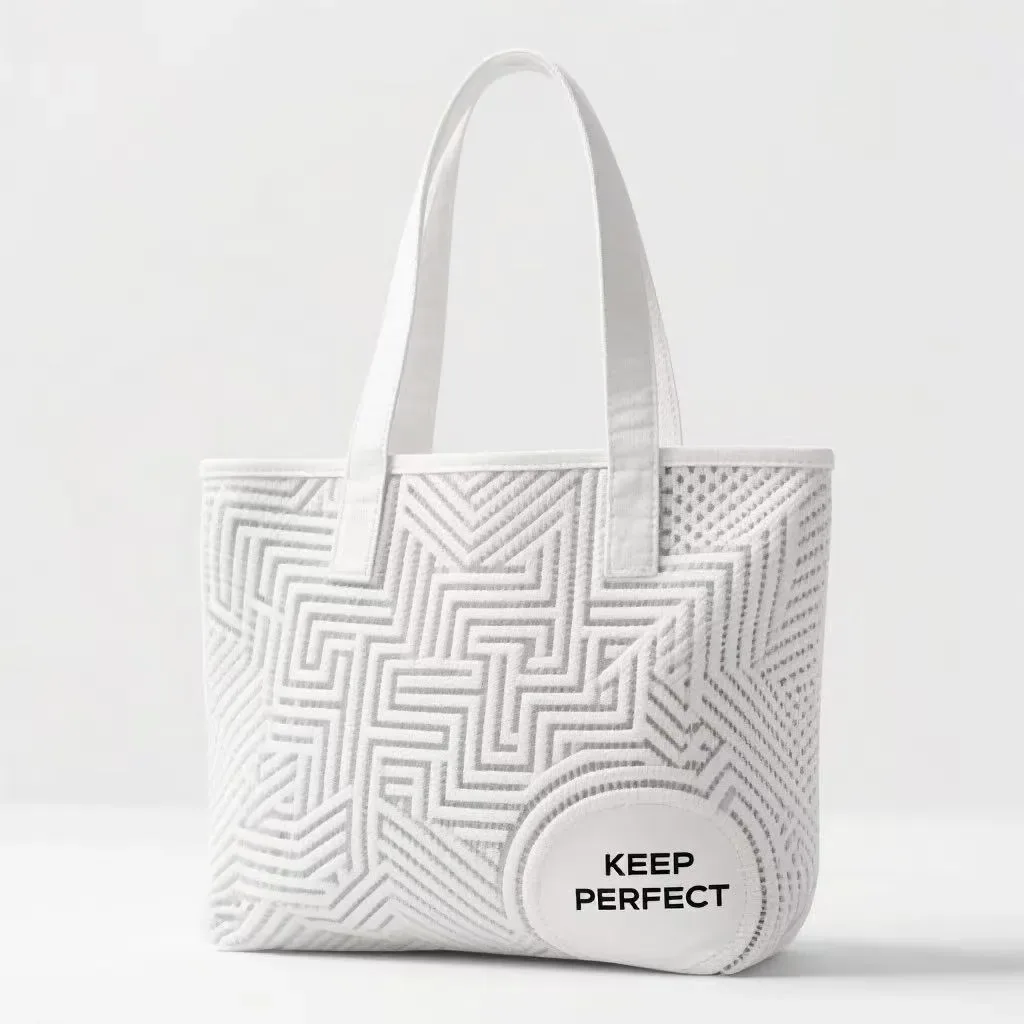
When to Skip Recycled Cotton
Skip recycled cotton where the brief is bright, white, wet, or weight-critical, and use rPET with a recycled cotton trim instead.
Bright shades and optical whites are the clearest exclusions, for the reason already given: the fibre arrives coloured. Wet environments are the second, because cotton's 7 per cent moisture regain means a wet bag gets heavy and dries slowly. Weight-critical styles are the third, since the blend needs a higher GSM to reach the same durability as straight polyester.
In every one of those cases the story can be preserved without the fibre carrying the load. A recycled polyester body with a recycled cotton trim or lining keeps the natural surface where the customer touches it, keeps the claim on the hangtag, and avoids the pilling and weight penalties that come from making cotton structural.
Specify a recycled cotton blend
Send the style, shade and volume and we will return a blend ratio, GSM target and pilling expectation with a 7-working-day sampling slot. Request a blend specification
Frequently Asked Questions
What is recycled cotton yarn made from?
It is made from post-industrial cutting waste or post-consumer garments that are sorted, usually by colour, then shredded and re-carded into spinnable fibre. The shredding shortens the staple to about 22 mm, which is why the yarn is coarser and a little weaker than virgin cotton.
How much weaker is recycled cotton than virgin cotton?
Typically 15 to 20 per cent weaker, so about 80 to 85 per cent of virgin cotton strength. The loss comes from the mechanical shredding and re-carding, and it is the reason recycled cotton is normally blended rather than used alone in a knit bag shell.
What yarn count should a recycled cotton bag yarn use?
Ne 12 to Ne 16, which is roughly 370 to 490 denier. The short staple cannot be spun cleanly into much finer counts without excessive hairiness and breakage, and the coarser band suits the E7 to E12 gauges used for totes and weekenders. Confirm the staple length on the spinner’s certificate of analysis.
Why does recycled cotton pill more than polyester?
Short fibres work loose from the yarn surface under rubbing and tangle into pills without enough length to anchor them. Polyester filament is continuous, so there are fewer loose ends to form pills. Blending cotton with rPET improves anchorage and lifts the grade. Record the blend ratio and the resultant count on the tech pack.
What blend ratio works best for knitted bags?
50/50 recycled cotton and rPET is the common working ratio. It keeps the matte natural hand while restoring enough tenacity and abrasion life for everyday use. Ratios above about 70 per cent cotton start to show pilling and corner wear. Most programmes check pilling at 7,000 revolutions before approval.
Can recycled cotton be used undyed?
Yes, and it is the strongest environmental case, because sorting input by colour before shredding gives a consistent base shade with no dye bath. The limitation is the shade range: naturals, heathers and mid-tones, not brights or optical whites. Treat any strength figure without a stated test method as provisional.
Which certification applies to recycled cotton?
Recycled content is covered by the Recycled Claim Standard or Global Recycled Standard through Textile Exchange. Where the cotton is organically grown as well, the Organic Content Standard applies. Always ask for the shipment-level transaction certificate. Ask whether the input is post-industrial or post-consumer. Expect more shade variation between lots than with virgin fibre.
Does recycled cotton shrink?
Yes, more than polyester. Expect to specify a relaxation allowance and confirm dimensions after boarding rather than before. Cotton's 7 per cent moisture regain also means a bag measures differently in a humid warehouse than in a dry one. Confirm the recycled content certificate covers the delivered lot.
How does recycled cotton affect pilling test results?
Unblended recycled cotton typically grades 2 to 3 at 7,000 revolutions to ISO 12945-1. Blended 50/50 with rPET it reaches grade 3 to 4. Structure matters too: a rib holds surface fibre better than a plain jersey. Confirm the staple length on the spinner’s certificate of analysis.
Is recycled cotton suitable for knitted bag handles?
Not on its own. A handle is a load path, and the 15 to 20 per cent strength penalty shows up as extension under load. Use a blended handle with a polyester-dominant construction, or knit the handle in rPET and the body in the blend.
Can recycled cotton be blended with elastane?
Yes, usually as a core-spun or covered yarn. It improves recovery and fit, but adds cost and requires heat setting around 180 °C. Expect the core-spun route to raise yarn cost more than a simple plated elastane arrangement. Record the blend ratio and the resultant count on the tech pack.
What GSM suits a 50/50 recycled cotton blend?
Around 560 g/m² for a tote or weekender knitted at E12, with a two-layer base near 3.1 mm finished thickness. That gives enough material to carry everyday loads while keeping the softer, matte surface. Most programmes check pilling at 7,000 revolutions before approval.
How does recycled cotton compare on water use?
Favourably against virgin cotton, since growing and dyeing are largely avoided. Against rPET the picture is closer, because recycled polyester also avoids most dyeing when dope dyed. The decisive factor is usually whether the cotton skips the dye bath entirely, since dyeing is where most of the water and energy in a natural-fibre programme is consumed.
What is the minimum order for a recycled cotton blend?
MOQ is 100 pcs per style/colourway. The practical constraint is the dye or fibre lot minimum, which for blended yarns typically sits around 300 kg per colour. Below that, plan for a small-lot surcharge or a stock shade. Treat any strength figure without a stated test method as provisional.
How long does a recycled cotton programme take?
Sampling is 7 working days and bulk is 30 days, the same as any other knit bag specification. Add eight to twelve working days for transaction certificates, and more where both organic-content and recycled claims are required. Ask whether the input is post-industrial or post-consumer.
Does recycled cotton need a different knitting gauge?
Usually a coarser one. Because the staple is short, recycled cotton yarns sit in the Ne 12 to Ne 16 band, which pairs best with E7 to E12. Running them at E14 is possible but produces hairiness and a higher breakage rate, which shows up as visible fuzz on the fabric face and a drop in production yield.
How does recycled cotton behave in washing tests?
It moves more than polyester. Plan a relaxation allowance, test to AATCC TM61 for colour change, and confirm dimensions after laundering rather than only after boarding. Expect the hand to soften further, which most programmes treat as a benefit. Record the laundered dimensions as the reference for bulk approval, because a bag signed off before washing will read several millimetres larger than the one the customer receives.
People Also Ask
Why is recycled cotton yarn coarser than virgin cotton?
Shredding cuts staple length to about 22 mm against 28 to 32 mm for virgin cotton. Short fibre cannot be spun fine without excessive hairiness and breakage, so recycled cotton yarns sit in the Ne 12 to Ne 16 band.
Does recycled cotton felt or fuzz in use?
It fuzzes more than polyester, which is the surface effect most people read as natural. The risk is that fuzzing progresses to pilling, so specify a minimum pilling grade and test the finished structure rather than the yarn alone.
Can recycled cotton carry a certification claim on its own?
Yes, through the Recycled Claim Standard or Global Recycled Standard, provided a transaction certificate is issued for the shipment. Where organic origin is also claimed, the Organic Content Standard covers that part separately.
How do you reduce pilling in a recycled cotton knit?
Blend with rPET, choose a rib over a plain jersey, increase twist moderately, and keep loop length at the tighter end of the workable range. Each helps a little; no single change eliminates the effect.
Is a recycled cotton blend heavier than polyester?
Slightly, because it needs a higher GSM to reach comparable durability. A 50/50 blend sits near 560 g/m² where a straight rPET shell might be 520 g/m², and the cotton also absorbs more moisture in use.
Sources and further reading
Every figure on this page is either our own programme data or attributed below. Open the originals before you write them into a specification.
- Standards — Recycled Claim Standard, Global Recycled Standard and Organic Content StandardTextile Exchange Defines the content thresholds and chain-of-custody rules for recycled cotton, recycled polyester and organic cotton claims.
- Organic Content Standard (OCS)Textile Exchange Verification route for organically grown cotton content in a blended knit bag yarn, tracked with transaction certificates.
- Content Claim Standard (CCS)Textile Exchange The underlying chain-of-custody standard used by the recycled and organic content standards to track claimed material.
- OEKO-TEX STANDARD 100OEKO-TEX Restricted substance testing for the finished knitted fabric, applied whichever fibre blend is specified.