Knitted Bags for Sports Clubs: Season Kit Costs That Survive a Wet Touchline
Sports clubs ask one practical question before they sign off a kit bag: can a knitted bag programme survive a full season of training and matchday duty and still land inside the club's cost plan? It can, as long as the numbers are fixed before sampling. Lock MOQ at 100 pcs per style/colourway, approve the crest inside 7 working days, and ship bulk in 30 days. The decisive figures are knit-specific rather than generic: E7 gauge with 600D recycled polyester at 420 g/m², 30,000 Martindale rubs, and 600 N strap pull, because a club kit bag is dragged across wet touchlines five days a week instead of being carried to an office or a hotel lobby.
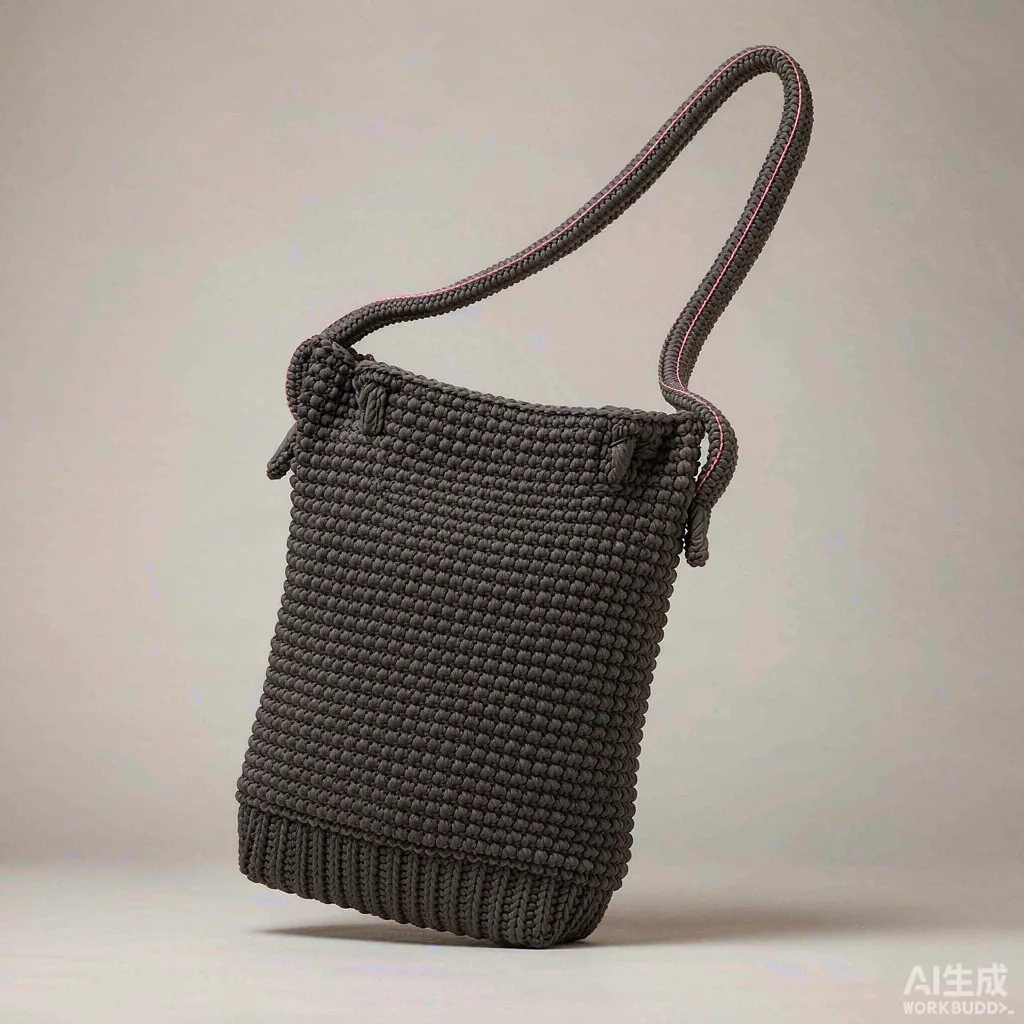
What Actually Drives Unit Cost in a Knitted Club Bag
Unit cost for a club knit bag is set by five variables in a fixed order: yarn denier, machine gauge, crest or logo method, hardware count, and order quantity. Everything else — stitch length, loop density, even seam finishing inside seamless knitted construction — moves the price by single-digit percentages. Clubs that negotiate on those five variables get a predictable cost; clubs that negotiate only on headline price usually absorb the difference later in returns and re-orders.
Yarn denier is the heaviest lever. Moving from 300D to 600D recycled polyester lifts both the yarn invoice and the knitting time per panel, because a heavier yarn feeds more slowly through the same gauge. For club duty that heavier yarn is usually worth it: 600D holds its shape when a wet kit bag is dropped on concrete, and it resists the scuffing that comes from being dragged across a touchline or a gym floor five sessions a week.
Gauge is the second lever. E7 machines produce a coarser, heavier loop that suits a carry-heavy kit bag; E12 machines produce a finer surface that reads better for fan retail. The same 600D yarn behaves differently on each gauge, which is why sampling is not optional. A club that samples on E12 and then produces on E7 will see a different hand feel and a slightly different finished dimension, even with identical artwork.
Choosing Gauge and Yarn for Matchday Abrasion
Specify E7 gauge with 600D recycled polyester when the bag will carry boots, kit and water bottles to training five days a week; that pairing gives the loop structure enough mass to resist abrasion without adding a coating that would stiffen the knit. The trade-off is weight — an E7 600D body typically lands near 420 g/m², which is heavier than a lifestyle daypack but appropriate for equipment that gets thrown into a boot room.
For academy or fan retail variants, drop to E12 with the same yarn family. The finer gauge knits a tighter surface that takes print detail far better, so a retail crest or a sponsor mark holds clean edges. clubs often split the difference across one range: E7 for the first-team and academy kit bags that take real abuse, E12 for the member and retail pieces that mostly need to look sharp in a club shop.
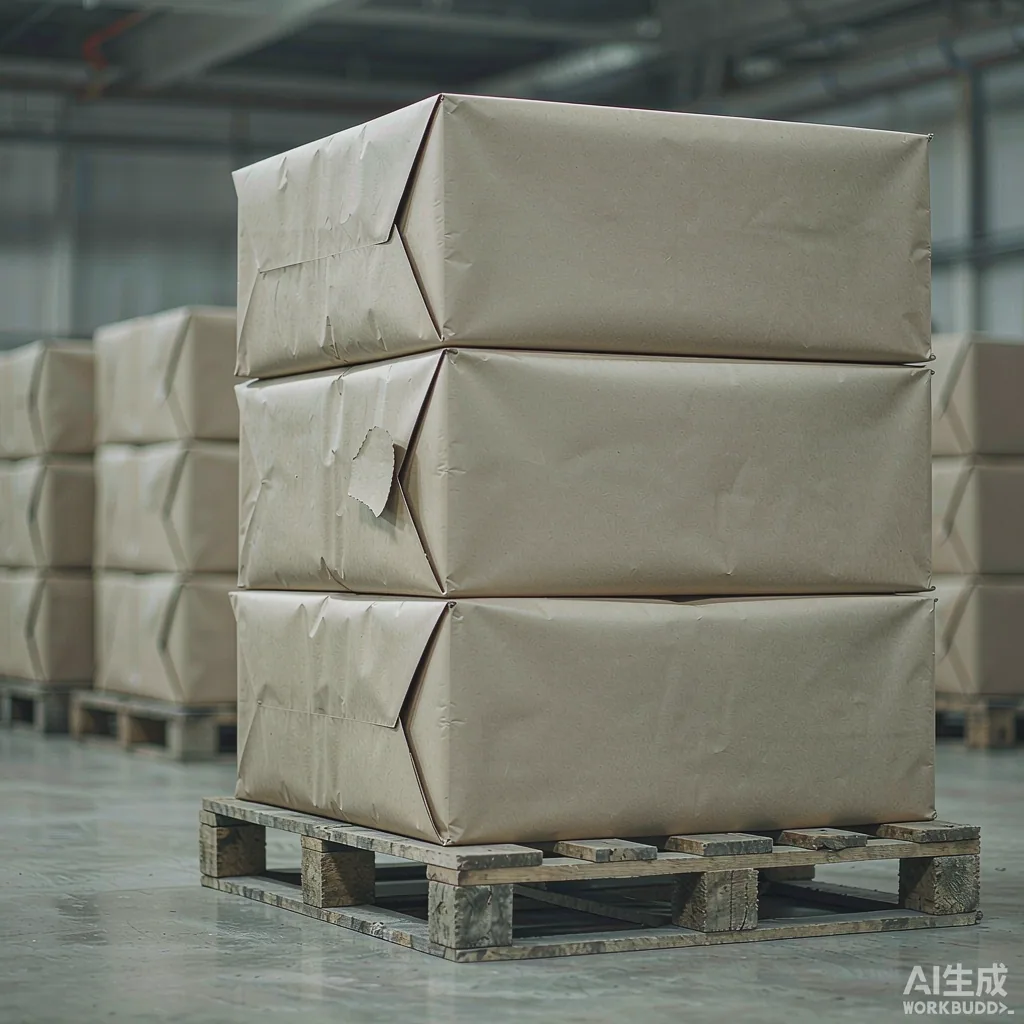
Recycled content does not cost extra durability. A GRS-scope 600D recycled polyester performs to the same abrasion figure as its virgin equivalent when the yarn is spun to the same filament count, and Textile Exchange GRS certification gives the club a traceable claim they can put in the retail copy without inventing a certificate number. Ask for the transaction certificate rather than a logo file.
Knit-In Crests vs Embroidery vs Transfers
For club kit bags, a knit-in crest is usually the right answer: the crest becomes part of the loop structure, there is no thread to snag on boot studs, and there is no post-knit process to pay for. Embroidery adds a second operation, adds stitch holes that can open under load, and — most importantly for a club — tends to pucker on a knitted substrate because the knit has stretch that woven badge backing does not.
| Method | Added cost per unit | Durability on knit | Best club use |
|---|---|---|---|
| Knit-in crest | None — done during knitting | Highest; no snag points | First team and academy kit |
| Embroidery | Second operation surcharge | Moderate; can pucker on stretch | Low-volume commemorative pieces |
| Heat transfer | Lowest unit addition | Lower; edges lift after washing | Single-season fan promotions |
| Woven label | Minimal | Good if bar-tacked at corners | Interior brand and care labels |
The practical rule for a club shop is simple. Knit the crest in for anything that goes near boots and training cones. Use a sewn woven label for interior branding and care content. Reserve heat transfer for a one-season promotion where the bag is not expected to survive more than roughly 30 domestic washes, which is the realistic life of most fan giveaway pieces.
MOQ 100 Pcs per Colourway: Building a Range in Team Colours
MOQ is 100 pcs per style/colourway, which is deliberately low enough for a club to test several colourways in one season without tying up cash in a single wrong guess home, away and third kits can each carry their own colourway at 100 pcs, and the academy can run a fourth training colourway in the same production window. That is the real advantage of a knit programme over a cut-and-sew one: colour changes are a yarn swap, not a fabric minimum.
The constraint worth planning around is that the 100-piece minimum resets per colourway, so five colourways at 100 pcs each is a 500-piece order. Clubs usually solve this by sharing the tool: one base construction, one knit file difference per colourway. Dye lots matter here — a custom dope-dyed or piece-dyed shade typically needs a minimum dye lot of around 300 kg, so very small runs are better served by stock-supported shades from the existing yarn library.
First team
E7 600D, home colourway, knit-in crest, padded strap. Built for daily training load.
Academy
Same shell in a training colourway, simplified trim to protect the cost line.
Goalkeeper
A third colourway at 100 pcs, often the smallest but highest-margin variant.
Fan retail
E12 surface for sharper print, sold through the club shop with retail packaging.
Sampling in 7 Working Days: Locking the Crest Before Pre-Order
Sampling runs 7 working days from approved artwork and a confirmed yarn choice, which is fast enough to sit inside a normal club pre-season calendar. Use those 7 days to settle three things that later become expensive to change: crest placement in the knit file, strap width and padding profile, and the exact team colour reference under daylight rather than screen light.
The most common club mistake is treating the sample purely as a look-and-feel check. A sample is also a construction check. Put the actual load in it — boots, two kits, a water bottle — and hang it on a hook for a night. Knit relaxes under sustained load, and the sample is the only sensible place to discover that a strap attachment has migrated or that a pocket mouth has opened wider than the artwork implied.
- Send crest artwork as vector, plus the team colour reference in Pantone or a physical swatch.
- Confirm gauge — E7 for carry duty, E12 for retail finish — before costing.
- Approve the sample with real load in it, not empty on a desk.
- Lock the colour reference against D65 lighting to avoid metamerism in the club shop.
- Release bulk only after the AQL 2.5 inspection criteria are agreed in writing.
From Approval to Club Shop: 30 Days Bulk and Season Rhythm
Bulk production takes 30 days from sample approval, and every club shipment leaves on AQL 2.5 inspection under ISO 2859-1 before it is booked FOB Xiamen. For a pre-season launch, that means the whole critical path is roughly 37 working days plus freight: 7 to sample, 30 to produce. Clubs planning a July handover should therefore be sampling in the last week of April.
Freight booking deserves as much attention as the knit itself. FOB Xiamen places responsibility for the main carriage with the club's own forwarder, which suits clubs with an existing retail logistics partner; CIF or DDP can be arranged where the club wants one throat to choke. Capacity across 7 production lines runs at about 200,000 pcs per month, so even a large multi-club programme can be scheduled without blocking out a season.
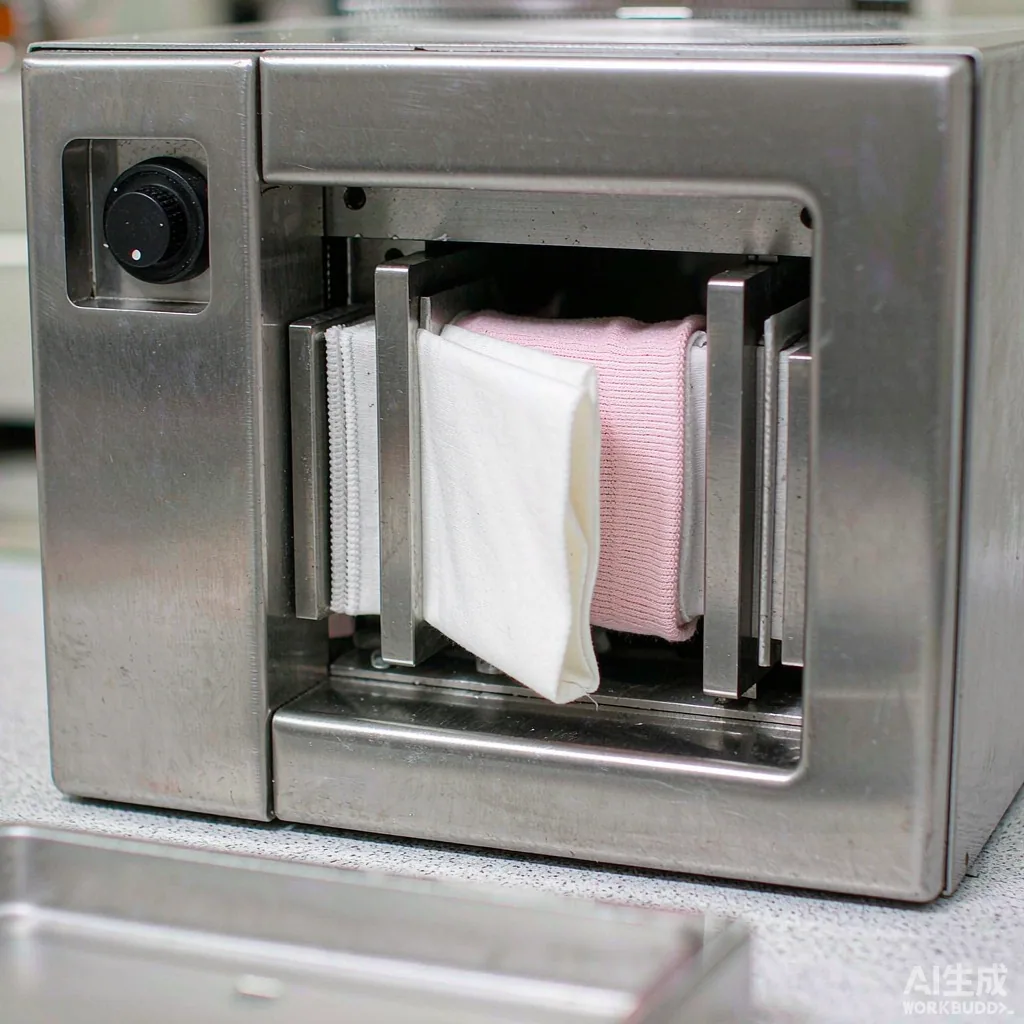
Season rhythm matters more than single-order speed. A club that re-orders the same file every season enjoys a shorter development phase the second time around, because the knit file, the colour reference and the inspection criteria already exist. This is why a first season is usually the most expensive per unit and the third carries the lowest unit cost — the recurring cost is yarn and machine time, not engineering.
The Test Numbers That Decide Whether a Kit Bag Survives
Write the test numbers into the tech pack rather than describing the bag in adjectives. Four figures decide whether a club knit bag survives its first season: abrasion resistance, strap pull strength, dimensional stability after washing, and colour transfer. Without numbers, a club has no way to compare two quotes that look similar on paper and very different in a boot room after eight weeks.
- Construction
- E7 gauge, whole-panel knit, minimal joining seams
- Yarn
- 600D recycled polyester, GRS-scope certified
- Fabric mass
- 420 g/m² target, ±5% tolerance
- Abrasion
- 30,000 rubs minimum, ISO 12947-2
- Strap pull
- 600 N minimum, ISO 13934-1
- Colour transfer
- Grade 4 dry / 3-4 wet, ISO 105-X12
- Shrinkage
- ≤3% after five launderings, ISO 5077 and ISO 6330
- Inspection
- AQL 2.5, ISO 2859-1, before booking
- Sampling
- 7 working days from approved artwork
- Bulk
- 30 days from sample approval, FOB Xiamen
A club bag most often fails at the strap attachment rather than in the body. Specifying 600 N strap pull under ISO 13934-1 tests the joint where the knit meets the webbing, which is where a loaded kit bag actually gives way.
Sizing the Programme: Squad, Academy and Fan Retail Variants
A well-built club range has three tiers rather than one hero bag. The squad tier takes the abuse and is specified accordingly; the academy tier shares the same shell with simplified trims to protect cost; the fan retail tier trades some abrasion performance for a finer E12 surface that photographs and prints better in the club shop. All three can share one yarn family and one colour reference set.
Packaging is the last variable clubs underestimate. Individually polybagged units suit kit-room distribution where bags are handed to players; retail-ready presentation with a hangtag and a barcoded label suits the club shop. The unit cost difference is small, but choosing the wrong one forces a manual re-pack at destination, which costs far more than the packaging itself. Coordinate knit bag programmes through a single point of contact and specify packaging with the first order, not after approval.
Cost your club season programme
Send crest artwork, target colourways and the split between squad, academy and fan retail volumes. You will receive a unit-cost breakdown across gauge options, a 7-working-day sampling plan and a 30-day production slot.
Frequently Asked Questions
What is the MOQ for knitted bags for sports clubs?
The MOQ is 100 pcs per style and colourway. That structure lets a club test a home, away and third colourway in one season without committing to a single large run. Because colour changes are a yarn swap rather than a fabric minimum, the same base construction can carry several colourways inside one production plan.
How long does sampling take for a club knit bag?
Sampling takes 7 working days from approved vector artwork and a confirmed yarn and gauge choice. Clubs should use those days to test the bag under real load rather than judging an empty sample on a desk. Knit relaxes under sustained weight, so strap attachment and pocket geometry are best checked before bulk release.
How long is bulk production after sample approval?
Bulk production runs 30 days from sample approval. Adding the 7 working days of sampling gives a development-to-handover path of roughly 37 working days plus freight time. A club planning a July pre-season handover should therefore start sampling in late April to leave room for inspection and booking.
Which knit gauge suits a team kit bag best?
E7 gauge paired with 600D recycled polyester suits a bag that carries boots and kit daily, because the heavier loop resists scuffing on concrete and gym floors. E12 produces a finer surface that takes print detail better and is normally reserved for fan retail rather than training duty.
Can a club crest be knitted directly into the bag body?
Yes, and it is usually the right method for anything that meets boot studs. A knit-in crest becomes part of the loop structure, removes any snag points, and adds no secondary operation cost. Embroidery remains available but tends to pucker on a stretch knitted substrate unless it is stabilised carefully.
How many Martindale rubs should a club kit bag meet?
Specify at least 30,000 Martindale rubs under ISO 12947-2 for any bag going into daily squad use. That figure separates a piece that merely looks durable in the club shop from one that survives being dragged across a wet touchline for a season. Always state the test method, not just a number.
What strap pull strength should a sports club specify?
Specify a minimum of 600 N strap pull under ISO 13934-1, tested at the joint where the knit meets the webbing. Most club bag failures occur at that attachment rather than in the body fabric, because a loaded kit bag puts sustained shear on the strap root rather than on the panel surface.
Are recycled yarns available for club programmes?
GRS-scope recycled polyester in 600D is available and performs to the same abrasion figure as virgin yarn when spun to the same filament count. Clubs should request the transaction certificate rather than a logo, which gives the club shop a traceable claim for its own retail copy.
What colour-fastness grade prevents crest bleed on team colours?
Ask for ISO 105-X12 rubbing fastness of grade 4 dry and grade 3-4 wet, particularly for a high-contrast crest on a light away colourway. Colour transfer is the defect most likely to generate club shop returns, because it shows on the retail shelf immediately and looks like a print failure.
How much shrinkage is acceptable after laundering a knit bag?
Limit shrinkage to no more than 3% after five domestic launderings under ISO 5077 and ISO 6330. Knit construction relaxes slightly in its first cycles, and anything beyond roughly 3% changes how the bag sits on a player's shoulder and whether the pocket line still matches the artwork.
Can one order cover first team, academy and fan retail variants?
Yes, provided each colourway clears 100 pcs and the style differences stay within one base construction. The usual plan is an E7 squad shell, the same shell in a training colourway for the academy, and an E12 retail version sharing the same colour references and crest file.
What inspection standard governs the final club shipment?
Every shipment is inspected to AQL 2.5 under ISO 2859-1 before it is booked FOB Xiamen. AQL is a sampling scheme rather than a guarantee of zero defects, so the club should agree the inspection criteria and defect classification in writing before bulk starts, not after the goods are packed.
People Also Ask
Are knitted bags strong enough for sports equipment?
Yes, when the specification is written rather than assumed. An E7 gauge body in 600D recycled polyester at 420 g/m² with 600 N strap pull carries boots and kit daily. The failure point is almost always the strap joint, so that is where the test number belongs.
When should a club start a kit bag programme for pre-season?
Start roughly 37 working days plus freight before handover — 7 working days for sampling and 30 days for bulk. A July pre-season launch therefore begins sampling in late April, leaving room for AQL inspection and freight booking.
Is a knit-in crest better than embroidery on a team bag?
For training duty, yes. A knit-in crest has no thread to snag on boot studs and no secondary operation cost. Embroidery can pucker on a stretch knit substrate, so clubs generally reserve it for low-volume commemorative pieces rather than daily squad kit.
Can academy pieces share the same knit file as the first team?
Yes. The academy tier typically uses the same shell and construction with simplified trims and a training colourway. Sharing one knit file keeps both colourways inside a single production window and removes a second engineering charge.
What makes a knit bag different from a cut-and-sew team bag?
A whole-panel knit removes most joining seams, so there are fewer failure points and fewer operations. Colour becomes a yarn swap rather than a fabric minimum, which is why several club colourways can realistically clear a 100-piece minimum in one season.
Sources and further reading
Every figure on this page is either our own programme data or attributed below. Open the originals before you write them into a specification.
- ISO 2859-1 — Sampling procedures for inspection by attributesISO The AQL-indexed sampling scheme referenced for pre-shipment inspection on every club order.
- ISO 12947-2 — Determination of the abrasion resistance of fabrics by the Martindale methodISO Source of the 30,000-rub abrasion target used for daily training duty.
- ISO 13934-1 — Textiles, tensile properties of fabrics, Part 1: maximum force using the strip methodISO Referenced for the 600 N strap pull test at the strap-to-knit joint.
- Recycled Claim Standard and Global Recycled StandardTextile Exchange Traceability framework behind the GRS-scope 600D recycled polyester offered for club programmes.
- ISO 105-X12 — Textiles, tests for colour fastness, Part X12: colour fastness to rubbingISO Basis for the grade 4 dry and 3-4 wet rubbing requirement on high-contrast club crests.
Building a Repeatable Club Season Calendar
The clubs that get the best unit economics are the ones that treat a knit bag programme as a repeating calendar rather than a one-off purchase. Once a crest file, a set of colour references and an inspection criteria sheet exist, the second and third seasons cost less to develop because the engineering is already done. What remains variable is yarn price and freight, both of which a club can plan around if the development window is respected.
Practically, that means booking the same slot each year: artwork in early spring, sampling inside 7 working days, bulk across 30 days, and goods in the club shop before the first home fixture. A club that moves the conversation from 'what does it cost' to 'when does it ship' usually ends up paying less, because nothing has to be rushed and nothing has to be air-freighted to recover a deadline.
The last piece is honest specification. A squad bag, an academy bag and a retail bag should not carry identical technical requirements, and pretending they do inflates all three. Write the numbers that each tier actually needs — gauge, abrasion figure, strap pull, colour transfer grade — and the range will price cleanly, survive its intended season, and re-order without renegotiation.