Knitted Bags for Grocery Retail: Capacity, Load Path and Till-Point Compliance
What does a knitted tote have to survive in grocery retail? A full weekly shop of roughly 9 kg, loaded at the till within minutes of purchase, folded and unfolded several times a day, and wiped down after a leak. The specification that survives that duty cycle is a 25 L body around 38 by 34 by 18 cm, an E7 knit in 600D recycled polyester near 380 g/m², and a handle root engineered to about 25,000 rubs under ISO 12947-2. Base board, wipe-clean base panel, jacquard mark and hangtag all follow from those four numbers.

The 3,000-Unit Till Test That Rewrote the Brief
A regional grocery chain running 24 stores ordered 3,000 knitted totes as a sold alternative to single-use carriers. The first brief was written around appearance: a two-colour store mark, a soft hand, and a folded size small enough to hang on a clip strip beside the till. Six weeks after launch the returns desk recorded a rate near 3 percent, and the store operations team added a second complaint that never appeared in the original brief: packers could not get the empty bag to stand on the packing ledge, so they were holding it open with one hand and filling it with the other.
The ruling finding from that test was that grocery returns are geometry problems, not yarn problems. Seven of every ten returned units failed at the handle root, where a 9 kg load concentrates into roughly 30 mm of knit, while the panels themselves were intact. Nothing in the first brief had named the handle root as a specification line, which is why the failure repeated across every colourway in the drop.
Capacity: What Actually Goes Into a Weekly Shop
A grocery tote should be sized to a real trolley load, not to a magazine photograph. A 25 L body measuring approximately 38 by 34 by 18 cm takes about 9 kg of mixed groceries: eight or nine tins, a couple of fresh trays, a bag of produce and a long-life bottle laid flat. That is the number to put on the brief, because it sets the panel width, the handle span and the base footprint in one line.
Capacity above roughly 30 L stops being a benefit in this channel. Staff cannot pack an oversized tote safely at speed, and a shopper carrying 12 kg across a car park for 400 m will not repeat the purchase. The commercial argument for a reuse programme is the number of return trips the bag survives, so a slightly smaller body that gets used weekly beats a larger one that lives in the boot.
Load Path: Where the 9 kg Actually Travels
In a seamless knit body the load runs from the handle shoulder into the side panel and down to the base board, and every one of those three points can be knitted to a different density. The handle should be an integral knitted strap rather than an inserted webbing, because a stitched-on webbing creates a seam that becomes the failure line. Specify the handle join to reach at least 700 N when tested by the strip method in ISO 13934-1, and reinforce the shoulder with a tuck stitch over about 40 mm rather than by adding a separate patch.
Handle root, the ruling hotspot
About 30 mm of knit carries the whole shop here. Target 25,000 rubs to ISO 12947-2 and a strip tensile of at least 700 N under ISO 13934-1.
Base corners
Dragged across car park tarmac and boot lips. Around 15,000 rubs under ISO 12947-2, with a denser stitch on the lower 60 mm of the side panel.
Fold crease
The piece is folded several times a day. A tuck stitch along the crease line stops the structure from cracking where a plain jersey would split.
Base board seat
A 2.5 mm removable board spreads point loads from tins and bottles, keeping the rest of the body light enough to fold small.
The reason this matters commercially is simple: a reuse bag earns its margin on the second and third year of service, and every structural decision that moves failure from a repairable component to the body itself shortens that window. A removable base board and an integral handle both push failure away from the panel, which is the part nobody can replace.
Where a Grocery Tote Wears Out
Three hotspots account for almost all field failures in this channel: the handle root, the base corners, and the fold crease that forms where the bag is folded for pocket stow. Setting a rub target for each is more useful than setting one number for the whole body, because a single average figure hides the fact that the handle root sees several times the abrasion of the front panel.
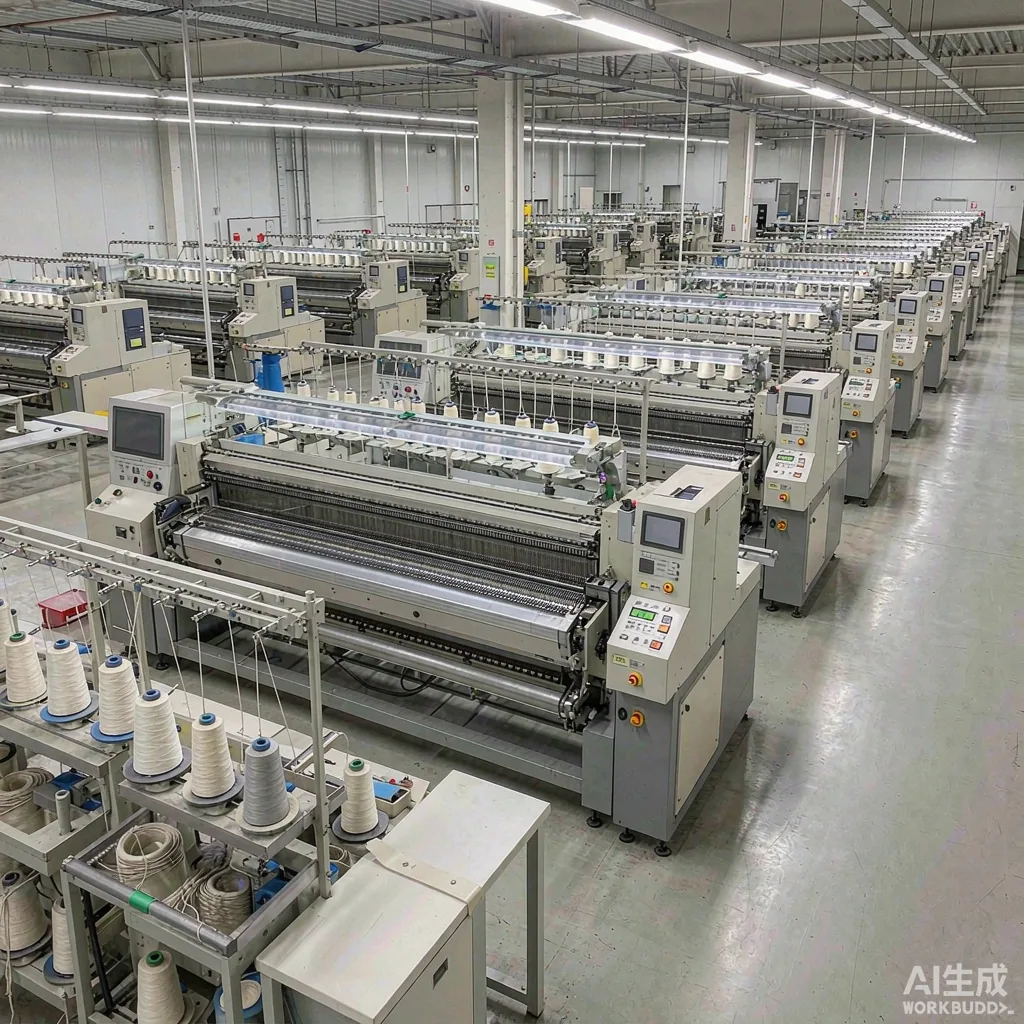
Abrasion testing follows ISO 12947-2 on the Martindale apparatus, and colour transfer under a wet shop load follows AATCC 8 for rubbing fastness. Pairing the two gives a buyer a defensible pair of numbers: how long the structure lasts, and whether the store colour migrates onto a shirt during a long carry in the rain.
To Line or Not: The Leak Question at the Till
A full interior lining is usually the wrong answer for a grocery tote. It adds roughly 90 g of mass, it traps moisture from chilled produce, and it makes the piece slower to dry after a wash. The better construction is a wipe-clean base panel only: a TPU-coated 210D liner covering the base and the lower 80 mm of the side walls, seam-sealed at the corners, sitting over a 2.5 mm removable board.
Where the retailer intends to market direct contact with unpackaged food, that changes the file rather than the fabric. The claim has to be supported under the food-contact framework, and the base panel has to be declared as the contact surface. Most grocery reuse programmes avoid the claim entirely and keep the bag as a carrier, which leaves the wipe-clean base purely as a leak-management feature.
Brand Presence: Jacquard, Woven Label or Hangtag
Grocery gives three levels of identity, and most chains use all three at different price points. A jacquard mark of about 120 by 80 mm knitted directly into the front panel costs no extra assembly time and cannot peel; a 45 mm woven label at the side seam carries the chain name at a lower unit cost; a hangtag carries the barcode, the care wording and the compliance statement that cannot be knitted.
The practical rule is that the jacquard mark is the brand, the woven label is the range, and the hangtag is the paperwork. A jacquard needs a colour cassette per yarn and a settled artwork file before knitting starts, so it has to be locked at sampling rather than at bulk, while the hangtag can change as late as the packing line without touching the knit programme.
Compliance Files a Grocery Buyer Will Request
A grocery buying desk will ask for three things before it will list the item: a restricted-substance declaration against ECHA REACH Annex XVII, a California Prop 65 statement for any US doors, and a chain-of-custody document if the bag is sold on a recycled content claim. Textile Exchange GRS certification and OEKO-TEX STANDARD 100 cover those two conversations respectively, and both have to be traceable to the yarn lot rather than to the style.
Where a retailer markets the bag as part of a single-use reduction programme, the claim has to match the scope of the EU single-use plastics instrument rather than overstate it. Inspection is agreed as AQL 2.5 under ISO 2859-1, sampling runs to 7 working days, bulk runs to 30 days, and the trading term is FOB Xiamen with CIF or DDP available.
Checkout Display and Carton Pack
Grocery retail sells the bag at the till, which makes display the last specification line and often the one that decides the reorder. The two formats that work are a clip strip beside the till and a dump bin at the end of the checkout run; both need the piece to present at roughly 120 by 150 mm folded, with the jacquard mark facing outward and the hangtag readable without opening the fold.
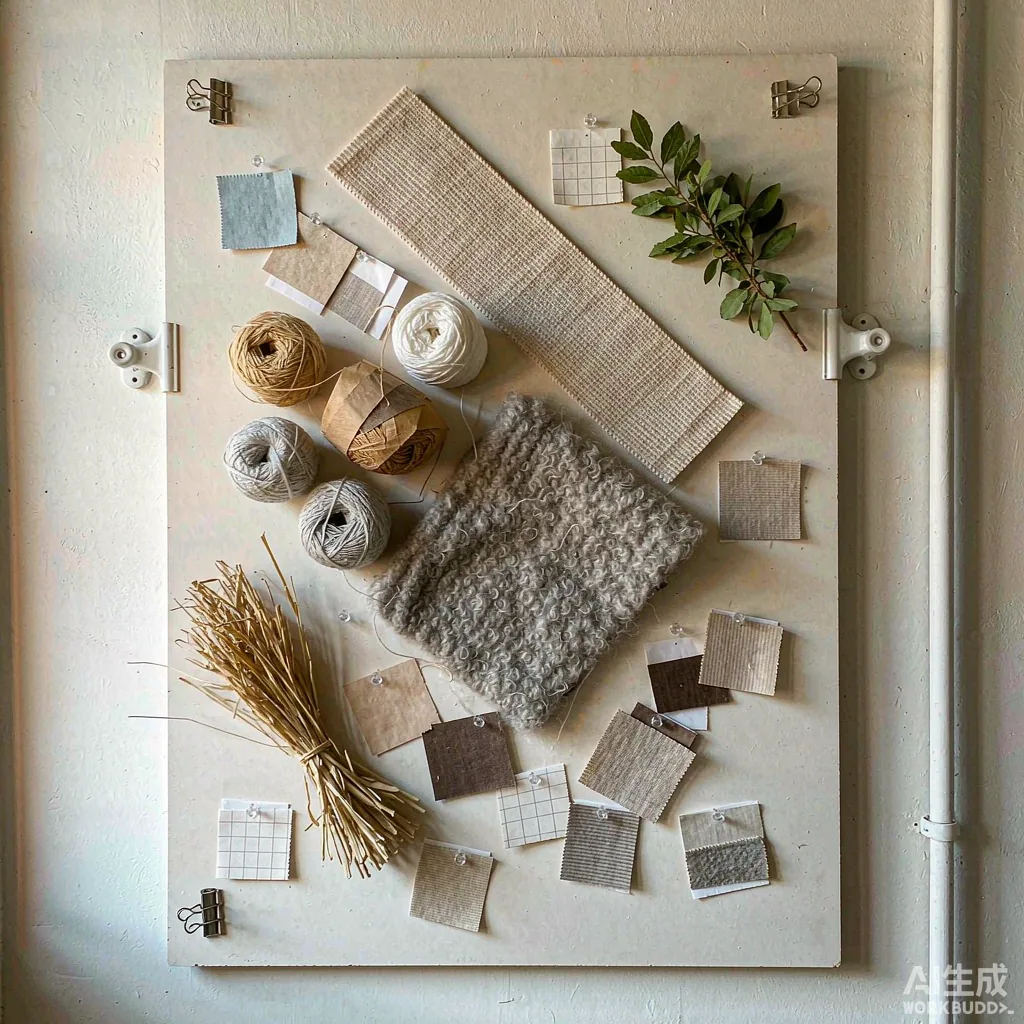
Standing up on the packing ledge is a stiffness requirement, not an aesthetic one. A cantilever bending length near 28 mm measured to ASTM D1388 is enough for an empty bag to hold its shape while a packer fills it, and that single number removes the complaint that the operations team raised in week six of the test.
Grocery Reuse Specification Table
| Line | Target for grocery reuse | Why it sits there |
|---|---|---|
| Capacity | about 25 L | matches a mixed weekly shop without overfilling |
| Dimensions | roughly 38 x 34 x 18 cm | fits the packing ledge and a boot well without collapsing |
| Governing load | about 9 kg | sets handle span, panel density and base board thickness |
| Gauge and yarn | E7 in 600D recycled polyester | coarse gauge resists snagging on trolley edges and boot lips |
| Fabric mass | near 380 g/m² | heavy enough for structure, light enough to fold to pocket size |
| Handle root abrasion | about 25,000 rubs, ISO 12947-2 | the ruling failure point across the 3,000-unit test |
| Handle join tensile | at least 700 N, ISO 13934-1 | keeps a 9 kg load out of the repair channel |
| Base | 2.5 mm removable board over a wipe-clean panel | spreads point loads and manages leaks without a full lining |
| Folded size | about 120 x 150 mm | fits a till clip strip and a coat pocket |
| Identity | jacquard mark plus 45 mm woven label plus hangtag | separates brand, range and compliance across three price points |
| Carton | 40 pcs per carton, about 60 x 40 x 35 cm | shelf-ready pack that a store team can open without a knife |
| Inspection | AQL 2.5 under ISO 2859-1 | an acceptance agreement a buying desk can audit |
Reorder Rhythm Against a Store Rollout
Grocery programmes are reordered by store cluster, not by season, so the MOQ has to work at cluster scale. MOQ is 100 pcs per style and colourway, which means a 24-store chain allocating 40 pieces per store is ordering 960 units and can split that across nine colourways or nine store clusters without paying for nine separate knit programmes.
Capacity for a rollout of that shape is not the constraint. Seven production lines running at about 200,000 pcs per month absorb a 960-unit cluster drop in a single slot, and knit bag programmes have been coordinated through this route since 2014, so a second cluster drop can be queued while the first is still on the water.
What to Send With the First Grocery Enquiry
The fastest grocery enquiries are the ones that arrive with the load case already decided. Send the capacity, the governing load, the three abrasion targets, the folded size, and the identity split, and the first sample comes back close to production rather than close to a guess.
- Capacity and target dimensions, plus the governing load in kilograms.
- Abrasion and tensile targets per hotspot, not one average for the body.
- Whether a base board and a wipe-clean base panel are required.
- Identity split: jacquard panel size, woven label width, hangtag content.
- Compliance scope: REACH, Prop 65, GRS or OEKO-TEX, plus barcode format.
- Display format at the till and the carton pack quantity.
Build a grocery reuse specification
Send capacity, load, abrasion targets and identity split. Sampling takes 7 working days, bulk takes 30 days, MOQ is 100 pcs per style and colourway, FOB Xiamen. Reach the knit programme team at /contact/.
Frequently Asked Questions
What size should a knitted grocery tote be?
About 25 L, measuring roughly 38 by 34 by 18 cm, which takes a mixed weekly shop of around 9 kg. Larger bodies toward 30 L are harder for till staff to pack and harder for a shopper to carry across a car park, so the reuse rate falls even though the specification looks more generous on paper.
How much weight should a grocery knitted bag carry?
Design the load path for about 9 kg, which is a realistic full shop including tins and a bottle laid flat. The number matters because it sets the handle span, the panel density and the base board thickness in one line, rather than leaving each of those to be decided separately at sampling.
Which knit gauge suits a supermarket reuse bag?
An E7 gauge in 600D recycled polyester at roughly 380 g/m² is the usual answer for grocery. The coarser loop resists snagging on trolley edges and boot lips better than a fine gauge, and it holds the cantilever stiffness needed for the empty bag to stand on a packing ledge.
Does a grocery tote need a full lining?
Usually not. A full lining adds around 90 g, traps moisture from chilled produce and slows drying after a wash. A wipe-clean base panel in TPU-coated 210D covering the base and the lower 80 mm of the walls, over a 2.5 mm removable board, handles leaks without those penalties.
Where does a knitted shopping bag fail first?
At the handle root, where a 9 kg load concentrates into about 30 mm of knit. In a 3,000-unit till test across 24 stores, seven of every ten returned units failed inside that zone while the panels were still intact, which is why the handle root gets its own abrasion and tensile targets.
How is the handle tested for a grocery load?
Two numbers: about 25,000 rubs to ISO 12947-2 on the Martindale apparatus for abrasion, and at least 700 N to ISO 13934-1 by the strip method for the join. The integral knitted strap should be tested with its shoulder reinforcement in place, because that is how the load actually travels.
Can the store mark be knitted into the bag?
Yes, and jacquard is usually the right choice for the primary mark. A panel of about 120 by 80 mm knitted in two colours costs no extra assembly time and cannot peel. It does require a settled artwork file and a colour cassette before knitting starts, so it has to be locked at sampling.
What compliance documents does a grocery buyer ask for?
A restricted-substance declaration against ECHA REACH Annex XVII, a California Prop 65 statement for US doors, and chain-of-custody evidence if recycled content is claimed. Textile Exchange GRS and OEKO-TEX STANDARD 100 cover those conversations, and both need to trace to the yarn lot rather than the style.
How is a knitted tote displayed at the checkout?
Two formats work: a clip strip beside the till and a dump bin at the end of the checkout run. Both require the piece to present at roughly 120 by 150 mm folded, with the jacquard mark facing outward and the hangtag readable without opening the fold.
What is the minimum order for a grocery reuse programme?
MOQ is 100 pcs per style and colourway. A 24-store chain allocating 40 pieces per store is ordering 960 units, which can be split across nine colourways or nine store clusters without commissioning nine separate knit programmes, so cluster rollouts fit inside the minimum comfortably.
How long does sampling and bulk take for grocery totes?
Sampling takes 7 working days and bulk takes 30 days. That window is tight enough to open one store cluster, collect returns data, and adjust the colourway split before the remaining doors ship, which is usually better than committing a national drop on a first sample.
How many pieces fit in a grocery shipping carton?
About 40 pieces per carton at roughly 60 by 40 by 35 cm, packed flat and folded. A shelf-ready carton with a tear-open front lets a store team open the case at the checkout without a knife, which removes a common objection from store operations to any new till-side item.
Can a knitted grocery tote be washed?
Yes. A domestic wash at 30 °C following ISO 6330 is the usual reference, with dimensional change checked to ISO 5077 and colour change to AATCC 61. A removable base board should be taken out first, and the piece should be air dried rather than tumble dried to protect the board seat.
Is a recycled yarn claim verifiable for grocery?
It is verifiable if it is documented to the lot. GRS certification from Textile Exchange carries the transaction certificate that ties the recycled input to the yarn actually knitted, and a buying desk will ask for that certificate rather than for a percentage printed on a hangtag.
People Also Ask
Why do grocery totes tear at the handle?
Because the whole shop load concentrates into about 30 mm of knit at the handle root. Seamless knit lets the shoulder be reinforced with a tuck stitch over 40 mm, which moves the stress out of that narrow band and away from the panel.
Do supermarkets need food-contact certification for a tote?
Only if the bag is marketed for direct contact with unpackaged food. Most reuse programmes keep the bag as a carrier and avoid the claim, which leaves the wipe-clean base as a leak feature rather than a regulated contact surface.
What is a good rub count for a reusable shopping bag?
Around 25,000 rubs to ISO 12947-2 at the handle root and about 15,000 at the base corners. Setting per-zone targets beats one average, because the front panel sees far less abrasion than the base.
How many colourways can one grocery order cover?
At MOQ 100 pcs per style and colourway, a 960-unit order covers nine colourways. That is enough for one colourway per store cluster, which is how most chains start a reuse programme.
What makes a tote stand up on a packing ledge?
Cantilever stiffness. A bending length near 28 mm measured to ASTM D1388 lets an empty bag hold its shape while a packer fills it, which removes the commonest store-operations complaint about soft totes.
Sources and further reading
Every figure on this page is either our own programme data or attributed below. Open the originals before you write them into a specification.
- ISO 12947-2:2016 - Textiles, determination of abrasion resistance by the Martindale methodISO Method behind the per-zone rub targets at the handle root and base corners of a grocery tote.
- ISO 13934-1:2013 - Textiles, tensile properties of fabrics, Part 1: maximum force using the strip methodISO Referenced for the 700 N handle join target under a 9 kg governing load.
- Directive (EU) 2019/904 on the reduction of the impact of certain plastic products on the environmentEUR-Lex Sets the scope a retailer must respect when marketing a reuse bag as a single-use reduction measure.
- Substances restricted under REACHEuropean Chemicals Agency Basis of the restricted-substance declaration a grocery buying desk requests before listing.
- ISO 2859-1 - Sampling procedures for inspection by attributes, Part 1: AQL-indexed sampling schemesISO Sampling framework behind an AQL 2.5 acceptance agreement for grocery cluster drops.
- EAN/UPC barcodesGS1 Governs the barcode carried on the hangtag for scanning at the till.
Why the Fold Crease Deserves Its Own Line
The fold crease is the only structural line on a grocery tote that the customer creates themselves, several times a day, in the same place every time. A plain jersey folded at the same line for six months will crack long before the panels wear through, and a tuck stitch along that line costs almost nothing at the knitting stage. It is the lowest-cost durability decision in the whole brief.
Treat the second cluster drop as part of the plan from the first enquiry rather than as an emergency later. With sampling at 7 working days and bulk at 30 days, a store rollout can open on one cluster, collect the returns data, and adjust the colourway split before the remaining doors ship. Programme records coordinated since 2014 consistently show better second-year reuse rates from that two-stage pattern than from a single committed national drop.