Knitted Bags for Beauty Brands: GWP Pouch, Tote and Vanity Formats Compared
What does a knitted bag have to survive in beauty? A serum bottle that leaks, a pigment compact that marks a pale lining, and a customer who keeps the piece on a dressing table for two years after the promotion ends. The specification that survives is a 1.5 L pouch or an 8 L gift-with-purchase tote carrying a TPU-coated liner rated to about 600 mm hydrostatic head under ISO 811, an E14 gauge in 150D yarn at roughly 220 g/m², and an interior base rated to about 10,000 rubs under ISO 12947-2. Leak behaviour, not load, rules this channel.
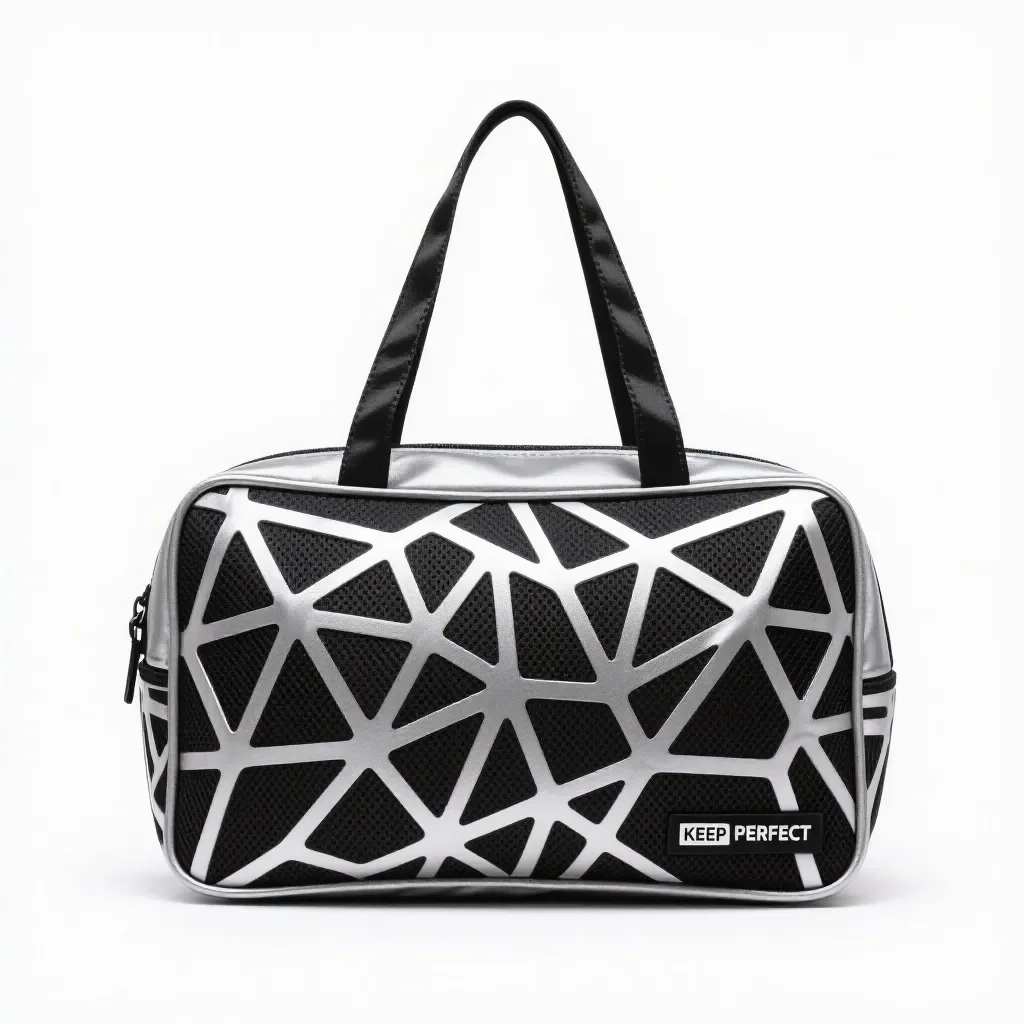
Three Formats Competing for the Same GWP Slot
Beauty programmes almost always run one of three pieces: a flat cosmetic pouch given away at a threshold spend, a gift-with-purchase tote handed over at the counter, or a structured vanity cube sold as an accessory. They are not variations of one product. Each has a different ruling constraint, and choosing between them on appearance alone is why so many beauty gift items come back as complaints about stained linings.
The pouch is ruled by leak containment, because the contents are glass and oil and they move around inside a handbag. The tote is ruled by identity and presentation, because it is photographed and given away in front of other customers. The vanity cube is ruled by structure and retention, because the customer is expected to keep it in daily use long after the promotion.
The Comparison Matrix: Capacity, Load, Leak and Identity
The fastest way to settle a beauty brief is to put the three formats side by side on the four lines that actually differ. Capacity sets what fits; governing load sets the panel density; leak behaviour sets the liner specification; and identity method sets the artwork lead time. Once those four are written down, the format choice usually makes itself.
| Line | 1.5 L cosmetic pouch | 8 L GWP tote | 3.5 L vanity cube |
|---|---|---|---|
| Dimensions | about 24 x 16 x 6 cm | about 30 x 26 x 12 cm | about 22 x 18 x 12 cm |
| Governing load | 0.8 kg of glass bottles | 2.5 kg of boxed sets | 1.5 kg of brushes and jars |
| Gauge and yarn | E14 in 150D recycled nylon | E12 in 300D recycled polyester | E12 in 300D with a denser base |
| Fabric mass | near 220 g/m² | near 300 g/m² | near 340 g/m² |
| Liner | TPU-coated 190T, seam sealed | TPU-coated base panel only | full coated liner, wipe clean |
| Hydrostatic head | about 600 mm, ISO 811 | base panel only, not required | about 600 mm, ISO 811 |
| Abrasion | about 10,000 rubs, ISO 12947-2 | about 12,000 rubs at the base | about 15,000 rubs at the corners |
| Closure | number 3 nylon coil zip | open top with magnetic tab | number 5 coil zip with puller |
| Identity | 90 x 60 mm jacquard micro mark | 160 x 100 mm jacquard panel | jacquard plus 30 mm woven label |
| Carton pack | 100 pcs, about 50 x 34 x 28 cm | 60 pcs, about 55 x 38 x 30 cm | 40 pcs, about 55 x 38 x 35 cm |
Two entries in that matrix deserve to be quoted back at sampling. The hydrostatic head figure on the pouch liner is the one that stops a leaked serum reaching the customer's handbag, and the closure choice is the one that decides whether the piece survives daily opening for two years. Both are easy to specify at sampling and expensive to retrofit later.
Abrasion and Leak Behaviour by Format
Leak behaviour is tested, not asserted. A coated liner rated to about 600 mm hydrostatic head under ISO 811 resists a standing pool of product at the bottom of a pouch, which is exactly the failure a customer photographs and posts. The knit body itself does not need that rating, which is why a coated liner rather than a coated fabric is the right construction: the hand stays soft and the containment sits where the leak happens.
Pouch: seam-sealed liner
Glass and oil move inside a handbag. A TPU-coated 190T liner, seam sealed at the corners and rated near 600 mm to ISO 811, contains a leak the knit cannot.
Tote: base panel only
A gift tote carries boxed sets, not open bottles. A wipe-clean base panel over the lower 80 mm keeps the piece light and foldable without paying for a full liner.
Vanity cube: full liner plus structure
Bought to be kept. A full coated liner and a denser base take daily use on a bathroom surface, where constant damp is the real duty cycle.
Zip line on every pouch
The closure is the second failure point after the liner. A number 3 coil zip tested to ASTM D2061 keeps its pull after thousands of openings.
Abrasion targets follow the same logic of zoning. Around 10,000 rubs to ISO 12947-2 on the pouch interior base, about 12,000 on the tote base, and about 15,000 on the vanity cube corners, where a piece set down on a tiled bathroom surface takes its wear. One averaged figure for all three would hide each of those.
Lining Rules for Serums, Oils and Pigments
Beauty contents behave in three ways that matter to a liner: oil-based serums wick, alcohol-based products spread fast, and pressed pigments mark permanently. A coated liner handles the first two by blocking penetration, and a mid-tone liner colour handles the third by making marks invisible. Specifying an ivory liner for a pigment promotion is the single commonest self-inflicted failure in this channel.
The liner should be removable or at least fully accessible for wiping, and the seam pattern should run along the base rather than across it. A seam across the base collects product in the stitch line and becomes a permanent stain, while a seam along the base edge can be wiped in one pass. That is a pattern decision made at sampling, and it costs nothing.
Pale Colourways and the Stain Question
Beauty brand guidelines skew pale: ivory, blush, soft grey, champagne. Those are the shades that show every mark from a lipstick bullet or a foundation compact, so the colourway decision has to be made together with the liner colour and the colour fastness target rather than separately. AATCC 8 rubbing fastness at grade 4 or better is the practical floor for a pale piece carried against dark clothing.
Where a brand insists on a pale liner, the mitigation is a mid-tone base panel inside the pale body, which keeps the brand colour on the outside where it photographs and puts the stain-resistant surface where the product sits. That two-tone construction is standard in premium beauty and it resolves the conflict between brand guidelines and duty cycle without a compromise on either.
Identity on a Piece That Lives on a Dressing Table
A beauty gift item is retained and displayed, which changes what identity has to do. A jacquard micro mark of about 90 by 60 mm on a pouch reads at close range and cannot peel or crack, which matters on a piece that is wiped weekly. A 30 mm woven label at the side seam carries the range name, and a printed card carries the ingredient and care wording.
Applied prints are the weaker option in this specific channel. Heat transfers and surface prints on a coated liner flex and lift when the piece is wiped, and a lifted logo on a premium gift item is worse than no logo at all. Jacquard sits inside the structure, which is why it is the default identity method here even where it costs a little more at the knitting stage.
Compliance Files Behind a Beauty Gift Programme
Beauty brands run tighter supplier files than most retail channels, partly because their own product regulation sets the tone. Expect a restricted-substance declaration against ECHA REACH Annex XVII, a California Prop 65 statement for US distribution, and chain-of-custody evidence where recycled content is claimed. Textile Exchange GRS and OEKO-TEX STANDARD 100 cover those two conversations respectively.
Claims are the second half of the file. Words like recycled, vegan or ocean-bound on a beauty gift item fall under the EU rules on empowering consumers for the green transition, so the claim on the hangtag has to match the certificate behind it. The cosmetics framework in the EU and the FDA cosmetics remit in the United States govern the product inside the bag; the bag itself is governed by the textile and restricted-substance files.
Counter Handover, Shipper Pack and E-commerce Cube
Beauty gifts move through three routes and each one stresses the pack differently. Counter handover needs the piece to present flat in a tray with the mark facing up; a shipper pack needs 100 pouches per carton at roughly 50 by 34 by 28 cm; an e-commerce shipper needs the item to survive a parcel journey, tested to ISTA procedures where the brand's packing spec demands it.
The pouch is the format that benefits most here. At about 6 cm deep and 1.5 L, it nests tightly and keeps a parcel within the smallest dimensional tier, which matters because carriers price on cube and beauty e-commerce is heavily return-sensitive. A vanity cube at 12 cm deep roughly doubles the cube per unit and should be reserved for sold accessory programmes rather than giveaways.
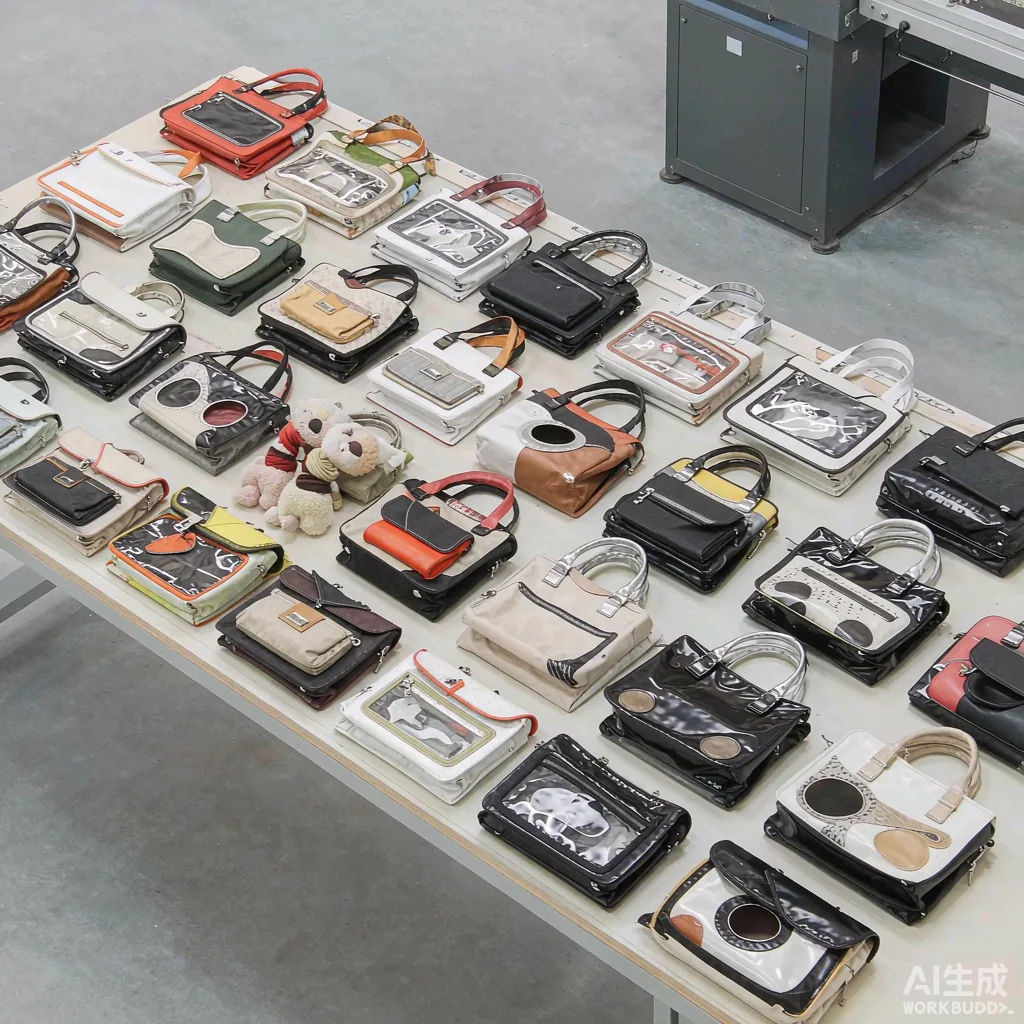
Recommendation by Programme Type
For a threshold-spend giveaway, take the 1.5 L pouch: it contains leaks, it ships in the smallest cube, and its unit cost leaves room in the promotion margin. For a counter gift with purchase, take the 8 L tote: it photographs, it carries boxed sets, and its identity panel does the brand work at the moment of handover.
For a sold accessory, take the 3.5 L vanity cube and pay for the full liner and the denser base, because the customer will judge it against items they bought rather than against items they were given. Choosing the pouch for a sold programme is the error to avoid: the piece is judged on daily use, and a giveaway construction shows its compromises within weeks.
Beauty Programme Numbers Sheet
- MOQ
- 100 pcs per style and colourway
- Sampling
- 7 working days
- Bulk
- 30 days
- Inspection
- AQL 2.5 under ISO 2859-1
- Trading term
- FOB Xiamen, CIF or DDP available
- Capacity
- 7 production lines, about 200,000 pcs per month
- Programme experience
- knit bag programmes coordinated since 2014
- Unit reference
- USD 4.80 at 2,000 pcs FOB Xiamen
- Colourway split
- five shades at MOQ is 100 pcs
The colourway line is the one beauty planners use most. Five shades at 100 pcs each is 500 units, which fits inside a single regional promotion while still allowing a shade per franchise or per retailer door. It is the reason a 100-piece minimum is workable in a channel that thinks in ranges rather than in single items.
What to Send With the First Beauty Enquiry
Beauty briefs move fastest when the leak case is stated up front. Send the format, the contents, the liner requirement with a hydrostatic head target, the colourway count and the identity method, and the first sample comes back as a beauty piece rather than as a generic pouch.
- Format decision: pouch, gift tote or vanity cube, with dimensions.
- Contents list, including whether bottles are glass and whether oils are present.
- Liner requirement and a hydrostatic head target under ISO 811.
- Colourway count and whether the liner is pale or mid-tone.
- Identity method: jacquard micro mark, woven label, printed card.
- Compliance scope: REACH, Prop 65, GRS or OEKO-TEX, plus claim wording.
Specify a beauty gift programme
Send format, contents, liner target and colourway count. Sampling takes 7 working days, bulk takes 30 days, MOQ is 100 pcs per style and colourway, FOB Xiamen. Reach the knit programme team at /contact/.
Frequently Asked Questions
Which knitted format suits a beauty gift-with-purchase?
A 1.5 L cosmetic pouch for anything containing bottles or oils, and an 8 L tote for boxed sets. The pouch wins on leak containment and shipping cube; the tote wins on identity and counter presentation. The deciding question is what the customer actually carries, not the size of the gift.
How is leak resistance specified for a cosmetic pouch?
By hydrostatic head on the liner. About 600 mm under ISO 811 is a practical target for a TPU-coated 190T liner with sealed corners, and it resists a standing pool of product at the base. The knit body does not need the rating, which keeps the hand soft.
Why should the liner be mid-tone rather than ivory?
Pressed pigments and foundations mark permanently and show on every pale surface. A mid-tone liner inside a pale body keeps the brand colour where it photographs and puts the stain-resistant surface where the product sits, which resolves the conflict without compromise.
What gauge should a beauty pouch use?
E14 in 150D recycled nylon at roughly 220 g/m² gives the soft hand a beauty piece needs and the fine surface a jacquard micro mark requires. An E12 in 300D at about 300 g/m² suits the larger gift tote, where structure and base abrasion matter more than hand feel.
How much weight does a beauty pouch need to carry?
About 0.8 kg of glass bottles, which is two or three full-size serums plus a compact. That is a low governing load compared with a retail carrier, so the panel density is set by the liner and the closure rather than by the weight the piece carries.
Which closure survives daily use?
A number 3 nylon coil zip for a pouch and a number 5 coil with a branded puller for a vanity cube, both checked to ASTM D2061 for strength. The zip is the second failure point after the liner, and it is worth specifying by test method rather than by appearance.
Can a beauty logo be knitted into the piece?
Yes, and jacquard is the better choice for beauty. A micro mark of about 90 by 60 mm sits inside the structure, so it survives weekly wiping where an applied print on a coated liner would flex and lift. A 30 mm woven label carries the range name.
What compliance files does a beauty brand request?
A restricted-substance declaration against ECHA REACH Annex XVII, a California Prop 65 statement for US distribution, and chain-of-custody evidence where recycled content is claimed. Textile Exchange GRS and OEKO-TEX STANDARD 100 answer those two, and both need to trace to the yarn lot.
How are green claims on a beauty gift item regulated?
Claims such as recycled or vegan on the hangtag fall under the EU rules on empowering consumers for the green transition, which require the claim to match supporting evidence. The cosmetics framework governs the product inside the bag; the bag itself is governed by textile and restricted-substance files.
How many pouches ship in one carton?
About 100 pieces per carton at roughly 50 by 34 by 28 cm, because a pouch at about 6 cm deep nests tightly. A vanity cube at 12 cm deep takes about 40 pieces per carton and roughly doubles the cube per unit, which is why it belongs in a sold programme.
What is the minimum order for a beauty programme?
MOQ is 100 pcs per style and colourway, so a five-shade range is 500 units. That fits a regional promotion while allowing one shade per franchise or per retail door, which is how beauty planners usually want to split a gift drop.
How long does a beauty gift programme take?
Sampling takes 7 working days and bulk takes 30 days. Against a fixed promotion date, lock the artwork roughly 8 weeks ahead, which leaves room for one liner adjustment and the sea leg before the counter handover date.
How is a beauty gift item inspected?
By agreement to AQL 2.5 under ISO 2859-1, with the defect list written for this channel: liner seam integrity, zip function, colour transfer and mark placement. A generic bag defect list will not catch a liner seam that leaks, which is the failure the customer notices.
Can one body serve several beauty promotions?
Yes, if the changeable element sits on the printed card rather than in the knit. Standardising the body across four gift moments a year shortens every repeat to the paper lead time, which is how beauty calendars with fixed promotion dates stay on schedule.
People Also Ask
Why do beauty pouches leak through the base?
Because product pools at the base and wicks through stitch lines. A TPU-coated 190T liner rated near 600 mm to ISO 811 with sealed corners blocks penetration, and a seam along the base wipes clean.
Which is better for beauty: jacquard or printed logo?
Jacquard. It sits inside the structure and survives weekly wiping, while an applied print on a coated liner flexes and lifts. A lifted mark on a premium gift item is worse than none.
How many colourways can a beauty gift drop carry?
Five at MOQ 100 pcs each is 500 units, enough for one shade per franchise or retail door without commissioning separate knit programmes.
Should a sold beauty accessory use the giveaway construction?
No. A sold vanity cube is judged on daily use, so pay for the full coated liner and the denser base. Giveaway compromises show within weeks when the customer has paid.
What abrasion target suits a cosmetic pouch?
About 10,000 rubs to ISO 12947-2 on the interior base, rising to 15,000 at the corners of a structured cube that sits on a tiled bathroom surface.
Sources and further reading
Every figure on this page is either our own programme data or attributed below. Open the originals before you write them into a specification.
- ISO 811 - Textile fabrics, determination of resistance to water penetration (hydrostatic head test)ISO Method behind the 600 mm liner target that keeps a leaked serum inside a cosmetic pouch.
- ISO 12947-2:2016 - Textiles, determination of abrasion resistance by the Martindale methodISO Referenced for the per-zone rub targets on pouch bases and vanity cube corners.
- ASTM D2061 - Standard test methods for strength tests for zippersASTM International Test method behind the closure specification on pouches and vanity cubes.
- Directive (EU) 2024/825 on empowering consumers for the green transitionEUR-Lex Governs recycled, vegan and similar claims printed on beauty gift hangtags.
- Substances restricted under REACHEuropean Chemicals Agency Restricted-substance declaration requested by beauty brand supplier files.
- ISO 2859-1 - Sampling procedures for inspection by attributes, Part 1: AQL-indexed sampling schemesISO Sampling framework behind an AQL 2.5 agreement with a channel-specific defect list.
Why the Liner Decides the Colourway
Beauty brand guidelines almost always start with a pale palette, and the duty cycle almost always argues against it. Those two facts are not in conflict if the decision is split: brand colour on the outside where the piece is photographed, mid-tone coated surface on the inside where the product sits. Treating colourway and liner as one decision is what produces gift items that look beautiful in a sample photograph and come back stained after a week.
Plan the second promotion while the first is in production rather than after it ships. With sampling at 7 working days and bulk at 30 days, a beauty calendar can run four gift moments a year on one approved body if the changeable element sits on the printed card rather than in the knit. Programme records coordinated since 2014 show that brands which standardise the body and vary the paper components reach the market sooner on every repeat promotion.