Knitted Bag Supply Planning: One Four-Colourway Programme Worked Backward From the In-Store Date
How does a knitted bag supply plan actually get built? Backward from the in-store date, not forward from the enquiry. A European retail buyer needed 6,000 pieces across four colourways and two sizes on shelf in early March; working backward from that date produced a 12-week calendar with three milestones that could not move and four that could. This article walks that programme week by week, shows where the plan needed slack and where it did not, and sets out what the second season inherited from the first.
The Programme: 6,000 Pieces, Eight SKUs, One Date
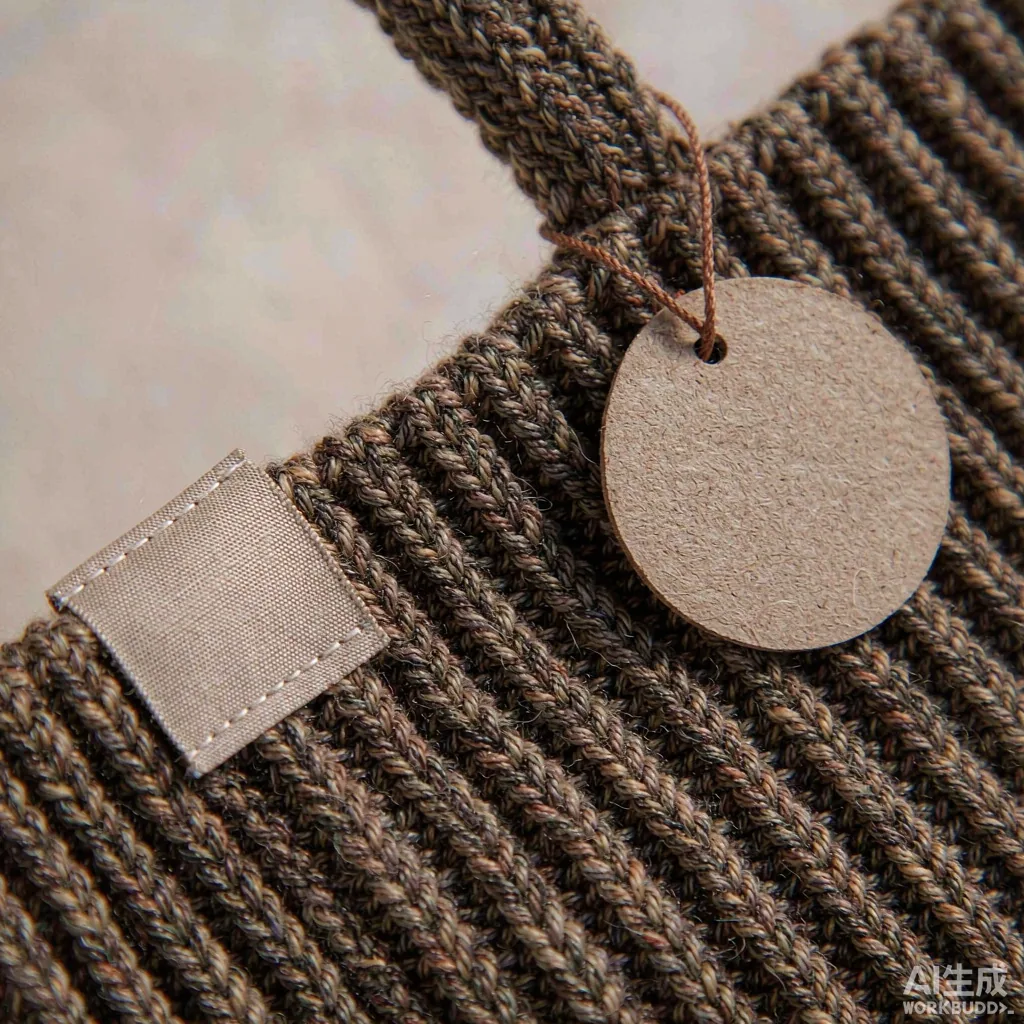
The programme was 6,000 knitted totes across four colourways and two sizes, giving eight SKUs at about 750 pieces each, with a fixed in-store date in the first week of March.
Eight SKUs at 750 pieces each sits comfortably above a 100 pcs per style and colourway minimum, which matters more than it appears. A minimum that low means the colourway split is a merchandising decision rather than a production constraint: the buyer could have run six colourways at 500 pieces, or eight at 375, without changing the unit cost structure. At a 100-piece minimum the same decision would have been forced, and the programme would have carried fewer colourways than the floor needed. That is the practical reason a low minimum changes planning rather than just procurement.
The buyer's first instinct was to place the order in early November, twelve weeks ahead, on the assumption that a 12-week figure was conservative. Working backward showed that assumption was both right and slightly dangerous. It was right because the first programme genuinely needs about twelve weeks. It was dangerous because it put the order placement at the point where the two holiday shutdowns sit closest together and the peak booking season is at its height, which meant the plan had no room for the one event that actually occurs: a second colour submission.
Working Backward From the In-Store Date
Backward planning fixes the delivery date first and derives every earlier milestone from it, which is the only method that shows which stages can move and which cannot.
The chain for this programme ran: in-store in the first week of March; one week of distribution and intake at the buyer's warehouse; about 21 days of sea freight from FOB Xiamen; 2 to 3 days of inspection and release against AQL 2.5; 30 days of bulk; 7 working days of sampling; and about one week of brief and technical pack. Laid end to end that is about twelve weeks, and it placed the order in the second week of November. The exercise also showed something the forward plan had hidden: of the eight links in the chain, three are immovable, three are compressible, and two can run in parallel with something else.
- In-store date
- First week of March; the fixed point the plan is built from
- Distribution and intake
- About 1 week at the buyer's warehouse
- Sea freight from Xiamen
- About 21 days, against about 18 by rail and about 5 by air
- Inspection and release
- About 2 to 3 days against AQL 2.5 under ISO 2859-1
- Bulk production
- 30 days; the immovable block
- Sampling
- 7 working days from a complete technical pack
- Brief and technical pack
- About 1 week; the specification freeze point
Week One to Week Three: Brief, Pack and Booking
The first three weeks carry no production at all, and they are where a supply plan is won: a complete brief, a signed technical pack, and yarn and trim booked in week one rather than after approval.
The buyer's brief covered the variables that determine everything downstream: yarn count and fibre, gauge, target GSM with a tolerance, dimensions with tolerances, colour references with a Delta E target and illuminant, the component list, the destination markets, the quantity per colourway, the trade term and the required date. Twelve variables, and the reason they matter is that each one that is left open gets filled in by whoever is quoting and then corrected later. The technical pack that followed turned the brief into a specification, and signing it created the freeze point. Booking the 300D rPET yarn and the hardware in the same week removed the longest window from the chain.
Booking in week one is the part buyers resist, because it feels like committing before the sample exists. It is not. The sample decides structure, hand feel and shade; it does not decide yarn count, fibre or the component list, all of which are fixed in the pack. For this programme the yarn was a stocked shade at about 7 to 10 working days and the metal hardware carried a 500 to 1,000 piece minimum, so booking early also meant the hardware was ordered once at its natural minimum rather than twice at a premium quantity. The buyer kept one decision open deliberately: the strap length, which was settled at sampling and affected only assembly.
Week Four: Sampling and the Approval Decision
Sampling took 7 working days and produced one structural revision and one colour resubmission, which is exactly why the buyer had left 3 working days of slack after colour.
The structural revision was a loop-length change: the first sample at E12 gauge held its shape well but the handle was firmer than the buyer wanted, and shortening the loop by about 4% softened it at a cost of three working days. The colour resubmission was more instructive, because the shade had been approved on a yarn cone and read differently on the knitted panel. Measured under the stated illuminant the difference was a Delta E of about 1.8 against a target of 1.0, which is a visible difference on a retail shelf but not one anyone would have caught by eye on a cone. Approving on a production-gauge panel from the start would have removed the round entirely.
The approval decision itself was recorded as twelve figures rather than as an impression, and that is what made the rest of the programme manageable. Dimensions, GSM, shade reading, seam condition, hardware function and interior finish, each with a tolerance, went onto a sheet that later became the inspection defect list. A sample approved on impression leaves nothing to inspect against; a sample approved with recorded figures leaves a standard that a second production partner could also be measured against. The buyer spent the 3 days of slack here and entered bulk on the scheduled date, which is what slack is for.
- Yarn count, fibre and gauge, stated together rather than as one fabric weight.
- Finished GSM with a tolerance of about 5%.
- Dimensions with a tolerance of about plus or minus 10 mm and the measurement points named.
- Colour reference with the Delta E target, the formula and the illuminant all stated.
- Component list with each hardware item, its finish and its minimum quantity.
- Destination markets, so the compliance screen can run in parallel with bulk.
Week Five to Week Nine: The 30-Day Bulk Block
Bulk ran 30 days and needed no intervention, because the four things that normally interrupt it had all been settled before it began.
Inside those 30 days the work ran: about 8 to 10 days knitting the panels at E12, 2 to 3 days of relaxation and steam, 8 to 10 days of assembly with lining, hardware and closure, and 2 to 3 days of packing and documentation. Two tasks ran alongside it rather than after it, and both were free. The restriction screen against REACH Annex XVII and the Prop 65 list for the destination markets was commissioned in week five, because it applies to the market and the material rather than to the finished goods. The inspection defect list was drafted in week seven from the twelve approval figures, so it existed before production ended rather than being written at the inspection itself.
Where the Plan Needed Slack, and Where It Did Not
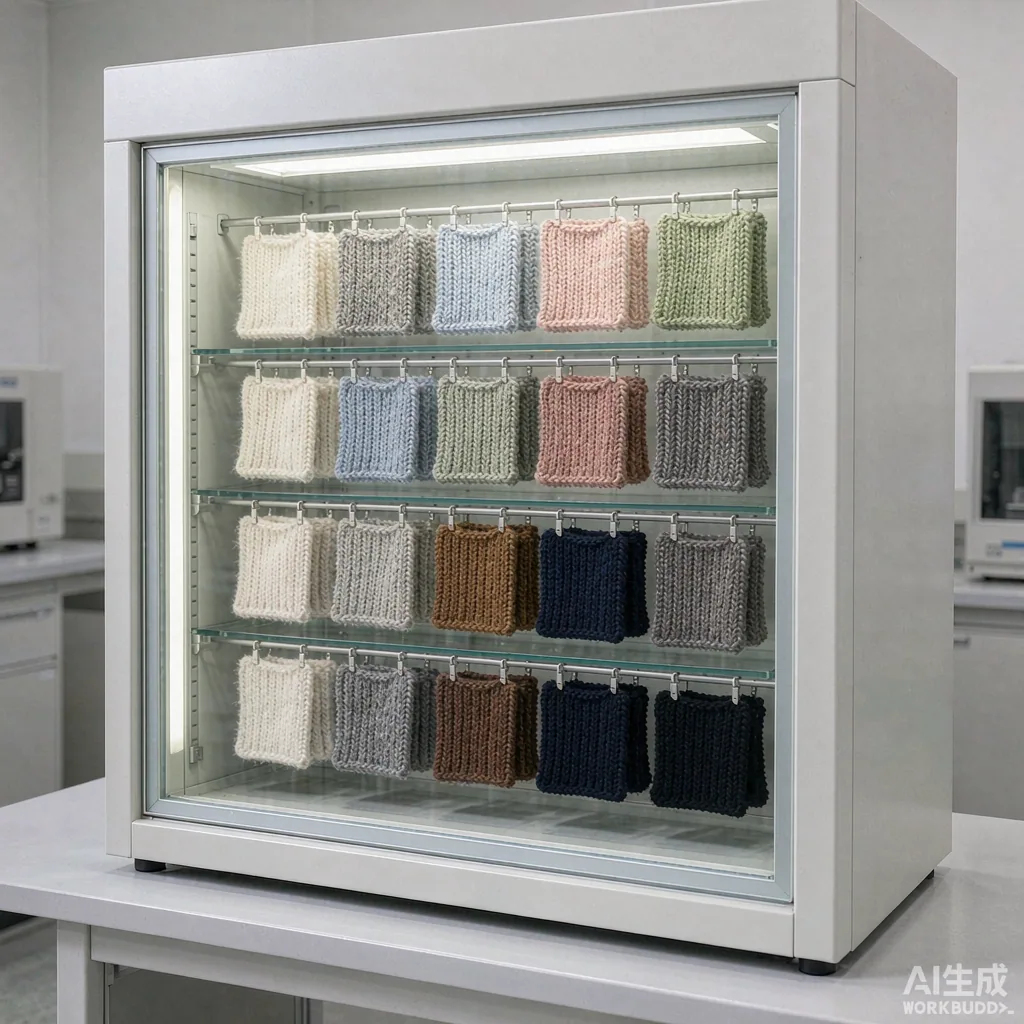
The plan needed slack in exactly two places, colour approval and the pre-ship window, and it needed none in the 30-day bulk block, which is stable enough to be scheduled to the day.
That asymmetry is the useful output of a backward plan. Slack placed at the start of a programme is spent on decisions that were never urgent; slack placed immediately before the ship date is still available when a document discrepancy appears, which is the hold that actually happens. The buyer put 3 working days after colour approval and 5 days before the required ship date, and both survived to the end of the programme unused, which is not waste: a buffer that is never used on a first run is what makes the second run schedulable without one.
Splitting Volume Across Colourways and Sizes
The 6,000 pieces were split evenly at first, and the review after the season showed the even split was wrong in a way that only sales data could have revealed.
| SKU | Planned volume | Actual first-season outcome |
|---|---|---|
| Large, colourway A | 750 | Sold out in 6 weeks; under-ordered |
| Large, colourway B | 750 | Sold through at plan |
| Large, colourway C | 750 | Sold through at plan |
| Large, colourway D | 750 | Carry-over of about 180 pieces |
| Small, colourway A | 750 | Sold out in 9 weeks; the surprise SKU |
| Small, colourway B | 750 | Sold through at plan |
| Small, colourway C | 750 | Carry-over of about 90 pieces |
| Small, colourway D | 750 | Carry-over of about 240 pieces |
Two things fell out of that table. Colourway A sold out in both sizes, and the small size in colourway A sold out faster than anyone expected, which said something about how the bag was being used rather than about the colour. Colourway D carried over in both sizes at about 420 pieces in total. Because the minimum per style and colourway is 100 pieces, the second season could act on that: colourway A went up, colourway D dropped to the minimum, and two new shades were tested at 100 pieces each without the test costing a full production slot. A higher minimum would have made that test impossible.
Two Shutdowns and a Peak Season
The plan crossed the Lunar New Year shutdown, which runs about two to three weeks in January or February, and it survived only because bulk was scheduled to finish before it rather than across it.
This is the calendar risk that a forward plan never sees. A 30-day block that begins ten days before the shutdown does not resume where it stopped, because the line restarts against a different queue. For this programme the backward plan put bulk in weeks five to nine of November and December, finishing with three weeks in hand before the shutdown, and the goods sailed in the last week of January. The second calendar item, the National Day holiday in early October, mattered to the sampling stage rather than to bulk, and the third, the August to November peak booking season, meant carrier space was reserved before the goods were finished rather than after.
What the Second Season Inherited
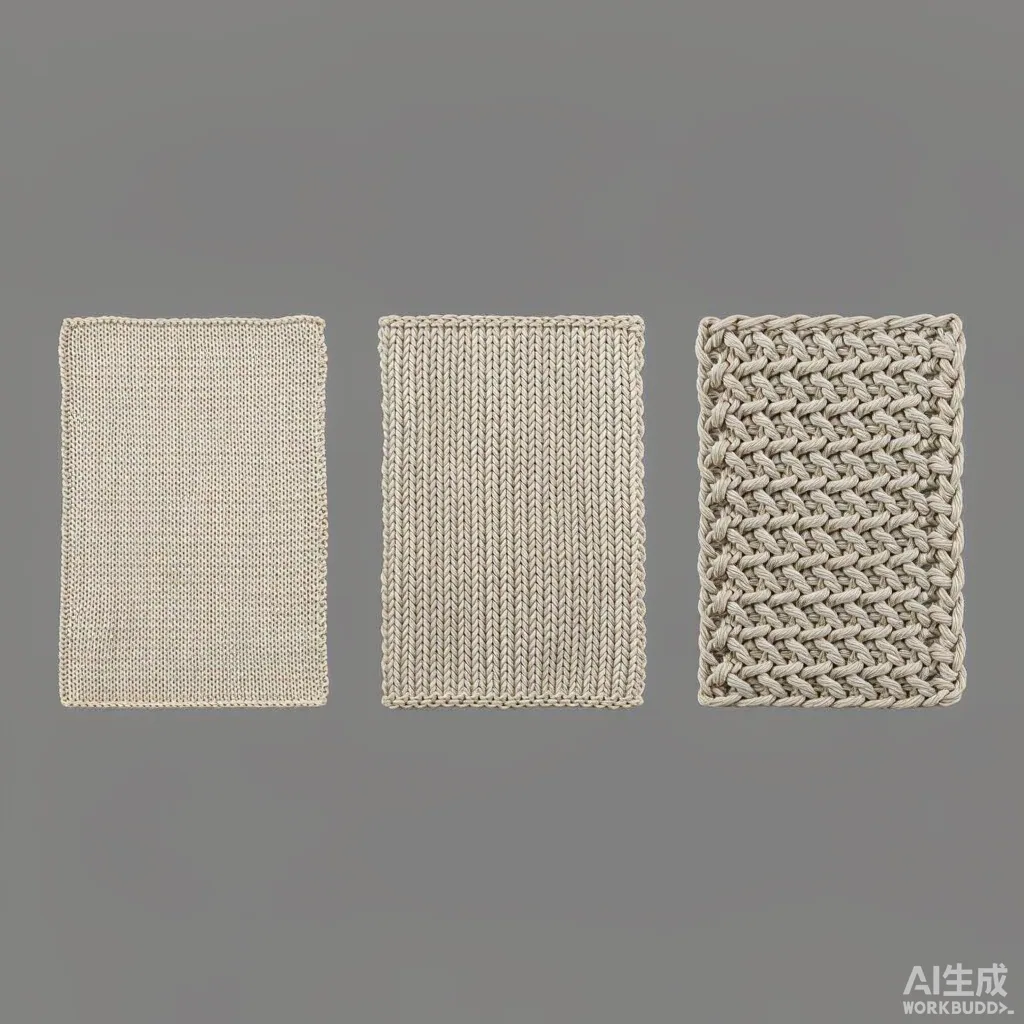
The second season ran about 8 weeks against the first season's 12, and every week of that difference came from something the first programme had already produced.
Four things carried over. The stitch file existed, so there was no development step and the gauge and loop length were already proven. The specification was frozen and recorded, so the technical pack was a confirmation rather than a negotiation. Held yarn and trim, about one week of production yarn and roughly 500 to 1,000 pieces of each hardware item, removed the booking window from the chain. And the inspection defect list existed, so release was a repeat of a known procedure. None of that is automatic: it has to be recorded at a review while the figures are still available, which is why the review is a scheduled stage rather than a conversation.
The stitch file
Gauge and loop length already proven, so the development step disappears from the chain.
The frozen specification
The technical pack becomes a confirmation rather than a negotiation, saving about a week.
Held yarn and trim
About one week of yarn and 500 to 1,000 hardware pieces remove the booking window.
The defect list
Release becomes a repeat of a known procedure rather than a first-time judgement.
Build your knit bag supply calendar
Send the SKU count, the volume per colourway, the required in-store date and the destination. Our knit team will return a backward plan with the immovable milestones marked, the parallel tasks identified, and a quotation on 7 working days of sampling and 30 days of bulk. Start on the contact page.
Frequently Asked Questions
How far ahead should a knitted bag programme be planned?
About 12 weeks for a first programme and about 8 weeks for a repeat. The difference is entirely in the development, booking and specification stages, which the second run inherits rather than repeats: the stitch file exists, the specification is frozen, and held yarn removes the booking window.
Why plan backward rather than forward from today?
Because backward planning shows which milestones can move and which cannot. A forward plan spreads effort evenly and hides the fact that the 30-day bulk block, the 2 to 3 day inspection and the roughly 21-day sea leg are immovable once goods are booked. Record the figure at approval so that inspection and any later run can be measured against it.
How many SKUs can a 100-piece minimum support?
Enough that the split becomes a merchandising decision rather than a production constraint. On a 6,000-piece programme, eight SKUs at 750 each is comfortable, and a test shade at 100 pieces costs no additional production slot or setup. Both sides are better served when this is agreed early rather than discovered halfway through the programme.
What are the three immovable milestones on a knit programme?
The 30-day bulk block, the 2 to 3 day inspection and release against AQL 2.5, and the roughly 21-day sea leg from FOB Xiamen. Everything else in the plan can be compressed, overlapped or brought forward without much difficulty. That is the practical control, and it costs nothing to put in place before the deposit is paid.
Can yarn and trim be booked before the sample is approved?
Yes. The sample decides structure, handle and shade. It does not decide the yarn count, the fibre or the component list, all of which are fixed in the technical pack before sampling begins, so booking in week one is safe practice. Programmes that skip this step tend to rediscover the same problem on the following season.
How much slack does a knitted bag supply plan need?
About 3 working days after colour approval and 5 days before the required ship date. Both sit where the events that actually occur happen, rather than at the start of the chain where slack is spent on decisions that were never urgent. Ask for it as a figure rather than a statement, since a statement cannot be checked or compared.
Why did the colour need a second submission?
Because it was approved on a yarn cone. The same dye lot reads differently on a knitted panel, and measured under the stated illuminant the difference was a Delta E of about 1.8 against a target of 1.0, which is visible on a shelf. Getting it right at this stage removes a whole category of argument from the rest of the programme.
What tasks can run alongside bulk production?
Two of them: the restriction screen against REACH Annex XVII and the Prop 65 list for the destination markets, and the drafting of the inspection defect list from the recorded approval figures. Both are free if scheduled in advance. It belongs in the written specification rather than in a conversation that nobody can quote later.
How does the Lunar New Year shutdown affect planning?
It runs about two to three weeks in January or February. Bulk should finish before it rather than across it, because a line that stops mid-run does not simply resume where it stopped; it restarts against a different queue of orders. It is worth stating in writing before production begins, because it is far harder to agree once the goods exist.
What does a repeat run inherit from the first programme?
Four things: the stitch file, the frozen specification, held yarn and trim, and the inspection defect list. Together they remove about four weeks from the chain, giving a repeat of roughly 8 weeks against about 12 weeks for the first. Record the figure at approval so that inspection and any later run can be measured against it.
People Also Ask
How do you plan a bag supply programme?
Backward from the in-store date: about a week of brief and pack, 7 working days of sampling, 30 days of bulk, 2 to 3 days of inspection, roughly 21 days of sea freight and about a week of intake.
How many weeks does a first knit bag order need?
About 12 weeks on the standard sea route. A repeat run needs about 8, because the stitch file, the frozen specification and the held materials all carry over from the first programme.
What is the minimum order for a knitted bag programme?
100 pcs per style and colourway. That is low enough that the colourway and size split becomes a merchandising decision rather than a constraint imposed by the production floor or the dye lot minimum.
Should I book materials before approving a sample?
Yes. Book yarn and trim in week one against the fixed count, fibre and component list. Waiting for approval adds the longest single booking window to the critical path and buys no additional safety.
How do holidays in China affect bag delivery dates?
The Lunar New Year shutdown of about two to three weeks and the early October holiday week both interrupt production. Schedule bulk to finish before them rather than across them. Both are free to agree at the first contract.
Sources and further reading
Every figure on this page is either our own programme data or attributed below. Open the originals before you write them into a specification.
- Incoterms rulesInternational Chamber of Commerce Defines FOB, CIF and DDP, which fix where the buyer's risk starts in the backward plan.
- ISO 2859-1 — Sampling procedures for inspection by attributes, Part 1: AQL-indexed sampling schemesISO The sampling plan behind the AQL 2.5 release that sits between bulk and freight.
- Substances restricted under REACH (Annex XVII)ECHA The restriction screen commissioned during bulk rather than after the goods exist.
- Proposition 65OEHHA The California list checked for destination markets in parallel with production.
- ISO 139:2005 — Textiles, standard atmospheres for conditioning and testingISO Standard conditioning before measurement, which keeps GSM and shade readings comparable between the sample and bulk.
- WHOLEGARMENT knitting machinesShima Seiki Gauge ranges and machine capability referenced when the stitch file is reused on a repeat run.
Plan From the Date, Not From Today
The difference between a 12-week plan and an 8-week one is not effort or urgency; it is what the first programme leaves behind. A recorded specification, a held stock of yarn and trim, a proven stitch file and a written defect list are the four things that make a second season short, and none of them is produced by working faster. The first run is where the calendar is bought.
For the risk side of the same calendar, see knitted bag lead time risks, and for confirming that a booked window is real, see knitted bag capacity verification. The framework is set out in the knit bag sourcing guide.