Knitted Bag Cost Breakdown: Following One Quotation From Yarn Cost to Landed Cost
A homewares brand asked a reasonable question about a knitted tote quotation: where does the money actually go. The answer was not a margin conversation but an arithmetic one, and it changed three specification decisions before the order was placed. On a USD 4.80 FOB tote the yarn is the largest line at 38% and the knitting is second at 24%, while hardware and packaging together account for 12%. This article follows that quotation line by line, from the yarn consumed on the bed to the landed figure after freight and duty.

The Quotation That Started the Conversation
A knitted bag quotation is built from six production lines plus a waste allowance, and on a standard E12 tote at USD 4.80 FOB the split runs roughly 38% yarn, 24% knitting, 9% dyeing and finishing, 14% assembly, 8% hardware and 4% packaging, with about 3% waste.
The programme in question was a 1,200-piece spring range in two colourways, at 320 g/m² in 300D polyester, gauge E12, with a size 5 coil zip and two D-rings. Nothing about the specification was unusual, which is what made it a useful case: the arithmetic below is representative rather than exceptional, and a buyer can read their own quotation against it without adjusting for anything exotic.
The value of reading a quotation this way is that it converts a single number into seven decisions. A buyer who knows that yarn is 38% of the cost knows where a specification change will bite, and a buyer who does not will spend the negotiation on the wrong line. In this case the conversation moved the GSM, dropped the hardware count and changed the freight mode, and none of those three would have been identified from the total alone.
Line One: Yarn, the Largest and Least Visible Cost
Yarn is the largest line at about 38% of the unit cost, roughly USD 1.82 on a USD 4.80 tote, and it is calculated from finished area times GSM plus a knitting waste allowance rather than from a price per bag.
That calculation is worth seeing once, because it explains a quotation that otherwise looks arbitrary. A tote with two panels of about 380 mm by 380 mm plus a base consumes roughly 0.35 square metres of finished fabric including the handle; at 320 g/m² that is about 112 g of fabric, and with a knitting waste allowance of around 8% the yarn bought per bag is close to 121 g. Multiply by the yarn price per kilogram and the line appears. The two levers inside it are GSM and fibre: a move from 320 to 280 g/m² removes about 12% of the line, and a move from commodity polyester to recycled rPET with a transaction certificate adds roughly 22%.
- Finished area
- About 0.35 square metres for a 380 by 380 mm tote with a base and handles
- Fabric weight
- About 112 g at 320 g/m²
- Knitting waste allowance
- About 8%, taking the yarn bought to roughly 121 g per bag
- GSM lever
- 320 to 280 g/m² removes about 12% of the yarn line
- Fibre lever
- Commodity polyester to certified rPET adds about 22%
- Yarn line on this quotation
- About USD 1.82, or 38% of the unit
Line Two: Knitting Time, Priced in Minutes Not Pieces
Knitting is priced on machine time at about 24% of the unit, roughly USD 1.15, and the variable inside it is cycle time per bag, which falls with gauge count and rises with structural complexity.
Cycle time is the number a buyer never sees and always pays for. A plain body at E12 in a single yarn runs at one speed; the same body with an intarsia colour block runs slower because the machine changes feeders; and a body with an integral handle knitted as a closed tube runs slower still, because the shaping is done on the bed rather than in assembly. The trade is deliberate and worth making consciously: slower knitting that removes an assembly operation can be the lower total cost, because assembly is priced at a different rate. On this quotation the integral handle cost about 9% more in knitting time and removed an entire sewing operation.
- Gauge: coarser gauges such as E7 knit faster per panel than E12, but produce a heavier fabric.
- Structure: a plain jersey field is the fastest; intarsia and shaping add feeder changes.
- Integral elements: handles and channels knitted on the bed add time and remove assembly.
- Colour count: each additional yarn colour is a feeder change and therefore a cycle cost.
- Programming: written once, so it is a fixed cost rather than part of the per-minute rate.
Line Three: Dyeing, Finishing and Setting
Dyeing and finishing account for about 9% of the unit, roughly USD 0.43, and the two elements inside the line are the dye process itself and the heat setting that stabilises the loop structure.
Setting is the part of this line that a buyer benefits from understanding, because it is the step that governs dimensional stability and therefore the tolerance discussion. A knitted body that has not been properly set continues to move after it leaves the bed, which is why a sample measured on day one and a sample measured on day five differ by more than the tolerance allows. The cost of the step is small relative to its effect, and it is one of the few places in a knitted bag quotation where spending a little more removes a whole class of downstream problem.
The dyeing element of the line behaves differently depending on whether the programme takes a stock shade or books a custom one, and the difference is worth separating out. A stock shade is bought from an existing yarn range and costs nothing beyond the yarn price; a custom shade books a dye lot of around 300 kg, carries a premium of about 7% on the yarn line, and adds roughly 10 working days to the booking. On this programme both colourways were stock shades, which is one reason the yarn line sat where it did and one reason the calendar held at 7 working days of sampling.
Finishing also carries the functional finishes a programme may specify, and those are worth costing explicitly because they are quoted per kilogram of fabric rather than per bag. An antibacterial finish, a water-repellent finish and a UV-stabilising finish each add to this line, and each has to be screened for compliance in the destination market. Where a brand wants two of them, the combined cost is usually less than the sum of the two quoted separately, because they can be applied in one bath rather than two.
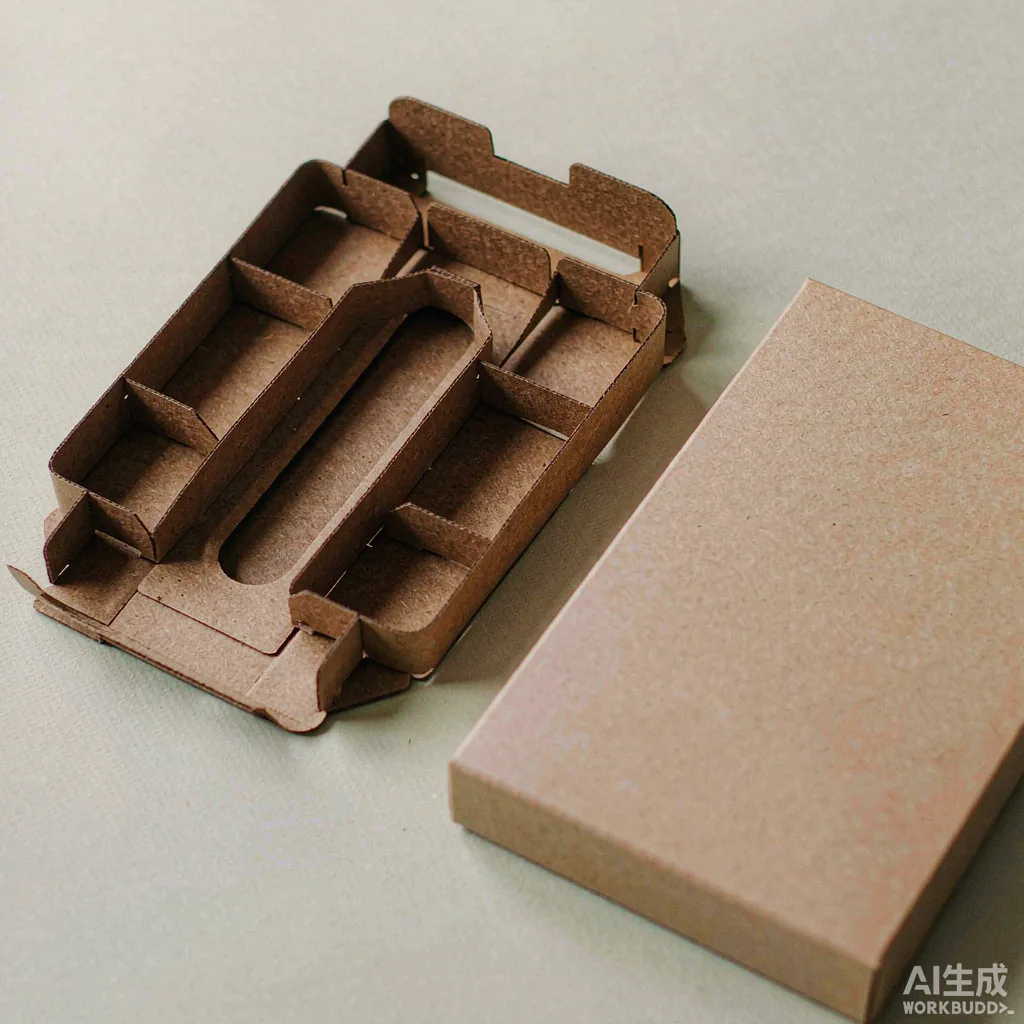
Line Four: Cutting, Sewing and Assembly
Assembly is about 14% of the unit, roughly USD 0.67, and it is the line most sensitive to component count rather than to bag size, because each operation is charged separately.
This is the line the case programme reduced most, and it did so by counting operations rather than by negotiating the rate. The original specification carried a sewn-on base panel, two handle attachments, a zip insertion, two D-ring tabs, a label set and a top hem — seven operations. Reducing the hardware to a single zip and one pair of ring tabs, and knitting the handle integrally, took it to four, and the saving was about 38% of the assembly line for a change most users would not notice on the finished bag.
| Cost line | Share of unit | Approximate value | Main lever |
|---|---|---|---|
| Yarn | About 38% | About USD 1.82 | GSM and fibre choice |
| Knitting | About 24% | About USD 1.15 | Cycle time, gauge and structure |
| Dyeing and finishing | About 9% | About USD 0.43 | Process and setting route |
| Assembly | About 14% | About USD 0.67 | Number of operations |
| Hardware and trim | About 8% | About USD 0.38 | Component count and finish |
| Packaging | About 4% | About USD 0.19 | Flat pack against stuffed pack |
| Waste allowance | About 3% | About USD 0.16 | Nesting efficiency on the bed |
Line Five: Hardware, Trim and Packaging
Hardware and trim account for about 8% of the unit, roughly USD 0.38, and packaging about 4% at USD 0.19 — and both are the lines where a small specification change moves the number most.
Hardware is quoted per component rather than per bag, so the lever is count rather than price: a size 5 coil zip, two D-rings and a woven label are three purchased items and three insertion operations. Trim minimums also apply here, typically around 500 to 1,000 pieces per component, which is why a 1,200-piece run clears them comfortably and a 100-piece run does not. Packaging is the line almost nobody questions, and it has one large lever inside it: a bag shipped flat-packed occupies markedly less cube than the same bag stuffed to hold its shape, and on a bulky knit that difference is paid for on every carton.
Component count
Each hardware item is a purchase and an insertion. Reducing from six to three is the largest single saving on this line.
One trim finish
Standardising the finish consolidates several component bookings into one, each of which has its own minimum.
Flat packing
A knitted body recovers from compression, so flat packing is usually viable and materially reduces the freight cube.
Surplus handling
Surplus trim and yarn are held against the repeat, so they are inventory rather than waste if a reorder is planned.
What the Landed Cost Looks Like After Freight and Duty
On this 1,200-piece programme the landed figure ran about 31% above the FOB unit: sea freight at roughly USD 0.31 per piece, duty at around 12% of the customs value, compliance testing at about USD 350 per material, and inland handling.
Freight is the line that surprises buyers most on a knitted bag, and it does so for a structural reason: a knit is light but bulky, so it is charged on volumetric weight rather than on actual weight. Sea freight at about 21 days costs roughly a fifth of air freight at about 5 days on this product, and the differential per piece can exceed the FOB unit cost itself on a compressed schedule. Duty follows the HS classification and the destination market, and knitted bags do not classify identically across markets, so the figure should be confirmed by the importer rather than assumed from a previous product category.
Compliance is the third element and the one whose shape is least intuitive. A restriction screen is charged per material and does not know how many bags there are, so on this 1,200-piece programme it was a rounding error and on a 100-piece run of the same bag it would have been a visible percentage of the unit. That shape is the reason a small programme and a large one cannot be compared on the unit price alone, and it is also the reason a component reduction saves twice: once on the purchased item and once on the material that no longer has to be screened.
Three Changes That Moved the Quotation
Three changes came out of reading the quotation line by line — reducing GSM from 320 to 300 g/m², cutting the hardware from six components to three, and shipping by sea — and together they moved the landed figure by about 14%.
The order of those three matters, because they are not equally reversible. The GSM reduction is a specification change and has to be signed off against the durability thresholds the bag still has to meet: about 20,000 Martindale rubs to ISO 12947-2 and roughly 600 N of strip tensile strength to ISO 13934-1. The component reduction is a design change and is usually the easiest of the three to agree. The freight change is a calendar change, and it is the only one that can be made late — and making it late is precisely what makes it expensive.
See the cost lines on your own programme
Send the style, the GSM you have in mind, the component list and the volume per colourway. Our knit team will return a line-by-line breakdown, the levers available on each line, a landed estimate by freight mode and a quotation on 7 working days of sampling and 30 days of bulk. Start on the contact page.
Frequently Asked Questions
What does a knitted bag cost to produce?
On a standard E12 tote at 320 g/m² the reference unit is USD 4.80 FOB Xiamen. The split runs about 38% yarn, 24% knitting, 9% dyeing and finishing, 14% assembly, 8% hardware and 4% packaging.
Why is yarn the largest cost line on a knitted bag?
Because the cost is area times GSM plus a waste allowance rather than a price per bag. A 380 by 380 mm tote consumes about 0.35 square metres of fabric, roughly 121 g of yarn including waste.
How much does GSM change the unit cost?
A move from 320 to 280 g/m² removes about 12% of the yarn line, which is roughly 4% of the unit. It has to be checked against the abrasion and tensile thresholds the bag still has to meet.
Is recycled yarn more expensive?
Yes. Certified recycled rPET adds about 22% to the yarn line against commodity polyester, because of the certification and transaction certificate cost rather than the fibre itself.
How is knitting time priced?
On machine minutes rather than on pieces. Cycle time rises with structural complexity, feeder changes and shaping, and falls at coarser gauges, so an integral handle costs knitting time and removes assembly.
What is included in the assembly line?
Every separate operation: base panel, handle attachment, zip insertion, ring tabs, label set and top hem. The line is sensitive to component count rather than to bag size.
How much does hardware add to a knitted bag?
About 8% of the unit, roughly USD 0.38, quoted per component. Reducing from six components to three is the largest single saving available on that line.
Why is freight so high on a knitted bag?
Because a knit is light but bulky and freight is charged on volumetric weight. Sea at about 21 days costs roughly a fifth of air at about 5, and the differential can exceed the FOB unit itself.
What duty applies to a knitted bag?
It follows the HS classification and the destination market, and knitted bags do not classify identically across markets. The figure should be confirmed by the importer rather than assumed from a previous category.
How much does compliance testing cost?
About USD 350 per material, charged the same whether it covers 100 pieces or 1,200. It is one of the fixed costs that weighs most heavily on a small programme.
What is the waste allowance and why is it charged?
About 3% of the unit, covering knitting waste of around 8% on yarn plus nesting inefficiency on the bed. It is smaller than in cut-and-sew, where cutting waste is typically far higher.
Does flat packing really save money?
Yes, on freight. A knitted body recovers from compression, so flat packing is usually viable and reduces the carton cube materially on a bulky product charged by volume.
Which cost lever is easiest to agree?
Reducing the component count. It is a design change, it is usually invisible to the end user, and it saves on both the purchased item and the insertion operation.
How are functional finishes priced?
Per kilogram of fabric rather than per bag, and two finishes applied in one bath usually cost less than two quoted separately. Each has to be screened for compliance in the destination market before it is specified.
Can the landed figure be reduced late in a programme?
Only through freight, which is the most expensive block to compress. GSM and component decisions have to be made while the specification is still open, before the 30 days of bulk begin.
People Also Ask
What is the biggest cost in a knitted bag?
Yarn, at about 38% of the unit. It is calculated from finished area times GSM plus waste, so the levers are GSM and fibre choice rather than the number of bags.
How do I reduce the unit cost of a knitted bag?
Lower the GSM where durability allows, reduce the hardware component count, share one stitch file across colourways, take a stock shade and ship by sea rather than by air.
Why is a knitted bag quote higher than I expected?
Usually freight or compliance. A knit is charged on volumetric weight, and a restriction screen is charged per material regardless of quantity, so both weigh heavily at low volume.
Is a heavier GSM always more expensive?
Yes on the yarn line, but the comparison to make is cost per use. A 380 g/m² body costs more and lasts longer, so over a year it can be the lower figure.
How much should I allow above the FOB price?
About 18% to 32% for freight, duty, compliance testing and packaging on a planned programme. On a 100-piece run the band is wider, roughly 25% to 40%, because the fixed lines do not shrink.
Sources and further reading
Every figure on this page is either our own programme data or attributed below. Open the originals before you write them into a specification.
- Incoterms rulesInternational Chamber of Commerce Defines FOB, CIF and DDP, the terms under which the landed figure is built from the unit price.
- Recycled Claim Standard and Global Recycled StandardTextile Exchange The certification route whose transaction certificate sits inside the recycled yarn premium.
- ISO 12947-2 — Textiles, determination of abrasion resistance, Part 2: specimen breakdownISO The 20,000-rub threshold that a GSM reduction has to be checked against.
- ISO 13934-1 — Textiles, tensile properties of fabrics, Part 1: maximum force using the strip methodISO Referenced for the 600 N figure that constrains how far GSM can be reduced.
- ISO 2859-1 — Sampling procedures for inspection by attributes, Part 1: AQL-indexed sampling schemesISO Defines the AQL 2.5 release that sits between bulk production and freight on the cost timeline.
- OEKO-TEX STANDARD 100OEKO-TEX One of the per-material compliance costs counted outside the unit price.
Negotiate the Line, Not the Total
A knitted bag quotation is seven decisions wearing one number. Reading it line by line is what turns a price conversation into a specification conversation, and specification is where the money actually is: the component count, the GSM, the freight mode and the packing method are all decided before bulk begins and none of them can be recovered afterwards.
For the variables that move each line, see knitted bag pricing factors. For the calendar those decisions sit inside, see knitted bag lead time planning, and for the volume structure behind the quotation, see custom knit bags.