Core Spun Yarn for Bag Strength: How It Compares With Flat Filament and Textured Yarn
Core spun yarn builds a continuous filament core inside a staple fibre sheath, so a knitted bag panel gets filament strength with a staple surface. Against a flat 300D filament yarn, a comparable core spun construction typically raises breaking force from about 450 N to roughly 520 N under ISO 13934-1 and lifts Martindale abrasion from 25,000 to about 35,000 cycles under ISO 12947-2, at a higher price per kilogram and slightly lower elongation. It earns its place in base panels, handle roots and load-bearing zones.
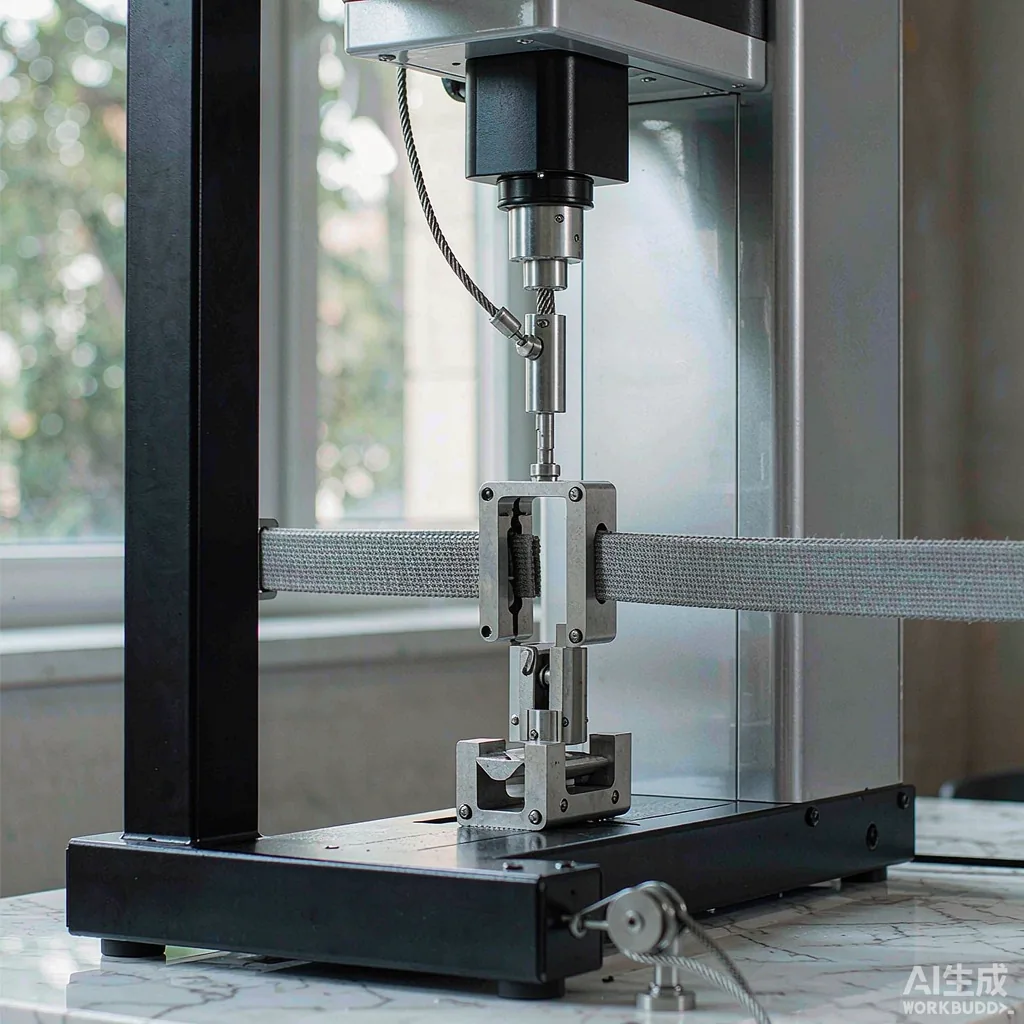
What Core Spun Yarn Actually Is
Core spun yarn is a composite: a continuous filament core carrying the load, wrapped by a staple fibre sheath that provides the surface. A typical construction for bags is a 200D polyester filament core inside a polyester or cotton staple sheath, spun to an equivalent count near 300D. The core is what carries tensile load and the sheath is what the hand feels and what the abradant rubs against, which is why the construction separates strength from surface and lets both be tuned independently.
The separation is the whole point. In a flat filament yarn, the same filaments that carry load are also the surface, so any change that improves abrasion resistance also changes hand feel and lustre. In a core spun yarn, changing the sheath changes the surface without touching the load-bearing core. For a knitted bag, where the panel has to be both strong and pleasant to touch, that is a genuinely useful degree of freedom and it is worth understanding before dismissing core spun as unnecessary complexity.
There is a cost to the freedom. Core spinning is an extra process step over filament extrusion, so the yarn costs more per kilogram, and the staple sheath introduces hairiness that behaves differently on a knitting machine. Yarn hairiness affects loop formation and can cause needle wear and fluff build-up on fine gauge beds, so core spun yarns are normally run at E7 or E12 rather than E14. Gauge choice is therefore part of the core spun decision, not a separate one.
Core spun in one line
- A filament core carries the load, a staple sheath provides the surface.
- The construction lets a knitted bag be strong and soft at the same time, at a higher price per kilogram and with a coarser gauge range.
Three Yarn Constructions Compared Side by Side
The comparison that matters for a knitted bag is between three constructions at roughly equivalent count: flat filament, textured filament, and core spun. Flat filament gives the highest tenacity and the cleanest surface. Textured filament adds bulk and softness and loses some strength. Core spun trades a little elongation and some price for a better abrasion surface and a more natural hand. None of the three is universally better; the right one depends on which failure the bag is most likely to meet.
| Property | Flat filament 300D | Textured filament 300D | Core spun, 200D core |
|---|---|---|---|
| Tenacity | about 4.5 cN/dtex | about 3.8 cN/dtex | about 3.8 cN/dtex on the composite |
| Elongation at break | about 28% | about 32% | about 18% |
| Breaking force, ISO 13934-1 | about 450 N | about 380 N | about 520 N |
| Martindale, ISO 12947-2 | 25,000 cycles | 18,000 cycles | 35,000 cycles |
| Pilling, ISO 12945-2 | grade 4-5 | grade 3-4 | grade 4 |
| Surface character | smooth, high lustre | bulky, matte | matte, natural hand |
| Usual gauge | E12 to E14 | E7 to E12 | E7 to E12 |
| Price per kilogram | baseline | slightly above baseline | above baseline |
Tensile and Breaking Force: What Changes
The mechanical case for core spun yarn is straightforward: a continuous filament core has no staple-fibre slip, so it converts more of the fibre strength into yarn strength. In practice a core spun construction at equivalent count raises breaking force under ISO 13934-1 from roughly 450 N for flat filament to about 520 N, measured on a 50 mm strip. That is around 15% more load capacity from the same nominal count, which is enough to matter at a handle root without adding fabric mass.
The trade is elongation. A core spun composite typically breaks at about 18% elongation against roughly 28% for flat filament nylon, which means it absorbs less energy before failing. For a bag that takes a sudden shock, such as a duffel dropped while loaded, that lower stretch can be a disadvantage, because the load spike goes straight into the seam instead of being absorbed by the panel. Where impact loading is the main risk, flat filament nylon remains the better choice even though its breaking force is lower.
Abrasion and Pilling: Where Core Spun Wins
Abrasion is the strongest argument for core spun yarn. Under ISO 12947-2 at 12 kPa, a core spun panel commonly reaches about 35,000 cycles before the surface breaks down, against roughly 25,000 for flat filament and nearer 18,000 for textured yarn. The reason is the sheath: staple fibre ends present a denser, less slippery surface that resists the abradant's cutting action better than smooth filament bundles do, and when the surface does wear, it fuzzes rather than snapping.
Pilling is the counter-argument and it needs to be specified. A staple sheath can pill, and pilling is graded under ISO 12945-2 after a set number of revolutions. A well-spun core spun yarn with adequate twist holds grade 4, which is acceptable for bags, but a loosely spun one can fall to grade 3 and look worn well before it is worn. Specify the pilling grade and the twist level together, and treat twist as the control: 700 turns per metre is a reasonable floor for a sheath intended to resist pilling on a bag body.
- Typical construction
- 200D polyester filament core, polyester staple sheath, equivalent count near 300D
- Breaking force
- about 520 N, ISO 13934-1, 50 mm strip
- Abrasion
- about 35,000 cycles, ISO 12947-2 at 12 kPa
- Pilling grade
- grade 4 target, ISO 12945-2
- Twist level
- 700 turns per metre or higher to hold the sheath
- Elongation at break
- about 18%, lower than flat filament
- Recommended gauge
- E7 or E12, not E14
Seam and Handle Attachment Behaviour
Core spun yarn changes how a panel behaves at the seam, and this is where programmes either gain or lose. The staple sheath grips better than smooth filament, so seam slippage under ISO 13936-2 improves: a core spun panel typically holds displacement near 6 mm at 120 N where a filament panel may slip further. Better grip means a handle root sewn to a knitted panel is less likely to tear out progressively, and progressive tear-out at the handle is the single most common structural return on a knitted bag.
The caution is needle damage. Staple sheaths are bulkier than filament of the same count, and sewing a dense core spun panel with the wrong needle size cuts fibres rather than passing between them, which weakens the seam the yarn was chosen to strengthen. The practical instruction is to specify the needle size and stitch density on the sewing operation when core spun yarn is used, and to test the assembled handle rather than the fabric alone. A fabric test result of 520 N means little if the seam fails at 200 N.
Dyeing, Colour and Hand Feel Trade-offs
Because a core spun yarn normally has a synthetic core and a synthetic sheath, it dyes as one fibre system and colour matching is not much harder than for filament. Problems appear when the sheath is a different polymer from the core, for example a cotton sheath over a polyester core, because the two take dye differently and the result is a heather or marl effect. That can be a deliberate design choice but it must be specified, because a buyer expecting a solid colour from a two-polymer construction will reject the sample.
Hand feel is the usual reason a brand chooses the construction. The staple sheath reads warmer and more natural than filament, and it holds a matte finish that photographs well in a lifestyle catalogue. Against that, the sheath adds surface friction, which makes a bag slightly harder to wipe clean and slightly more prone to picking up dust in transit packing. For a retail bag this rarely matters; for a promotional bag shipped in bulk and handed out unfolded, it is worth weighing.
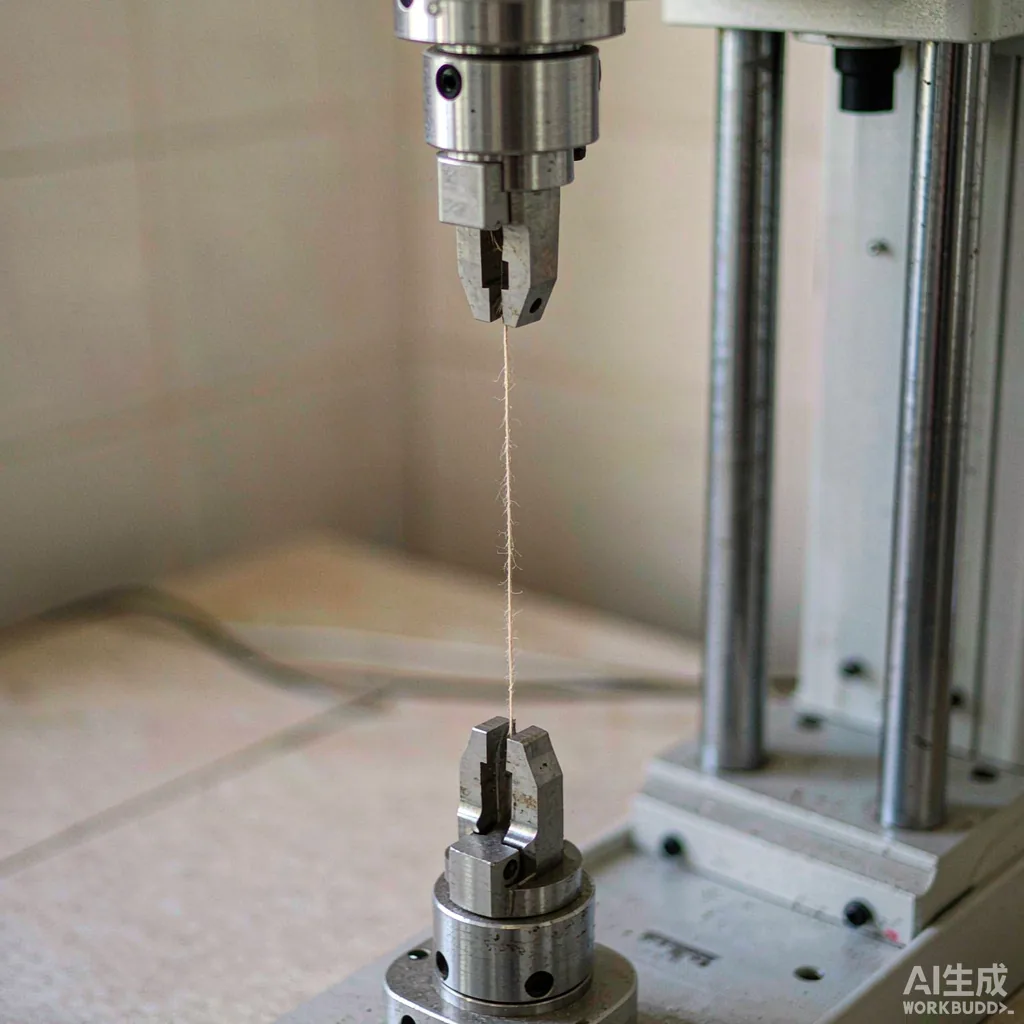
Cost per Kilogram and Cost per Bag
Core spun yarn costs more per kilogram than flat filament, because spinning is an additional process on top of extrusion. The gap is real but smaller than it used to be, and it should be evaluated against what the yarn saves rather than against the yarn price alone. If core spun lets a programme hold a 35,000 cycle abrasion floor at 420 g/m² where flat filament would need 520 g/m² to reach the same result, the yarn premium is partly paid back by lower fabric mass per bag.
The other cost lever is yield. Core spun yarn is hairier, and hairiness means more fluff at the knitting machine and slightly slower running with more cleaning stops. On a 30-day bulk plan that shows up as reduced output rather than as a line item, which is why it is worth asking for core spun on a pilot quantity before committing a full season. Programmes start at 100 pcs per style and colourway, which is a workable size for that pilot, quoted FOB Xiamen with CIF and DDP available.
When Flat Filament Is Still the Better Choice
Flat filament remains the better choice in four situations. First, where impact loading dominates, because 28% elongation absorbs a shock that an 18% composite will pass straight into the seam. Second, where the bag is light and packable, because filament runs finer gauges and gives more cover per gram. Third, where a bright, lustrous surface is part of the design language. Fourth, where the programme is price-led and the abrasion floor is modest, because at 25,000 cycles filament already clears the requirement and the premium buys nothing measurable.
Choose flat filament when
Impact loading dominates, the bag must pack small, a lustrous surface is part of the design, or the abrasion floor is already met at 25,000 cycles.
Choose core spun when
Abrasion above 30,000 cycles is required, the bag drags on its base, handle roots need better seam grip, or a matte natural hand is wanted.
Choose textured when
Softness and bulk matter more than strength, and the load case is light. Accept that abrasion drops to roughly 18,000 cycles.
Choose a hybrid when
Use core spun in the base and handle zones and flat filament in the body. Zoned knitting makes the combination possible in one cycle.
How to Write Core Spun Into the Spec
A core spun specification has to name the core, the sheath and the twist, because naming the count alone is ambiguous. A workable line reads: core spun, 200D polyester filament core, polyester staple sheath, equivalent count 300D, twist 700 turns per metre, knitting gauge E12. Add the mechanical floors: 520 N breaking force under ISO 13934-1, 35,000 cycles under ISO 12947-2, pilling grade 4 under ISO 12945-2, seam slippage 6 mm at 120 N under ISO 13936-2.
Two clauses are worth adding because they prevent the most common disappointment. First, state whether a solid colour is required or whether a heather effect is acceptable, and if a solid colour is required, require the core and sheath to be the same polymer family. Second, specify the sewing needle size and stitch density for assembly, so the seam test is done under the conditions bulk will actually use. Both clauses cost nothing to write and both prevent a sample rejection that would otherwise cost a full sampling round.
- Name the core: polymer, denier, filament count.
- Name the sheath: polymer, staple length, and whether it matches the core polymer for solid dyeing.
- Name the twist: 700 turns per metre or higher to control pilling.
- Set the mechanical floors: breaking force, abrasion cycles, pilling grade, seam slippage.
- Set the sewing conditions: needle size and stitch density, so the seam test is representative.
- State the dye expectation: solid colour or accepted heather effect.
Test Plan for a Core Spun Knit Programme
A core spun programme should be tested on the assembled bag, not only on the fabric, because the construction is usually chosen for a seam or an abrasion reason and both are properties of the assembly. The plan below runs inside the 7 working day sampling window if the yarn is on hand, and the results are what the bulk release decision should rest on rather than the appearance of the sample.
| Test | Method | Target | Why it matters here |
|---|---|---|---|
| Breaking force | ISO 13934-1 | 520 N minimum | confirms the core is carrying load as specified |
| Abrasion | ISO 12947-2 at 12 kPa | 35,000 cycles | the main reason to pay for the construction |
| Pilling | ISO 12945-2 | grade 4 | catches a loosely spun sheath before bulk |
| Seam slippage | ISO 13936-2 | 6 mm at 120 N | confirms sheath grip at the seam |
| Handle pull test | in-house static load | 8 kg for 30 minutes | tests the assembly, not the fabric |
| Dimensional stability | ISO 5077 | within 3% | staple sheaths relax differently from filament |
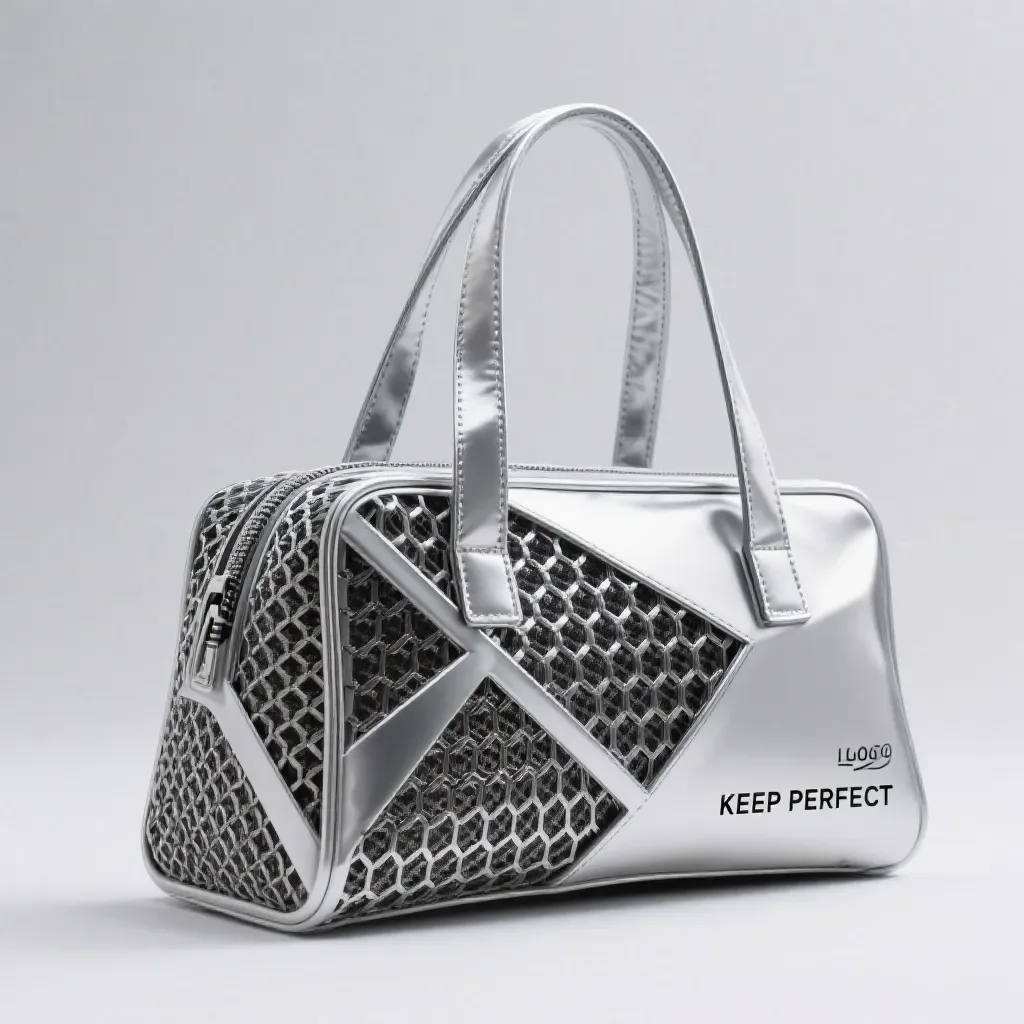
Where core spun earns its price
- Base panels, handle roots and any zone that drags.
- Keep the body on flat filament and zone the core spun yarn in, rather than paying the premium across the whole bag.
Compare core spun against filament on your bag
Send the bag type, load case and abrasion floor you need to clear. We will knit both constructions at your gauge, test them, and quote FOB Xiamen at 100 pcs per style and colourway. Start on the contact page.
Frequently Asked Questions
What is core spun yarn and why is it used for bags?
Core spun yarn has a continuous filament core wrapped in a staple fibre sheath. The core carries tensile load and the sheath provides the surface, so a knitted bag panel gains strength without losing a natural hand. It is used where abrasion resistance and seam grip matter more than stretch, typically in base panels and handle roots.
How much stronger is core spun yarn than flat filament?
At equivalent count, breaking force under ISO 13934-1 typically rises from about 450 N for flat filament to about 520 N for a core spun construction, roughly 15% more. The trade is elongation: the composite breaks near 18% against about 28% for filament, so it absorbs less shock before failing.
Does core spun yarn improve abrasion resistance?
Yes, and this is its main advantage. Under ISO 12947-2 at 12 kPa, a core spun panel commonly reaches about 35,000 cycles against roughly 25,000 for flat filament. The staple surface resists the cutting action of the abradant and fuzzes rather than snapping when it does wear.
What are the downsides of core spun yarn?
Higher price per kilogram, lower elongation at around 18%, and a pilling risk from the staple sheath. It is also hairier, which limits it to E7 or E12 gauge rather than E14 and means more fluff and cleaning stops at the knitting machine during a 30-day bulk run.
Which gauge should core spun yarn be knitted at?
E7 or E12. The staple sheath makes the yarn bulkier and hairier than filament of the same count, so fine gauge beds like E14 struggle with loop formation and build up fluff. Choosing the gauge is part of the yarn decision rather than a separate step.
How do you stop a core spun yarn from pilling?
Control twist. A sheath spun at 700 turns per metre or higher holds the staple ends in place and typically reaches pilling grade 4 under ISO 12945-2. Specify the twist and the pilling grade together in the yarn spec, because a loosely spun sheath can reach grade 3 and look worn long before it is worn.
Does core spun yarn change how the seam behaves?
It improves grip. The staple sheath resists slippage better than smooth filament, so displacement under ISO 13936-2 typically holds near 6 mm at 120 N. That reduces progressive tear-out at the handle root, which is the most common structural return on a knitted bag.
Why can a strong core spun fabric still fail at the handle?
Because the seam is not the fabric. A dense staple sheath sewn with the wrong needle size gets cut rather than parted, so the seam can fail well below the fabric strength. Specify needle size and stitch density and test the assembled handle under static load, not the panel alone.
Can core spun yarn be dyed to a solid colour?
Yes, when the core and the sheath are the same polymer family, such as a polyester core with a polyester sheath. If the sheath is a different polymer, for example cotton over polyester, the two take dye differently and the result is a heather effect that must be specified as intentional.
Is core spun yarn worth the extra cost?
It is worth it when the construction lets a programme hit an abrasion floor at lower fabric mass, or when handle roots are failing. If 25,000 Martindale cycles already clears the requirement and the load case is light, flat filament meets the spec and the premium buys nothing measurable.
Can core spun and filament be combined in one bag?
Yes. Zoned knitting lets a technician feed core spun yarn into the base and handle zones and flat filament into the body within a single cycle, with no cutting and no sewing between zones. That combination usually gives the best result per unit of cost.
How should core spun yarn be written into a specification?
Name the core polymer and denier, the sheath polymer and staple length, the equivalent count, and the twist, for example a 200D polyester core with a polyester staple sheath at 700 turns per metre. Then add the mechanical floors and the sewing conditions so the sample is tested the way bulk will run.
What tests belong in a core spun bag programme?
Breaking force ISO 13934-1 at 520 N, abrasion ISO 12947-2 at 35,000 cycles, pilling ISO 12945-2 at grade 4, seam slippage ISO 13936-2 at 6 mm under 120 N, plus a static handle load test on the assembled bag. Testing the assembly catches what a fabric-only plan misses.
How does core spun yarn affect the sampling window?
Sampling runs 7 working days when the yarn is on hand, and core spun yarn is usually a stocked construction, so the window normally holds. It is worth confirming stock before booking, because a custom sheath blend would push yarn lead time ahead of the knitting rather than inside the sampling window.
Does core spun yarn work with recycled content?
It can, with a recycled polyester core and a recycled staple sheath, but the recycled claim has to be documented per component. Ask for a GRS transaction certificate covering the delivered yarn lot, and check that the certificate scope covers a core spun construction rather than filament yarn alone.
What load case suits core spun yarn best?
Sustained and abrasive loading rather than shock loading. A bag dragged on its base, carried daily at 6 to 12 kg, or loaded through a handle root benefits most. A bag likely to be dropped while loaded benefits from the higher elongation of flat filament nylon instead.
People Also Ask
What is core spun yarn used for?
Where strength and surface need different properties: a filament core carries load while a staple sheath resists abrasion and gives a matte hand. In knitted bags that means base panels, handle roots and dragged zones.
Is core spun yarn stronger than filament yarn?
In breaking force yes, roughly 520 N against 450 N under ISO 13934-1 at equivalent count. In elongation no: the composite breaks near 18% against about 28%, so it absorbs less energy before failing.
Why does core spun yarn resist abrasion better?
The staple sheath presents a denser, less slippery surface than smooth filament bundles, and when it wears it fuzzes rather than snaps. Martindale results typically rise from 25,000 to about 35,000 cycles under ISO 12947-2.
What twist level suits a core spun bag yarn?
Around 700 turns per metre or higher. Adequate twist holds the staple ends in the sheath and keeps pilling at grade 4 under ISO 12945-2, which is the usual failure when a core spun sheath is spun too loosely.
Should a core spun bag be tested as fabric or as an assembly?
As an assembly. The construction is usually chosen for abrasion or seam reasons, and a dense sheath sewn with the wrong needle can cut, so a fabric result of 520 N says little if the seam fails below it.
Sources and further reading
Every figure on this page is either our own programme data or attributed below. Open the originals before you write them into a specification.
- ISO 2859-1:1999 Sampling procedures for inspection by attributesISO Sampling plan behind the AQL 2.5 inspection applied at final inspection on core spun bag programmes.
- ASTM textile test standardsASTM International Includes ASTM D5034 for tensile and ASTM D4966 for abrasion, used alongside the ISO methods named in this guide.
- OEKO-TEX STANDARD 100OEKO-TEX Finished-fabric certificate to request when a core spun construction replaces the certified yarn in a spec.
- Textile Exchange standardsTextile Exchange Recycled content framework, relevant when a core or sheath is specified with recycled fibre.
- Shima Seiki knitting machineryShima Seiki Gauge capability and yarn feed systems relevant to running hairier core spun yarns at E7 and E12.