Protective Packing for Knitted Bags: Six Methods Compared Against Abrasion, Snagging, Compression and Moisture
What protects a knitted bag in transit? Six methods, and they defend against four different hazards: abrasion, snagging, compression and moisture. A 40 micron polybag handles abrasion and costs about USD 0.03; a 10 mm bubble film handles impact and costs about USD 0.14; a 35 mm corner board handles stack compression at about USD 0.06 per carton; and a 5 g silica gel sachet handles the moisture hazard that causes most of the damage nobody attributes to packing. This article compares the six across the four hazards and names what each one is for.
What Actually Damages a Knitted Bag in Transit
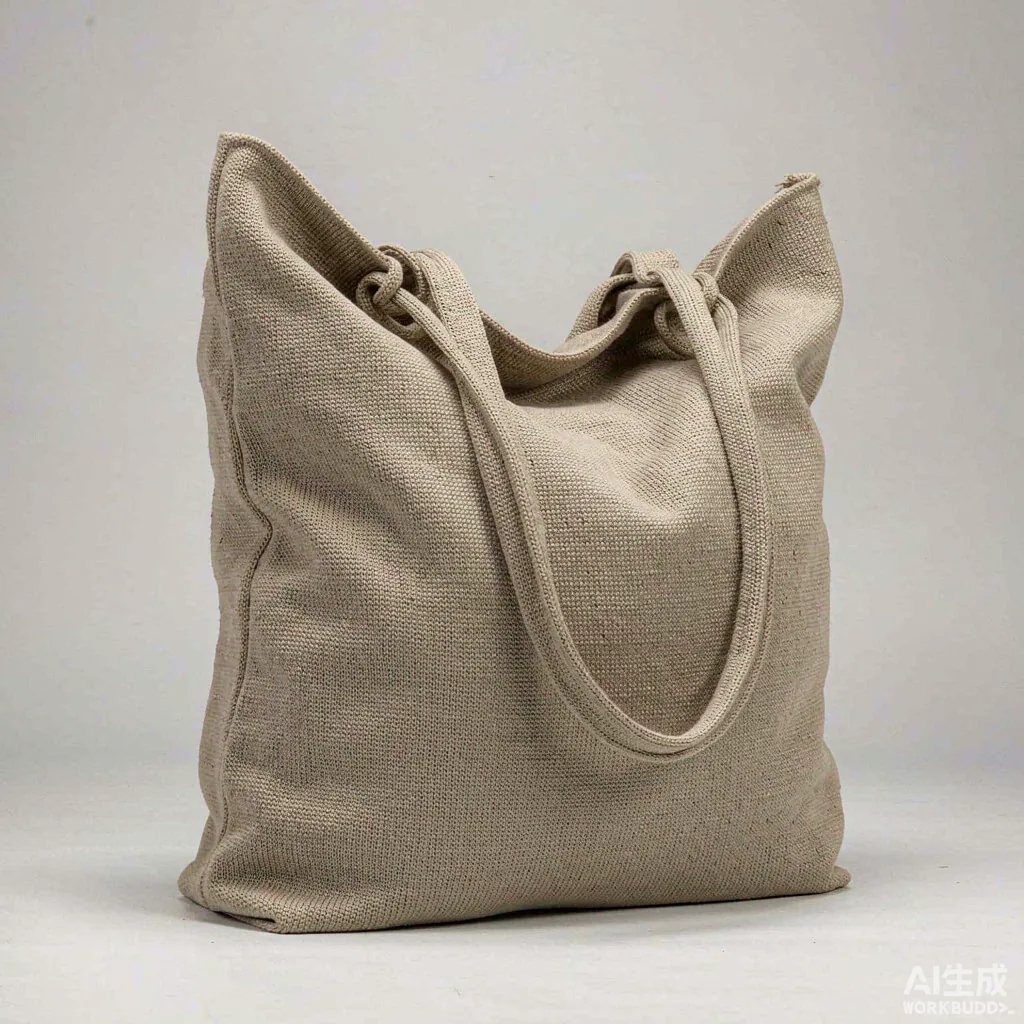
Four hazards damage a knitted bag between packing and delivery: abrasion against the carton, snagging on a rough edge or a staple, compression at the bottom of a stack, and moisture, and the fourth causes more loss than the first three combined.
That ranking surprises people who have only looked at damage reports, because the first three are visible and attributable while the fourth arrives disguised as something else. Moisture damage on a knit programme does not present as a wet bag. It presents as a carton that has lost strength and collapsed, as a paper insert that has stuck to the bag, as a woven label that has transferred colour onto a pale yarn, and as a musty odour that knit holds because a knitted structure has a large internal surface area. All four get recorded as crushing, as print fault, as colour transfer and as quality issue, and all four are moisture.
The two knit-specific hazards deserve separate treatment because they have no equivalent on a structured bag. Abrasion matters more on knit because a knitted surface presents loops that can be raised by rubbing, and a raised loop on a tote front panel is permanent. Snagging matters only on knit: a loop caught on a staple or on a torn carton edge pulls, and a pulled loop runs. A cut-and-sew woven bag gets a scuff in the same circumstances and nobody notices.
Six Protective Methods Compared
No single method covers all four hazards, and the combination most programmes need is two or three of the six rather than one of them doing more work.
| Method | Cost | Abrasion | Compression | Moisture |
|---|---|---|---|---|
| 40 micron polybag | About USD 0.03 per unit | Good, isolates the bag from the carton | None | Partial, slows exchange only |
| 50 micron polybag with hardware | About USD 0.05 per unit | Good, resists puncture from hardware | None | Partial |
| 10 mm bubble film | About USD 0.14 per unit | Good | Good, absorbs impact | Partial |
| 17 gsm tissue wrap | About USD 0.02 per unit | Fair, no cushioning | None | None, paper absorbs it |
| 35 mm corner board | About USD 0.06 per carton | None | Good, carries stack load on the corners | None |
| 5 g silica gel sachet | About USD 0.04 per carton | None | None | Good, the only one addressing it |
Reading the table by column rather than by row is the useful exercise. Only two rows address compression and only one addresses moisture, so a pack built from a polybag and tissue alone — the common default — defends against one hazard and leaves three open. Adding a corner board at about USD 0.06 per carton and a desiccant sachet at about USD 0.04 per carton costs about USD 0.10 per carton, which on a 200-piece carton is USD 0.0005 per bag. There is no lower-cost insurance available anywhere in the programme.
Abrasion and Snagging: The Two Knit-Specific Risks
Abrasion raises loops and snagging pulls them, and both are prevented at the pack-out stage by what the bag touches and by what is in the carton with it.
Abrasion is measured on the material rather than on the pack, and the number worth knowing is the Martindale result under ISO 12947: a knitted bag shell that reaches 20,000 rubs without breakdown will survive a carton voyage, and one that reaches 5,000 will not. But the test is run on fabric against a standard abrasive, while the real hazard is a bag surface against a carton wall for several weeks under vibration, which is a lower-pressure and much longer-duration version of the same thing. The packing answer is separation: a film between the bag and the carton, so the two surfaces never touch.
No staples, ever
A staple inside a carton is a snag point. Knit loops catch on the crown of a staple and pull, and a pulled loop runs down the panel. Cartons are closed with tape and the interior is kept clear of any metal fixing.
Film thickness by hardware
40 micron for a plain knitted bag, 50 micron where the bag has a zip pull, a metal foot or a buckle that can work through the film and then abrade the bag next to it.
Bag against bag
Hardware on one bag abrades the knit of another in the same carton. Where a style has external hardware, either the film goes to 50 micron or the bags are alternated face to back in the pack.
Carton interior condition
A torn inner liner or a rough die-cut edge is a snag point. Cartons with a torn liner are rejected at pack-out rather than used, which is a specification line most packing instructions omit.
Moisture: The Risk Nobody Packs For
A container can sit above 80% relative humidity for days, and the protection against that is a 5 gram silica gel sachet per carton plus desiccant at container level, which together cost about USD 0.10 per carton.
The mechanism is container rain. Warm air holds moisture, the container cools at night or in a colder latitude, and water condenses on the underside of the roof and drips onto the top cartons. The top of the stack is therefore wetter than the bottom, which is the opposite of the compression risk and means the two hazards need separate fixes. A 5 gram sachet handles the moisture inside one 60 x 40 x 40 cm carton; container desiccant, typically several kilograms of it in poles or bags hung along the walls, handles the air in the container itself.
The consequences that follow are worth listing because they are how moisture is diagnosed after the fact. Corrugated board loses edge crush strength as it absorbs water, so the bottom carton of a stack collapses — and is recorded as a compression failure. A paper insert sticks to the bag surface. A woven label that has not been tested for wet rubbing transfers colour onto a pale yarn, which is why AATCC 8 is run wet as well as dry. And knit holds odour, so a bag that was merely damp for a few days arrives smelling musty and cannot be aired out before sale.
- Standard film
- 40 micron polyethylene for a plain knitted bag
- With hardware
- 50 micron, or bags alternated face to back in the carton
- Bubble film
- 10 mm bubble height at about 60 gsm, for impact
- Corner board
- 35 x 35 x 3 mm, four per carton, carrying stack load
- Desiccant per carton
- 5 g silica gel sachet, one per 60 x 40 x 40 cm carton
- Desiccant per container
- Several kg in poles or bags hung along the container walls
- Carton closure
- Tape only, no staples anywhere in the carton interior
- Abrasion reference
- ISO 12947 Martindale rubs on the bag shell material
Compression and the Bottom Carton
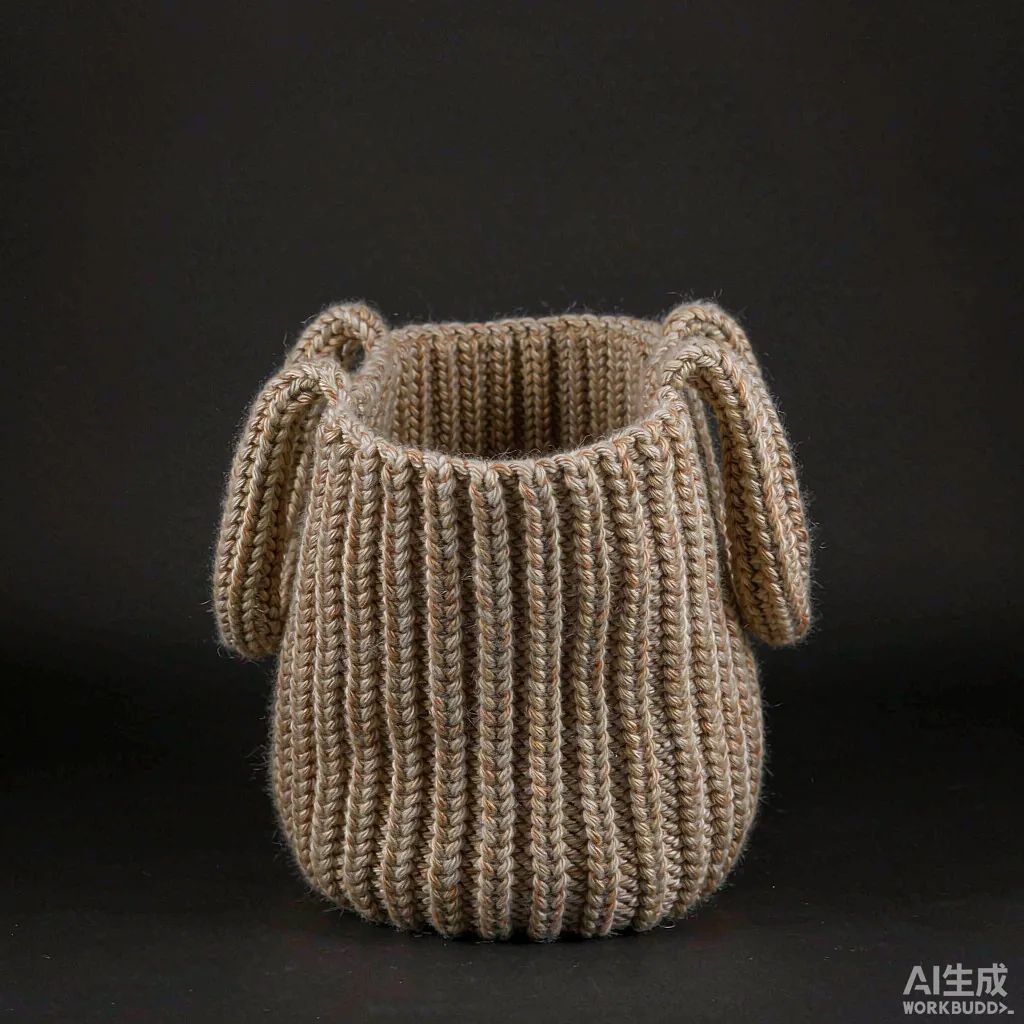
The bottom carton in a six-high pallet stack carries about 60 kg, which a single-wall board with an edge crush value near 4.5 kN/m handles when dry and may not handle after a humid voyage.
The fix is a corner board, and the reason a corner board works is worth understanding because it explains why it costs so little. A corrugated carton fails at its corners first: the vertical edges carry the stack load down to the base, and once a corner buckles the whole carton leans and the load shifts. A 35 x 35 x 3 mm board at each of the four vertical corners carries that load in compression along its length instead, and four of them cost about USD 0.06 per carton. It is the highest-value item in protective packing by a wide margin.
Compression matters less to the bag than to the carton, and that is a useful thing to know. A knitted bag compressed hard recovers, as covered in the unboxing sequence — about 95% of loft within 60 seconds. The bag will survive the stack. What will not survive it is the carton, and a collapsed carton damages the bags in it by crushing them against each other and by exposing them to abrasion from the pallet and the wrap.
What to Put Between the Bag and the Carton
One layer belongs between a knitted bag and its carton, and for almost every programme that layer is a 40 micron polybag rather than tissue, bubble film or nothing.
- 40 micron polybag: the default, about USD 0.03, isolates the bag from the carton wall and from other bags.
- 50 micron polybag: where the bag has hardware, or where two hardware styles share a carton.
- 17 gsm tissue: inside the film, for presentation, not for protection. It does not cushion or isolate.
- 10 mm bubble film: where the outer is rigid and the bag does not fill it, or where the parcel network is rough.
- Kraft void fill at 30 gsm: where void space must be filled and the brand wants a mono-material paper pack.
- Nothing: only where the carton is single-style, tightly filled and the bags have no hardware.
Protective Packing by Channel
The protective spec follows the channel: a full container load needs moisture and compression protection, a parcel network needs impact protection, and a retail shelf needs presentation protection only.
- Full container load: 40 micron film, corner boards, desiccant per carton and per container. Impact protection is unnecessary because the container is not dropped.
- Parcel network: 50 micron film or 10 mm bubble, because individual cartons are dropped. ISTA 3A sets about 460 mm for a package up to 9.5 kg.
- Retail shelf: film plus presentation, because the bag is presented on arrival rather than put away. Protection is about scuff, not impact.
- Air freight: lighter protection suffices on handling, but desiccant matters more because holds can be warm and humid.
How Protection Is Verified
Protection is verified two ways: the pack is tested to a drop and compression procedure before the programme is released, and the lot is inspected under AQL 2.5 (ISO 2859-1) before despatch.
The test side has a specific standard for each hazard. Impact is tested to ISTA 3A, which sets about 460 mm drops for a package up to 9.5 kg and about 380 mm between 9.5 kg and 18.6 kg. Compression is tested under ISO 12048 and stacking under ISO 2234. Abrasion is a material test rather than a pack test, run under ISO 12947. Moisture has no single standard test for this category and is handled by specification: a stated desiccant quantity per carton and per container, and a carton board specified for its retained strength at high humidity rather than at laboratory conditions.
The inspection side catches the packing errors rather than the design errors: a missing desiccant sachet, a carton closed with a staple, a corner board omitted, a film punctured at pack-out. All four are visible in a sample of cartons and all four are counted as defects against the lot. Protection is specified inside the 7-working-day sampling window and held through the 30-day bulk production window. Shipments leave FOB Xiamen, with CIF and DDP available.
Specify protective packing
Send the channel, the carton specification and whether the style has hardware, and the knit team will return a protective packing spec with desiccant quantity and inspection criteria. Start the spec
Frequently Asked Questions
What is the biggest transit risk for a knitted bag?
Moisture. A container can sit above 80% relative humidity for days and condensation forms under the roof, which wets the top of the stack. It presents as collapsed cartons, stuck inserts, colour transfer and musty odour, so it is usually recorded under other headings.
How much desiccant does a bag carton need?
One 5 gram silica gel sachet per 60 x 40 x 40 cm carton, plus container desiccant hung along the walls. Together they cost about USD 0.10 per carton, which is about USD 0.0005 per bag on a 200-piece carton.
Why does the top of the stack get wetter than the bottom?
Container rain. Warm air holds moisture and condenses on the underside of the container roof as it cools, then drips onto the top cartons. That is the opposite of the compression risk, which is highest at the bottom, so the two need separate fixes.
What film thickness protects a knitted bag?
40 micron polyethylene for a plain knitted bag and 50 micron where the bag has hardware such as a zip pull, a metal foot or a buckle, or where two hardware styles share a carton.
Why are staples banned inside a bag carton?
Because a staple crown is a snag point. A knit loop catches on it and pulls, and a pulled loop runs down the panel. Cartons are closed with tape and the interior is kept free of any metal fixing.
What does a corner board actually do?
It carries the stack load in compression along its length instead of letting the carton's vertical edges buckle. A carton fails at its corners first, and four 35 x 35 x 3 mm boards cost about USD 0.06 per carton.
Do knitted bags need bubble wrap?
Only in a parcel network, where individual cartons are dropped and ISTA 3A sets about 460 mm drops up to 9.5 kg. In a full container load the container is not dropped, so bubble film is unnecessary and corner boards and desiccant matter more.
How is abrasion resistance measured on a knit bag?
On the material, under ISO 12947 Martindale. A knitted shell reaching 20,000 rubs without breakdown will survive a carton voyage; one reaching 5,000 will not. Packing still isolates the surface with film because the real hazard is weeks of low-pressure vibration.
Can a compressed knitted bag be damaged by stacking?
The bag usually recovers, about 95% of loft within 60 seconds. What fails is the carton: a collapsed carton crushes the bags against each other and exposes them to abrasion from the pallet and the wrap.
Should desiccant be used with air freight?
Yes, and arguably more of it. Aircraft holds can be warm and humid, and a lighter protective spec on the impact side is usually paired with a maintained desiccant specification on the moisture side.
What is container rain?
Condensation forming on the underside of a container roof when warm moist air meets a cooled surface, then dripping onto the cargo. It is the mechanism behind most moisture damage on long sea voyages and the reason desiccant is specified at container level as well as per carton.
How is protective packing inspected?
Under the AQL 2.5 plan (ISO 2859-1). Missing desiccant, a carton closed with a staple, an omitted corner board and a punctured film are all counted as defects against the lot.
Is tissue paper protective?
No. At 17 gsm it has no cushioning and no isolating value, and being paper it absorbs moisture rather than resisting it. It is a presentation layer, and the film is the protective one.
What board specification suits a six-high stack?
Single-wall B-flute at about 2.8 mm with an edge crush value near 4.5 kN/m, specified for its retained strength at high humidity rather than at laboratory conditions, with corner boards at all four vertical edges.
Should hardware styles be packed face to back?
Where two styles with external hardware share a carton, yes, or the film goes to 50 micron. Hardware on one bag abrades the knit surface of the bag beside it over a long voyage.
When is the protective spec settled?
Inside the 7-working-day sampling window, alongside the carton and film specification, then held through the 30-day bulk production window and verified at inspection before despatch.
People Also Ask
What protects bags best in shipping?
No single item. A 40 micron film handles abrasion, a corner board handles compression and a 5 g desiccant sachet handles moisture, together about USD 0.10 per carton.
How much desiccant per carton?
One 5 gram silica gel sachet per 60 x 40 x 40 cm carton, plus container desiccant hung along the walls to handle the air in the container itself.
What thickness polybag for shipping bags?
40 micron for a plain knitted bag and 50 micron where the bag has hardware or hardware styles share the carton.
Why did my cartons collapse in transit?
Usually moisture. Board loses edge crush strength as it absorbs water, and the bottom carton of a stack then collapses under about 60 kg and is recorded as a compression failure.
Do I need bubble wrap for bag shipments?
Only in a parcel network where cartons are dropped. A full container load is not dropped, so corner boards and desiccant are the higher-value items.
How do I stop knit bags snagging in the carton?
Close cartons with tape and keep the interior free of staples and torn liners. A staple crown catches a knit loop and a pulled loop runs down the panel.
Sources and further reading
Every figure on this page is either our own programme data or attributed below. Open the originals before you write them into a specification.
- ISO 2859-1 — Sampling procedures for inspection by attributes, Part 1: AQL-indexed sampling schemesISO The AQL 2.5 plan under which protective packing items are inspected before a lot is released.
- ISO 12947-2 — Textiles — Determination of abrasion resistance by the Martindale methodISO The abrasion test whose result decides whether a knit shell will survive weeks against a carton wall.
- AATCC colourfastness test methodsAATCC Source of AATCC 8, run wet as well as dry because a damp woven label transfers colour onto a pale yarn.
- IMO — Maritime safety and cargoInternational Maritime Organization The framework behind container stowage, ventilation and safe carriage of packaged cargo at sea.
- Incoterms rulesInternational Chamber of Commerce The rule set behind the FOB Xiamen term and the CIF and DDP alternatives offered on knit programmes.
Pack for Moisture First, Then for Impact
Protective packing conversations start with impact because impact is visible, and the hazard that costs most on a knit programme is moisture, which arrives disguised as crushing, print fault, colour transfer and odour.
Specify desiccant and corner boards on every full container load, film on every bag, and no staples anywhere. For the film specification, see polybag specification for bags. For the drop and compression evidence behind the carton, see carton drop testing basics.