Knitted Bag Price Bands: The Drivers Behind Each Tier and How to Compare Quotes
Do knitted bag price bands exist the way retail price ladders do? Only loosely, because the number is built rather than published. Four drivers decide which band a style lands in: gauge and the cycle time behind it, yarn count and fibre type, the joining and closure method, and the quantity attached to each colourway. Everything else is modifiers. Knowing the order of those four lets a buyer predict a quote before requesting it, and compare two quotes that were written differently.
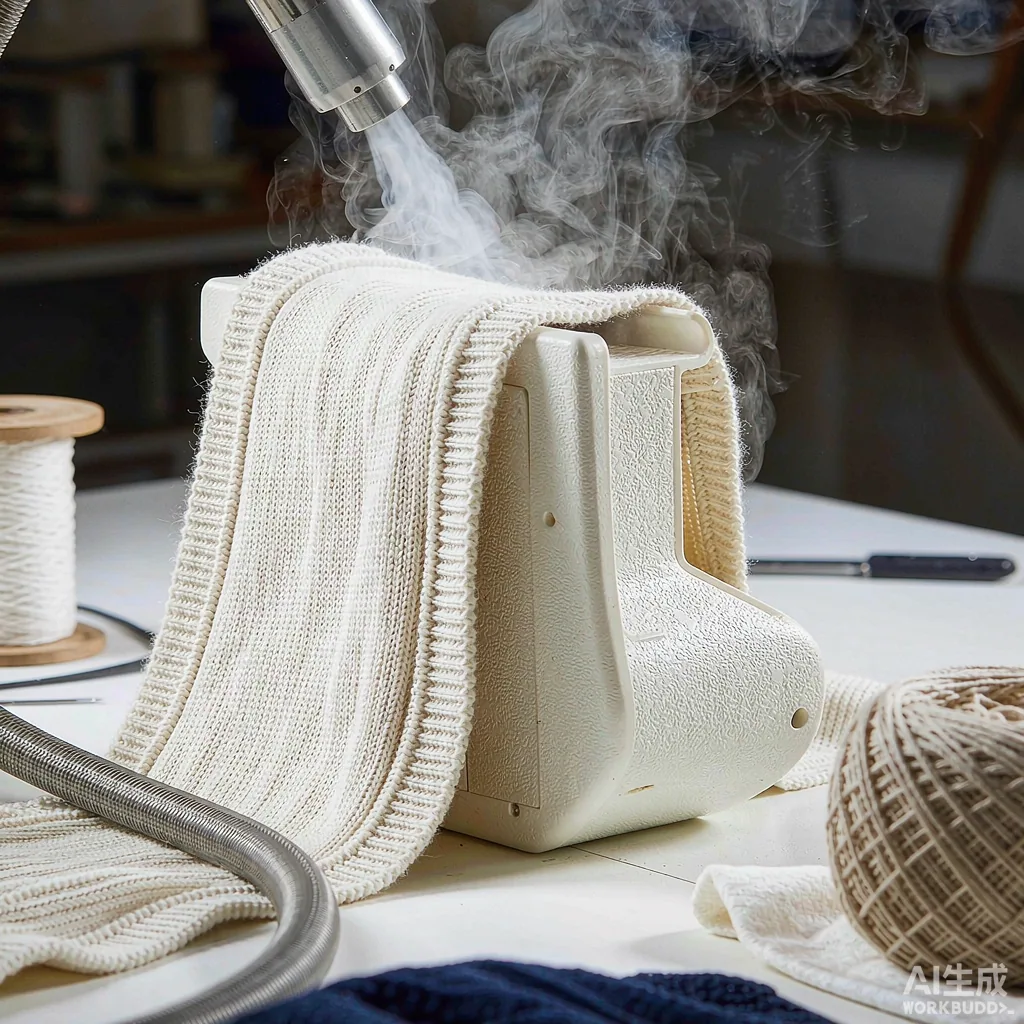
Question One: Is There a Published Price Ladder?
No, and any table claiming otherwise should be treated with suspicion. Retail price ladders exist because a shop decides them; a production quote does not work that way, because every line in it is derived from the specification in front of the person costing it. What exists instead is a clustering: constructions with similar gauge, similar yarn and similar complexity tend to land near each other.
That clustering is still useful, because it tells a buyer where the decisions are. Two constructions in different clusters are different because one of four things changed, and identifying which changed is faster than arguing about the number itself. Bands are therefore best understood as a description of causes rather than as a list of figures to memorise.
Question Two: What Actually Sets the Tier?
Four drivers set it, and they act in a consistent order. Machine time comes first, because a knit cost is largely cycle time. Then yarn, because consumption is set by panel area and structure. Then assembly, because anything the machine cannot finish has to be done by hand. Then scale, because setup is recovered over the run length.
- Driver one: cycle time
- Gauge decides loops per centimetre, and E12 takes longer per panel than E7
- Driver two: yarn consumption
- 300D versus 600D changes mass and material cost on the same panel
- Driver three: assembly
- Joining method, closures, base boards and any hand finishing
- Driver four: run length
- Setup recovered across the quantity; minimum 100 pcs per style and colourway
- Modifier: colour count
- Each additional colourway adds its own approval and setup
- Modifier: certification
- GRS chains and testing costs amortised across the run
- Modifier: trade terms
- FOB Xiamen versus CIF or DDP moves the boundary of what is included
- Modifier: inspection
- AQL 2.5 under ISO 2859-1 adds a defined step, not a large sum
Read that list in order and the shape of any quote becomes predictable: the expensive part of a knitted bag is usually the time on the machine and the handwork afterwards, not the polymer itself. A buyer who wants a lower figure therefore has a specific set of levers, none of which is asking for a lower result without changing anything.
Question Three: Where Can the Number Actually Move?
Every quote has three or four points worth negotiating and dozens that are not worth the email. Identifying which is which saves a season. Gauge, yarn count and joining method change the product, so they are design decisions rather than negotiation points. Quantity, colourway count and packaging are commercial decisions, so they can move without touching how the bag performs.
Move the run length
Setup is recovered across quantity, so consolidating two colourways into one can pay better than squeezing the unit figure.
Reduce colourway count
Each colourway carries its own approval and its own setup, which is the hidden cost of a wide first drop.
Simplify packaging
Individual polybag versus bulk pack changes both material and pack time, and many buyers do not actually need the former.
Accept a coarser gauge
E7 knits faster than E12 on the same panel. Where the finer face is not required, this is the largest single lever.
Fix compliance in one request
Testing and certificates cost less when specified once rather than added piecemeal across several revisions.
Notice that none of those is 'ask for a better figure'. Requests of that kind are answered, eventually, and usually answered with a material substitution nobody asked for, which is how two quotes end up describing different products while appearing to compete on a number.
Question Four: Is Knit Always the Expensive Option?
No, and the comparison is frequently made badly. Cut-and-sew quotes are often cleaner because they separate fabric, cutting and assembly into visible lines, whereas a shaped knit panel arrives finished, so several steps have already happened inside one figure. Comparing unit numbers across the two methods without adjusting for that is comparing different scopes of work.
| Element | Cut and sewn tote | Shaped knit tote | Comment when comparing |
|---|---|---|---|
| Body construction | Woven panels cut from yardage | Panel knitted near net shape on the machine | Knit eliminates cut waste, which is inside the unit figure |
| Edge finishing | Binding and seam tape purchased and sewn | Edge arrives finished from the machine | Often the single largest hidden difference in scope |
| Stiffening | Interlining bought and applied | Usually absent, or replaced by stitch structure | Removing a layer removes both cost and failure points |
| Assembly labour | Higher panel count to join | Lower piece count, but joining method still needed | Compare labour minutes rather than headline figures |
| Development cost | Pattern grading and marker making | Knitting programme written per style | Amortised differently, so small runs are affected most |
Question Five: How Does Quantity Reshape the Figure?
Quantity matters through setup recovery rather than through anything mystical. Writing a knitting programme, setting up the machine and approving colour are largely fixed costs for a given style; whether they are recovered across 100 pieces or 1,000 decides how much each unit carries. That is why the same bag can look expensive in a test quantity and reasonable in a season quantity.
The implication for planning is that small quantities should be used deliberately rather than apologetically. Running 100 pcs per style and colourway is a sensible way to test demand, but it will not produce the figure a large order would, and it should not be expected to. Buyers who treat the first small run as research tend to plan the second order more accurately than those who treat it as a failed negotiation.
The quantity question to ask
- Ask what figure applies at 100 pcs, at 500 and at 1,000. The slope between those points tells more than any single number does.
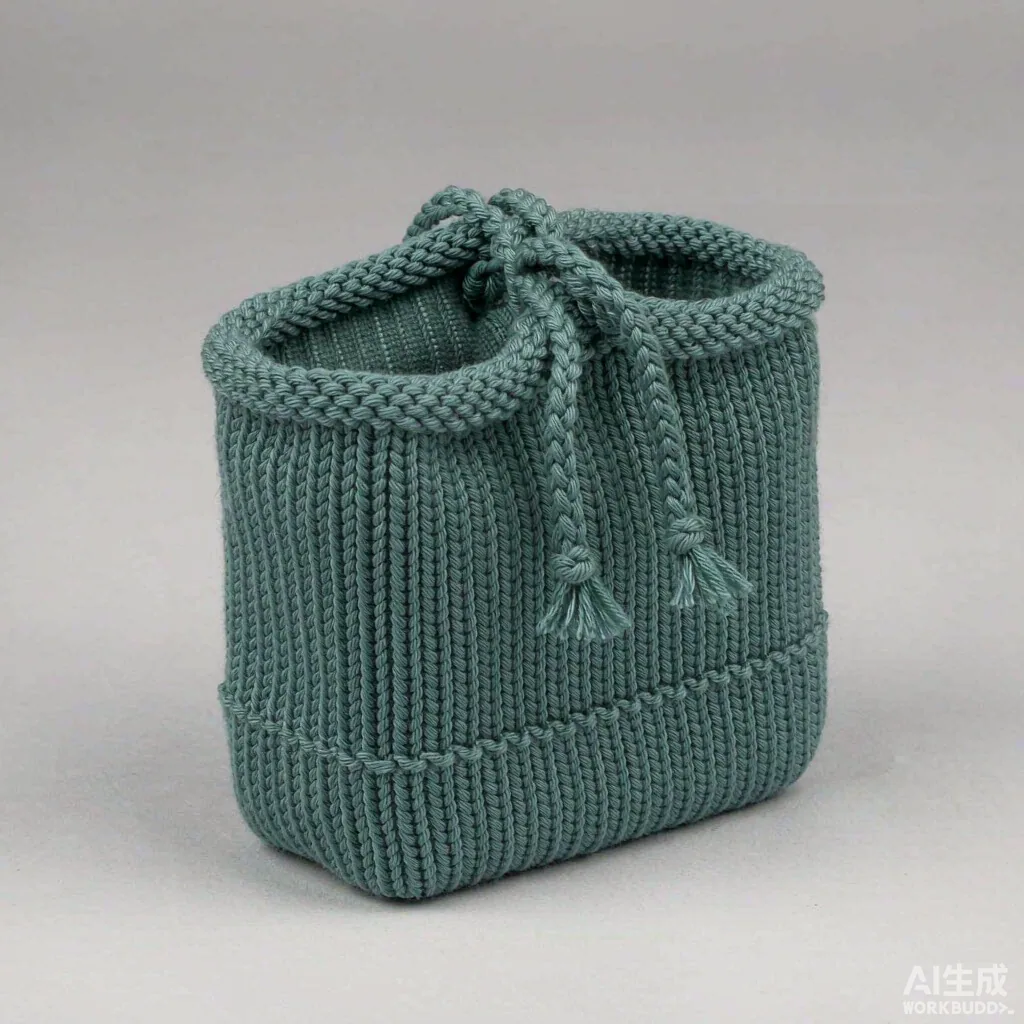
Question Six: What Sits Outside the Unit Figure?
More than most buyers expect, which is why a clean comparison requires stating a trade term. Under FOB Xiamen the quote covers goods loaded on board; freight, insurance, duty and destination handling sit outside it. Under CIF or DDP, more of that is inside, and the quote will look larger while being directly comparable to a landed total.
- Confirm which Incoterms rule the figure is quoted on; this alone can explain most of a difference between two bids.
- Add freight separately by mode, since sea, air and parcel networks each bill a different quantity.
- Include duty and any regional charge applicable to the destination market.
- Add compliance costs: restricted substance screening, certificates and any child-article testing required.
- Amortise development across the expected total rather than charging it wholly to the first run.
- Leave a line for inspection and for the small number of re-worked pieces every first run contains.
Two of those are habitually forgotten. Duty is charged on a classification rather than on how the bag looks, and a knitted construction can sometimes be classified differently from what a team assumed, so it deserves a check before promising a landed figure. Testing is the other, because it is quoted per test rather than per unit and therefore behaves like a fixed cost across the order.
Comparing Two Quotes Honestly
The practical method is to normalise before comparing. Put both figures on the same trade term, the same quantity, the same gauge and yarn count, the same joining method and the same packaging, then compare what is left. Most apparent differences of more than a small margin disappear during that exercise, because they were differences in specification rather than in efficiency.
Where a difference survives normalisation it is usually informative rather than good or bad. One party may be carrying stronger test evidence, tighter tolerance, or a certificate chain the other has not priced. Deciding whether those matter for the article in question is a buyer judgement, and making it explicitly is far better than discovering the difference after the goods are made.
Question Seven: Why Does a Tier Move Between Seasons?
Buyers are often surprised that a style requoted after six months returns a different figure with no design change. The explanation is usually input volatility rather than any change in the construction. Polyester feedstock follows petrochemical markets, freight rates follow capacity rather than distance alone, and currency movements alter what a USD-denominated quote means to a buyer converting from another currency. None of those is inside anybody's control at the specification level.
The practical response is to quote with a validity window and to state it. A figure valid for thirty days is honest; one valid indefinitely is a promise nobody can keep, and pretending otherwise produces arguments later that damage the working relationship more than the original movement did. Asking which assumptions sit behind a validity window also tells a buyer how exposed that particular quote is.
A second answer is to agree what triggers a re-quote. Many programmes write a clause saying that a movement beyond a stated threshold in yarn or freight allows either side to revisit the figure, which sounds adversarial and in practice prevents worse disputes. The alternative is silent absorption followed by a substitution nobody discussed, and that outcome is considerably harder to detect from a buyer's side of the table.
None of this makes long-term planning impossible. It makes it a matter of tracking two or three variables rather than one. Programmes that re-check their landed assumptions once a season and hold their technical specification steady tend to find that volatility, while real, is smaller than the variance caused by changing specifications mid-stream.
Writing a Request That Returns a Usable Figure
A quote request that returns something comparable has eight items and can still fit in one email: bag type and dimensions, target gauge or target weight, yarn preference, joining and closure method, colourway count with quantity each, packaging requirement, market of sale with any certificates needed, and the trade term wanted. Anything less invites assumptions, and assumptions are what turn two quotes into two different products.
Adding the three price points alongside helps too. Asking what the same style figures at 100 pcs, at 500 and at 1,000 gives the buyer a slope rather than a point, and the slope is what a range plan actually needs. It also signals that the first order is exploratory, which changes how the whole enquiry is handled on the other side.
Two related pieces fill in the surroundings: the movement in regional demand explains why the same style is specified differently by market, and European buyer requirements set out the compliance lines that belong in the first request rather than the last shipment.
Get a comparable knit bag quote
Send the eight fields: bag type, target gauge or weight, yarn, joining method, colourway count, packaging, market and trade term. We will quote FOB Xiamen at 100 pcs per style and colourway with 7 working days sampling and 30 days bulk. Start on the contact page.
Frequently Asked Questions
What price range should a buyer expect for knitted bags?
There is no reliable published range, because every figure is derived from a specific specification. What is dependable is the driver list: gauge and cycle time, yarn count, joining method and run length. Send those four and any quote received can be checked against them.
Why do two knit bag quotes differ so widely?
Usually because they describe different products rather than different efficiencies. A missing gauge, yarn count or joining method means both sides assumed something, and those assumptions diverge. Normalise both to the same eight fields and most large differences disappear.
Is a knitted bag more costly than a sewn one?
Not necessarily, but comparisons often miscount scope. A shaped panel arrives finished, so edge binding and interlining are already inside the figure, while a sewn quote lists them separately. Put both on the same components before judging.
Does a finer gauge always cost more?
Generally yes, because E12 lays more loops per centimetre than E7 and therefore takes longer per panel. Whether that matters depends on the article: where a tighter face is needed for artwork, the extra time is the price of the effect.
How does order quantity change the unit figure?
Through setup recovery. Writing the knitting programme, setting the machine and approving colour are largely fixed for a style, so spreading them across more pieces lowers what each unit carries. Ask for figures at several quantity points rather than one.
What does FOB Xiamen include?
Goods loaded on board at the port named under the Incoterms rule. Freight, insurance, duty and destination handling sit outside the figure. CIF moves part of that inside the quote and DDP moves nearly all of it inside, so compare like with like.
Is the minimum of 100 pcs enough to get a realistic figure?
Enough to test demand and to produce genuine samples, though not enough to reach the unit figure a larger order would. Treat the first run as research and ask what the same style costs at higher quantities while planning the second.
Which costs hide outside a unit quote?
Freight, duty, destination handling, compliance testing and certificates, plus development if it has not been amortised. Duty deserves particular care because it follows classification, and a knitted construction may not sit where a team assumed.
How does colourway count affect the figure?
Each colourway carries its own approval and setup, so six colourways of one style costs more than six hundred pieces of one colourway. Approving all colourways in a single round removes some of that, which is why the sampling plan matters commercially.
What is the largest single lever on unit cost?
Usually gauge, because cycle time dominates a knit cost. Where a finer face is not needed, moving from E12 to E7 shortens every panel. Colourway consolidation is the other strong lever and requires no product change at all.
Should development be charged to the first order?
Better distributed across expected total volume. Charging it wholly to a 100 pcs run makes the first figure look inflated and distorts the comparison against later orders, which is how good programmes get cancelled prematurely.
How much difference does packaging make?
Enough to matter on light articles. Individual polybags add material and packing time per unit, and many programmes do not actually require them. Where retail presentation is needed later, packing bulk and finishing at destination can be worth costing.
What should a quote request always state?
Bag type and dimensions, target gauge or target weight, yarn preference, joining and closure method, colourway count with quantity each, packaging, market of sale with certificates needed, and the wanted trade term.
Can a quote be held open indefinitely?
Not honestly. Polyester feedstock follows petrochemical markets and freight follows capacity, so a validity window should be stated and agreed. Thirty days is common, and asking what assumptions sit behind it indicates how exposed the quote is.
People Also Ask
What determines the price of a knitted bag?
Four things in order: cycle time set by gauge, yarn consumption set by count and area, assembly labour for anything the machine cannot finish, and how much quantity the setup is spread across.
Why are small knit orders more expensive per unit?
Because programme writing, machine setup and colour approval are largely fixed per style. At 100 pcs those costs are carried by few units; at larger quantities they are spread thinly.
How do you compare two knit bag quotes?
Normalise first: same trade term, quantity, gauge, yarn count, joining method and packaging. Differences that survive that exercise usually reflect real differences in test evidence, tolerance or certificate chains.
Is 100 pcs too small to be worthwhile?
No, provided it is treated as research. It produces genuine samples and a real demand signal. What it will not do is reach the unit figure that larger quantities reach, so ask for both before planning.
Does a knitted bag include more in its unit price?
Usually yes. The shaped panel arrives finished, so edge binding and often stiffening are already accounted for inside the figure rather than listed separately, which makes naive cross-comparison misleading.
What makes a price band move between seasons?
Inputs rather than construction. Polyester feedstock follows petrochemical markets, freight follows available capacity, and currency movement changes what a USD figure means to the buyer converting it. Agree a validity window and a re-quote threshold to handle all three openly.
Sources and further reading
Every figure on this page is either our own programme data or attributed below. Open the originals before you write them into a specification.
- Incoterms rulesInternational Chamber of Commerce Defines exactly where an FOB, CIF or DDP figure stops, which is the first thing to reconcile when comparing quotes.
- Harmonized System nomenclatureWorld Customs Organization The classification system behind duty rates, which is why a knitted article may not classify where a team assumes.
- WHOLEGARMENT knitting technologyShima Seiki Explains why a shaped panel arrives finished and includes steps a sewn quote would list separately.
- Global Recycled StandardTextile Exchange A certificate chain whose cost should be specified once at quotation rather than added across several revisions.
- ISO 2859-1 sampling procedures for inspection by attributesInternational Organization for Standardization The basis of the AQL 2.5 inspection step included in every knit bag programme.