Knitted Bag Lining Material Options Compared: Tricot, Air Mesh, Welded TPU and Self-Fabric
A knitted bag liner is chosen on four numbers: weight per square metre, slip against the contents, shrinkage match with the shell and whether water has to be contained. Warp-knit tricot at 80 g/m² is the default; air mesh at 110 g/m² suits anything damp; a welded TPU liner at 3,000 mm hydrostatic head is the only option that actually holds water. Matching liner shrinkage to the shell within 1 percent matters more than any other line in the specification.
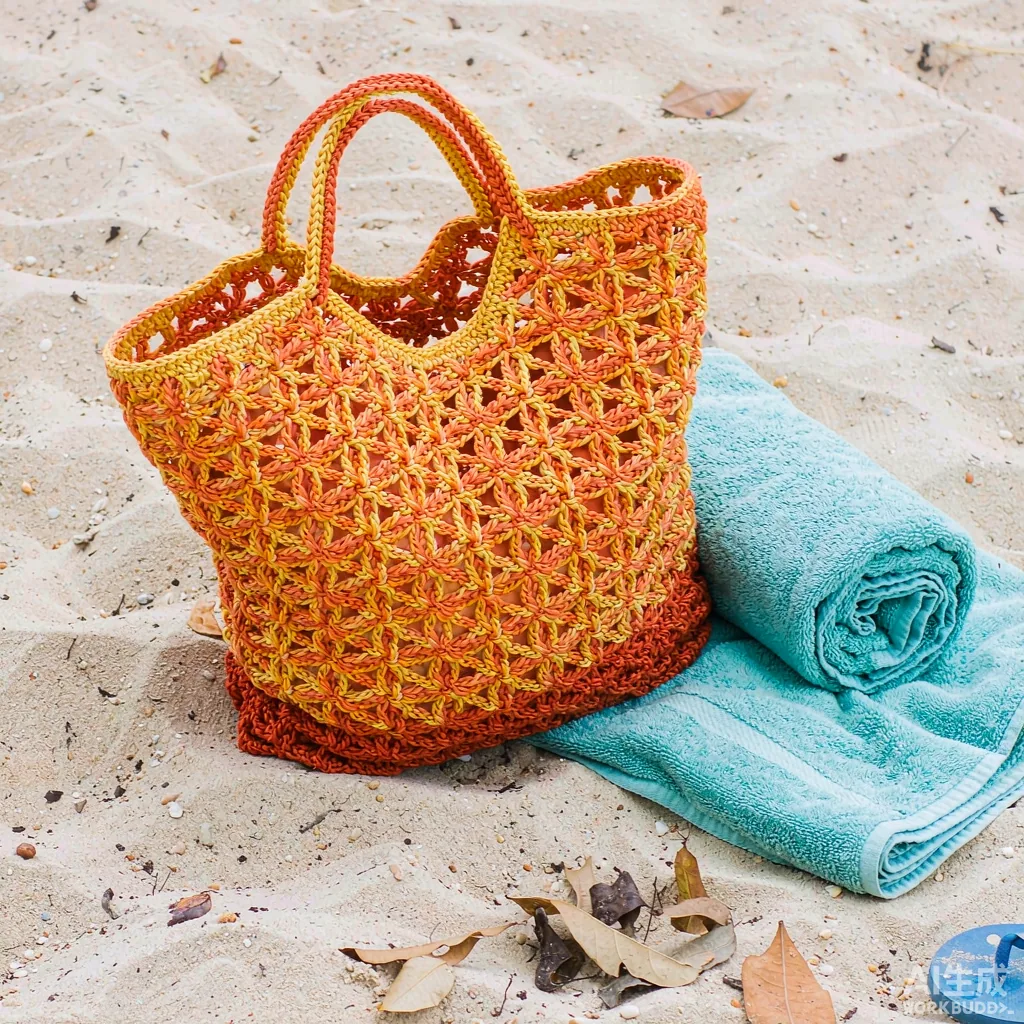
What a Bag Liner Actually Has to Do
A liner does four jobs and they pull in different directions: it hides the technical back of the shell, it lets contents slide in and out, it protects the shell from abrasion from inside, and in some bags it contains moisture. No single material is best at all four.
The first job, covering the reverse face of the knit, is the reason a liner exists on most bags at all. A knitted technical back with floats and tuck stitches looks unfinished and snags on contents. A liner at 70-120 g/m² covers it for very little weight.
The second job, slip, is the one most often overlooked and the one that generates quiet complaints. A liner with a high coefficient of friction makes a bag feel sticky to pack. Slip is measurable, and the usual target is a coefficient of friction below 0.35 against a standard reference surface.
Start with shrinkage, not with material
- The most common lining defect is a wavy edge caused by the liner shrinking more than the shell.
- Specify the liner's residual shrinkage at or below the shell's, within 1 percent, before you compare materials.
- A beautiful liner that moves 3 percent against a 1 percent shell is scrap.
Six Liner Options Compared on One Bag
The matrix below compares six realistic liner options for a knitted bag at a common size, 380 x 340 x 120 mm. Cost is indexed to warp-knit tricot, which is the default.
| Option | Weight | Slip | Holds water | Cost index | Best for |
|---|---|---|---|---|---|
| Warp-knit tricot | 75 to 90 g/m² | Good, 0.28 | No | 1.00 | The default for most bags |
| Self-fabric knitted liner | Same as shell | Fair, 0.40 | No | 1.15 | Single-polymer recycling goals |
| Air mesh, spacer | 100 to 130 g/m² | Fair, 0.38 | No | 1.25 | Gym, shoe and damp-content bags |
| Brushed tricot | 90 to 120 g/m² | Poor, 0.45 | No | 1.20 | Eyewear, tech and soft cases |
| TPU-laminated knit | 180 to 240 g/m² | Good, 0.30 | Yes | 1.85 | Wet compartments and coolers |
| Welded TPU film liner | 150 to 200 g/m² | Good, 0.26 | Yes, 3,000 mm | 2.10 | Fully sealed wet zones |
Option 1: Self-Fabric Knitted Liner
A self-fabric liner is the shell yarn knitted at a finer gauge, typically E14 against an E12 shell, to give a lighter and smoother face. Its advantage is single-polymer construction: the whole bag is one material, which is the cleanest possible position for recyclability and for a Global Recycled Standard claim.
Its disadvantage is slip and weight. A knitted liner of the same yarn has a higher coefficient of friction than a tricot, around 0.40 against 0.28, and it is heavier because it cannot be made as thin as a warp-knit structure. On a bag of this size that is roughly 35-45 g of extra weight.
It is the right choice when the sustainability story is the selling point and the wrong choice when the bag is judged on how easily it packs. Where both matter, the compromise is a self-fabric liner with a calendered finish, which brings the friction figure down to about 0.34.
Option 2: Warp-Knit Tricot, the Default
Warp-knit tricot is the default liner for a reason: it is thin, stable, smooth and inexpensive. At 75-90 g/m² it covers the technical back of the shell for about 25-30 g on a tote, and its stable warp construction means it shrinks very little.
That stability is its biggest technical advantage. A tricot liner typically shows residual shrinkage under 1 percent after heat setting, which is what lets it sit inside a knitted shell without buckling. It also sews cleanly and does not fray when cut, which speeds assembly.
The limitations are that it holds no water, offers little cushioning and has modest abrasion resistance, typically around 10,000 Martindale cycles. For a bag carrying keys, tools or shoes, that is the point at which a heavier option becomes worth the cost.
Option 3: Air Mesh and Spacer Liners
An air mesh or spacer liner is the right answer whenever contents may be damp, because it does two things at once: it holds an air gap against the wet item and it lets water evaporate rather than pooling.
A spacer knit with a 3-4 mm gap between its two faces provides that air layer at 100-130 g/m², and on a gym bag it cut the drying time of a damp towel compartment from about 90 minutes to 55 in one measured trial. The open face also makes the wet zone visible, which reads as product language.
The trade is snagging and cost. An open structure catches on a zip pull or a key far more readily than a tricot, so hardware next to an air mesh has to be specified with smooth edges. Cost sits about 25 percent above tricot.
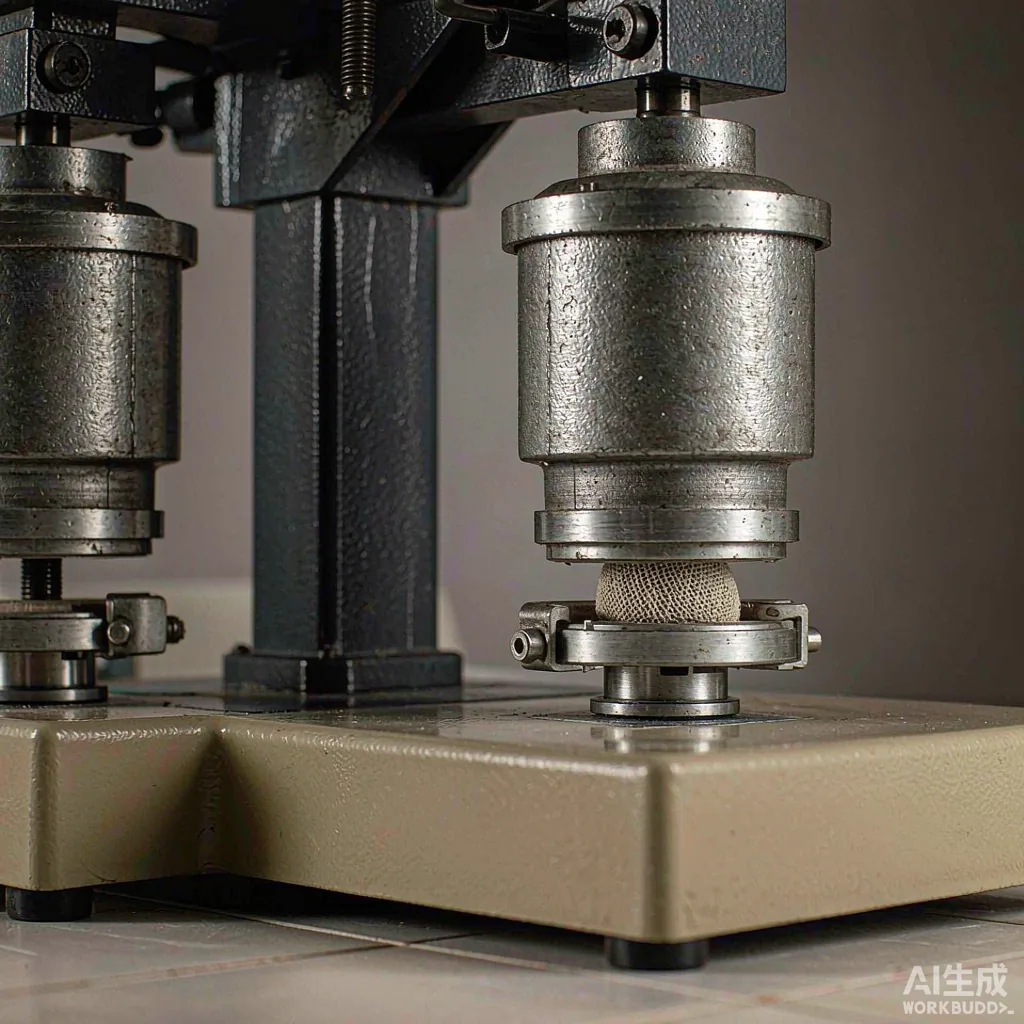
Option 4: Welded TPU and TPU-Laminated Liners
A welded TPU film liner is the only option on this list that genuinely contains water. It is built as a sealed insert with welded seams rather than sewn ones, and it is tested by hydrostatic head under ISO 811 rather than by a spray test.
The working figure for a wet compartment is 3,000 mm hydrostatic head, against 1,000 mm for a lighter laminate that will resist splashes but not immersion. Welding runs at 160-180 °C with a dwell of 2-4 seconds, and every seam is pressure-tested rather than visually inspected.
The cost is real: about twice the index of tricot, plus a separate welding operation and a slower assembly. It is also the one option that complicates end-of-life, because a TPU film laminated to a polyester knit is a multi-material construction. Where the bag has a wet compartment, weld only that zone.
Option 5: Brushed Tricot and Soft Liners
Brushed tricot is specified for protection rather than for slip. Its raised surface cushions and it will not scratch, which is why it appears in eyewear cases, tech sleeves and instrument bags rather than in general totes.
Its slip figure is the worst on the list at about 0.45, which makes packing a bag awkward, and it holds dust and lint visibly. For a bag whose contents are delicate, that is an acceptable trade. For a general-purpose bag it is not.
General tote
Tricot at 75-90 g/m²: light, stable, low friction, residual shrinkage under 1 percent.
Gym or shoe bag
Air mesh spacer at 100-130 g/m², with smooth-edged hardware to avoid snagging.
Tech or eyewear case
Brushed tricot at 90-120 g/m² for cushioning, accepting the higher friction.
Wet compartment
Welded TPU at 3,000 mm hydrostatic head, welded seams pressure-tested, weld that zone only.
The Numbers That Decide: Weight, Slip and Sewability
Three measurable properties decide between the options in practice, and all three can be written into a specification with a number and a tolerance. Weight, coefficient of friction and seam strength are the relevant three.
Weight is straightforward: every 10 g/m² on a tote of this size is roughly 4 g on the finished bag. Across the range of options that is a spread of about 60 g, which on a bag sold by weight is a commercial difference rather than a technical one.
Slip is measured as a coefficient of friction against a standard reference surface, and the working band for a bag liner is 0.25 to 0.35. Above 0.40 the bag feels sticky to pack. Seam strength is checked under ISO 13936 for slippage, with a minimum of 100 N at a stated seam allowance.
- Liner weight
- 75 to 90 g/m² tricot, 100 to 130 g/m² air mesh
- Coefficient of friction
- 0.25 to 0.35 target, above 0.40 feels sticky
- Residual shrinkage
- Under 1 percent, matched to the shell within 1 percent
- Seam slippage
- ISO 13936, 100 N minimum at the stated allowance
- Abrasion
- ISO 12947-2, 10,000 cycles for tricot, 15,000 for air mesh
- Hydrostatic head
- ISO 811, 3,000 mm for a welded wet compartment
Matching Liner Shrinkage to the Shell
Shrinkage mismatch is the most common lining defect and it is entirely preventable. A knitted shell relaxed to under 1 percent residual will buckle against a liner at 3 percent, and the wavy edge appears after the first wash rather than at final inspection.
The rule is that the liner's residual shrinkage must be at or below the shell's, and the two should be within 1 percent of each other. Warp-knit tricot achieves this naturally because its warp construction is stable; a weft-knitted liner has to be heat set to reach it.
Attachment method matters as much as the number. A liner attached along every edge cannot move independently and will telegraph any difference; a liner attached at the mouth and the base only, floating across the body, tolerates about 1.5 percent of difference without visible distortion.
What Each Liner Does to Cost, Assembly and Weight
Lining choice moves cost in two places: the material itself and the assembly time. A welded insert costs material and adds a welding operation; a tricot liner is cut and sewn in the normal flow.
| Liner | Material index | Assembly effect | Weight on a tote | Effect on bag cost |
|---|---|---|---|---|
| Tricot | 1.00 | Standard flow | 25 to 30 g | Baseline |
| Self-fabric knit | 1.15 | Standard flow | 55 to 70 g | +3 to +5 percent |
| Air mesh | 1.25 | Standard flow, slower cutting | 40 to 50 g | +4 to +7 percent |
| Brushed tricot | 1.20 | Standard flow | 35 to 45 g | +3 to +6 percent |
| Welded TPU insert | 2.10 | Welding plus pressure test | 60 to 80 g | +9 to +14 percent |
Programme terms are unaffected by the choice. MOQ stays at 100 pcs per style and colourway, sampling runs 7 working days and bulk runs 30 days on FOB Xiamen terms. A welded insert is the only option that adds a distinct process step, and it is quoted separately.
A Worked Liner Spec You Can Copy
Below is a complete lining specification that has run at 100 pcs and cleared final inspection at AQL 2.5. It is written for a commuter tote with a separate wet compartment, which is the most demanding common combination.
- Style
- Commuter tote, 380 x 340 x 120 mm, with wet compartment
- Shell
- 300D/96f recycled PET, E12, 420 g/m²
- Main liner
- Warp-knit tricot, 80 g/m², recycled PET
- Wet compartment
- Welded TPU insert, 3,000 mm ISO 811, welded seams
- Residual shrinkage
- Both liners under 1 percent, matched to the shell
- Slip
- Coefficient of friction 0.25 to 0.35
- Seam slippage
- ISO 13936, 100 N minimum
- Attachment
- Mouth and base on the main liner, floating across the body
- Inspection
- AQL 2.5 under ISO 2859-1
- Commercial
- 100 pcs per colourway, 7 working days sampling, 30 days bulk, FOB Xiamen
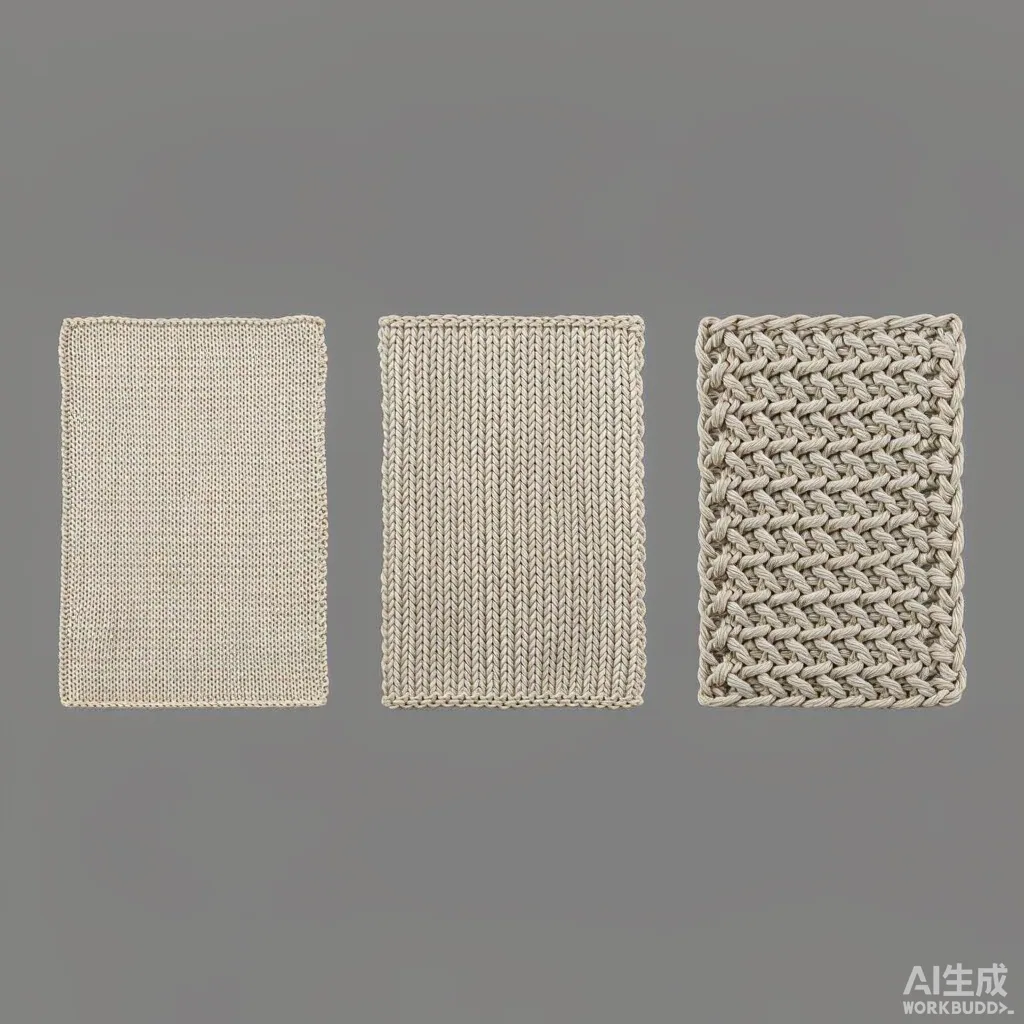
Checklist Before You Choose a Bag Liner
Six checks, in the order that eliminates options fastest. The first two remove more candidates than the rest combined.
- Decide whether water has to be contained: if yes, the answer is a welded insert and the rest of the list does not apply.
- Confirm the liner's residual shrinkage is at or below the shell's, within 1 percent.
- Check the coefficient of friction against the target band of 0.25 to 0.35 before judging the hand.
- Match abrasion to the contents: 10,000 cycles for general use, 15,000 or more for tools and shoes.
- Weigh the liner on the actual bag, not per square metre: every 10 g/m² is about 4 g on a tote.
- Decide the attachment method, because floating the liner buys about 1.5 percent of shrinkage tolerance.
Send the bag, the contents and whether water is involved
Share the style, what goes inside, the wash cycle and whether any zone has to hold water. A 100 pcs trial runs in 7 working days and returns liner weight, slip, shrinkage match and seam slippage before bulk is quoted.
Frequently Asked Questions
What is the best lining material for a knitted bag?
Warp-knit tricot at 75 to 90 g/m² for most bags, because it is stable, smooth and light. Air mesh at 100 to 130 g/m² suits damp contents, and a welded TPU insert at 3,000 mm hydrostatic head is the only option that holds water. Choose by shrinkage match first.
Why does a bag lining go wavy after washing?
Because the liner shrank more than the shell. A shell relaxed to under 1 percent residual will buckle against a liner at 3 percent, and the distortion appears after the first wash rather than at inspection. Specify the liner at or below the shell and within 1 percent.
How much does a liner add to the weight of a bag?
About 25 to 30 g for a tricot liner on a 380 x 340 x 120 mm tote, 40 to 50 g for air mesh and 60 to 80 g for a welded TPU insert. Every 10 g/m² of liner weight is roughly 4 g on a finished bag of that size.
What coefficient of friction should a bag liner have?
Between 0.25 and 0.35 against a standard reference surface. Tricot sits around 0.28, air mesh around 0.38 and brushed tricot around 0.45. Above 0.40 a bag feels sticky to pack, which is a common and rarely specified complaint.
Can a knitted bag be made waterproof with a lining?
Only with a welded insert. A welded TPU liner with welded seams reaches 3,000 mm under ISO 811 and genuinely contains water; a lighter laminate at 1,000 mm resists splashes but not immersion. A sewn liner of any material will leak at the needle holes.
What is a spacer or air mesh liner used for?
For bags whose contents may be damp. A spacer knit with a 3 to 4 mm air gap lets water evaporate instead of pooling, and in one trial it cut the drying time of a towel compartment from about 90 minutes to 55. The trade is snagging and about 25 percent extra cost.
Is a self-fabric liner better for sustainability?
Yes, because the whole bag becomes one polymer, which is the cleanest position for recyclability and for a Global Recycled Standard claim. The cost is weight and slip: a self-fabric liner is heavier and has a friction figure near 0.40 against 0.28 for tricot.
What is the difference between a laminated and a welded liner?
A laminated liner bonds a film to a fabric and is usually sewn, so it leaks at the needle holes. A welded liner is a sealed insert joined by heat at 160 to 180 °C with welded seams that are pressure-tested, which is what gives 3,000 mm performance.
How is a lining attached to a knitted shell?
Usually at the mouth and the base only, floating across the body, which tolerates about 1.5 percent of shrinkage difference without visible distortion. Attaching every edge telegraphs any mismatch immediately and is the more common cause of a wavy liner.
What seam test applies to a bag liner?
ISO 13936 for seam slippage, with a minimum of 100 N at the stated seam allowance. On a welded insert the seams are pressure-tested instead, since there is no thread. Both are checked on the trial panel before bulk is released.
How much does a lining choice change bag cost?
Tricot is the baseline; self-fabric adds 3 to 5 percent, air mesh 4 to 7 percent, brushed tricot 3 to 6 percent and a welded TPU insert 9 to 14 percent. The welded option is the only one that also adds a distinct process step.
Does a brushed tricot liner make sense for a tote?
Rarely. It cushions and protects, which suits eyewear and tech cases, but its friction figure near 0.45 makes packing awkward and it shows lint. For a general tote the low-friction stability of plain tricot is the better property.
How is a liner checked on a bulk lot?
Weight per square metre on a cut specimen, shrinkage against the shell on a relaxed panel, and seam slippage to ISO 13936. A welded insert is pressure-tested on a stated proportion of units. Final inspection of the bag runs at AQL 2.5 under ISO 2859-1.
Can a liner be recycled PET as well?
Yes, and it usually should be. Tricot in recycled PET is standard and carries Global Recycled Standard documentation, which lets the shell and the liner be claimed together. Keep the spinner's transaction certificates for both against the bulk record.
How long does a lining trial take?
Sampling runs 7 working days from a confirmed spec at 100 pcs per style and colourway, covering the knit trial, the liner fit and the shrinkage comparison. Bulk then runs 30 days on FOB Xiamen terms, with a welded insert quoted as a separate operation.
Should the base of the bag have a different liner?
Often yes. The base takes the abrasion from contents and benefits from a heavier liner, typically 120 to 150 g/m², while the body uses 80 g/m². Splitting the liner that way adds little cost and noticeably improves the life of the base.
People Also Ask
Why does my bag feel sticky when I pack it?
Because the liner has a high coefficient of friction. Above about 0.40 a bag resists contents sliding in, and brushed liners sit near 0.45. A plain warp-knit tricot at about 0.28 packs noticeably more easily for the same weight and cost.
Is a lining necessary on a knitted bag?
Not always, but usually. A single-layer knit with a clean technical back and good cover can be left unlined, which saves 25 to 30 g. A liner is needed when the reverse face has floats or tuck stitches, when contents are abrasive, or when water must be contained.
Can one bag use two different linings?
Yes, and it is common: a tricot body liner with a welded wet compartment, or a heavier liner in the base. Splitting by zone keeps weight and cost down compared with using the heaviest option everywhere.
What is hydrostatic head and why 3,000 mm?
It is the height of a water column a fabric resists before leaking, measured under ISO 811. Around 3,000 mm is the practical level for a wet compartment that will be carried on its side, while 1,000 mm only resists splashes and brief contact.
Does a welded liner survive a washing machine?
Yes, if the weld parameters were correct: 160 to 180 °C for 2 to 4 seconds with every seam pressure-tested. Weld failures come from under-curing or from flexing at a sharp corner, so the insert is designed with radiused corners rather than right angles.
Sources and further reading
Every figure on this page is either our own programme data or attributed below. Open the originals before you write them into a specification.
- ISO 13934-1:2013 — Textiles, tensile properties of fabrics, Part 1: maximum force using the strip methodISO Tensile method used alongside seam slippage when qualifying a bag lining.
- ISO 12947-2:2016 — Textiles, determination of abrasion resistance by the Martindale methodISO Abrasion test comparing tricot at about 10,000 cycles with air mesh at 15,000.
- ISO 139:2005 — Textiles, standard atmospheres for conditioning and testingISO Conditioning required before measuring liner shrinkage against the knitted shell.
- Recycled Claim Standard and Global Recycled StandardTextile Exchange Documentation for recycled PET liners claimed alongside a recycled knitted shell.
- OEKO-TEX STANDARD 100OEKO-TEX Restricted-substance certification for liners and welded inserts in finished bags.