How to Evaluate a Knitted Bag Partner: One Buyer, Seven Tests and the Three That Decided It
How do you evaluate a knitted bag partner before committing a season? Run seven tests in a fixed order and score them, because impressions do not survive a launch date. A buyer placing 2,400 pcs across three colourways on an E12 tote at 450 g/m² scored four shortlisted programmes against those tests: three cleared sampling in 7 working days, two held a plus or minus 3 mm dimension tolerance, and one held a Delta E shade tolerance under 1.5 across all three colourways. That last test decided the order.
The Buyer: 2,400 Pcs, Three Colourways, One Launch Date
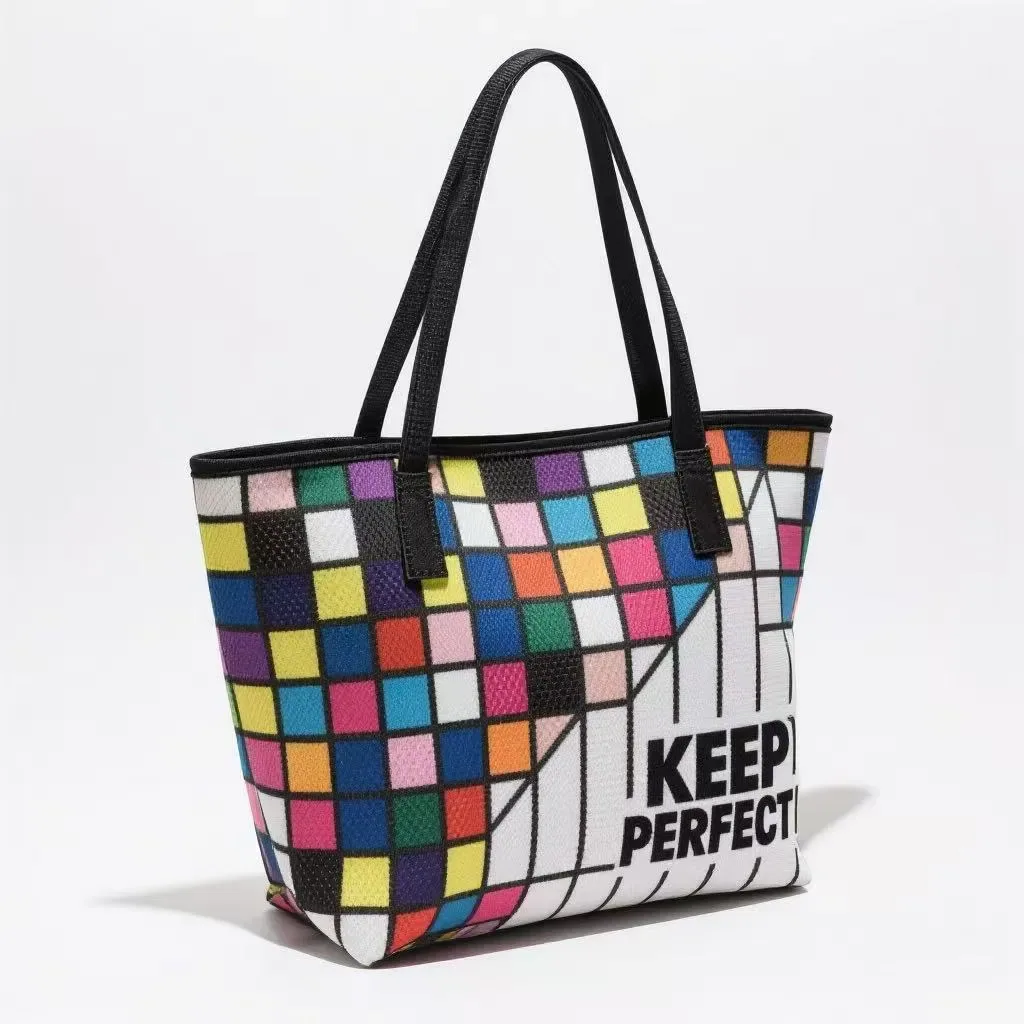
The programme was a structured knitted tote, 2,400 pcs across three colourways, 800 pcs per colourway, launched into a spring floor set with a date that had already been printed.
Two constraints made it harder than the quantity suggests. The first was that the three colourways had to read as one family on a shelf, which put a shade consistency requirement on a yarn that was being dyed in three separate lots. The second was that the handle was integral, knit into the body rather than sewn on, which meant a structural unknown sat on the critical path from day one. Both are ordinary knit problems, and both are the kind that a general bag evaluation misses.
Four programmes were shortlisted. All four quoted. Three of the four returned a sample inside the 7 working days that had been promised, and all three of those samples looked acceptable on a desk. The evaluation that followed was not about which sample looked best; it was about which programme could repeat that sample 800 times per colourway without the fourth colourway, or the second lot, drifting.
Test One: Does the First Answer Contain a Number
The first test is whether the reply to a technical question contains a number, and it eliminated one of the four programmes before any sample was made.
The buyer asked one question: what finished GSM does this structure run at in E12 with a 600D polyester? Three programmes answered with a figure between 420 and 470 g/m² and named the conditioning basis. The fourth answered that the fabric was a good medium weight and offered to send a swatch. A swatch is not an answer to a number, and a programme that measures will always answer with a measurement. The test is not intelligence; it is habit, and habit is what holds a tolerance on piece 800.
The same test was applied three more times, to yarn count, to handle drop and to the inspection sample size. Programmes that answered with a number on the first question answered with a number on all four, and programmes that answered with an adjective did so consistently as well. That consistency is what makes the test worth running first: it predicts the other six tests before they are run.
Test Two: What Happens on the Second Sample
The second test is what a programme does when the first sample is wrong, because every first sample on a structural unknown is wrong in some respect and the correction round is where a knit programme shows its quality.
- The buyer returned one marked change: reduce the handle drop from 26 cm to 24 cm and hold the body dimension.
- Two programmes made the change as a loop-length edit and returned a corrected sample in two days.
- One programme re-programmed from the shape file, which took four days and produced a body that had also shifted by 4 mm.
- The fourth programme, already eliminated on test one, was not asked.
The distinction matters more than the two days saved. A programme that can change a drop without changing a body understands which parameter controls which dimension. A programme that has to re-programme to move a handle is treating every change as a new shape, and that means every correction on the launch carries a risk of collateral change. On a 2,400-pcs order across three colourways, collateral change is the failure that costs a floor set.
Test Three: Can the Programme Hold a Tolerance
The third test is whether a tolerance stated in the brief is held in the delivered goods, and the buyer tested it with a number rather than an impression: plus or minus 3 mm on body dimension, and Delta E under 1.5 on shade between colourways.
- Body dimension
- Width and height to plus or minus 3 mm, checked on 10 pieces per colourway
- Shade between colourways
- Delta E under 1.5 measured on a spectrophotometer against the approved lab dip
- Finished GSM
- 450 g/m² with a plus or minus 5 percent band after conditioning
- Handle drop
- 24 cm to plus or minus 2 mm, measured under a 500 g load
- Abrasion
- ISO 12947-2 Martindale to 25,000 rubs with no yarn break
- Crocking
- AATCC 8 grade 4 to 5 dry, grade 4 wet
- Release
- AQL 2.5 under an ISO 2859-1 sampling plan, FOB Xiamen
Two programmes held every line. One held the dimension and missed the shade, running a Delta E of 2.3 between the first and third colourway, which on a shelf looks like a different product rather than a different colour. Shade consistency across lots is the hardest of the seven tests and the one most often skipped, because a single sample cannot reveal it. The only way to test it is to ask for a lab dip per colourway and measure all three against each other before yarn is booked.
The Seven Tests in Full
Seven tests, weighted, cover a knit programme evaluation: a numbered answer, a correction round, a held tolerance, a documented release, a named compliance route, an honest capacity answer and a stated IP position.
1. Numbered answer
Does the reply to a GSM question carry a figure and a conditioning basis, or an adjective?
2. Correction round
Can one dimension change be made without collateral change to another?
3. Held tolerance
Is plus or minus 3 mm delivered, and is Delta E under 1.5 across colourways?
4. Documented release
Does the inspection report carry sample size, accept count and reject count?
5. Compliance route
Is the market and the standard named, with a transaction certificate for the lot?
6. Capacity honesty
Is the bed slot given as a week number, and does the slot move if sampling fails?
7. IP position
Is machine-file ownership stated, and may the sample be photographed or shown?
The weighting is deliberate. The first three tests carry 60 of the 100 points because they are the three that predict the delivered goods. The last two carry 15 between them because they are contractual and can be fixed with a clause, whereas a programme that cannot hold a tolerance cannot be fixed with paperwork.
Scoring: Turning Impressions Into a Number
Score each test zero, one or two, multiply by the weight, and the four programmes stop being impressions: the winning programme scored 84 of 100, the runner-up 71, and the two that failed on test one never reached 40.
| Test | Weight | Programme A | Programme B | Programme C |
|---|---|---|---|---|
| 1. Numbered answer | 20 | 2 (40) | 2 (40) | 2 (40) |
| 2. Correction round | 20 | 2 (40) | 1 (20) | 2 (40) |
| 3. Held tolerance | 20 | 2 (40) | 2 (40) | 0 (0) |
| 4. Documented release | 15 | 2 (30) | 1 (15) | 1 (15) |
| 5. Compliance route | 10 | 2 (20) | 2 (20) | 1 (10) |
| 6. Capacity honesty | 10 | 1 (10) | 2 (20) | 1 (10) |
| 7. IP position | 5 | 2 (10) | 1 (5) | 1 (5) |
| Total | 100 | 84 | 71 | 60 |
Programme A won on 84 despite losing a point on capacity honesty, which is the interesting part of the table. Programme A said plainly that the bed slot would move if sampling failed twice. Programme B said the slot was held regardless. The buyer scored the honest answer lower on that single line and still chose A, because a partner who states a constraint can be planned around and a partner who denies one cannot.
What the Buyer Did Wrong, and What It Cost
The buyer made two mistakes, and the second one cost 14 days: the specification was approved verbally, and the compliance target was named after yarn had been booked.
The verbal approval was the expensive one. The sample was signed off on a call on day 6 of the sampling window, and the written specification went out on day 13. In that week the yarn for colourway two was booked against the verbal version and the bed slot for week 22 was released. Recovering it pushed the bulk start by 14 days, which against a 30-day bulk window and a printed launch date was the difference between a floor set and a late one.
The compliance mistake cost less but was avoidable in the same way. The destination market was named on day 11 of bulk, which is day 1 of yarn booking, and by then the recycled content claim the buyer wanted had not been built into the yarn order. Certifying it afterwards meant a second lot and a second transaction certificate. Naming the market and the standard in the first brief costs nothing and is one line on a document.
The Three Tests That Decided It
Of the seven tests, three carried the decision: the numbered answer, the correction round and the held shade tolerance, and the reason is that all three measure whether a programme can repeat itself.
Why those three
- A numbered answer shows the programme measures, and a programme that measures can hold a tolerance
- A clean correction round shows the programme knows which parameter controls which dimension
- A held shade tolerance across three colourways shows the programme can repeat a result 800 times
- The other four tests are contractual and can be repaired with a clause in the brief
- A programme that fails the first three cannot be repaired with paperwork at all
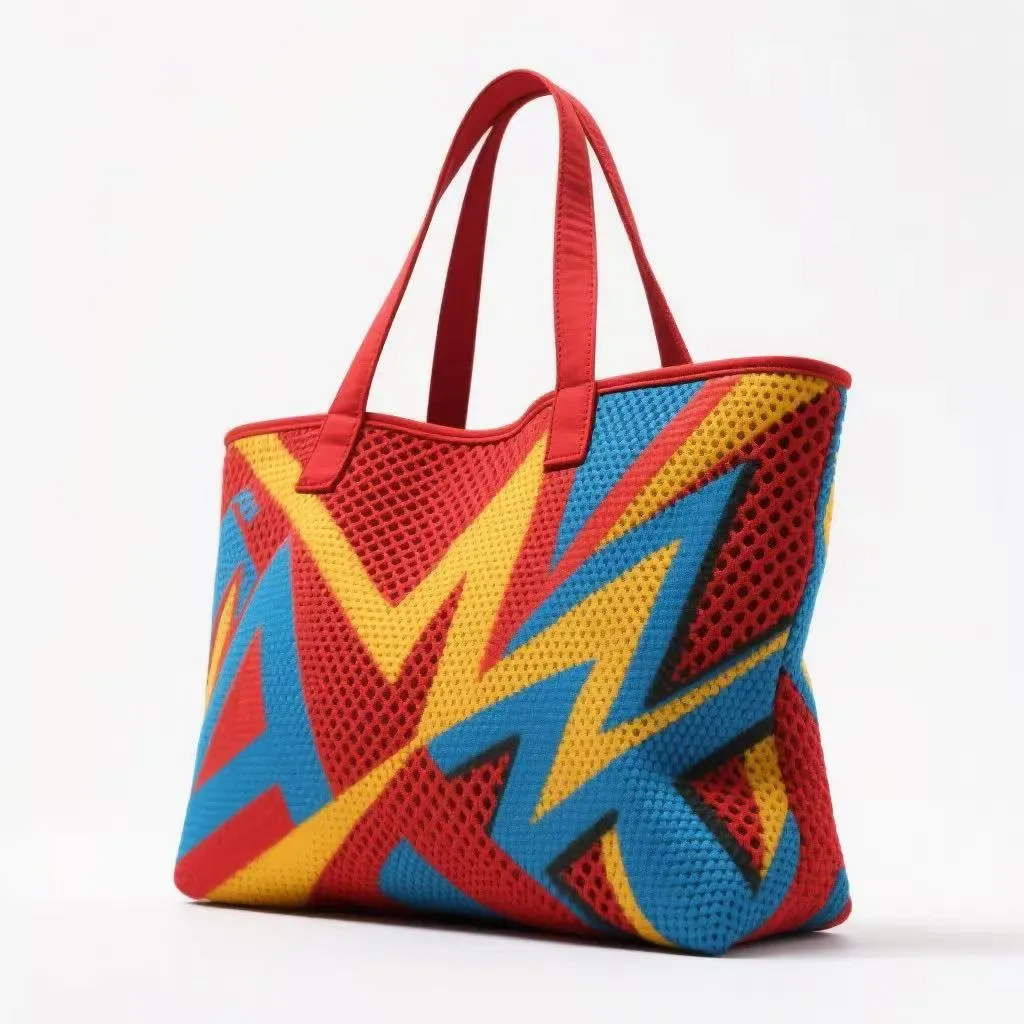
There is a version of this evaluation that runs on price, and it produces a different answer. Programme C was the lowest of the three on unit price and would have won a price-only comparison. It lost on shade consistency, which on a three-colourway floor set is the failure a shopper notices and a buyer has to explain. The unit price difference between the lowest-priced and the most consistent programme was under 6 percent; the cost of a three-colourway re-run was not comparable.
What to Send Before the First Call
Four things, sent as one document, turn the first call into an evaluation rather than an introduction: the eight numbers, the market and standard, the quantity per colourway and the date the goods must be ready.
- Gauge, yarn count, finished GSM, dimensions and handle drop, with provisional values marked as provisional.
- Quantity per style and per colourway, remembering that MOQ is 100 pcs per style and per colourway.
- The destination market and the standard the goods must meet, named before yarn is booked.
- The date the goods must be ready at the port, not the date they must land.
- One named person who can answer technical questions inside the 7 working days of sampling.
Sending those four is also the quickest way to run test one. A programme that answers a complete brief with numbers has passed it; one that answers with questions or with adjectives has failed it, and the buyer has learned that in a single email exchange. For the full set of gates these tests sit inside, see knitted bag sourcing checklist.
Evaluate our knit programme against your brief
Send the eight numbers, the market and the quantity per colourway. Our knit team will answer with figures, return a sample in 7 working days, and state the bed slot as a week number at MOQ 100 pcs per style and colourway. Start on the contact page.
Frequently Asked Questions
How do you evaluate a knitted bag partner?
Run seven weighted tests in a fixed order and score them out of 100: numbered answers, a clean correction round, a held tolerance, a documented release, a named compliance route, an honest capacity answer and a stated IP position. The first three carry 60 points because they predict the delivered goods.
Why does the first test ask for a number?
Because measuring is a habit, not an event. A programme that answers a GSM question with 450 g/m² and a conditioning basis measures as a matter of course. One that answers good medium weight does not, and a programme that does not measure cannot hold a tolerance on piece 800.
What should the second test ask for?
Make one change and watch what else moves. Ask to take a handle drop from 26 cm to 24 cm and hold the body. A programme that treats it as a loop-length edit returns in two days; one that re-programmes the shape risks a collateral 4 mm shift.
Which tolerance is hardest to hold on a knit bag?
Shade consistency across colourways. A single sample cannot reveal it, because the drift happens between dye lots rather than within one. Ask for a lab dip per colourway and measure Delta E under 1.5 across all three before yarn is booked for the bulk run.
How should a bed slot answer be read?
Look for a week number and a programme reference. Also ask whether the slot moves if sampling fails twice. A partner who states the constraint can be planned around; one who says the slot is held regardless has told you something you cannot plan with.
What is the most expensive mistake in this kind of evaluation?
Approving a sample verbally and sending the written specification a week later. In that gap yarn is booked against the verbal version and the bed slot is released. On one 2,400-pcs programme it pushed the bulk start by 14 days against a printed launch date.
When should the compliance target be named?
In the first brief, before yarn is booked. Naming the destination market and standard on day 11 of bulk means a recycled content claim has to be certified on a second lot with a second transaction certificate, which costs more than the line item itself.
Should price decide the evaluation?
No, not on a multi-colourway programme. On this comparison the lowest unit price sat under 6 percent below the most consistent programme, and the cost of a three-colourway re-run caused by shade drift was not comparable to that saving at all. Score consistency first, then negotiate on price once the goods are repeatable.
How many programmes should be shortlisted?
Three or four is enough. Below three there is no comparison to score against; above four the sampling rounds consume more calendar time than the difference between them is worth. Score all of them on the same seven weighted tests, on the same day, and send each of them the identical brief.
What weighting should the seven tests carry?
Twenty points each for a numbered answer, a clean correction round and a held tolerance; fifteen for a documented release; ten each for compliance route and capacity honesty; five for the IP position. The contractual tests can be fixed with a clause in the brief.
Does MOQ of 100 pcs apply to an evaluation order?
Yes. A first programme at 100 pcs per style and colourway is the smallest order that runs a real machine file and a real inspection. Anything smaller is a sample, and a sample cannot tell you whether a programme repeats, which is the entire point.
What should be sent before the first call?
Four things as one document: the eight numbers with provisional values clearly marked, the quantity per colourway, the destination market and the standard, and the date the goods must be ready at the port. That document also runs test one inside a single email exchange, before any sample exists.
People Also Ask
Can I evaluate a knit partner without visiting the site?
Yes for a first programme. The seven tests that matter are all answered on paper or on a sample. A site visit earns its cost once a programme passes roughly 5,000 pcs a season, or when coatings and metal hardware enter the specification.
How long should an evaluation take?
Two to three weeks: 7 working days for sampling, a correction round, and a week to score and compare. Buyers who compress it below two weeks usually skip the lab-dip comparison, which is the one test a single sample cannot substitute for.
Is a reference from another brand worth asking for?
Ask for a programme reference and a week number instead. References are easy to give and hard to verify; a week number and a programme number are checkable and tell you whether the bed slot being offered is real.
What if two programmes score within five points?
Split the first order: 100 pcs per colourway on each, inspect both at AQL 2.5 under ISO 2859-1, and let the delivered goods break the tie. It costs one extra sampling round and removes a judgement call made on impressions.
Does an integral handle change the evaluation?
Yes. It puts a structural unknown on the critical path from day one, so the correction-round test becomes decisive. A programme that can change a drop without moving a body is the one that can launch on a printed date.
Sources and further reading
Every figure on this page is either our own programme data or attributed below. Open the originals before you write them into a specification.
- ISO 2859-1 — Sampling procedures for inspection by attributes, Part 1: AQL-indexed sampling schemesISO The sampling standard behind the documented-release test and the sample size an inspection report must state.
- ISO 12947-2 — Textiles, determination of abrasion resistance, Part 2: MartindaleISO The abrasion method behind the 25,000 rubs figure used on a structured knitted tote.
- AATCC test methodsAATCC Home of AATCC 8, the crocking method behind a dry grade 4 to 5 and wet grade 4 requirement.
- ISO 139:2005 — Textiles, standard atmospheres for conditioning and testingISO The conditioning basis for the 450 g/m² finished GSM figure and its plus or minus 5 percent band.
- Recycled Claim Standard and Global Recycled StandardTextile Exchange The chain-of-custody standards behind the transaction certificate a lot-specific recycled claim requires.
The Evaluation Is About Repetition, Not the Sample
Every one of the seven tests is a version of the same question: can this programme repeat a result 800 times per colourway. The sample on the desk answers none of them, because a sample is made once, by the best operator, on the best day.
Score the tests on the same day, send the brief once, and let the delivered goods break any tie. For the full gate list these tests sit inside, see knitted bag sourcing checklist. For the tolerance vocabulary used at release, see knitted bag quality control.