China Knitted Bag Sourcing: Three Routes Compared Across Twelve Lines
What is the best route for China knitted bag sourcing? Three exist — a direct programme with the knitting floor, an agent-mediated purchase, and a hybrid where programme management sits between buyer and floor — and the right one depends on volume, specification stability and how often the buyer changes a drawing. Compared across twelve lines, the direct route wins on cost and traceability above about 5,000 pcs a season, and the hybrid wins below that. MOQ is 100 pcs per style and colourway, sampling runs 7 working days and bulk 30 days.
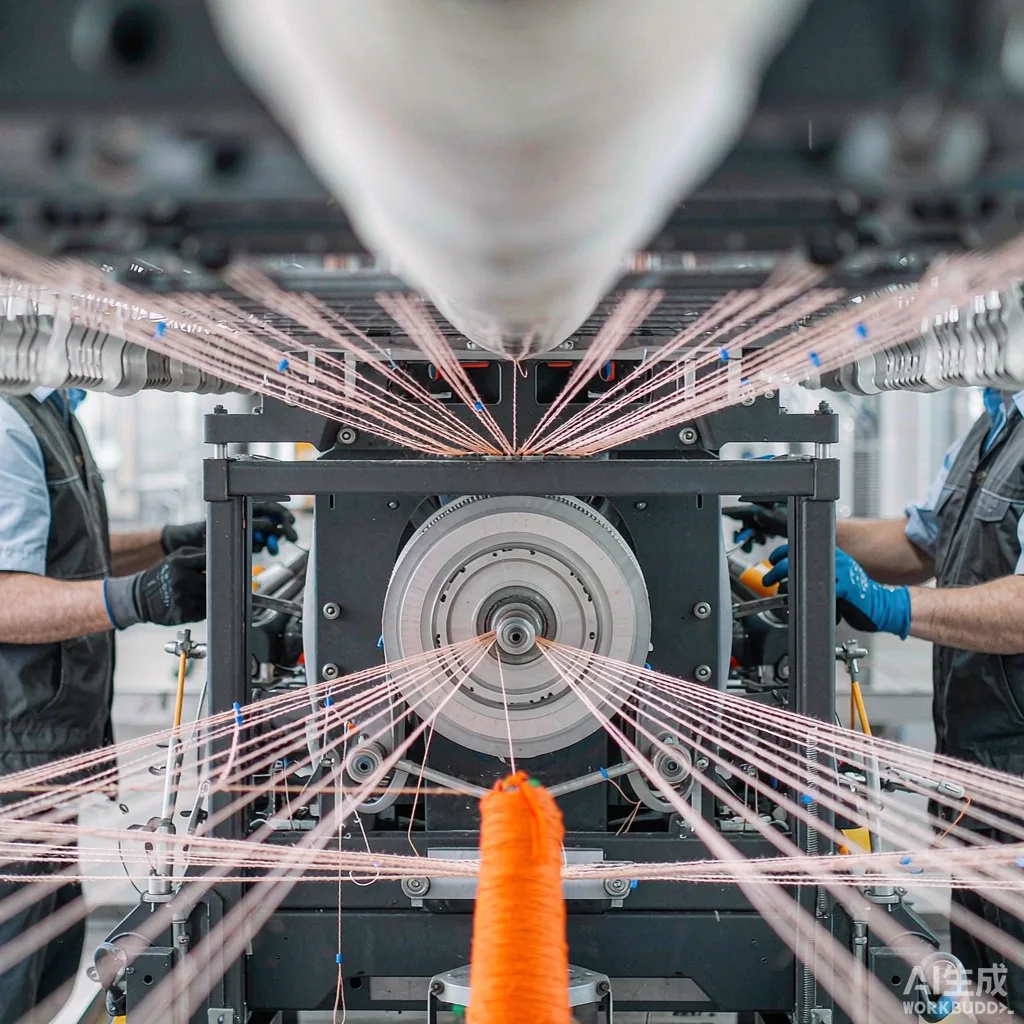
The Three Routes Into a China Knit Programme
Three routes carry a knitted bag programme out of China: a direct programme run with the knitting floor, a purchase mediated by a sourcing agent, and a hybrid in which programme management sits between the buyer and the floor while production stays with one base.
The routes are not variations on a theme; they allocate different risks. On the direct route the buyer carries specification risk and gains traceability. On the agent route the buyer pays for someone else to carry coordination risk and loses some visibility. On the hybrid route the buyer keeps the specification and hands over scheduling, which is usually the risk a mid-size buyer is least able to manage and most often damaged by.
Knit makes the choice sharper than it is for cut-and-sew. The tooling is a machine file rather than a cutting pattern, so the party holding the file holds an asset. A buyer who changes a structural detail on the direct route is asking the floor that wrote the file; on the agent route the same request passes through a party that may not know which parameter controls which dimension, and the round trip adds days to a 7 working days sampling window that has no spare days in it.
Route One: Direct Programme With the Knitting Floor
On the direct route the buyer briefs the floor, holds the machine file relationship, and takes the specification risk; this is the route with the shortest decision chain and the least cost between the drawing and the bed.
It works because the person who programmes the bed is the person answering the question. On a change request the answer comes back as a parameter — a loop length, a yarn count, a needle set-up — rather than as a promise. The cost is that the buyer must be able to write a specification, because nobody in the chain will write it for them. A buyer without a tech pack habit on this route discovers the gap on day 2 of sampling, when a question about GSM arrives and there is no number to answer it with.
Traceability is the second gain. On a recycled content claim, a transaction certificate for a specific lot requires the lot to be identifiable from yarn purchase through knitting to carton, and that chain is shortest when there is one party between the buyer and the bed. Under the Textile Exchange chain-of-custody standards, the scope certificate covers the site and the transaction certificate covers the movement; a shorter chain makes the second document easier to issue and easier to audit.
Route Two: Agent-Mediated Buying
On the agent route a sourcing agent sits between buyer and floor, and the buyer is buying coordination: someone to chase, translate, consolidate and inspect.
It earns its fee in three situations. The first is a buyer running many small programmes across several product categories who does not want ten relationships. The second is a buyer whose specification is genuinely unstable, because an agent absorbs the churn that a floor will charge for. The third is a first-time importer who needs someone to handle consolidation, documentation and the conversation with a forwarder. In all three the buyer is paying for coordination rather than for production.
The cost shows up in two places. The first is the margin, which sits on top of the unit price and is invisible unless the buyer has ever priced the same bag directly. The second is visibility: a change request returns as a message rather than as a parameter, and the buyer cannot tell whether a two-day delay is a bed queue, a yarn queue or an email queue. On a knit programme those three have very different remedies, and not knowing which one applies is the practical definition of losing control of a launch date.
Route Three: Hybrid Programme Management
On the hybrid route the buyer keeps the specification and the design, while scheduling, capacity booking, inspection and documentation are managed by a programme partner working to one production base; this is the route that fits most mid-size knit programmes between 100 and 5,000 pcs.
The reason it fits is that the two risks a mid-size buyer cannot manage are the same two that a floor is least interested in managing: bed scheduling and inspection administration. Scheduling is a queue problem, and a buyer placing one programme a season has no leverage in a queue. Inspection is an administrative problem that costs a full day per release and produces a document nobody reads until there is a dispute. Handing both over while keeping the specification is the trade that usually makes sense.
On this route the reference parameters are the standard ones: MOQ 100 pcs per style and colourway, sampling in 7 working days from an approved digital file, bulk in 30 days from handover of an approved sample, release at AQL 2.5 under an ISO 2859-1 sampling plan, and FOB Xiamen as the term with CIF and DDP available. Those are not route-specific; a buyer should treat any route that cannot quote them as a route that has not yet been measured.
- MOQ
- 100 pcs per style and per colourway; each shade is its own yarn set-up
- Sampling
- 7 working days from an approved digital file, correction rounds stated
- Bulk
- 30 days from handover of an approved sample with a frozen specification
- Release
- AQL 2.5 under ISO 2859-1, with sample size and accept and reject counts
- Term
- FOB Xiamen under the ICC Incoterms 2020 rules; CIF and DDP available
- Capacity
- 7 production lines at about 200,000 pcs per month, booked by week number
- Reference structure
- E7 structured tote, 600D polyester, 480 g/m² finished, 26 cm handle drop
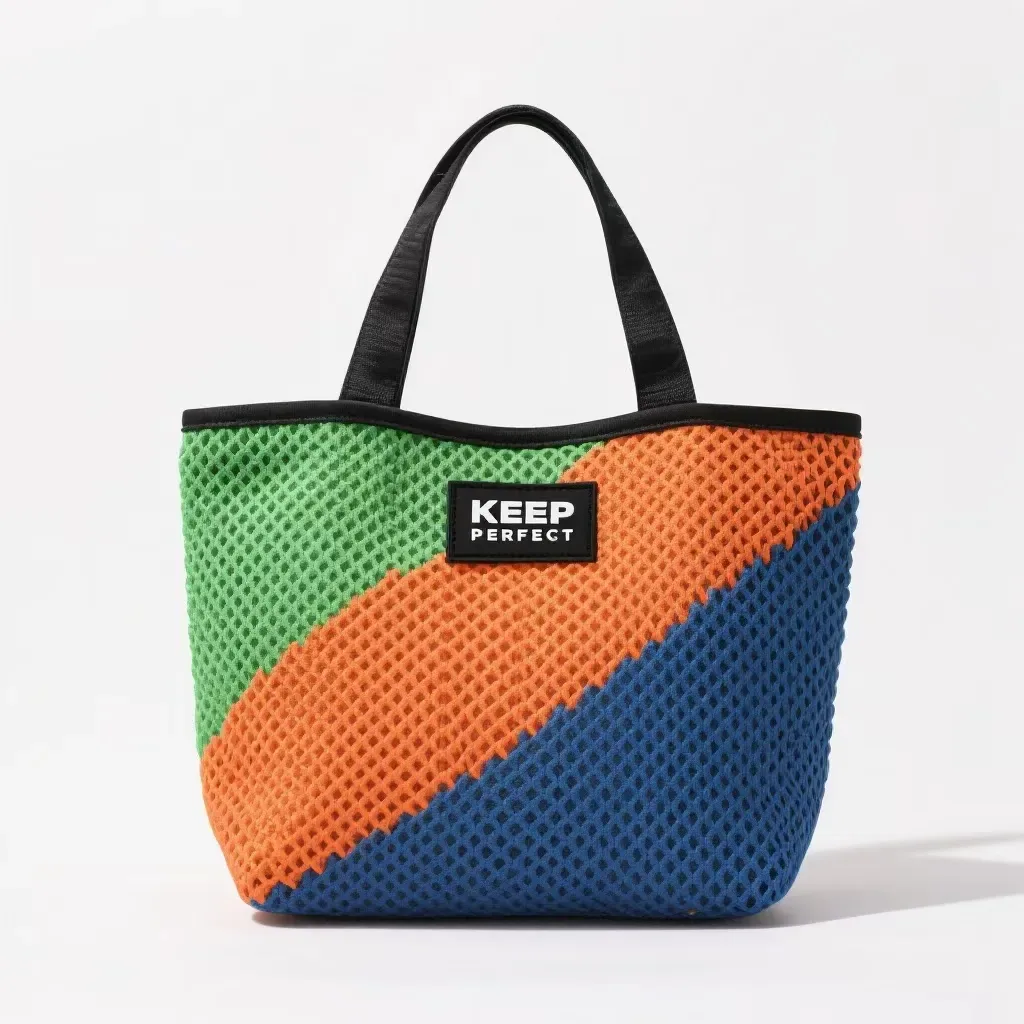
The Comparison Matrix: Twelve Lines
Scored across twelve lines, the direct route wins on cost, traceability and change speed; the agent route wins on consolidation and on buyer-side effort; and the hybrid wins on the two lines — bed scheduling and inspection administration — that decide whether a launch date holds.
| Line | Direct | Agent-mediated | Hybrid |
|---|---|---|---|
| Unit price | Lowest | Highest, margin is invisible | Low, margin is stated |
| Change speed | Fastest, parameter answer | Slowest, message answer | Fast, one technical contact |
| Traceability | Full, shortest chain | Partial, chain is opaque | Full, one production base |
| Bed scheduling | Buyer negotiates the queue | Agent negotiates, buyer waits | Partner books a week number |
| Inspection | Buyer arranges third party | Agent arranges, buyer sees a summary | Partner issues an ISO 2859-1 report |
| Documentation | Buyer and forwarder | Agent handles consolidation | Partner handles issue and handover |
| Specification burden | Entirely on the buyer | Shared, loosely | Shared, explicitly |
| Machine file ownership | Negotiated directly | Usually unclear | Stated in the brief |
| Minimum viable volume | About 5,000 pcs a season | Any, at a margin | 100 pcs per colourway |
| Consolidation across categories | Poor | Best | Moderate |
| First-time importer fit | Poor | Good | Good |
| Failure mode | Buyer cannot write a spec | Buyer loses visibility of delay | Buyer under-specifies the brief |
Which Route for Which Buyer
Match the route to volume and to specification stability: direct above about 5,000 pcs a season with a stable drawing, agent when consolidating many categories or importing for the first time, hybrid between 100 and 5,000 pcs on a knit programme that will be repeated.
Direct
A buyer with a tech pack habit, a stable drawing and volume above about 5,000 pcs a season on one structure.
Agent-mediated
A buyer consolidating ten categories across several sites, or importing for the first time and needing documentation handled.
Hybrid
A mid-size brand running 100 to 5,000 pcs on a knit programme it intends to repeat and revise each season.
Direct, but wrongly chosen
A buyer with no written specification. The gap opens on day 2 of sampling, when a GSM question arrives with no answer.
Agent, but wrongly chosen
A buyer whose programme is knit-specific and unstable. Structural churn through a message chain costs days a 7-day window lacks.
Hybrid, but wrongly chosen
A buyer who needs goods consolidated from twelve unrelated sites. One production base cannot consolidate what it does not make.
A buyer can also move between routes. The common path is to start hybrid on a 100-pcs first programme, learn the specification discipline, and move direct once the drawing is stable and the volume justifies a direct relationship. Moving the other way, from direct to hybrid, is usually a response to a scheduling failure rather than a strategic choice, and it is worth naming as such when it happens.
What Sourcing in China Adds to the Timetable
Two calendar items and one transit item sit outside the 7 working days and the 30 days, and buyers who plan only the two windows miss the launch: the Lunar New Year shutdown, the early-October holiday, and the sea transit that follows handover.
- Lunar New Year: production stops for roughly two to three weeks, and the weeks either side are congested as programmes are pushed out and pulled forward.
- Early October holiday: a week of national holiday, with the same congestion effect in the fortnight around it.
- Sea transit from Xiamen: commonly about 18 to 22 days to the United States west coast and about 28 to 32 days to northern Europe, before port handling.
- Air transit: commonly 5 to 7 days door to door including handling, at a materially higher cost per kilogram.
- Customs entry at the destination: variable by market, and outside anyone's control once the invoice and transport document are correct.
The arithmetic a buyer should do is therefore not 7 plus 30. It is 7 plus 30 plus transit plus a holiday buffer, and the holiday buffer should be added whenever a handover date falls within six weeks of either holiday. A programme handed over in the second week of January is a programme that lands a month late unless the buffer was in the plan from the brief.
Documentation and Port: Xiamen in Context
FOB Xiamen is a term and a place, and the place matters: Xiamen is a deep-water port in Fujian with direct services to both the United States west coast and northern Europe, which is why the transit figures above are achievable without transhipment.
Under the ICC Incoterms 2020 rules, FOB places the cost and risk transfer at the point goods are on board the vessel nominated by the buyer, and the buyer's nominated forwarder handles the onward movement. What travels at that moment is four documents: the commercial invoice, the packing list, the bill of lading and any certificate the destination market requires by law. Social audit reports and scope certificates stay on file. A buyer who knows which four travel spends less time at the destination arguing about which document was missing.
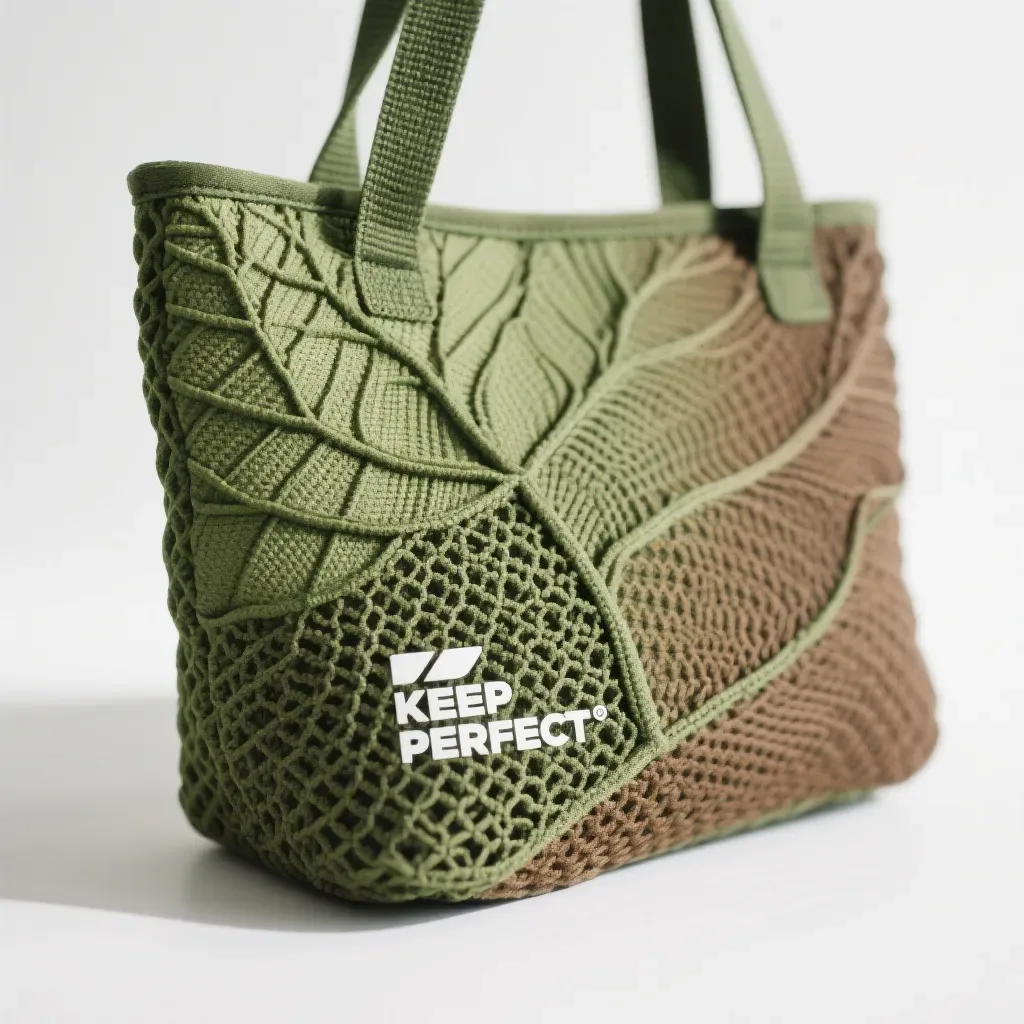
A First Order That Tests the Route
Whichever route is chosen, the first order should be 100 pcs in one colourway on the simplest structure in the range, because a first order is a test of the route and not a commercial buy.
A first order at 100 pcs tests four things at once: whether the reply to a technical question carries a number, whether a correction round returns as a parameter edit or a re-programme, whether the release report carries a sample size, and whether the documentation arrives complete. Those four are exactly the four that decide a season, and they can be tested for the price of a hundred pieces and one sampling window. A buyer who tests them at 5,000 pcs instead has bought the same information at fifty times the price.
What the first 100 pcs should answer
- Does a GSM question come back as a figure with a conditioning basis, or as an adjective?
- Does a dimension change come back as a parameter edit, or as a re-programmed shape file?
- Does the release report carry a sample size, an accept count and a reject count?
- Do the invoice, packing list, transport document and market certificate arrive complete and consistent?
- Does the programme number on the report match the programme number on the carton label?
If all five come back clean, the route is working and the second order can be the commercial one. If two or three come back hedged, the route is the problem rather than the programme, and it is worth changing before the volume does. For the questions that make up that first test, see questions to ask a knitted bag supplier.
Test the hybrid route on 100 pcs
Send the structure, the quantity per colourway and the destination market. Our knit team will answer with figures, sample in 7 working days and release at AQL 2.5 under ISO 2859-1 on FOB Xiamen. Start on the contact page.
Frequently Asked Questions
What are the routes for China knitted bag sourcing?
Three: a direct programme with the knitting floor, a purchase mediated by a sourcing agent, and a hybrid in which programme management sits between buyer and floor while production stays with one base. They differ in which party carries specification, coordination and scheduling risk, not in the bag.
Which route suits a first knit programme?
The hybrid route, at 100 pcs in one colourway on the simplest structure in the range. It hands over bed scheduling and inspection administration, which are the two risks a first-time or mid-size buyer cannot manage, and keeps the specification with the buyer where it belongs.
When does the direct route become the better choice?
Above roughly 5,000 pcs a season on a stable drawing, and only once the buyer has a written specification habit. Below that volume the direct route still works, but the buyer spends more time on the queue than the volume justifies. Volume alone is not enough; the specification habit is what makes the shorter chain work.
What does an agent actually add on a knit programme?
Coordination: chasing, translation, consolidation, documentation and inspection arrangement. That is real value for a buyer running ten categories across several sites. It is weaker value on a knit-specific programme, where structural changes need parameter answers rather than message answers. The weaker fit is a knit-specific programme where structural churn needs parameter answers rather than message answers.
Why is knit more sensitive to the route than cut-and-sew?
Because the tooling is a machine file rather than a cutting pattern. The party holding the file holds an asset. A change request on the direct route reaches the person who wrote the file; through an agent it may reach someone who cannot say which parameter controls which dimension.
Does the route change MOQ, sampling or the bulk window?
No. MOQ stays at 100 pcs per style and colourway, sampling at 7 working days from an approved digital file and bulk at 30 days from handover of an approved sample. A route that cannot quote those three has not been measured, whichever label it uses.
What calendar items should be added to the plan?
Two: the Lunar New Year shutdown, roughly two to three weeks with congestion either side, and the early-October national holiday. Add a buffer whenever a handover date falls inside six weeks of either. A January handover without a buffer lands a month late. Add the buffer in the brief, not in the recovery plan after the date has already been missed.
How long is sea transit from Xiamen?
Commonly about 18 to 22 days to the United States west coast and about 28 to 32 days to northern Europe, before port handling at the destination. Air runs about 5 to 7 days door to door at a materially higher cost per kilogram. Air transit is about a third of the sea transit time at a materially higher cost per kilogram.
What does FOB Xiamen mean in practice?
Under the ICC Incoterms 2020 rules, cost and risk transfer when the goods are on board the vessel nominated by the buyer, and the buyer's forwarder handles the onward movement. Always name the port and the edition of the rules together. State the rule, the named port and the edition of the rules together, in writing, on the quote.
Which documents travel with the shipment?
Four: the commercial invoice, the packing list, the bill of lading or air waybill, and any certificate the destination market requires by law. Audit reports and scope certificates stay on file at the production base and do not clear a shipment. Audit reports and scope certificates stay on file and do not clear a shipment at the destination.
What should a first order test?
Five things: whether a GSM answer carries a figure, whether a dimension change is a parameter edit, whether the release report carries a sample size, whether the documentation arrives complete, and whether the programme number on the report matches the carton label. Test all five at 100 pcs in one colourway before trusting the route at five thousand pieces.
Can a buyer change route later?
Yes, and most do. The common path is hybrid on a first 100-pcs programme, then direct once the drawing is stable and volume justifies the relationship. Moving from direct back to hybrid is usually a response to a scheduling failure and is worth naming as such.
People Also Ask
Is sourcing knit bags from China still competitive on a small programme?
Yes at 100 pcs per colourway, because the machine file amortises differently from a cutting pattern. The advantage narrows on freight, so a small programme should ship sea rather than air and should plan around the two holiday shutdowns.
Should I use a China-based agent or work directly?
Work directly once you can write a specification and your volume exceeds about 5,000 pcs a season. Use an agent while consolidating several unrelated categories, or when importing for the first time and needing documentation handled end to end.
Which port should the term be quoted on?
FOB Xiamen suits a Fujian knit programme because the port has direct services to both the US west coast and northern Europe. Where goods consolidate from several provinces, quote the port where consolidation actually happens rather than the nearest one.
How much buffer should I build into a first China order?
Add two weeks on top of the 7 working days and 30 days for a first programme, and four to six weeks if a handover date falls near Lunar New Year or the early-October holiday. Transit is additional and sits outside the production windows.
Does route choice affect who owns the machine file?
It affects how clear the answer is. On the direct and hybrid routes ownership is normally stated in the brief. On the agent route it is frequently unclear, which only becomes a problem when the buyer wants to move the programme elsewhere.
Sources and further reading
Every figure on this page is either our own programme data or attributed below. Open the originals before you write them into a specification.
- Incoterms rulesInternational Chamber of Commerce The rule set behind FOB Xiamen, including where cost and risk transfer and which party nominates the vessel.
- ISO 2859-1 — Sampling procedures for inspection by attributes, Part 1: AQL-indexed sampling schemesISO The sampling standard behind the AQL 2.5 release report any of the three routes should issue.
- Recycled Claim Standard and Global Recycled StandardTextile Exchange The chain-of-custody standards that make a shorter route easier to trace from yarn to carton.
- HS nomenclatureWorld Customs Organization The classification system behind the HS code that appears on the commercial invoice and drives the duty rate.
- International Maritime OrganizationInternational Maritime Organization The UN specialised agency whose conventions govern the safety and documentation of the sea leg.
Choose the Route, Then Test It Small
Route choice on a China knit programme is a decision about which risk a buyer can live with, and there is no route that removes all three. Direct keeps cost and traceability and returns specification risk; agent removes coordination load and returns visibility; hybrid removes scheduling and inspection load and keeps the specification.
Choose on volume and on specification stability, then test the choice at 100 pcs before trusting it at 5,000. For the question list that runs that test, see questions to ask a knitted bag supplier. For the framework, see knitted bag sourcing guide.