Promotional Bag Buyer Profile: A Working Checklist for Knitted Gift and Event Programmes
How far ahead does a promotional bag buyer have to start? Count backwards from the event date and allow eight to ten weeks: sampling takes 7 working days, bulk takes 30 days, and air or sea freight plus inspection occupies the remainder. Nothing in promotional buying is negotiable except quantity and specification, because the event date does not move. This article sets out the checklist in the order a promotional buyer actually has to work through it, with the reason each item is on the list.
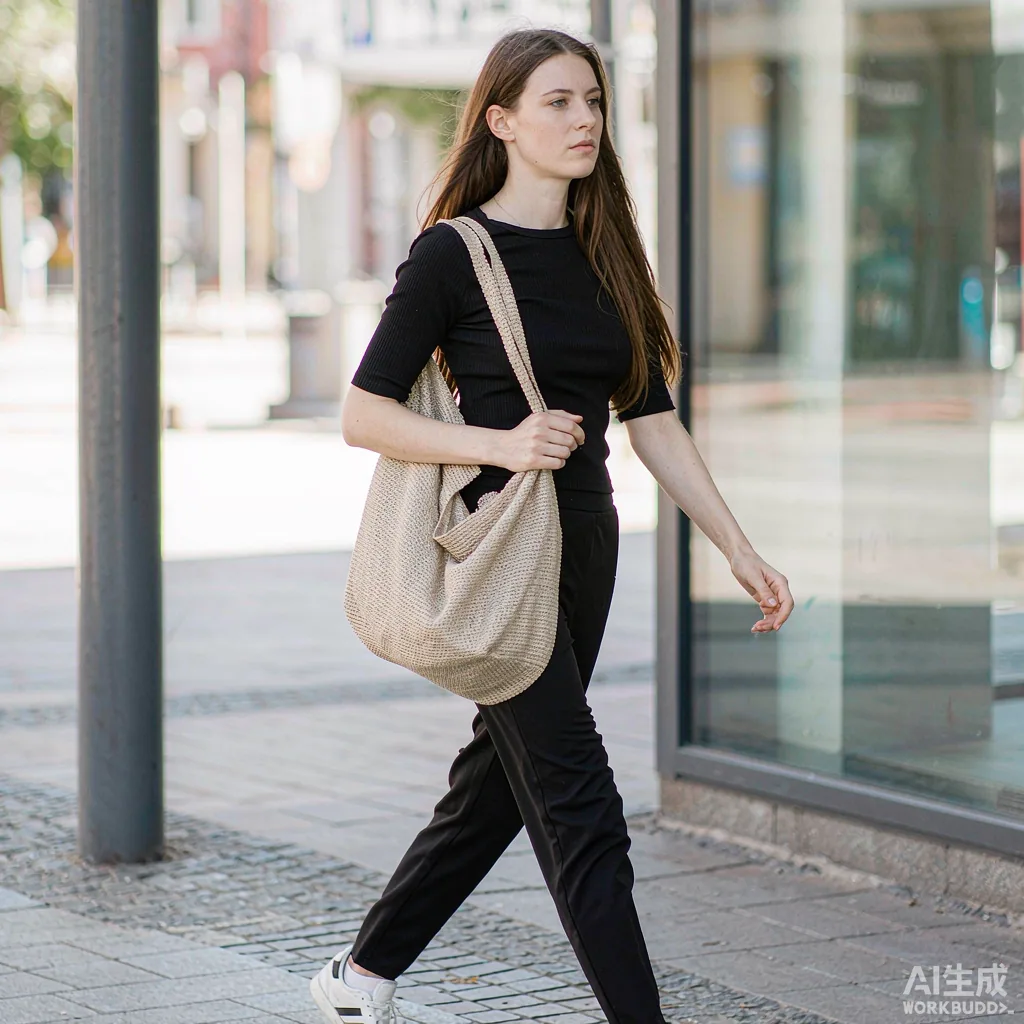
The Event Date Is the Only Fixed Input
A promotional bag buyer works backwards from a date that cannot move, which makes quantity and specification the only two variables available, and makes the calendar the document that matters most.
Every other buying seat has some elasticity. A brand owner can push a launch; a retail sourcer can shift a floor date by a fortnight. A conference, a product launch or a staff on-boarding week does not move at all, and the consequences of missing it are absolute: bags that arrive after the event have no use and no residual channel. This asymmetry should shape everything else. When a choice has to be made between protecting the date and saving a small amount of money, protecting the date is almost always correct, because a delayed promotional bag is worth close to nothing.
The practical consequence is that a promotional programme should be represented as a reverse calendar from day one, with each station given a date rather than a duration. Sampling 7 working days and bulk 30 days are the two blocks that never change; freight and inspection are the two that get squeezed, and they are also the two that a buyer controls directly.
Checklist Part One: Before Any Artwork Moves
Four things have to be settled before artwork is discussed: the quantity band, the colourway count, the unit ceiling and the delivery address, because each one constrains what the artwork can be.
Artwork is usually the first thing a promotional buyer sends and it should be close to the last. A logo intended for a knitted body has to fit inside decisions made earlier in the list: how many colourways the run supports, whether the quantity band justifies the programming for a knitted-in motif, and whether the pieces go to one address or several. Sending artwork first invites a quotation for something that will be revised twice.
The unit ceiling matters for the same reason. In promotional buying the recipient audience usually determines the achievable unit spend, and that figure quietly rules options in and out before anyone discusses them. Declaring it upfront converts what would have been three rounds of design substitution into one.
Four items to close before artwork
- Quantity band: 300, 1,000 or more, since it decides which decoration routes are open.
- Colourway count, remembering MOQ is 100 pcs per style and per colourway.
- Unit ceiling per piece, including the destination market compliance it implies.
- Delivery address, because event shipments often split across more than one site.
Checklist Part Two: Getting the Logo Into a Knitted Body
There are four routes for putting a mark on a knitted bag, and they differ in lead time rather than in look: a knitted-in motif needs programming, while a woven label, an embroidery and a transfer each add a later operation.
A knitted-in motif is the most integrated and the slowest, because it has to be written into the structure of the body and proved on the machine rather than applied afterwards. It is also the one most likely to be worth doing at volume, since it adds no subsequent operation and no subsequent failure mode. A woven label is the fastest flexible option and suits a run where quantity is uncertain. Embroidery adds weight and a stitch line through the body, which changes how the panel behaves under load. A heat transfer is fast and faithful to complex artwork, and is the one to avoid where the bag will be machine washed repeatedly.
One technical constraint catches promotional artwork regularly. Below about 9 mm square at E12, a knitted-in motif loses definition, because the loop is the pixel and there are only so many loops in a centimetre. Simplified artwork is not a compromise here; it is what the stitch structure can physically render, and adjusting it before the brief costs nothing while adjusting it after sampling costs an entire cycle.
Checklist Part Three: Colour Approval Without a Second Round
Colour approval needs a physical reference rather than a screen: specify lab dips against a named reference and agree a numerical tolerance in advance, commonly not more than about 1.0 delta E units measured under D65 light.
Promotional programmes carry brand colour requirements more strictly than most, because the bag is distributed precisely to reinforce a brand. That makes the colour conversation unusually consequential and unusually prone to going round twice. The single change that prevents the second round is agreeing the tolerance numerically at the brief rather than describing it in words. Excellent colour match means different things to a designer, a marketer and a production planner; 1.0 delta E under D65 means one thing to all three.
Batch-to-batch variation is the other half of the same problem. Dye lots vary, so a programme spread across two shipments should have the tolerance stated for each lot independently, and any piece ordered as a top-up months later should be treated as a new approval rather than assumed to match. Where the braid identity depends on exact colour, booking the full quantity's yarn in one dye lot avoids the problem entirely for a modest commitment of storage.
Checklist Part Four: Compliance for Giveaways
A promotional bag is given away rather than sold, which removes the price signal and leaves compliance as the main gate: restricted substances, warnings, and where a child could reasonably use the item, child-safety documentation.
The European Union expects REACH compliance evidence; shipments into California need a view on [Prop 65 obligations set by OEHHA](https://oehha.ca.gov/proposition-65); anything that could reach a child falls under [CPSIA administered by the US Consumer Product Safety Commission](https://www.cpsc.gov/). None of these are excludable by argument and each depends on the materials actually chosen, which is another reason not to leave the specification open. Verified chain-of-custody such as [Textile Exchange standards](https://textileexchange.org/standards/) supports recycled content claims, which promotional buyers increasingly need for sustainability reporting.
Sustainability deserves particular care in this buying seat. A promotional item is the one category most likely to be challenged publicly, because recipients do not opt in and the story matters more than the object. Keeping claims to what documentation supports is not caution for its own sake; it is the difference between an asset and a liability.
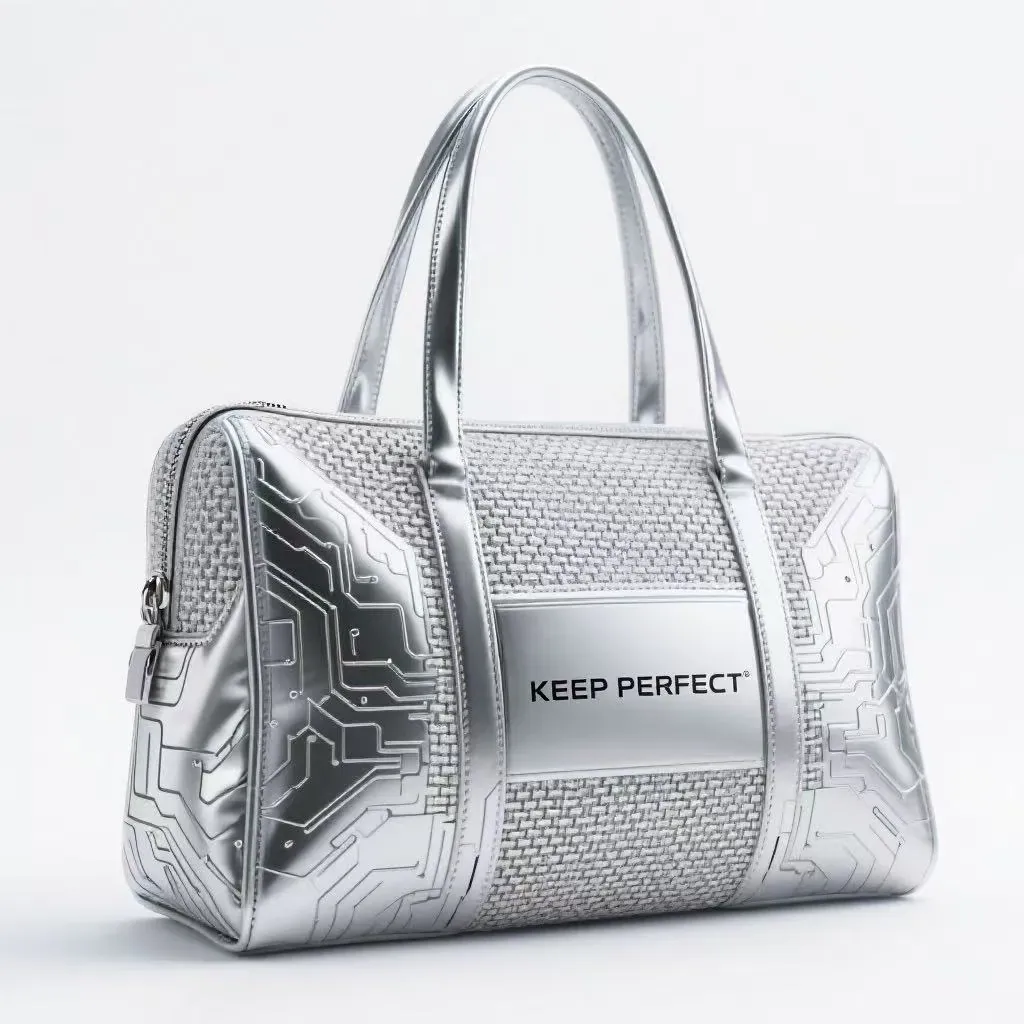
Checklist Part Five: Packing for an Event, Not for a Warehouse
Event packing differs from warehouse packing in three respects: the recipient list determines carton configuration, the venue determines delivery window, and the unpacking experience is part of the item.
A distribution centre wants cartons that stack and count easily. An event team wants cartons that can be carried through a door and emptied in minutes, ideally labelled by the recipient group rather than by the stock-keeping unit. Getting this wrong is a small error with an outsized cost, because sorting a thousand pieces at a venue is not something the people doing it have time for. Asking for cartons packed and labelled to the attendee grouping costs nothing at packing and saves an afternoon on site.
The delivery window deserves equal attention. Venues commonly accept deliveries only during specific hours, and many will not hold freight sent early. Naming a delivery date plus window, rather than merely reporting that the goods have left the port, is the difference between a bag in a delegate's hands and a pallet in a loading bay.
Quantity Bands and What Each One Changes
Three practical bands shape promotional knit runs: around 300 pieces for a single event, around 1,000 for a seasonal giveaway programme, and above 3,000 for a staff or customer-wide distribution.
Band effect is mostly about which costs amortise. Below about 300 pieces, set-up per style-and-colourway dominates the unit figure and the buyer should expect to pay for the privilege of a small run. Around 1,000 pieces the fixed costs have spread enough that unit cost behaves predictably, and this is the band where a knitted-in motif usually starts paying for itself. Above 3,000 pieces the conversation shifts from price to capacity planning and inspection logistics, since a lot of that size takes a larger AQL sample. Keeping to one colourway across a large quantity is usually a better trade than spreading it thin across four.
The common error at the top of the band is ordering every size option the artwork team can imagine. Every additional colourway adds a full minimum commitment, so a 3,000-piece programme split across four colours is committing 4,000 pieces if any colour runs to a partial count. Where the audience is genuinely mixed, two neutral colourways outperform four directional ones.
| Quantity band | Typical use | What it changes | AQL 2.5 sample at level II |
|---|---|---|---|
| About 300 pcs | Single conference or launch event | Set-up dominates unit cost; expect a premium | Letter G, 32 pieces, accept 2, reject 3 |
| About 1,000 pcs | Seasonal giveaway programme | Fixed costs amortised; knitted-in motif pays off | Letter J, 80 pieces, accept 5, reject 6 |
| About 3,000 pcs | Staff or customer-wide distribution | Capacity and inspection planning become the issue | Letter L, 200 pieces, accept 10, reject 11 |
| Above 5,000 pcs | Multi-market campaign | Freight mode and split shipping drive the calendar | Level II sample rises; discuss reduced inspection |
The Backwards Calendar From the Event Date
Allow eight to ten weeks from brief to bags in hand using sea freight, or roughly six weeks using air, structured around 7 working days of sampling and 30 days of bulk that do not compress.
The arithmetic is unforgiving and worth writing down. Thirty days of bulk alone consumes nearly half of an eight-week window. Seven working days of sampling plus artwork preparation and approval takes most of another three. That leaves a little over a week for inspection and freight, which is why ten weeks is the honest figure for sea and why air freight exists as the pressure valve. Buyers who plan six weeks for a sea shipment are not being optimistic about production; they are being optimistic about physics.
There is one legitimate way to shorten the perceived lead time, and it is worth using. Sampling for the carrying and repeat styles can be run ahead of the event being confirmed, so that the 7-working-day cycle is already spent when the purchase order finally arrives. This is what experienced promotional buyers do for recurring programmes: hold an approved sample against a repeat order and buy the calendar rather than re-buying the development.
- Brief and artwork adaptation
- About 1 week; longer if a complex motif has to be simplified
- Sampling cycle
- 7 working days per round at any quantity
- Colour approval
- Lab dips against a named reference, tolerance about 1.0 delta E
- Bulk production
- 30 days from approved sample and deposit
- Inspection
- AQL 2.5 under ISO 2859-1; sample size tracks the lot band
- Freight from Xiamen
- Sea is the reference; air is the option when the date is tight
Four Ways Promotional Knit Programmes Fail
They fail through artwork arriving before the quantity is known, tolerance being described rather than measured, the venue delivery window being discovered late, and the freight mode being chosen after rather than before the event date is set.
All four share one root cause, which is that each is a decision treated as administrative rather than as schedule. None of them looks like a production problem and none of them is one. The supply chain will do what it published; it is the surrounding decisions that miss the date. Recognising this lets a promotional buyer spend attention where it actually changes anything, which is on the reverse calendar and on the four inputs above.
The compensating control is simple and takes ten minutes: write the event date at the top of one page, list every station backwards beneath it, and mark the two that cannot move. Any plan that does not fit gets resolved by cutting colourways or adding freight, and both cost less decided early than late.
Artwork before quantity
Quantity decides which decoration routes are even open. Sending artwork first invites a quote for something that will be revised twice.
Tolerance in words
Excellent colour match means different things to three people. One delta E figure under D65 means the same thing to all of them.
Venue window found late
Many venues accept deliveries only within set hours and will not hold early freight. Name the window at brief stage.
Freight mode decided last
Air is the pressure valve for a tight date, but it has to be priced into the plan before the ceiling is agreed, not invented after.
What a Same-Day Quote Needs From the Buyer
A same-day promotional quotation requires five inputs: quantity, colourway count, the logo route, the delivery address with its window, and the event date, because those five determine price, calendar and freight mode together.
Notice what is not on that list: the artwork file, the target unit figure and the preferred fabric. The artwork file can follow within the day; the target unit figure is an output of the specification rather than an input to it; and the body specification is best derived from GSM and gauge once the use case is known. This is why the five-item list works and why requests built around designer files take days. A buyer who sends the five gets a decision-grade answer the same afternoon, and then has time to use it.
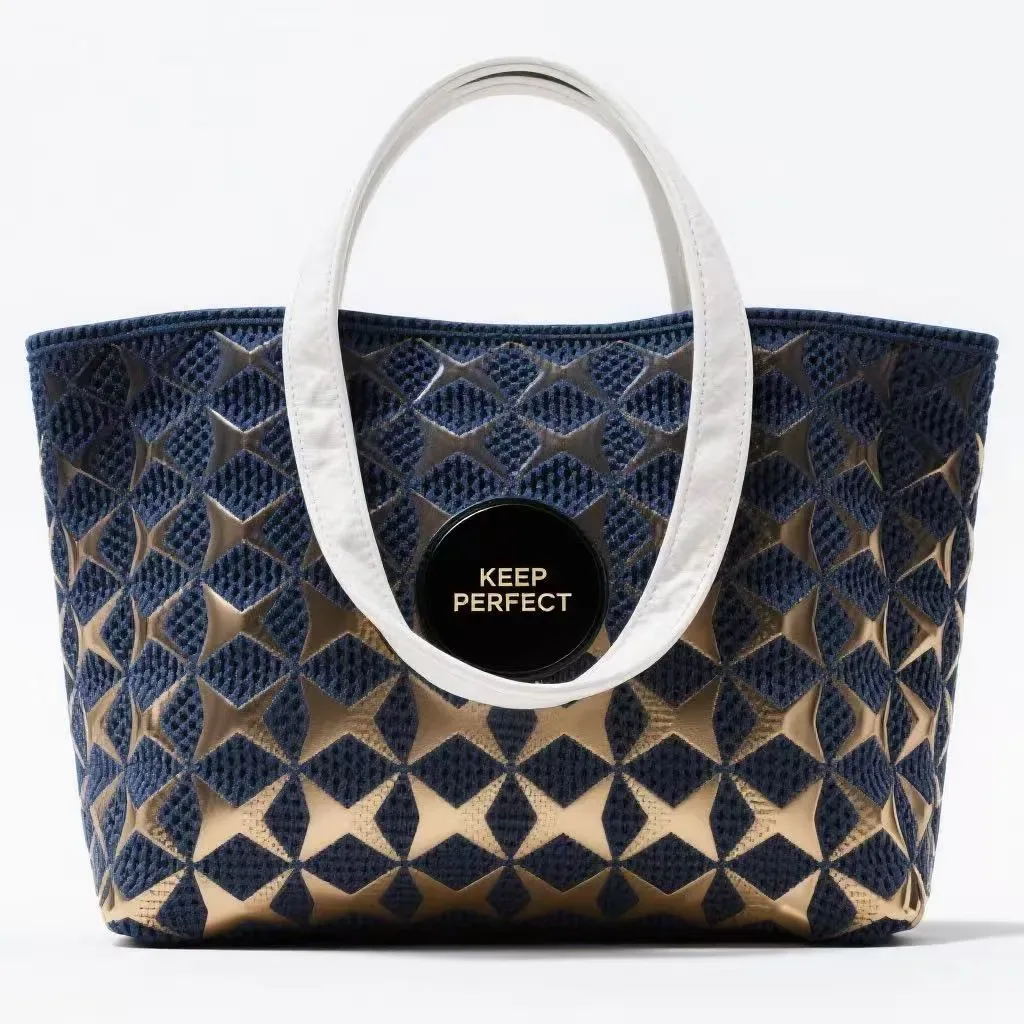
Making the Checklist a Standing Asset
Recurring promotional buyers should convert the checklist into a standing specification with an approved sample held against it, which turns a ten-week exercise into a six-week one for every repeat.
This is the highest-return move available in the category. A repeat order against a held sample needs no new programming, no new colour approval and often no new inspection protocol, and it removes roughly four weeks from the calendar because development has already been bought. The trade-off is a small amount of discipline: the held sample has to be stored properly, and its specification has to be recorded rather than remembered, because the person who ran it the first time is rarely the person available the third.
Work a promotional knit order backwards from your date
Send the event date, quantity, colourway count and logo route. Our knit team will map it back against 7 working days of sampling and 30 days of bulk and tell you which freight mode the date requires. Start on the contact page.
Frequently Asked Questions
How far ahead should a promotional bag buyer start?
Eight to ten weeks using sea freight, or roughly six using air. Thirty days of bulk consumes nearly half an eight-week window and 7 working days of sampling takes most of another fortnight, leaving little for inspection and freight.
Can the event deadline justify faster production?
The 30-day bulk block does not compress. What changes is freight mode and specification scope, so the realistic remedies are air freight, fewer colourways, or pre-sampled styles held against a repeat programme.
What is the minimum order for a promotional knit run?
MOQ is 100 pcs per style and per colourway. That means a 3,000-piece programme split across four colourways is committing more than one minimum per colour, so neutral colours count twice as far as directional ones.
Which logo route suits a knitted bag?
Four options exist: a knitted-in motif needing programming, a woven label applied later, embroidery adding weight and a stitch line, and a heat transfer suited to detail but less suited to repeated machine washing.
Why does knitted-in artwork sometimes have to be simplified?
Because the loop is the pixel. At E12 a motif smaller than about 9 mm square loses definition, since there is a physical limit to how much structure fits into a centimetre of knitted fabric.
How should colour be approved for a knitted bag?
With lab dips against a named reference plus a numerical tolerance agreed upfront, commonly about 1.0 delta E units under D65 light. A figure agreed at brief prevents the second approval round that words tend to invite.
Do promotional giveaways still need compliance documents?
Yes, and arguably more so. REACH evidence serves the European Union, Prop 65 covers California, CPSIA applies where a child could use the item, and recycled content claims need chain-of-custody support.
How should a promotional order be packed?
Packed for the venue rather than for the distribution centre, with cartons labelled by recipient group and sized to carry through a door. Ask for this at packing stage rather than sorting a thousand pieces on site.
What quantity suits a single conference?
Around 300 pieces typically, where set-up per colourway dominates the unit figure and the buyer should expect to pay for a small run. Around 1,000 pieces is where fixed costs amortise and a knitted-in motif starts paying back.
What inspection applies to a promotional shipment?
Release runs to AQL 2.5 under ISO 2859-1. A 300-piece lot draws a level II sample of 32 with acceptance at 2 defects, a 1,000-piece lot takes 80 pieces at 5, and a 3,000-piece lot takes 200 pieces at 10.
What should be sent to get a quote the same day?
Quantity, colourway count, logo route, delivery address with window, and the event date. Those five determine price, calendar and freight mode at once; artwork follows within the day rather than preceding the decision.
Is there a way to shorten a repeat programme?
Yes. Hold an approved sample against a repeat specification, so no new programming or colour approval is needed. That removes roughly four weeks from the calendar because the development has already been paid for.
People Also Ask
When should I order promotional knitted bags for an event?
Eight to ten weeks ahead using sea freight, six using air. Thirty days is bulk alone, 7 working days is sampling alone, and inspection plus freight take the rest, so there is little slack for late decisions.
How many colourways should a promotional run use?
Two neutral options usually outperform four directional ones. Each colourway carries its own 100-piece minimum and set-up, so spreading a fixed quantity across more colours commits more pieces for the same reach.
What file should I send first, artwork or quantity?
Quantity first. It decides which decoration routes are open and whether programming for a knitted-in motif is justified, and it stops a quotation being built around artwork that will later be simplified.
Are knitted promotional bags compliant for giveaways?
They can be, with documentation. REACH covers European Union destinations, Prop 65 covers California, CPSIA applies where children could use the bag, and recycled content claims need chain-of-custody evidence.
Can I reuse last year's design for next year's event?
Yes, and it is the best available saving. An approved sample held against a standing specification removes programming, colour approval and usually four weeks of calendar from the repeat order.
Sources and further reading
Every figure on this page is either our own programme data or attributed below. Open the originals before you write them into a specification.
- ISO 2859-1:2026 — Sampling procedures for inspection by attributesISO Source of the AQL 2.5 sample sizes quoted for 300, 1,000 and 3,000-piece promotional lots.
- Proposition 65 programmeCalifornia Office of Environmental Health Hazard Assessment Sets the warning obligations for promotional goods distributed into California.
- CPSC — product safety and CPSIAUnited States Consumer Product Safety Commission The authority behind child-safety documentation where a giveaway bag could be used by children.
- Textile Exchange standards overviewTextile Exchange Chain-of-custody frameworks that support recycled content claims on promotional knit bodies.
- OEKO-TEX STANDARD 100OEKO-TEX Finished-textile testing that covers the body, the label and any applied motif together.
- ICC and the Incoterms rulesInternational Chamber of Commerce Defines the boundary between a FOB Xiamen quotation and the freight the promotional buyer arranges.
Buy the Calendar, Not Just the Bag
Promotional knit buying rewards preparation more than negotiation. The two fixed blocks are published, the freight modes are known, and what remains is a sequence of decisions inside the buying organisation. A buyer who writes the reverse calendar first and holds an approved sample against the next programme will beat the one who starts with artwork every time.
For the market picture behind these buying seats, see knitted bag market trends. For the neighbouring calendars, see seasonal bag demand planning and knitted bag inventory planning.